
What is Three Way Light Switch
A three-way light switch, also known as a three-pole switch, is a type of switch commonly used in the lighting industry. It allows users to control a centrally located light fixture from different sides of a room or from the upper and lower ends of a stairway. Unlike single-pole switches, three-way switches do not have “OFF” or “ON” markings because their function depends on the position of the other switch in the setup.
A three-way light switch setup consists of two individual switches that resemble single-pole switches. These switches work in conjunction with each other to control the flow of electrical current to the light fixture. When both switches are in the same position (either up or down), the circuit is complete, and the light turns on. However, when the switches are in opposite positions, the circuit is interrupted, and the light turns off.
Vous recherchez des solutions d'économie d'énergie activées par le mouvement ?
Contactez-nous pour obtenir des détecteurs de mouvement RPT complets, des produits d'économie d'énergie activés par le mouvement, des interrupteurs à détecteur de mouvement et des solutions commerciales de présence/absence.
The purpose of a three-way light switch is to provide convenience and flexibility in controlling a light source from multiple locations. This is particularly useful in situations where it may be inconvenient to access the light switch from only one side of a room or when there are multiple entry points to a space. By installing a three-way switch setup, users can easily turn on or off the light from different sides of the room or from different levels of a stairway.
Ces produits pourraient vous intéresser

- Détecteur de présence PIR pour montage au plafond avec sortie relais à contact sec
- Alimentation basse tension 12/24VDC ou 12/24VAC
- Contacts de relais isolés COM, NO et NC pour les entrées de gestion technique des bâtiments (GTB), de CVC et de contrôle des bâtiments

- Interrupteur détecteur de mouvement à micro-ondes basse tension DC encastrable au plafond
- Entrée 12 VDC / 24 VDC avec une plage de 10-30 VDC
- Courant de fonctionnement max de 10A avec temporisation, seuil Lux et sensibilité réglables
- Interrupteur détecteur de mouvement à micro-ondes encastrable au plafond pour charges plus élevées
- Entrée de tension secteur 100-265 VAC, modèle 10A
- Détection micro-ondes 5,8 GHz avec temporisation, seuil Lux et sensibilité réglables
- Interrupteur détecteur de mouvement à micro-ondes encastrable au plafond
- Entrée de tension secteur 100-265 VAC, modèle 5A
- Détection micro-ondes 5,8 GHz avec temporisation, seuil Lux et sensibilité réglables
- Variateur détecteur de présence PIR RZ037 pour montage au plafond pour alimentation 220V
- Courant de fonctionnement maximum de 3A avec charge nominale de 660W
- Le bouton LUX contrôle l'activation/désactivation du capteur de lumière et la luminosité de variation définie par l'utilisateur
- Variateur détecteur de présence PIR RZ037 pour montage au plafond pour alimentation 110V
- Courant de fonctionnement maximum de 3A avec charge nominale de 330W
- Le bouton LUX contrôle l'activation/désactivation du capteur de lumière et la luminosité de variation définie par l'utilisateur

- Interrupteur de détecteur de mouvement à micro-ondes pour montage au plafond, CC basse tension
- Entrée 12 VDC / 24 VDC avec une plage de 10-30 VDC
- Courant de fonctionnement max de 10A avec temporisation, seuil Lux et sensibilité réglables
- Interrupteur de détecteur de mouvement à micro-ondes pour montage au plafond à charge plus élevée
- Entrée de tension secteur 100-265 VAC, modèle 10A
- Détection micro-ondes 5,8 GHz avec temporisation, seuil Lux et sensibilité réglables
- Interrupteur de détecteur de mouvement à micro-ondes pour montage au plafond
- Entrée de tension secteur 100-265 VAC, modèle 5A
- Détection micro-ondes 5,8 GHz avec temporisation, seuil Lux et sensibilité réglables

- Interrupteur de détecteur de mouvement PIR encastré au plafond, CC basse tension
- Entrée 12 VDC / 24 VDC avec une plage de 10-30 VDC
- Courant de fonctionnement max. 10A avec temporisation, seuil Lux et sensibilité réglables

- Interrupteur de détecteur de mouvement PIR encastré au plafond à charge plus élevée
- Entrée de tension secteur 100-265 VAC, modèle 10A
- Détection à 360 degrés avec temporisation, seuil Lux et sensibilité réglables
- Interrupteur de détecteur de mouvement PIR encastré au plafond
- Entrée de tension secteur 100-265 VAC, modèle 5A
- Détection à 360 degrés avec temporisation, seuil Lux et sensibilité réglables

- Kit d'interrupteur et récepteur sans fil pour le contrôle de l'éclairage intérieur ON/OFF
- Récepteur 100-230VAC, 50/60Hz avec courant nominal de 5A
- Interrupteur sans fil alimenté par pile CR2032 avec communication 2.4GHz
- Mode d'occupation (Auto-ON/Auto-OFF)
- 12–24V DC (10–30VDC), jusqu'à 10A
- Couverture à 360°, diamètre de 8–12 m
- Temporisation de 15 s à 30 min
- Capteur de lumière Désactivé/15/25/35 Lux
- Sensibilité Haute/Basse
- Mode d'occupation Auto-ON/Auto-OFF
- 100–265V AC, 10A (neutre requis)
- Couverture à 360° ; diamètre de détection de 8–12 m
- Temporisation de 15 s à 30 min ; Lux DÉSACTIVÉ/15/25/35 ; Sensibilité Haute/Basse
- Mode d'occupation Auto-ON/Auto-OFF
- 100–265V AC, 5A (neutre requis)
- Couverture à 360° ; diamètre de détection de 8–12 m
- Temporisation de 15 s à 30 min ; Lux DÉSACTIVÉ/15/25/35 ; Sensibilité Haute/Basse
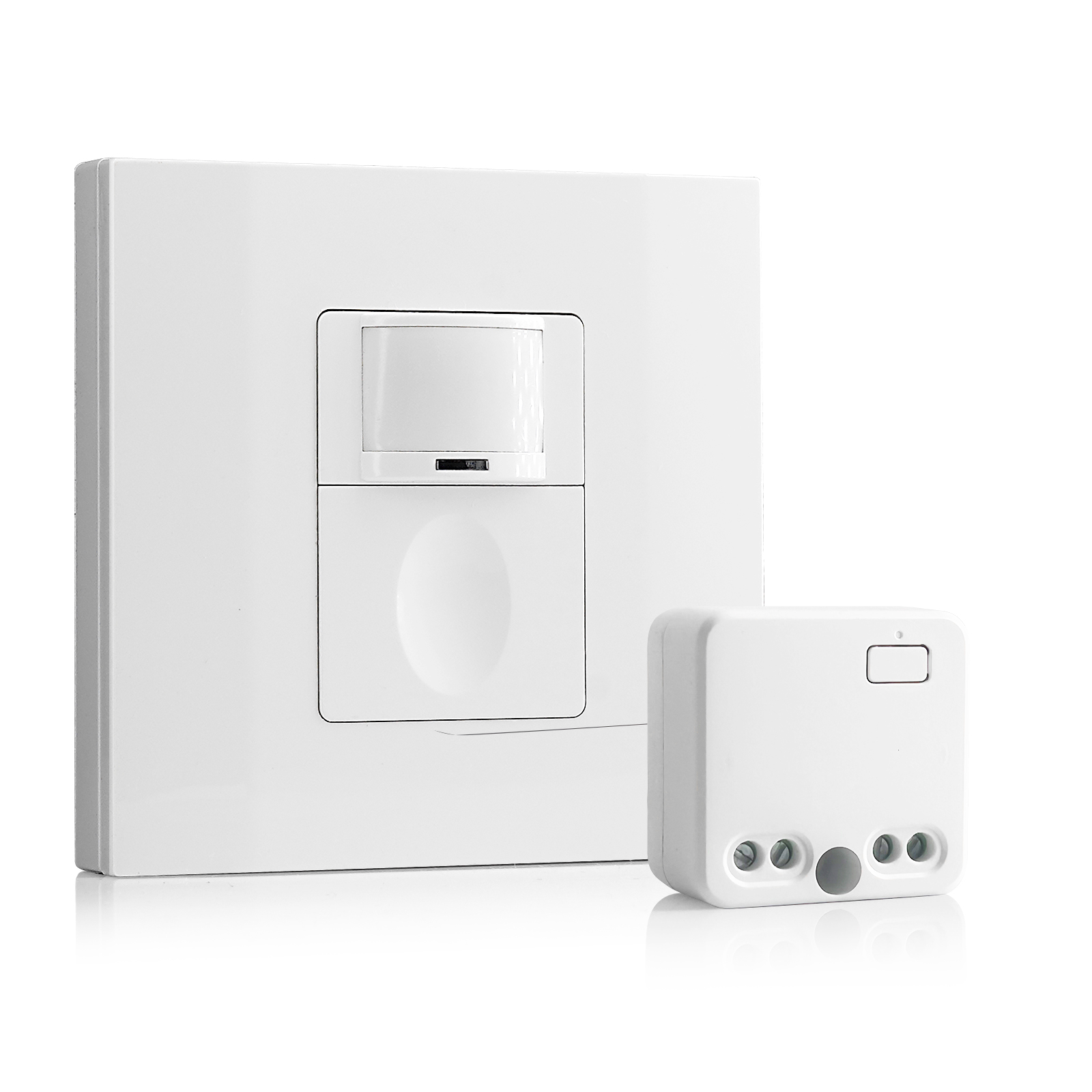
- 100V-230VAC
- Distance de transmission : jusqu'à 20m
- Détecteur de mouvement sans fil
- Contrôle filaire
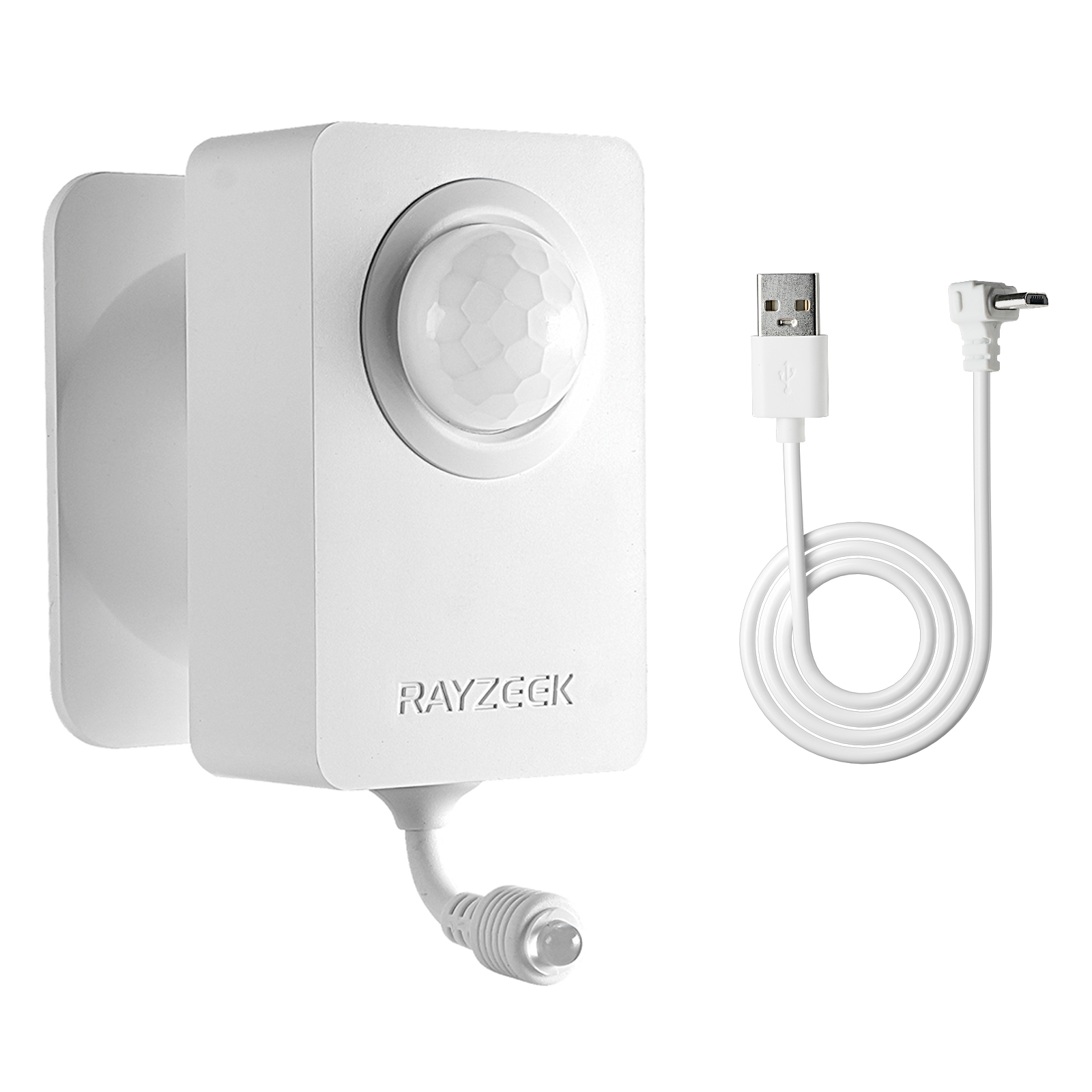
- Tension : 2x piles AAA / 5V DC (Micro USB)
- Mode Jour/Nuit
- Temporisation : 15min, 30min, 1h (par défaut), 2h
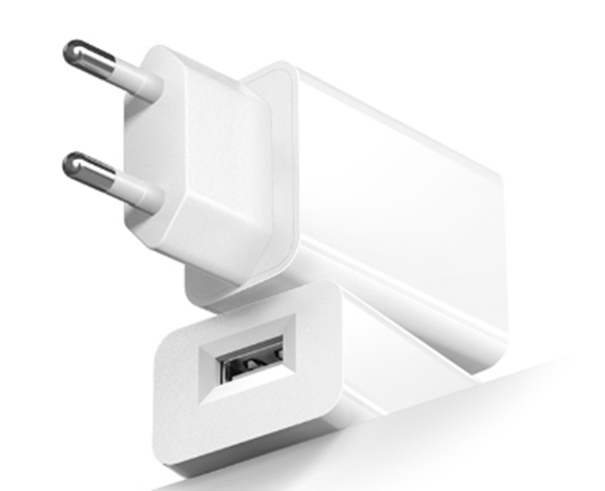
- Adaptateur secteur prise UE
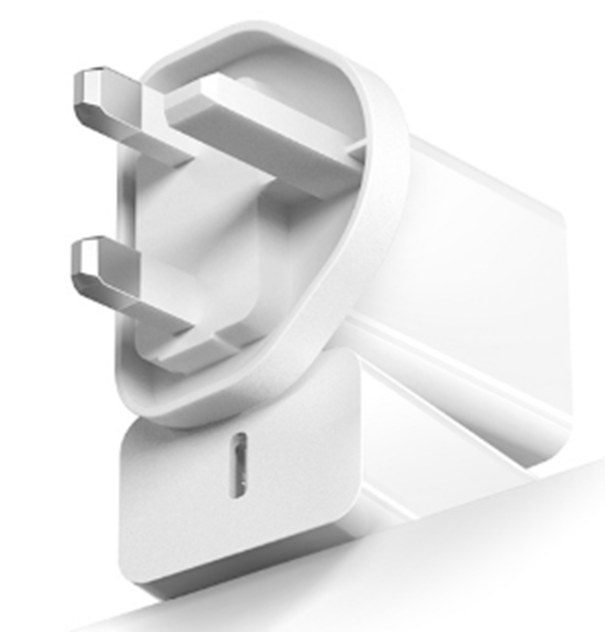
- Adaptateur secteur prise UK
Frequently Asked Questions
What Is the Difference Between a 1 Way and 3-Way Light Switch
The distinction between a 1-way and 3-way light switch lies in the number of terminals and the absence of on/off markings on the toggle of the three-way switch. This absence is due to the fact that the two different positions on the toggle divert the power source between the two loads.
What Does a Three-Way Switch Look Like
A helpful method for recognizing a three-way switch is to examine the switch’s body and count the number of screw terminals. A three-way switch typically has three terminal screws, along with a ground screw. Among these terminals, two are light in color, either bronze or copper, and are referred to as travelers.
Do LED Lights Work With 3 Way Switches
A standard 3-way switch is compatible with LED lights, although it may be necessary to use a specific type of switch based on the LED lights installed.
Are Black and Red Wires Both Hot
Black wires are typically used as hot wires that connect the electrical outlet to the switch. On the other hand, red wires are commonly used as hot wires in situations where a 240-volt outlet is present or when a wall switch is used to control the outlet. It is important to note that blue and yellow wires are also considered hot wires, specifically for ceiling fans and three- or four-way switches. Lastly, neutral wires are represented by white or gray electrical wires.
How Do You Tell Which Wire Is Hot When Both Are Black
Use a test lamp, which is essentially a light bulb with two wires extending from the holder. To determine which wire is hot when both are black, simply connect one lamp wire to one of the black wires and the other lamp wire to the ground wire. If the bulb illuminates, it indicates that the wire is hot.
What Happens When You Wire a 3 Way Switch Wrong
The light may fail to turn on or off, or there is a possibility that the circuit breaker will trip due to a short circuit, depending on the incorrect wiring of the 3-way switch.







