
What is Three Way Light Switch
A three-way light switch, also known as a three-pole switch, is a type of switch commonly used in the lighting industry. It allows users to control a centrally located light fixture from different sides of a room or from the upper and lower ends of a stairway. Unlike single-pole switches, three-way switches do not have “OFF” or “ON” markings because their function depends on the position of the other switch in the setup.
A three-way light switch setup consists of two individual switches that resemble single-pole switches. These switches work in conjunction with each other to control the flow of electrical current to the light fixture. When both switches are in the same position (either up or down), the circuit is complete, and the light turns on. However, when the switches are in opposite positions, the circuit is interrupted, and the light turns off.
Cerchi soluzioni per il risparmio energetico attivate dal movimento?
Contattaci per sensori di movimento PIR completi, prodotti per il risparmio energetico attivati dal movimento, interruttori con sensore di movimento e soluzioni commerciali di presenza/assenza.
The purpose of a three-way light switch is to provide convenience and flexibility in controlling a light source from multiple locations. This is particularly useful in situations where it may be inconvenient to access the light switch from only one side of a room or when there are multiple entry points to a space. By installing a three-way switch setup, users can easily turn on or off the light from different sides of the room or from different levels of a stairway.
Forse ti interessa anche

- Sensore di presenza PIR da soffitto con uscita a relè con contatto pulito
- Alimentazione a bassa tensione 12/24VDC o 12/24VAC
- Contatti relè isolati COM, NO e NC per ingressi EMS, HVAC e controllo dell'edificio

- Interruttore con sensore di movimento a microonde da soffitto a incasso a bassa tensione DC
- Ingresso 12 VDC / 24 VDC con intervallo 10-30 VDC
- Corrente massima di lavoro 10A con ritardo temporale, soglia Lux e sensibilità regolabili
- Interruttore con sensore di movimento a microonde da soffitto a incasso per carichi più elevati
- Ingresso tensione di rete 100-265 VAC, modello da 10A
- Rilevamento a microonde a 5.8 GHz con ritardo temporale, soglia Lux e sensibilità regolabili
- Interruttore con sensore di movimento a microonde da soffitto a incasso
- Ingresso tensione di rete 100-265 VAC, modello da 5A
- Rilevamento a microonde a 5.8 GHz con ritardo temporale, soglia Lux e sensibilità regolabili
- Dimmer con sensore di presenza PIR da soffitto RZ037 per alimentazione a 220V
- Corrente massima di lavoro 3A con carico nominale di 660W
- Il pulsante LUX controlla l'accensione/spegnimento del sensore di luce e la luminosità di regolazione impostata dall'utente
- Dimmer con sensore di presenza PIR da soffitto RZ037 per alimentazione a 110V
- Corrente massima di lavoro 3A con carico nominale di 330W
- Il pulsante LUX controlla l'accensione/spegnimento del sensore di luce e la luminosità di regolazione impostata dall'utente

- Interruttore con sensore di movimento a microonde da soffitto a bassa tensione DC
- Ingresso 12 VDC / 24 VDC con intervallo 10-30 VDC
- Corrente massima di lavoro 10A con ritardo temporale, soglia Lux e sensibilità regolabili
- Interruttore con sensore di movimento a microonde da soffitto per carichi più elevati
- Ingresso tensione di rete 100-265 VAC, modello da 10A
- Rilevamento a microonde a 5.8 GHz con ritardo temporale, soglia Lux e sensibilità regolabili
- Interruttore con sensore di movimento a microonde da soffitto
- Ingresso tensione di rete 100-265 VAC, modello da 5A
- Rilevamento a microonde a 5.8 GHz con ritardo temporale, soglia Lux e sensibilità regolabili

- Interruttore con sensore di movimento PIR da soffitto a incasso a bassa tensione DC
- Ingresso 12 VDC / 24 VDC con intervallo 10-30 VDC
- Corrente massima di lavoro 10A con ritardo temporale, soglia Lux e sensibilità regolabili

- Interruttore con sensore di movimento PIR da soffitto a incasso per carichi più elevati
- Ingresso tensione di rete 100-265 VAC, modello da 10A
- Rilevamento a 360 gradi con ritardo, soglia Lux e sensibilità regolabili
- Interruttore con sensore di movimento PIR da soffitto a incasso
- Ingresso tensione di rete 100-265 VAC, modello da 5A
- Rilevamento a 360 gradi con ritardo, soglia Lux e sensibilità regolabili

- Kit interruttore e ricevitore wireless per il controllo dell'illuminazione ON/OFF per interni
- Ricevitore 100-230VAC, 50/60Hz con corrente nominale di 5A
- Interruttore wireless alimentato da CR2032 con comunicazione a 2.4GHz
- Presenza (Auto-ON/Auto-OFF)
- 12–24V DC (10–30VDC), fino a 10A
- Copertura a 360°, diametro 8–12 m
- Ritardo da 15 s a 30 min
- Sensore di luce Off/15/25/35 Lux
- Sensibilità Alta/Bassa
- Modalità presenza Auto-ON/Auto-OFF
- 100–265V AC, 10A (neutro richiesto)
- Copertura a 360°; diametro di rilevamento 8–12 m
- Ritardo 15 s–30 min; Lux OFF/15/25/35; Sensibilità Alta/Bassa
- Modalità presenza Auto-ON/Auto-OFF
- 100–265V AC, 5A (neutro richiesto)
- Copertura a 360°; diametro di rilevamento 8–12 m
- Ritardo 15 s–30 min; Lux OFF/15/25/35; Sensibilità Alta/Bassa
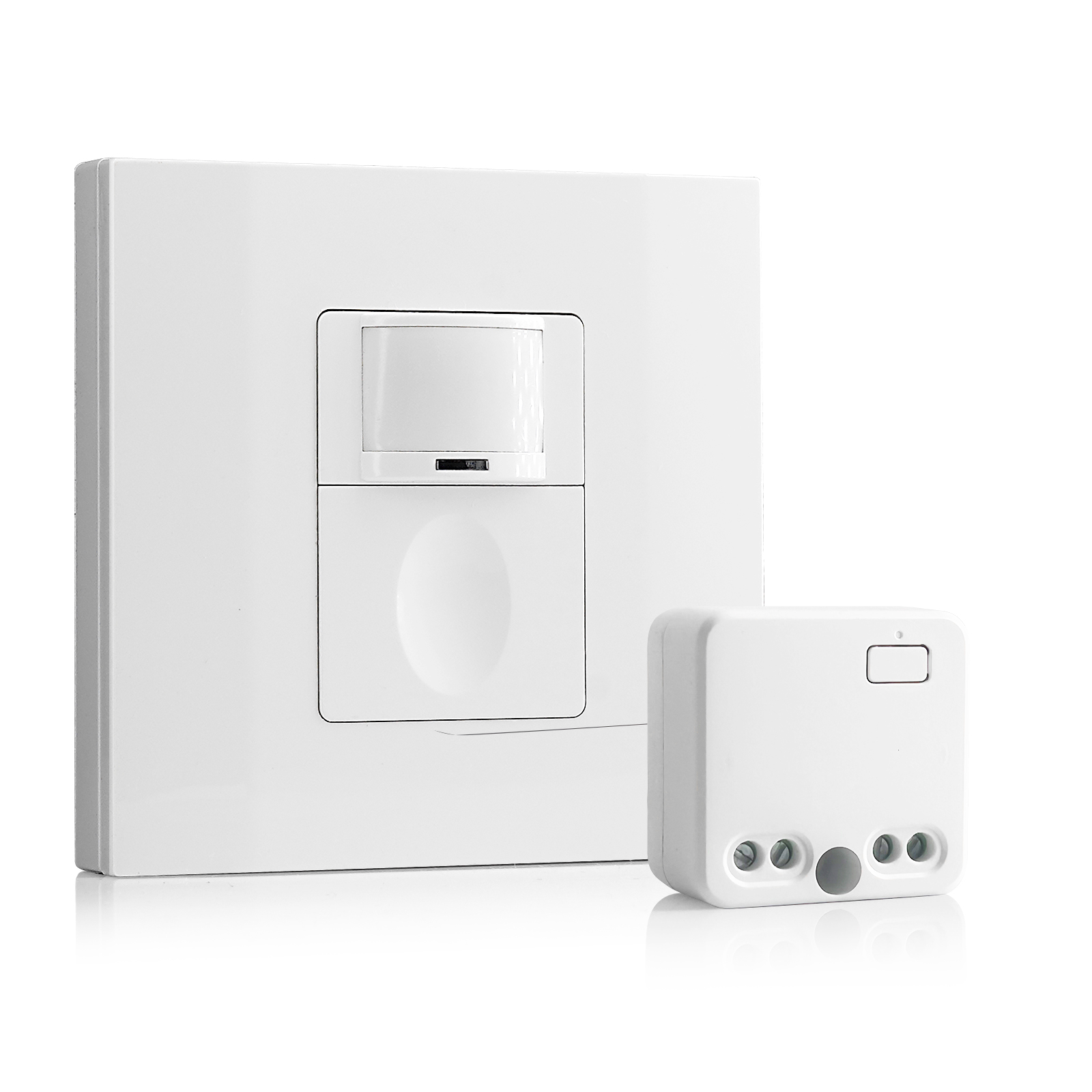
- 100V-230VAC
- Distanza di trasmissione: fino a 20m
- Sensore di movimento wireless
- Controllo cablato
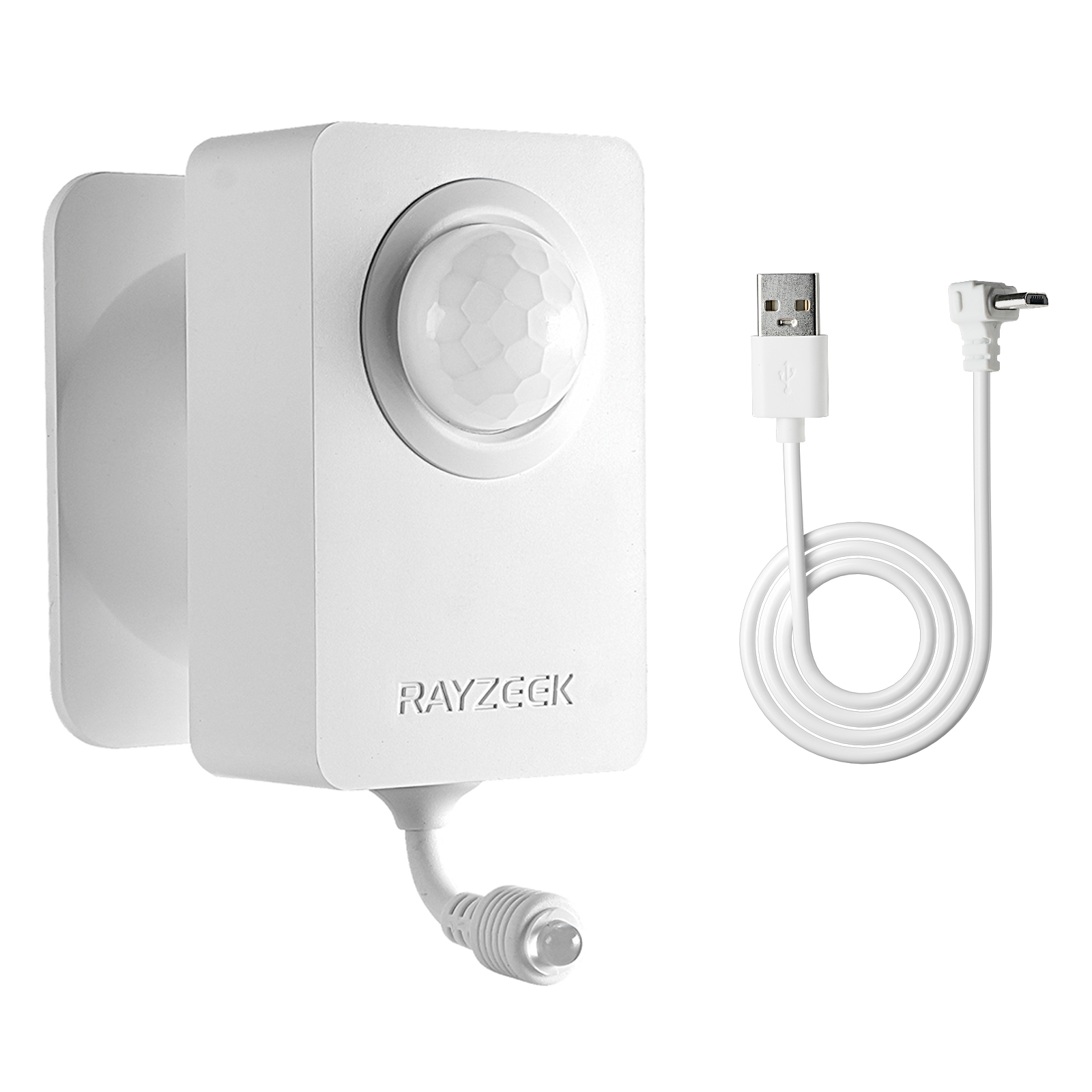
- Tensione: 2 batterie AAA / 5 V CC (Micro USB)
- Modalità Giorno/Notte
- Ritardo di spegnimento: 15 min, 30 min, 1 h (predefinito), 2 h
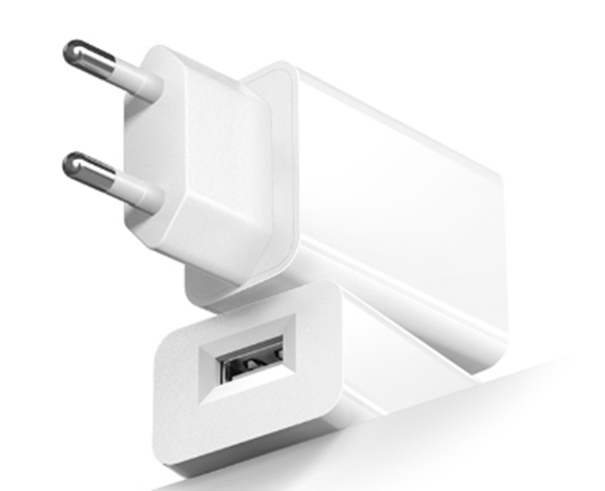
- Adattatore di alimentazione con spina UE
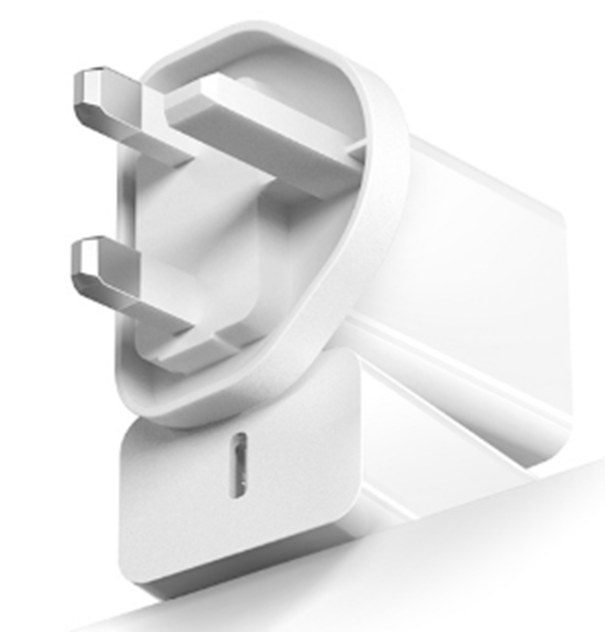
- Adattatore di alimentazione con spina per Regno Unito
Frequently Asked Questions
What Is the Difference Between a 1 Way and 3-Way Light Switch
The distinction between a 1-way and 3-way light switch lies in the number of terminals and the absence of on/off markings on the toggle of the three-way switch. This absence is due to the fact that the two different positions on the toggle divert the power source between the two loads.
What Does a Three-Way Switch Look Like
A helpful method for recognizing a three-way switch is to examine the switch’s body and count the number of screw terminals. A three-way switch typically has three terminal screws, along with a ground screw. Among these terminals, two are light in color, either bronze or copper, and are referred to as travelers.
Do LED Lights Work With 3 Way Switches
A standard 3-way switch is compatible with LED lights, although it may be necessary to use a specific type of switch based on the LED lights installed.
Are Black and Red Wires Both Hot
Black wires are typically used as hot wires that connect the electrical outlet to the switch. On the other hand, red wires are commonly used as hot wires in situations where a 240-volt outlet is present or when a wall switch is used to control the outlet. It is important to note that blue and yellow wires are also considered hot wires, specifically for ceiling fans and three- or four-way switches. Lastly, neutral wires are represented by white or gray electrical wires.
How Do You Tell Which Wire Is Hot When Both Are Black
Use a test lamp, which is essentially a light bulb with two wires extending from the holder. To determine which wire is hot when both are black, simply connect one lamp wire to one of the black wires and the other lamp wire to the ground wire. If the bulb illuminates, it indicates that the wire is hot.
What Happens When You Wire a 3 Way Switch Wrong
The light may fail to turn on or off, or there is a possibility that the circuit breaker will trip due to a short circuit, depending on the incorrect wiring of the 3-way switch.







