

What is Three Way Light Switch
A three-way light switch, also known as a three-pole switch, is a type of switch commonly used in the lighting industry. It allows users to control a centrally located light fixture from different sides of a room or from the upper and lower ends of a stairway. Unlike single-pole switches, three-way switches do not have “OFF” or “ON” markings because their function depends on the position of the other switch in the setup.
A three-way light switch setup consists of two individual switches that resemble single-pole switches. These switches work in conjunction with each other to control the flow of electrical current to the light fixture. When both switches are in the same position (either up or down), the circuit is complete, and the light turns on. However, when the switches are in opposite positions, the circuit is interrupted, and the light turns off.
¿Busca soluciones de ahorro de energía activadas por movimiento?
Contáctenos para obtener sensores de movimiento PIR completos, productos de ahorro de energía activados por movimiento, interruptores con sensor de movimiento y soluciones comerciales de presencia/ausencia.
The purpose of a three-way light switch is to provide convenience and flexibility in controlling a light source from multiple locations. This is particularly useful in situations where it may be inconvenient to access the light switch from only one side of a room or when there are multiple entry points to a space. By installing a three-way switch setup, users can easily turn on or off the light from different sides of the room or from different levels of a stairway.
Quizás le interese

- Sensor de presencia PIR para montaje en techo con salida de relé de contacto seco
- Alimentación de bajo voltaje de 12/24VDC o 12/24VAC
- Contactos de relé aislados COM, NO y NC para entradas de EMS, HVAC y control de edificios

- Interruptor sensor de movimiento por microondas empotrable en techo de bajo voltaje DC
- Entrada de 12 VDC / 24 VDC con rango de 10-30 VDC
- Corriente de funcionamiento máxima de 10A con retardo de tiempo, umbral de Lux y sensibilidad ajustables
- Interruptor sensor de movimiento por microondas empotrable en techo para cargas más altas
- Entrada de voltaje de línea de 100-265 VAC, modelo de 10A
- Detección por microondas de 5.8 GHz con retardo de tiempo, umbral de Lux y sensibilidad ajustables
- Interruptor sensor de movimiento por microondas empotrable en techo
- Entrada de voltaje de línea de 100-265 VAC, modelo de 5A
- Detección por microondas de 5.8 GHz con retardo de tiempo, umbral de Lux y sensibilidad ajustables
- Dimmer sensor de presencia PIR RZ037 para montaje en techo para alimentación de 220V
- Corriente de funcionamiento máxima de 3A con carga nominal de 660W
- El botón LUX controla el encendido/apagado del sensor de luz y el brillo de regulación establecido por el usuario
- Dimmer sensor de presencia PIR RZ037 para montaje en techo para alimentación de 110V
- Corriente de funcionamiento máxima de 3A con carga nominal de 330W
- El botón LUX controla el encendido/apagado del sensor de luz y el brillo de regulación establecido por el usuario

- Interruptor de sensor de movimiento por microondas de techo de CC de bajo voltaje
- Entrada de 12 VDC / 24 VDC con rango de 10-30 VDC
- Corriente de funcionamiento máxima de 10A con retardo de tiempo, umbral de Lux y sensibilidad ajustables
- Interruptor de sensor de movimiento por microondas de techo para cargas más altas
- Entrada de voltaje de línea de 100-265 VAC, modelo de 10A
- Detección por microondas de 5.8 GHz con retardo de tiempo, umbral de Lux y sensibilidad ajustables
- Interruptor de sensor de movimiento por microondas de techo
- Entrada de voltaje de línea de 100-265 VAC, modelo de 5A
- Detección por microondas de 5.8 GHz con retardo de tiempo, umbral de Lux y sensibilidad ajustables

- Interruptor de sensor de movimiento PIR de techo empotrado de CC de bajo voltaje
- Entrada de 12 VDC / 24 VDC con rango de 10-30 VDC
- Corriente de trabajo máxima de 10A con retardo de tiempo, umbral de Lux y sensibilidad ajustables

- Interruptor de sensor de movimiento PIR de techo empotrado para cargas más altas
- Entrada de voltaje de línea de 100-265 VAC, modelo de 10A
- Detección de 360 grados con retardo de tiempo, umbral de Lux y sensibilidad ajustables
- Interruptor de sensor de movimiento PIR de techo empotrado
- Entrada de voltaje de línea de 100-265 VAC, modelo de 5A
- Detección de 360 grados con retardo de tiempo, umbral de Lux y sensibilidad ajustables

- Kit de receptor e interruptor inalámbrico para control de iluminación de encendido/apagado en interiores
- Receptor de 100-230VAC, 50/60Hz con corriente nominal de 5A
- Interruptor inalámbrico alimentado por CR2032 con comunicación de 2.4GHz
- Presencia (Encendido automático/Apagado automático)
- 12–24V DC (10–30VDC), hasta 10A
- Cobertura de 360°, 8–12 m de diámetro
- Retardo de tiempo de 15 s–30 min
- Sensor de luz Apagado/15/25/35 Lux
- Sensibilidad Alta/Baja
- Modo de presencia de encendido automático/apagado automático
- 100–265V AC, 10A (requiere neutro)
- Cobertura de 360°; diámetro de detección de 8–12 m
- Retardo de tiempo de 15 s–30 min; Lux APAGADO/15/25/35; Sensibilidad Alta/Baja
- Modo de presencia de encendido automático/apagado automático
- 100–265V CA, 5A (se requiere neutro)
- Cobertura de 360°; diámetro de detección de 8–12 m
- Retardo de tiempo de 15 s–30 min; Lux APAGADO/15/25/35; Sensibilidad Alta/Baja
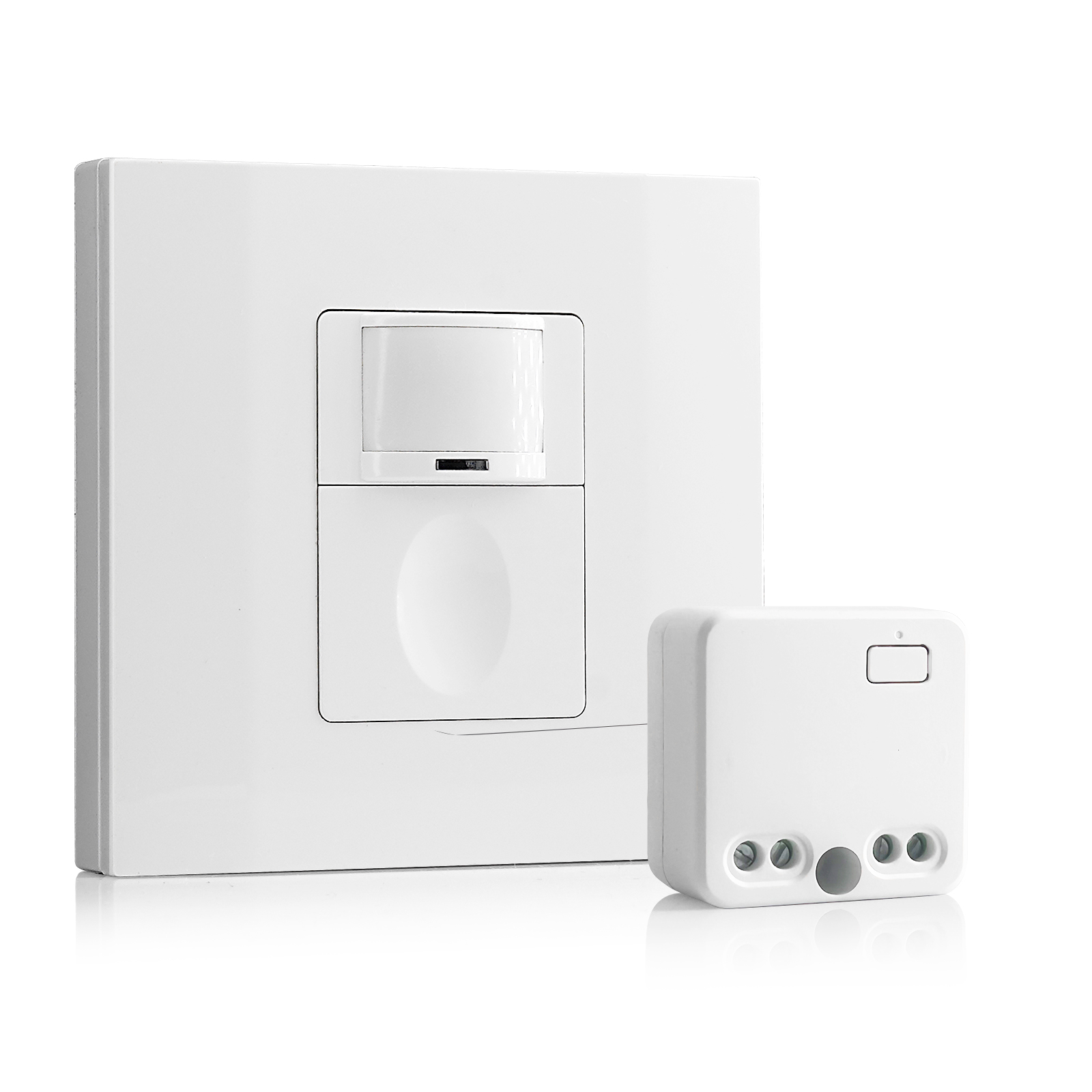
- 100V-230V CA
- Distancia de transmisión: hasta 20 m
- Sensor de movimiento inalámbrico
- Control cableado
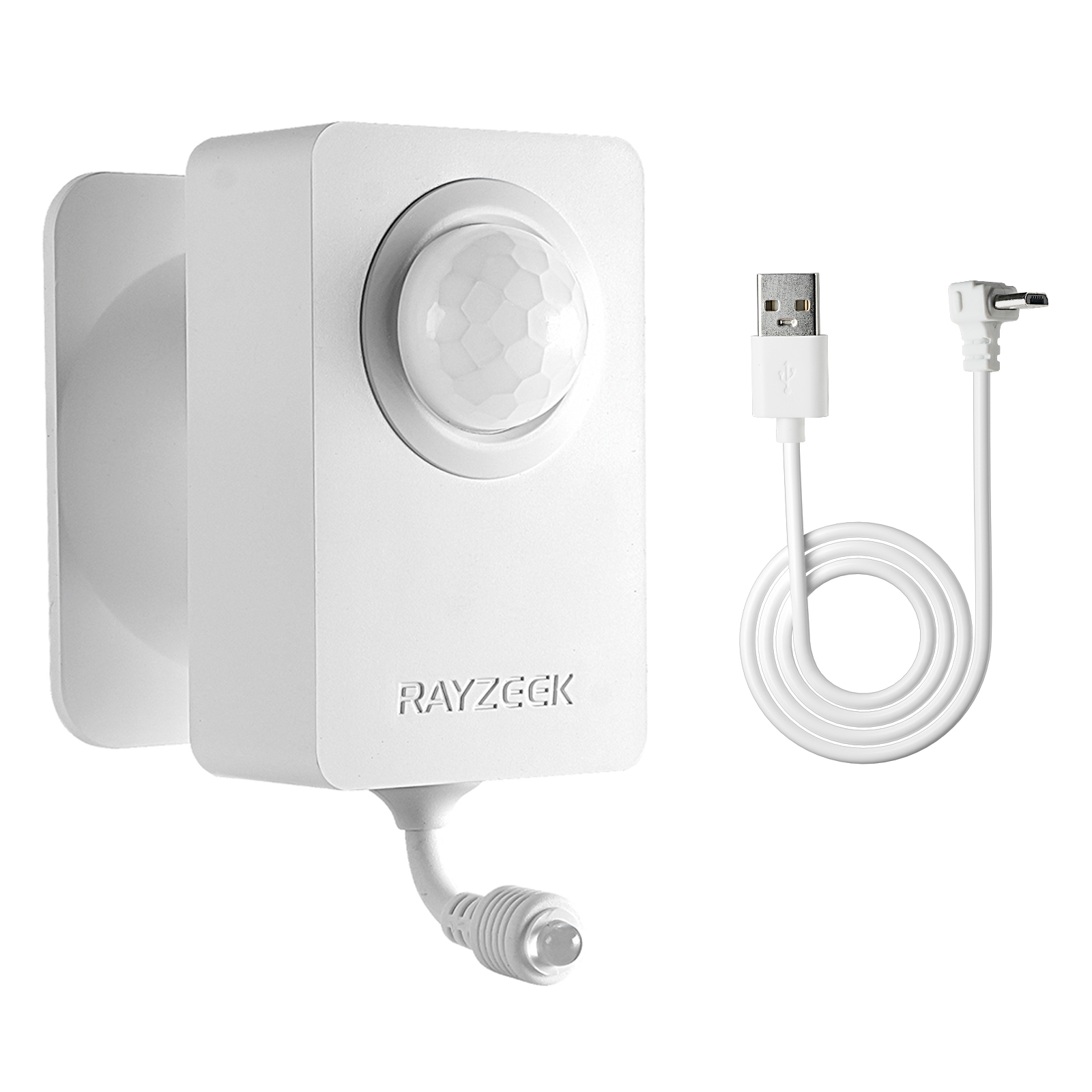
- Voltaje: 2 baterías AAA / 5V CC (Micro USB)
- Modo día/noche
- Tiempo de retardo: 15 min, 30 min, 1 h (por defecto), 2 h
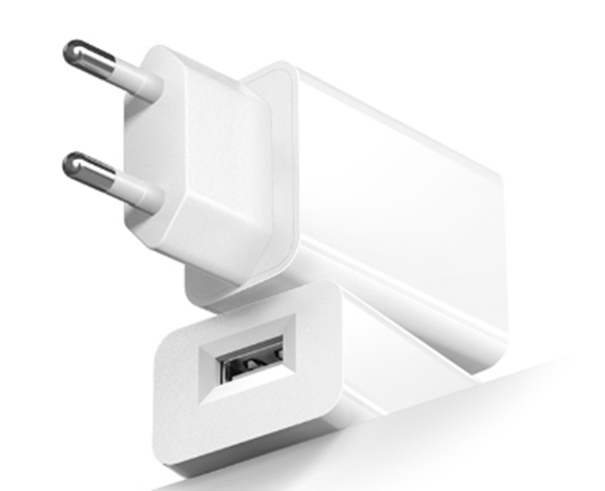
- Adaptador de corriente con enchufe de la UE
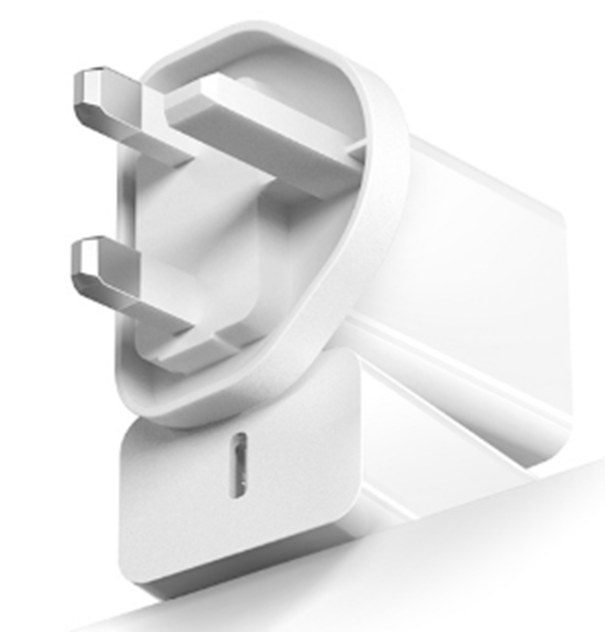
- Adaptador de corriente con enchufe del Reino Unido
Frequently Asked Questions
What Is the Difference Between a 1 Way and 3-Way Light Switch
The distinction between a 1-way and 3-way light switch lies in the number of terminals and the absence of on/off markings on the toggle of the three-way switch. This absence is due to the fact that the two different positions on the toggle divert the power source between the two loads.
What Does a Three-Way Switch Look Like
A helpful method for recognizing a three-way switch is to examine the switch’s body and count the number of screw terminals. A three-way switch typically has three terminal screws, along with a ground screw. Among these terminals, two are light in color, either bronze or copper, and are referred to as travelers.
Do LED Lights Work With 3 Way Switches
A standard 3-way switch is compatible with LED lights, although it may be necessary to use a specific type of switch based on the LED lights installed.
Are Black and Red Wires Both Hot
Black wires are typically used as hot wires that connect the electrical outlet to the switch. On the other hand, red wires are commonly used as hot wires in situations where a 240-volt outlet is present or when a wall switch is used to control the outlet. It is important to note that blue and yellow wires are also considered hot wires, specifically for ceiling fans and three- or four-way switches. Lastly, neutral wires are represented by white or gray electrical wires.
How Do You Tell Which Wire Is Hot When Both Are Black
Use a test lamp, which is essentially a light bulb with two wires extending from the holder. To determine which wire is hot when both are black, simply connect one lamp wire to one of the black wires and the other lamp wire to the ground wire. If the bulb illuminates, it indicates that the wire is hot.
What Happens When You Wire a 3 Way Switch Wrong
The light may fail to turn on or off, or there is a possibility that the circuit breaker will trip due to a short circuit, depending on the incorrect wiring of the 3-way switch.







