
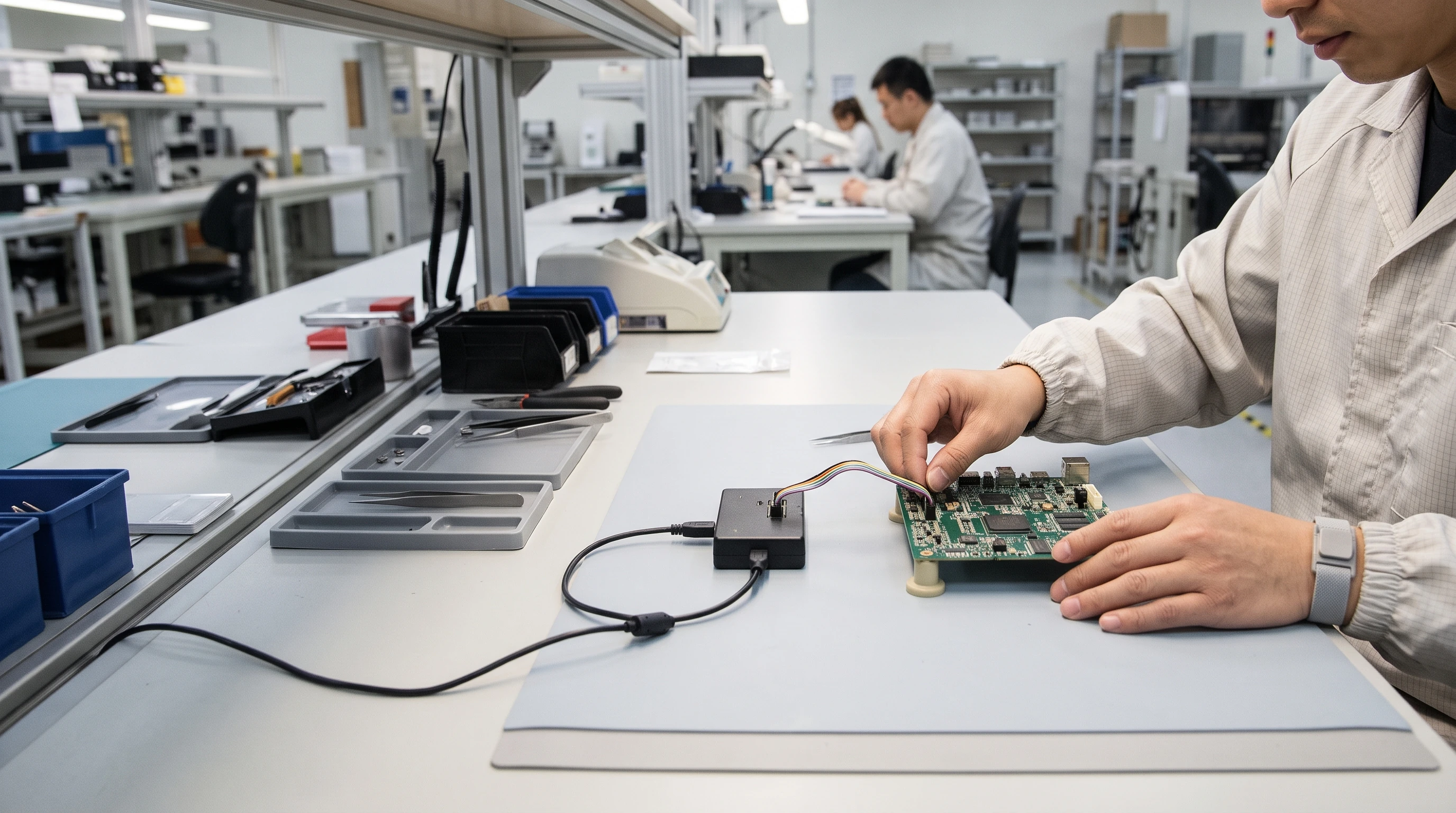
IC Programming & Firmware Loading.
Customer-provided firmware loaded as part of your PCB assembly order. One manufacturing partner for the board, the release and the checks agreed for your build.
Your hardware.
The right release.
We provide IC programming and firmware loading alongside PCB assembly, loading your approved release into the devices specified for the build. Your hardware revision, released files and configuration instructions define the operation; the target and available access determine the programming setup.
Bring your device details, approved files and any existing setup instructions. We confirm the device and tool requirements, agree the loading and checking procedure, and coordinate the work with assembly. From initial samples to repeat production, your team has a clear handoff for the release intended for each build.
Define the Release Before the Build.
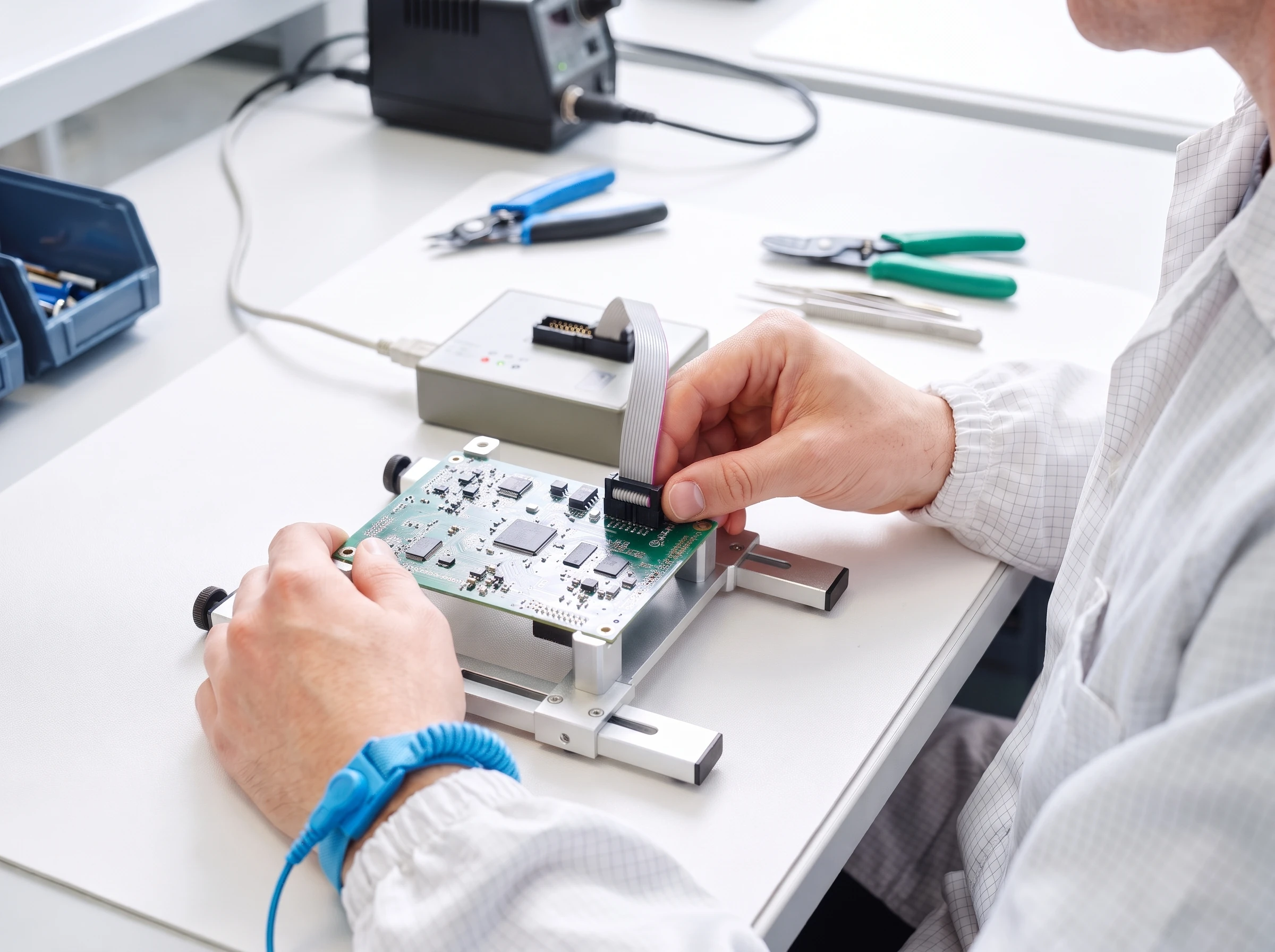
Programming starts with a defined release. We connect the device, hardware revision, approved files and configuration with the loading procedure and verification required for your order.
01
The Device & Programming Route
The Device & Programming Route
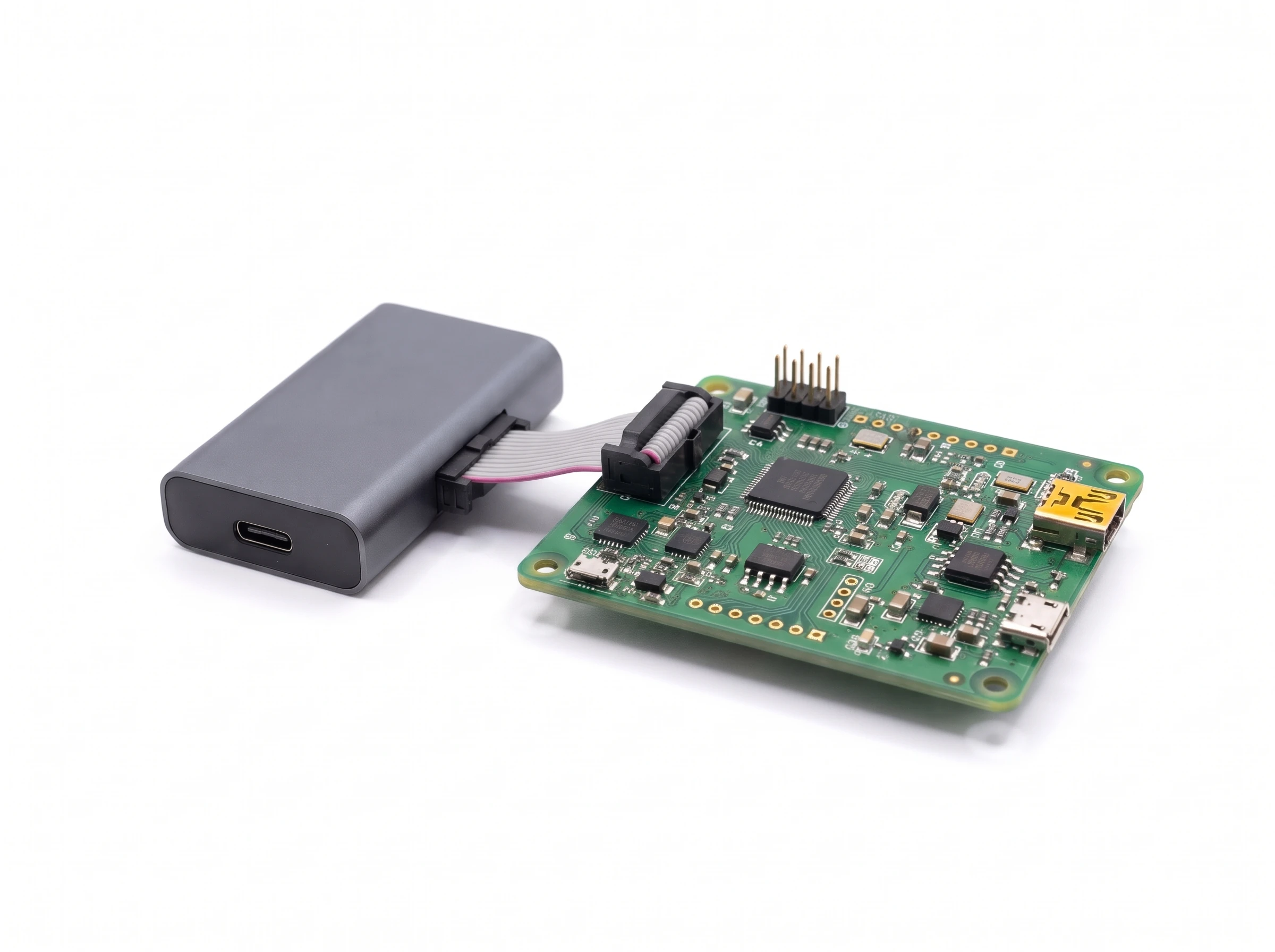
Share the exact device part number and package, board revision and available connection. We confirm the loading arrangement for that target and the tooling it requires. Device support, access, power and setup instructions provide the basis for defining the programming operation within your assembly order.
02
Approved Files & Configuration
Approved Files & Configuration
We work from the programming files your team approves for the order. Identify the release version and hardware variant, with address or memory-range information where needed and explicit configuration settings. If several images form the release, provide their intended relationship and loading instructions together.
03
Verification & Operating Checks
Verification & Operating Checks
The agreed programming procedure defines how the loaded content is checked. A separate start-up or functional test can verify selected operating behaviour. We establish the applicable method, expected responses and pass conditions with you, keeping the programming result distinct from the wider functions being tested.
04
Variants, Unique Data & Changes
Variants, Unique Data & Changes
Identify which approved release belongs to each hardware variant and flag a change when files or settings are revised. That keeps the intended content clear for the order. If you need per-unit data, raise it separately so serialization, allocation, retry handling and any required records can be assessed as an additional scope.
Connect the Release With the Board.
IC programming is coordinated with the physical assembly. The component, board revision, released image, setup and selected operating checks all need to describe the same build.
The Target on Your Board
The full part number and package identify the target to program. We use those details to confirm the applicable tooling and setup for your order. A device family name alone does not define every connection or programming requirement.
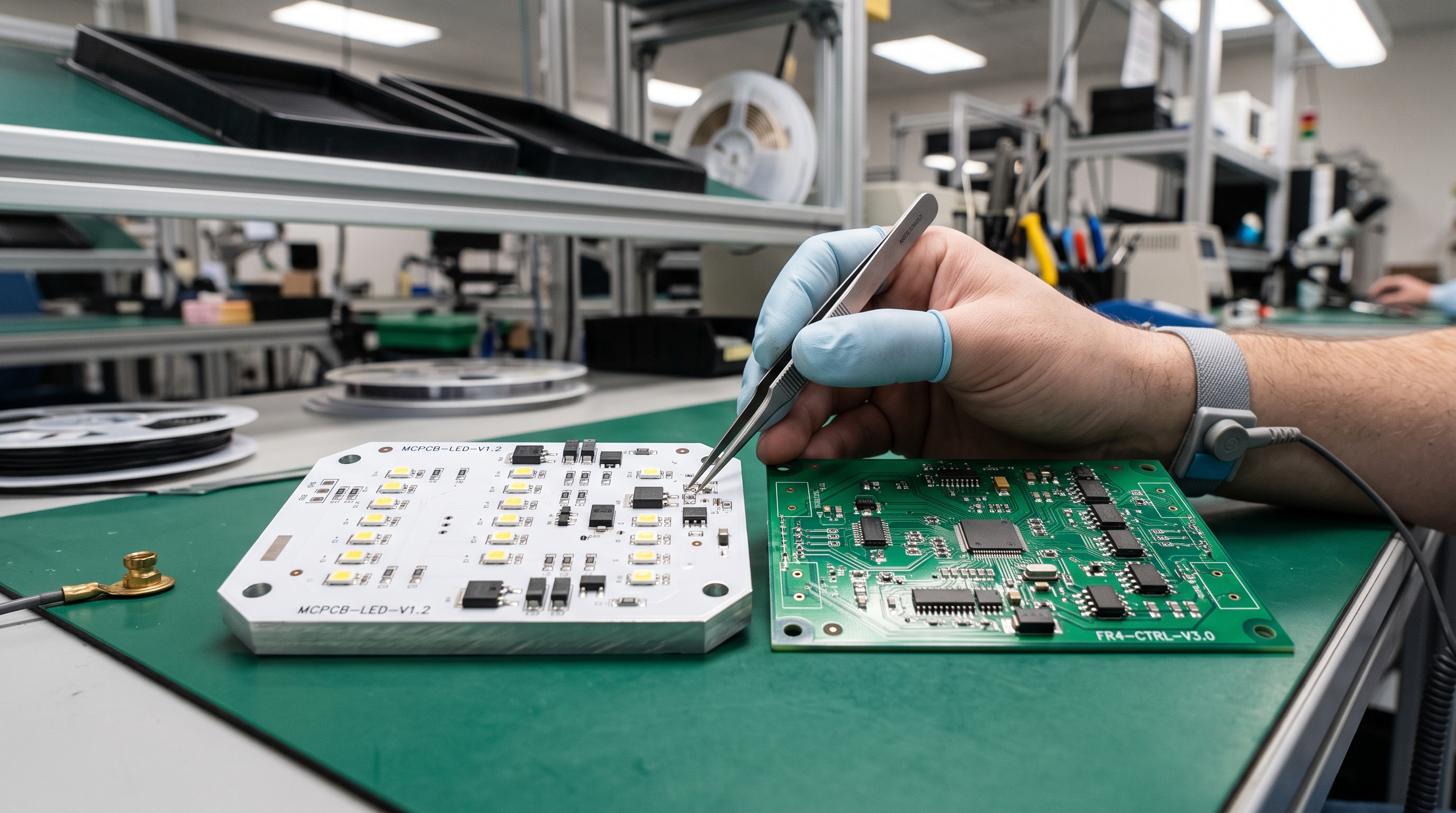
Board Revision & Variant
Associate the approved firmware with a named hardware revision and variant. Our assembly scope includes FR-4 and aluminum-core boards with single-sided component mounting, with programming planned for the specific device and build.
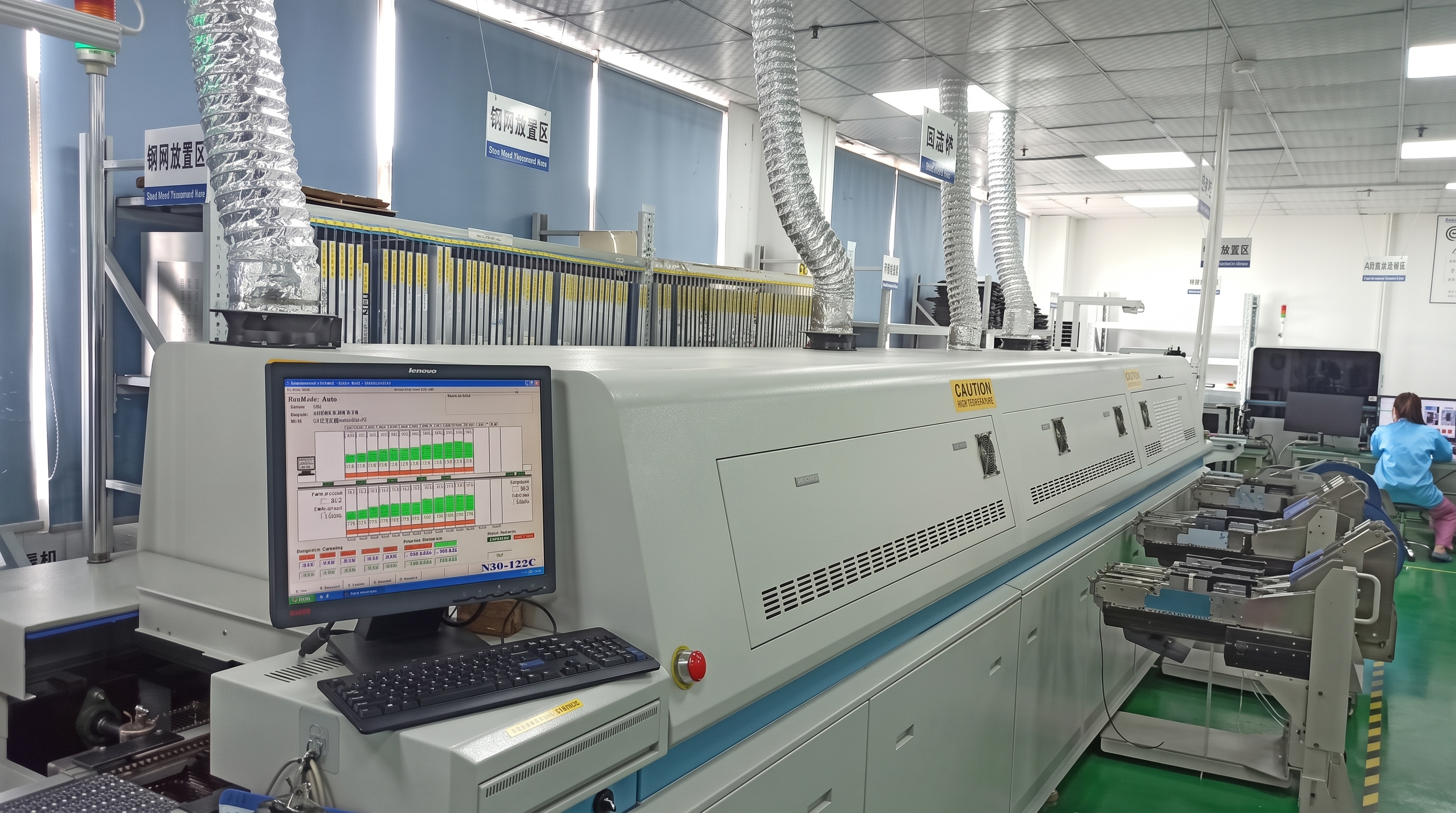
Assembly & Release Timing
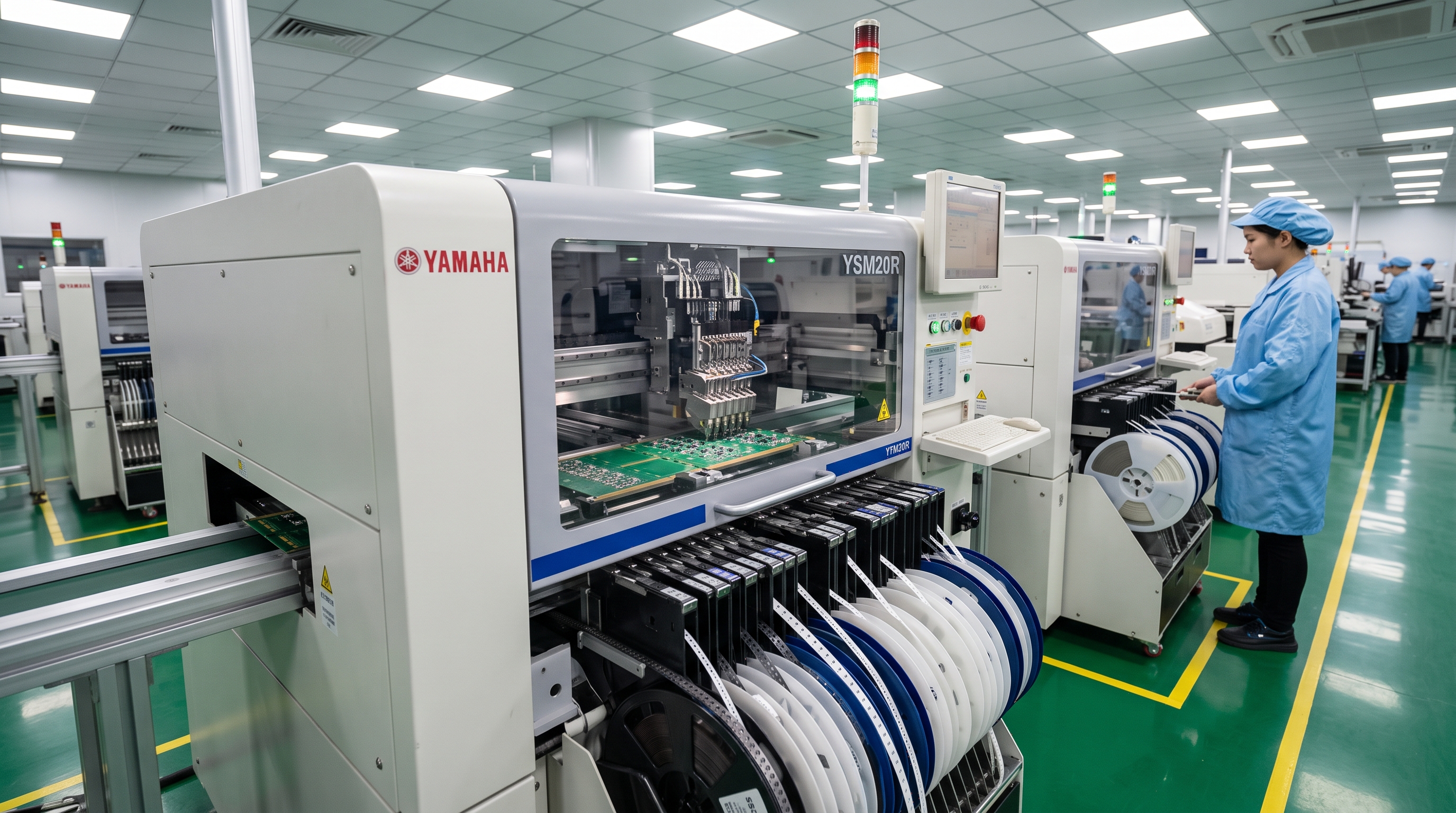
We plan the loading operation alongside component handling, placement and soldering. The device and agreed programming method determine the sequence, so the approved release and setup are ready for the relevant stage of the order.
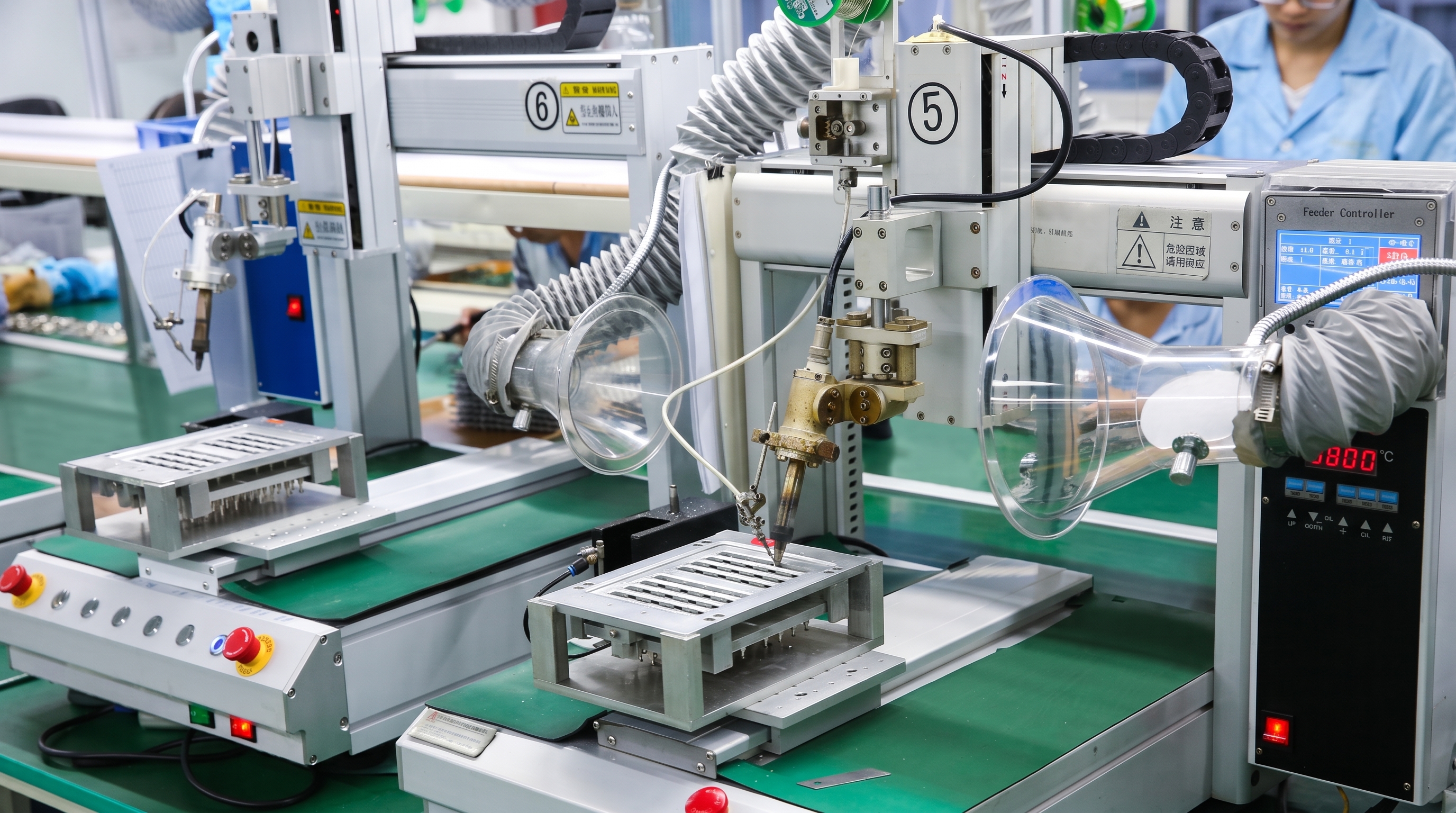
Connection & Access
A repeatable loading setup needs a defined connection and operating state. Share the pinout, power and any reset or boot instructions, along with existing cables or setup information, so the programming arrangement can be confirmed for your board.
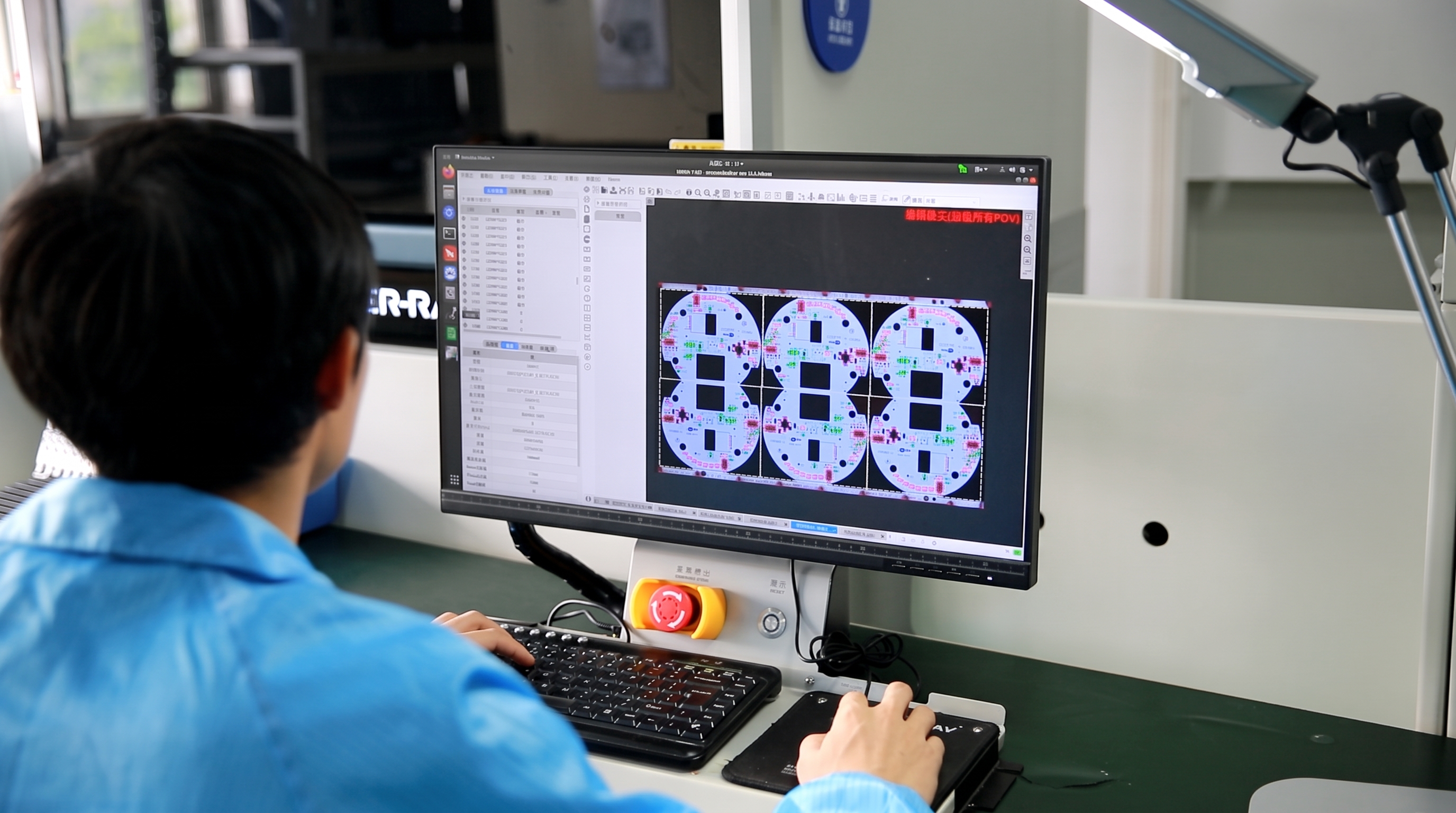
Inspection & Programming Results
First-article review and AOI examine physical assembly workmanship. Programming verification checks the loaded content using the applicable method. We define these checks separately so each result has a clear purpose within the build.
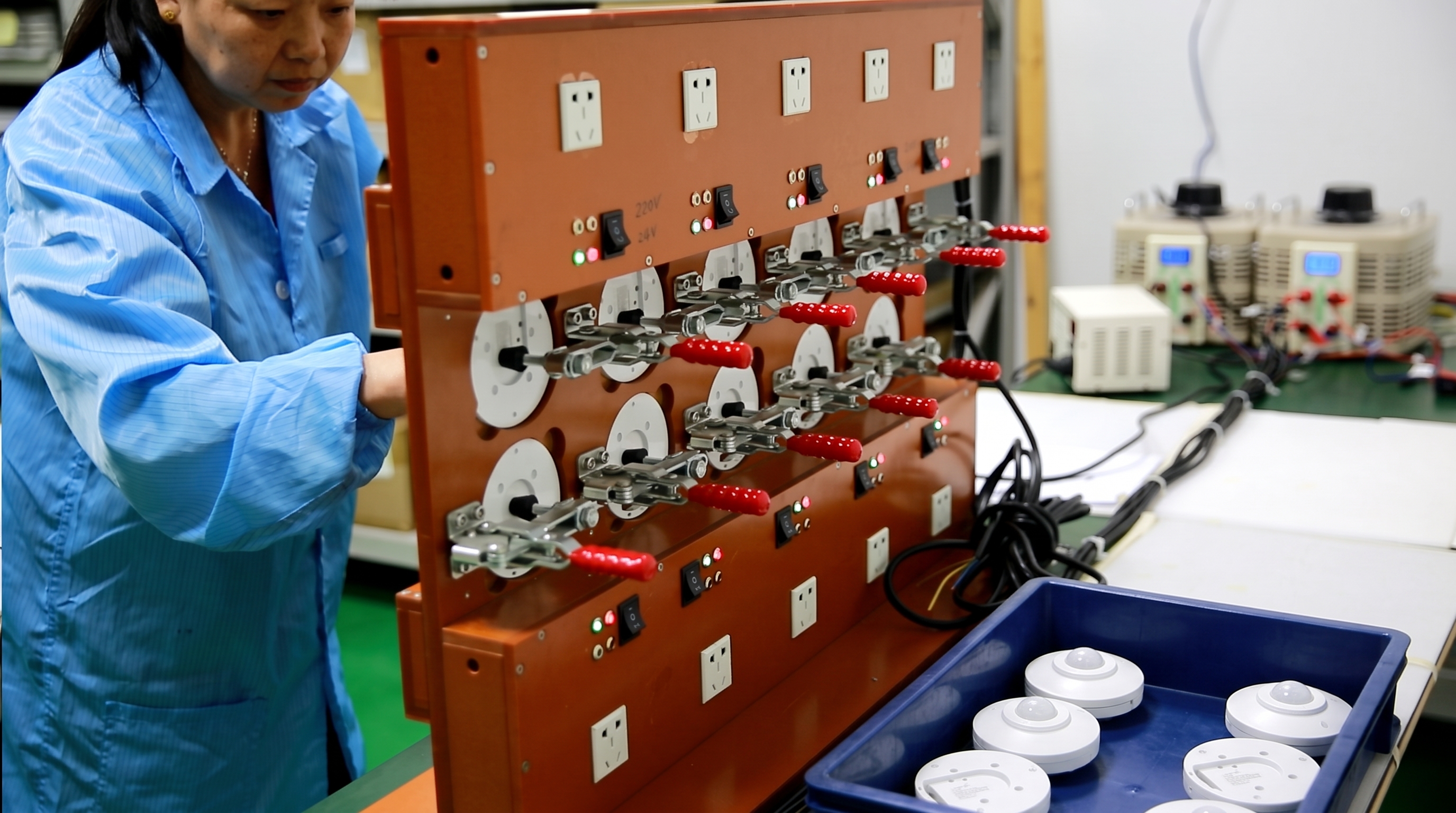
Selected Functional Checks
Electrical and functional checks complement the programming operation where specified for the order. A start-up indication or version response verifies a selected observation; wider operating checks follow a defined procedure and pass conditions.
The Assembly Around Your Firmware.
Your released firmware belongs to a physical assembly. Our surface-mount, through-hole, soldering and inspection operations provide the manufacturing context for coordinating the programming work with your board.

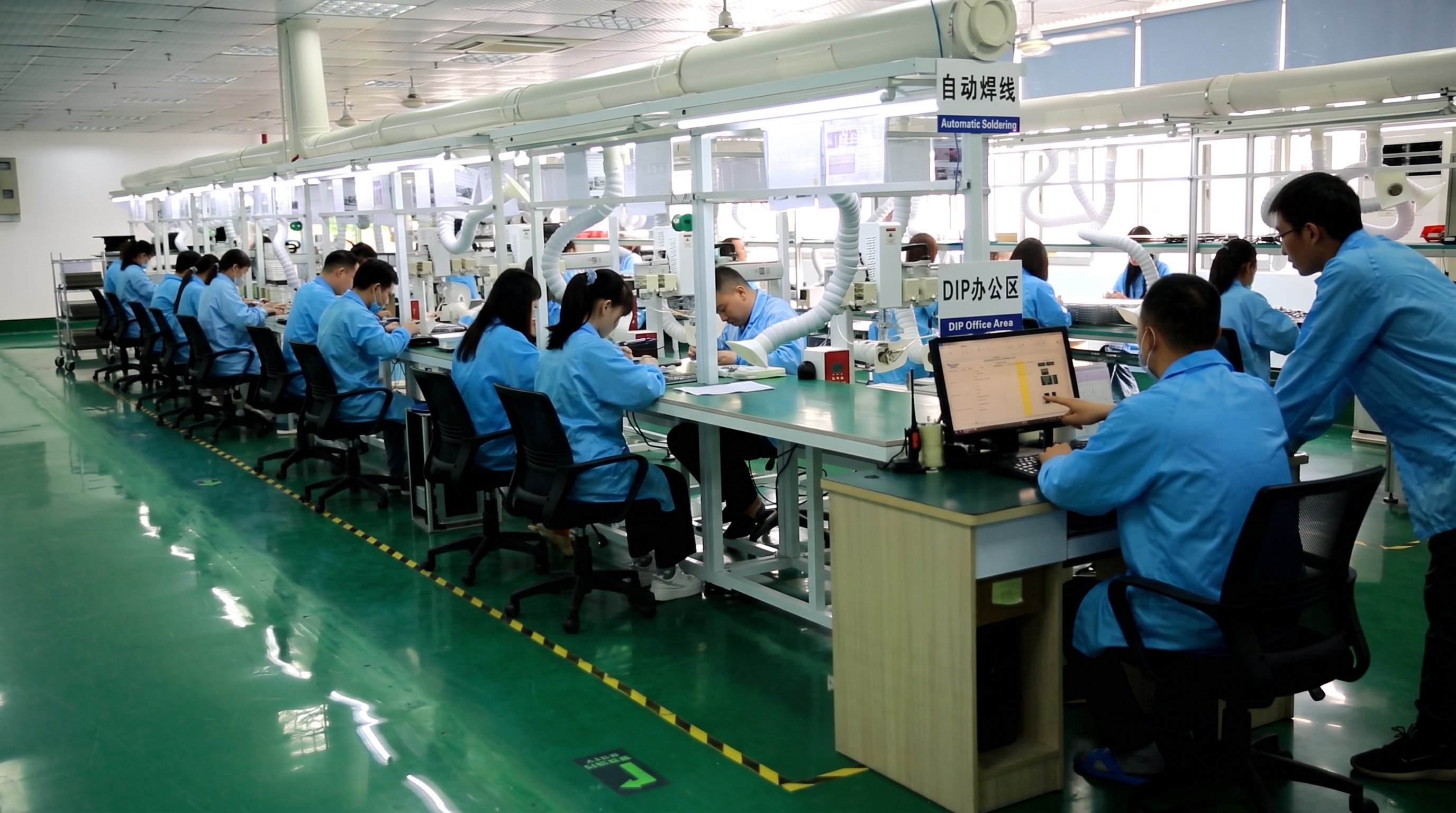
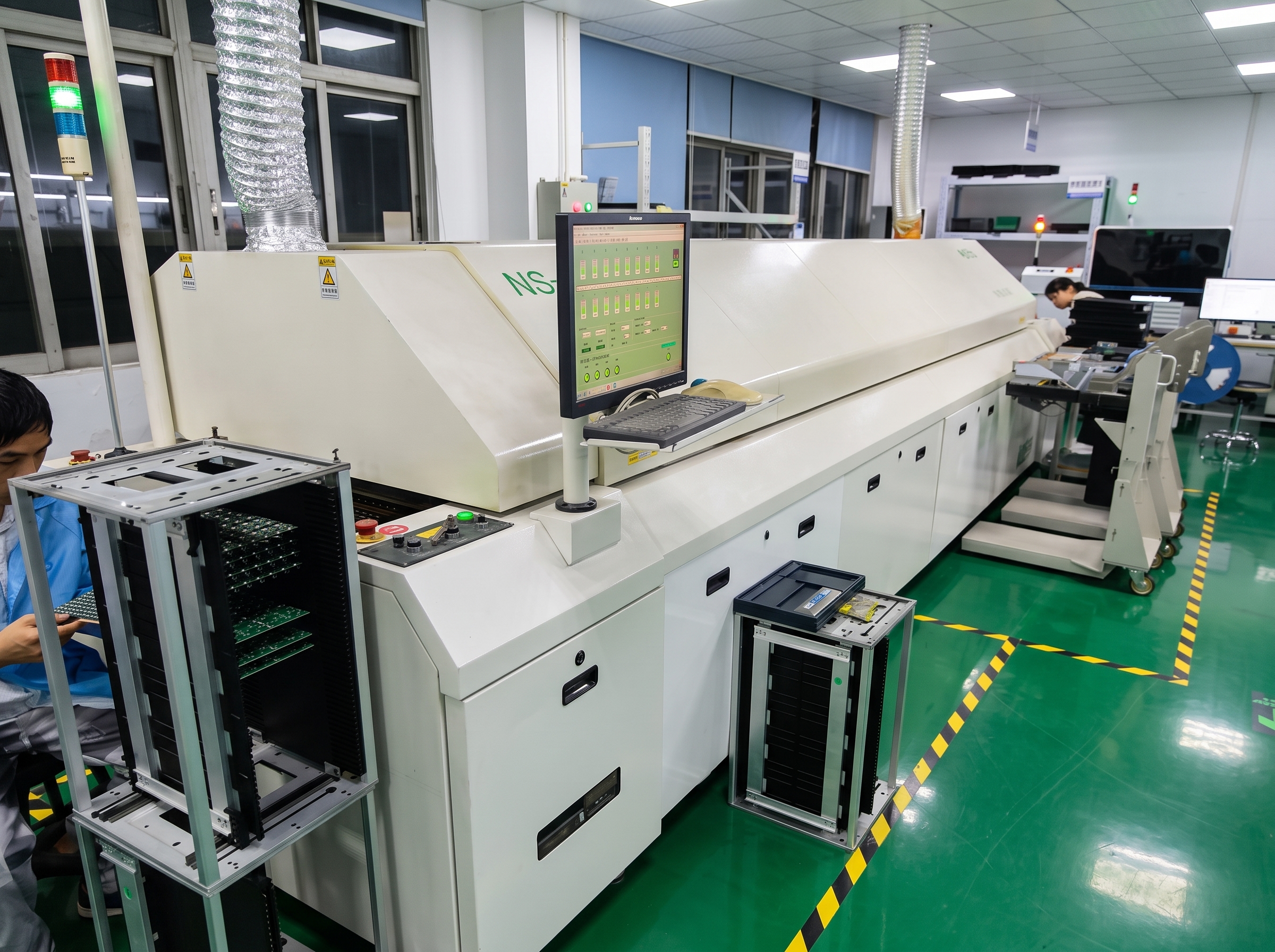
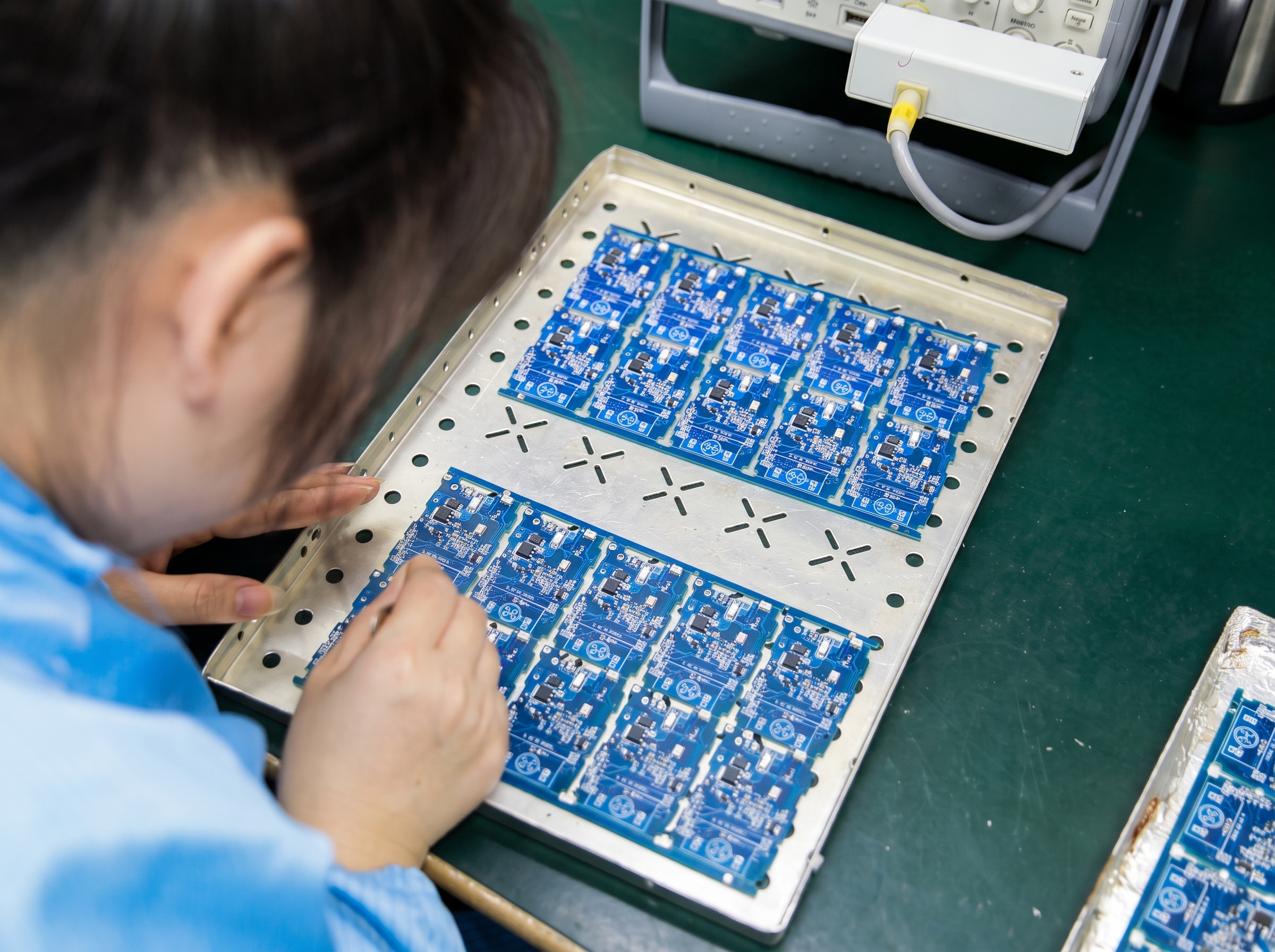
Surface-Mount Assembly Lines
The BOM and placement information identify the parts assembled onto the board. For a programmable device, its exact part number and hardware revision also belong in the release request.
Through-Hole & Mixed Assembly
Connectors and other leaded parts complete mixed assemblies. Where a board connection is intended for programming or operating checks, its pinout and setup requirements need clear instructions.
Lead-Free Reflow Soldering
Surface-mount placement and lead-free reflow create the soldered assembly. The programming step has an agreed place in the manufacturing sequence, based on the device, loading method and access requirements.
First-Article & Inspection Review
First-article review and optical inspection check physical assembly workmanship. Programming verification and the selected operating checks are separate parts of the requested completion scope.
 Your quality requirements
 Assembly workmanship
 Component handling requirements
 Material documentation needs
 Board material requirements
 Your product conformity needs
 Your emissions test requirements
The Release Behind Your Electronics.
For product designs with programmable devices, we bring firmware loading into the assembly order. The approved release, hardware variant and selected operating checks define the requirements for each actual board.
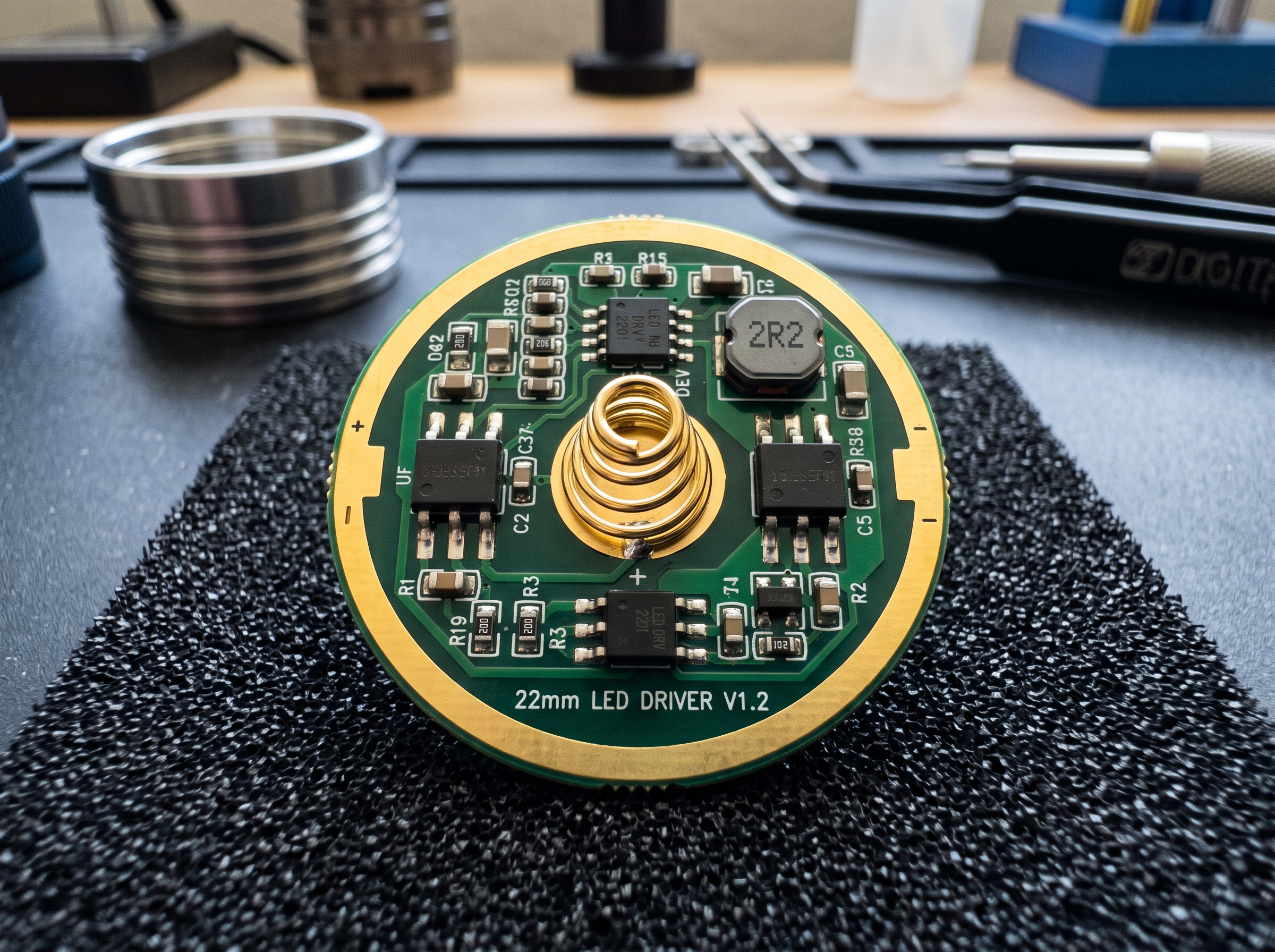
Portable Lighting Driver Boards
Flashlights · Headlamps · Tactical & Work Lights
Portable Lighting Driver Boards
If a driver design uses firmware for operating modes, identify the target and the release associated with the board revision. Define the mode or start-up observations requested for the completed assembly.
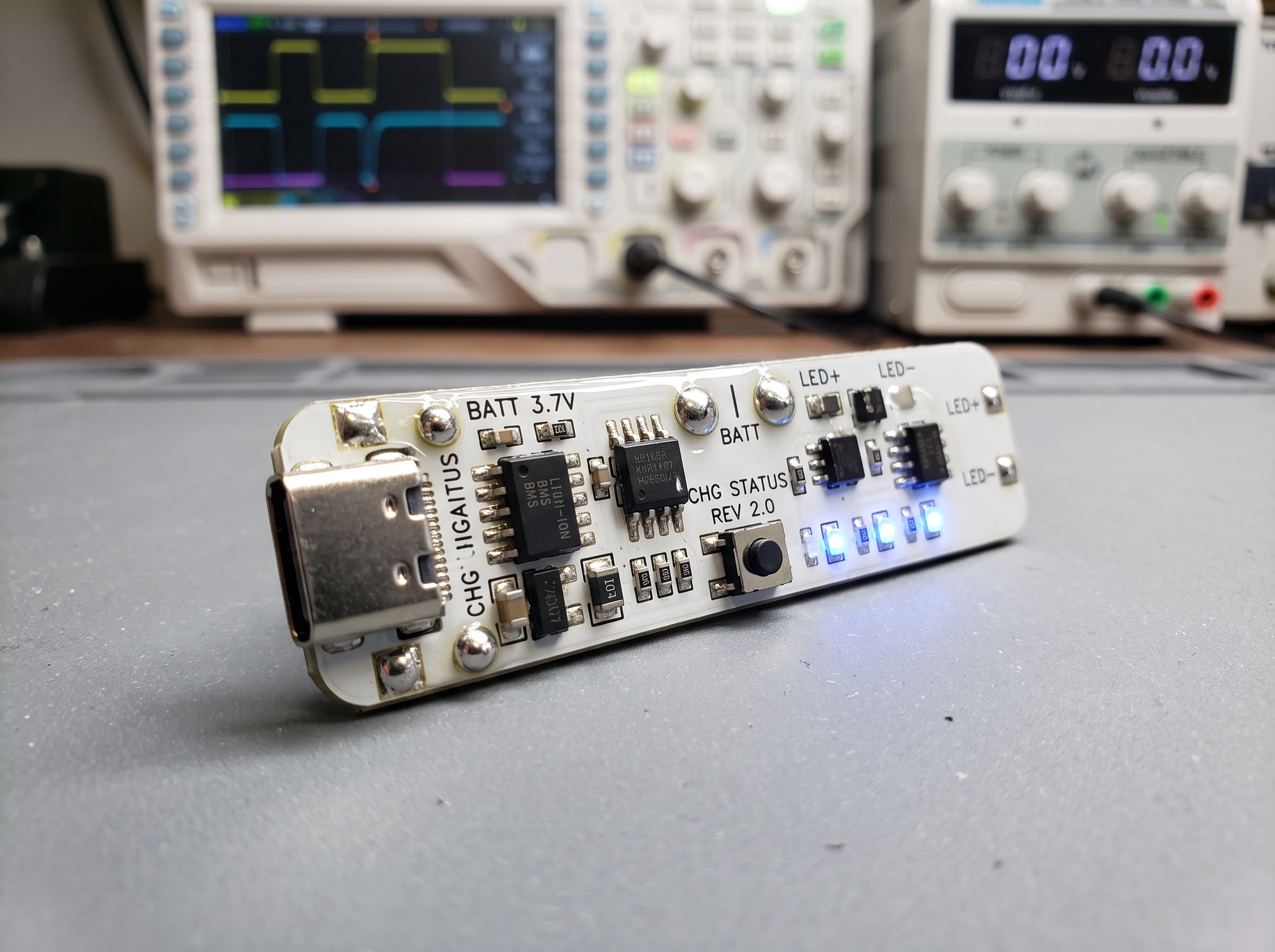
Battery & USB-C Charging Boards
Bicycle Lights · Portable Lanterns · Battery Packs
Battery & USB-C Charging Boards
For a programmable charging or power-control design, connect the approved image and settings with the intended hardware. Specify any separate electrical or functional checks the order needs.
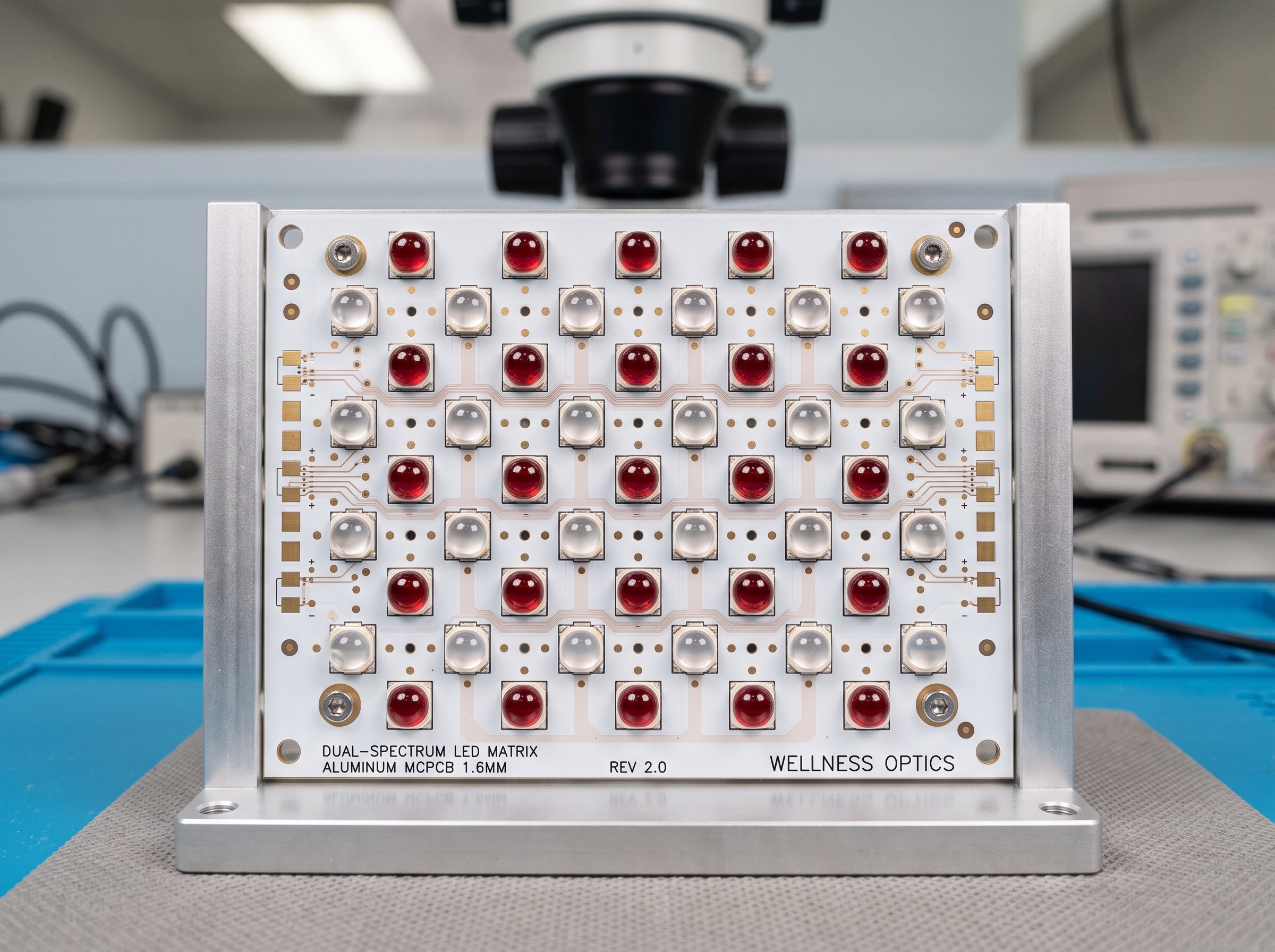
Beauty & Phototherapy LED Arrays
Red / NIR Masks · Therapy Panels · Handheld Applicators
Beauty & Phototherapy LED Arrays
Where array-control electronics use programmable devices, identify the hardware variant and released files. Operating modes, timing and interface behaviour require their own agreed checking instructions.
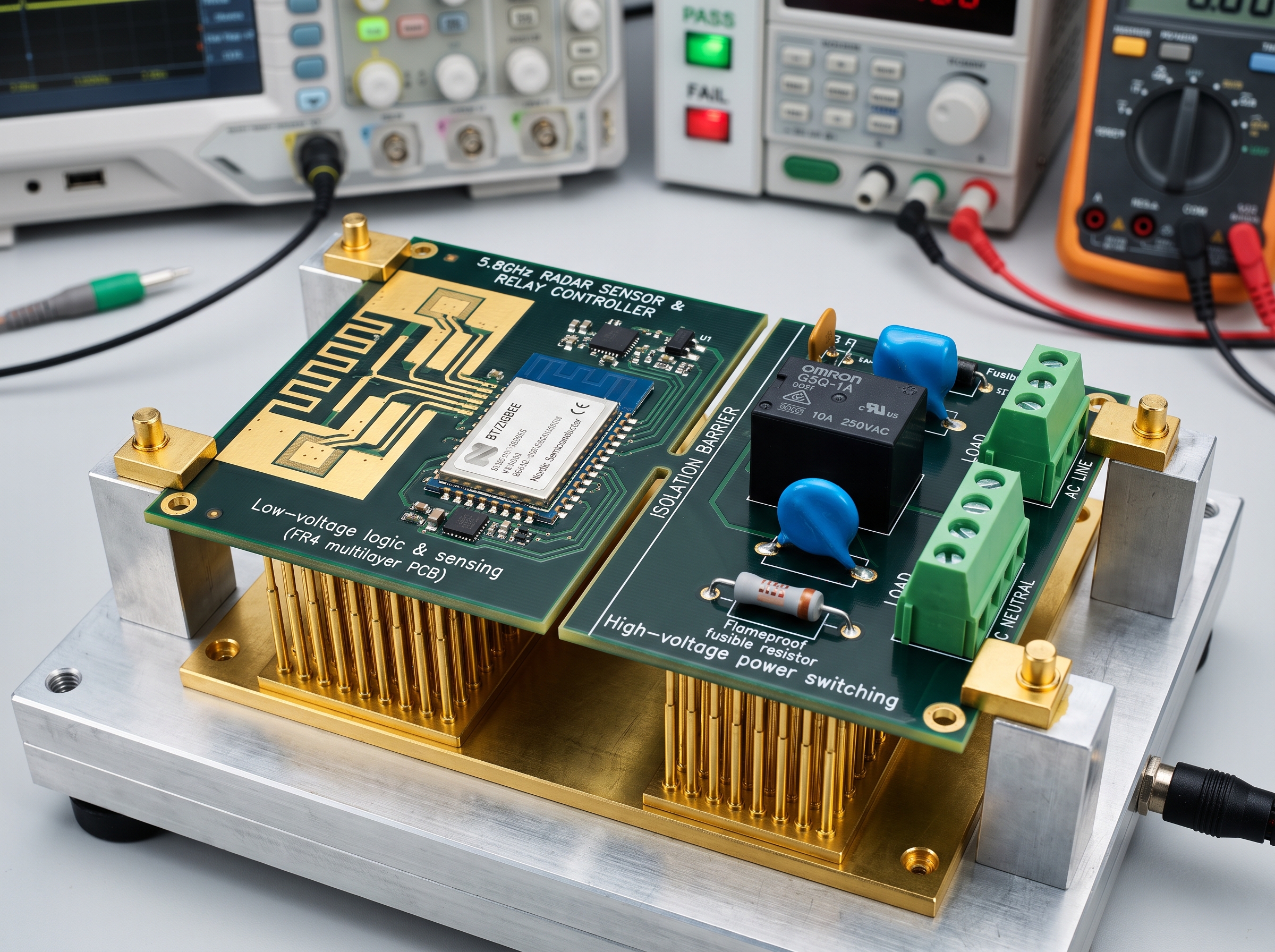
Occupancy Sensor & Control Boards
Wall Switches · Ceiling Detectors · Daylight Dimmers
Occupancy Sensor & Control Boards
If the sensor or control board uses customer firmware, identify its target, release and connection. Programming verification and product-level sensing behaviour are separate checking questions.
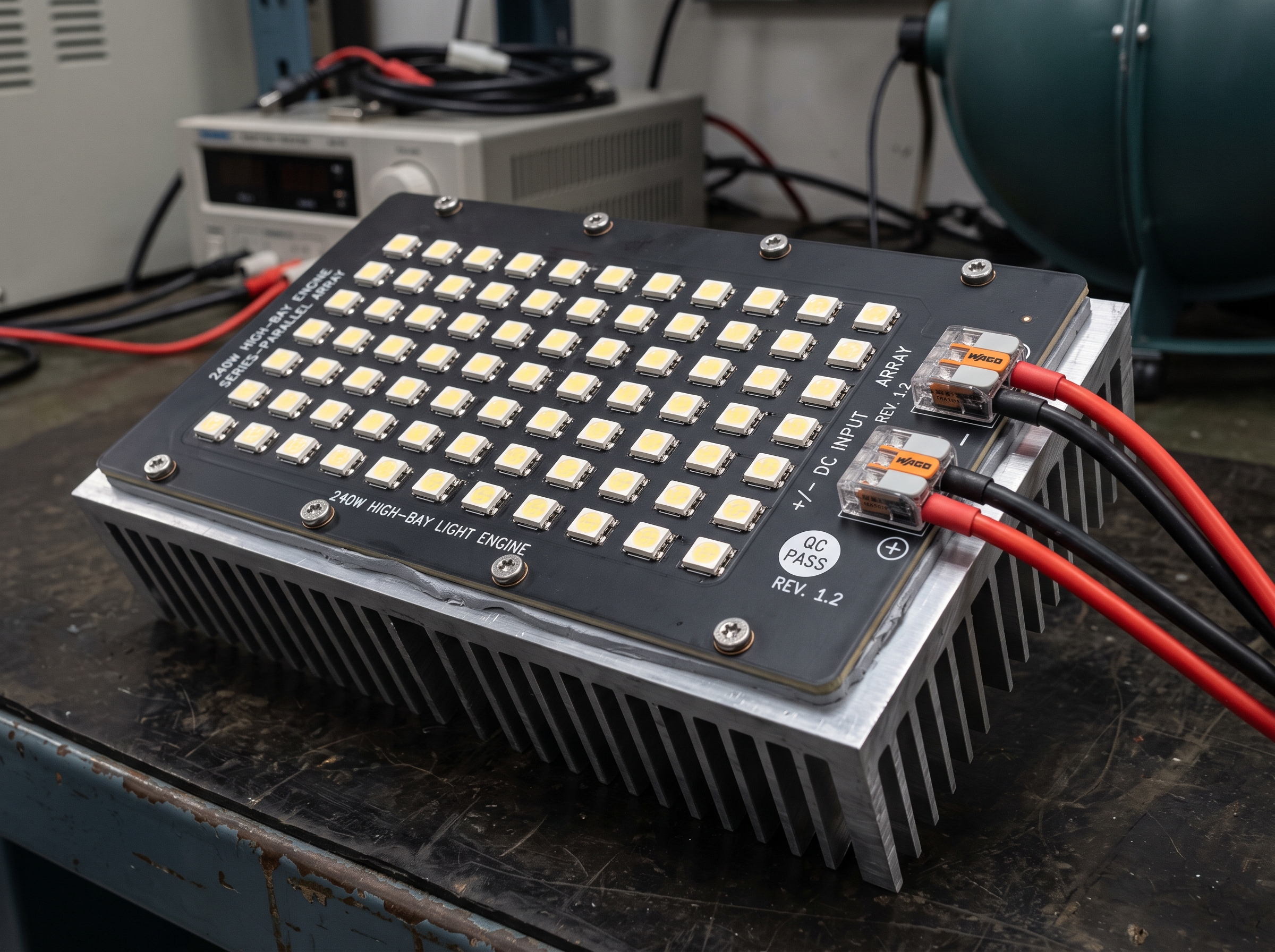
High-Power MCPCB Light Engines
High-Bay Luminaires · Floodlights · Grow Lights
High-Power MCPCB Light Engines
Where a light engine includes programmable control electronics, make the board variant and image relationship explicit. Device and tool support must be established before planning the loading operation.
A Defined Target. A Clear Release.
From approved files to programmed devices, we coordinate the release handoff with assembly. Confirm the target and setup, identify the intended content and define the checks before the programming work begins.
Confirm the Target
Share the exact device, package, board revision and available access. We confirm the tooling and loading arrangement for the order.
Identify the Release
Bring the approved artifacts, addresses where needed and configuration instructions. Associate each release with the intended hardware.
Program the Devices
We load the approved content using the agreed setup and sequence. Revised releases and any additional data requirements need explicit instructions.
Verify & Complete
The agreed verification and any separate operating checks establish the results required for the order, with exceptions resolved through the build discussion.
Manufacturing Experience. Colaboración directa.
Long-term Fortune Global 500 supplier relationships and demanding customer audits are part of our factory’s experience. We connect IC programming with the assembly work, keeping your release requirements in the same manufacturing conversation.
Long-term supplier to Fortune Global 500 customers.
Enterprise relationships sit alongside prototype, pilot and repeat production. Your board and release requirements are part of a working relationship that can continue as the project develops.
Passed demanding supplier audits and customer reviews.
Demanding supplier audits have put our factory’s practices under customer review. Bring the quality expectations and result information that matter to your order into the build plan.
First-article, AOI, and defined functional checks.
First-article review, AOI, programming verification and selected operating checks each address a defined part of the build. Agree the applicable checks and expected results around the board being produced.
Long-term relationships.
Global brands.




Bring Us Your
Next Release.
Send the device details, board revision and approved files for your next build. Include the configuration requirements, quantity and any existing setup instructions. We’ll work through the programming arrangement and selected checks with you, alongside the assembly order that brings your hardware and release together.
Exact target first
Identify the device, package, board revision and available connection.
An approved release
Explain which files and settings belong to each hardware variant.
A defined checking request
Separate programming verification from the operating behaviour to test.