
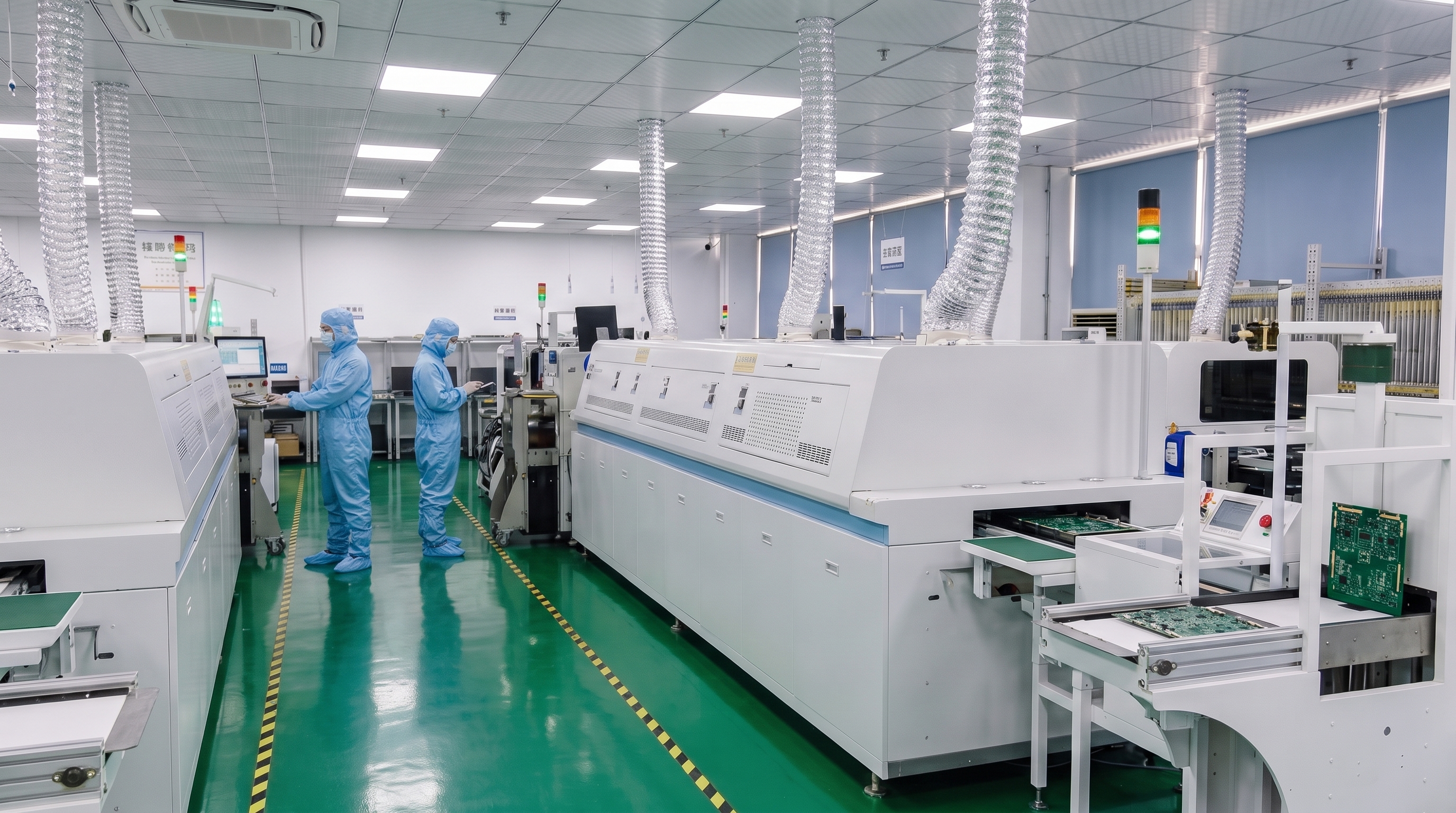
DFM & DFA Review.
Bring your board, components and build instructions into focus before PCB assembly. Resolve manufacturing questions while changes are still practical.
Clear decisions.
Before assembly.
Design for Manufacturability (DFM) considers a design against its intended production process. Design for Assembly (DFA) focuses on how the specified parts will be placed, mounted and soldered. Together, they give the pre-build discussion a practical manufacturing focus.
We bring that perspective into preparation for your PCB assembly order. Share the current files and the details you’re uncertain about. We’ll work through the manufacturing questions with you and establish what needs resolving, from the part specified on the BOM to the instructions the production team will use.

Resolve the Details Before the Build.
The useful question is what this design needs for assembly. Bring file differences, part details and manufacturing concerns into the review so the next production decision is clear.
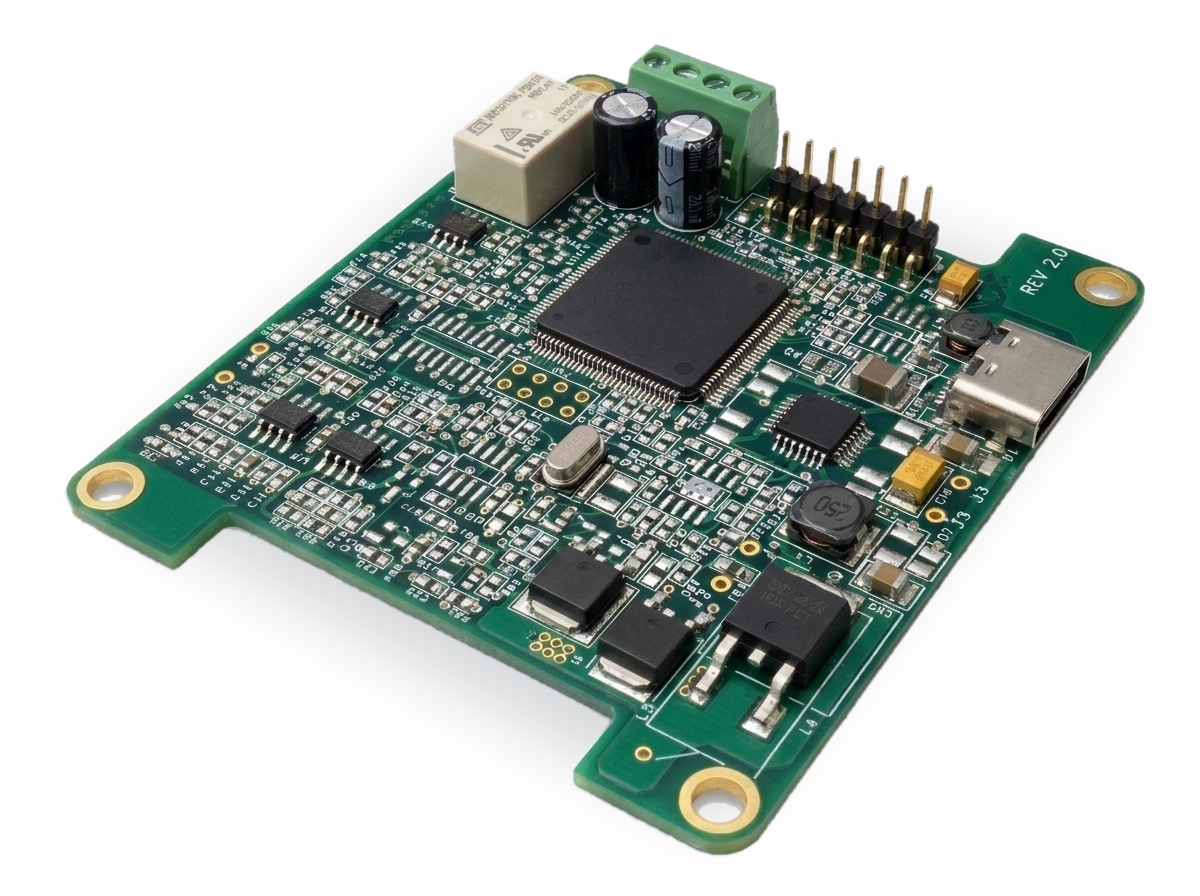
01
Consistent Files & Revisions
Consistent Files & Revisions
A CAD design-rule check (DRC) follows the rules configured in the design tool. For assembly, the board data, BOM, placement information and notes also need to identify the same build. Share the available files and known differences so the review has a clear design reference.
02
Parts, Footprints & Orientation
Parts, Footprints & Orientation
An exact part number connects the BOM with the relevant manufacturer drawing. Package outline, footprint and pin-1 information help clarify fit and orientation. If placement data or a drawing leaves an ambiguity, bring it forward so the intended mounting can be resolved before assembly preparation.
03
Clearance & Production Handling
Clearance & Production Handling
The space around a component matters as well as its body. Neighbouring parts, board edges and protruding connectors can affect access or handling. Identify intentional overhangs and special mounting needs so their relationship with the proposed assembly arrangement can be considered.
04
Decisions That Move the Build
Decisions That Move the Build
When a manufacturing question needs your input, the aim is a specific decision: clarify a drawing, confirm a component or update the relevant files. Establish who can authorize design changes and which revision should proceed, keeping production preparation connected to your design team’s decisions.
Review With Assembly in Mind.
The manufacturing discussion needs a real process behind it. Our SMT, through-hole and mixed assembly scope provides the context for reviewing your board and defining the preparation and checks it needs.
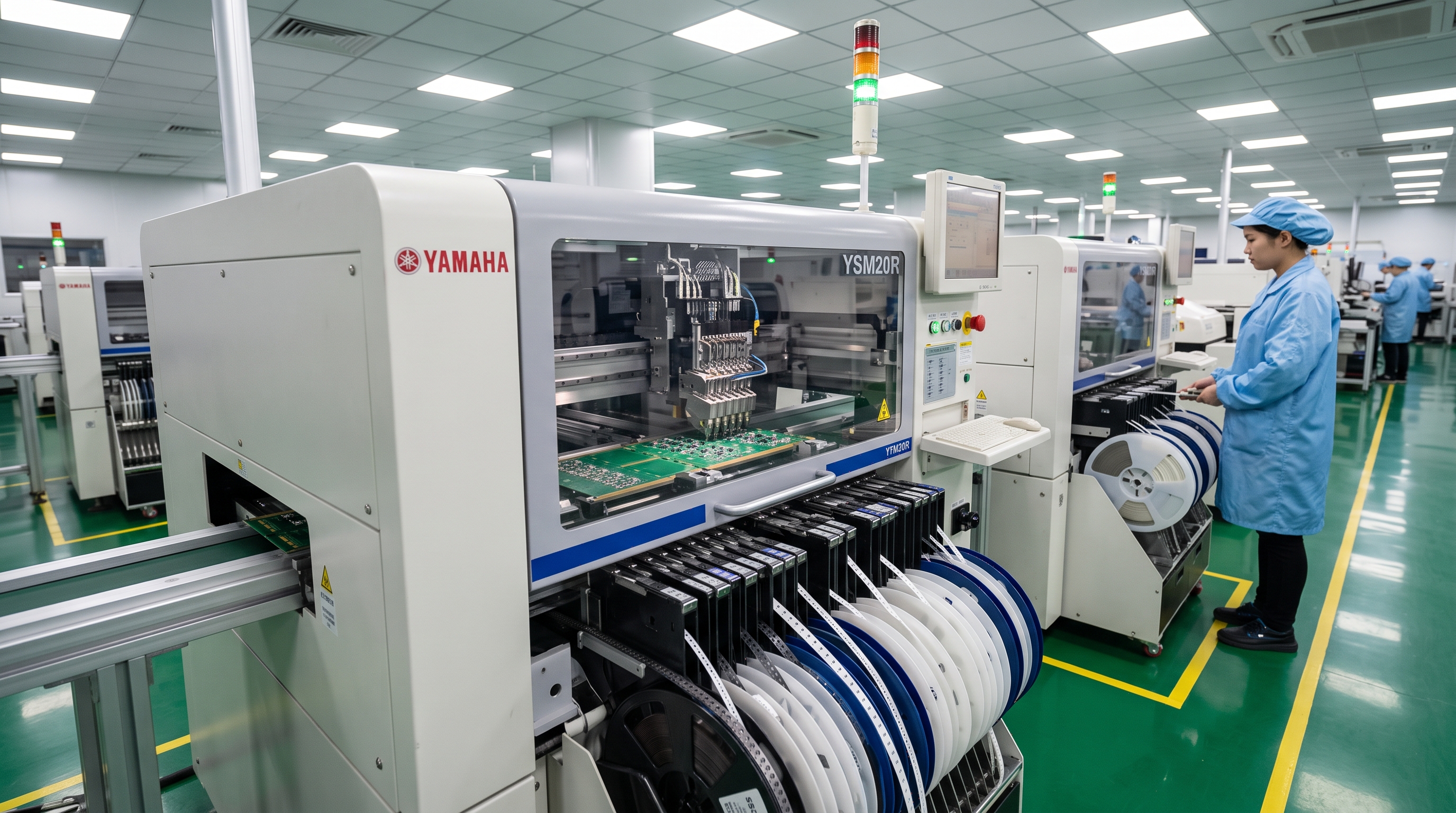
Surface-Mount Preparation
BOM and placement information have different jobs: one identifies parts, the other locates and orients them. Bringing them together with the board data gives the surface-mount build a common reference.
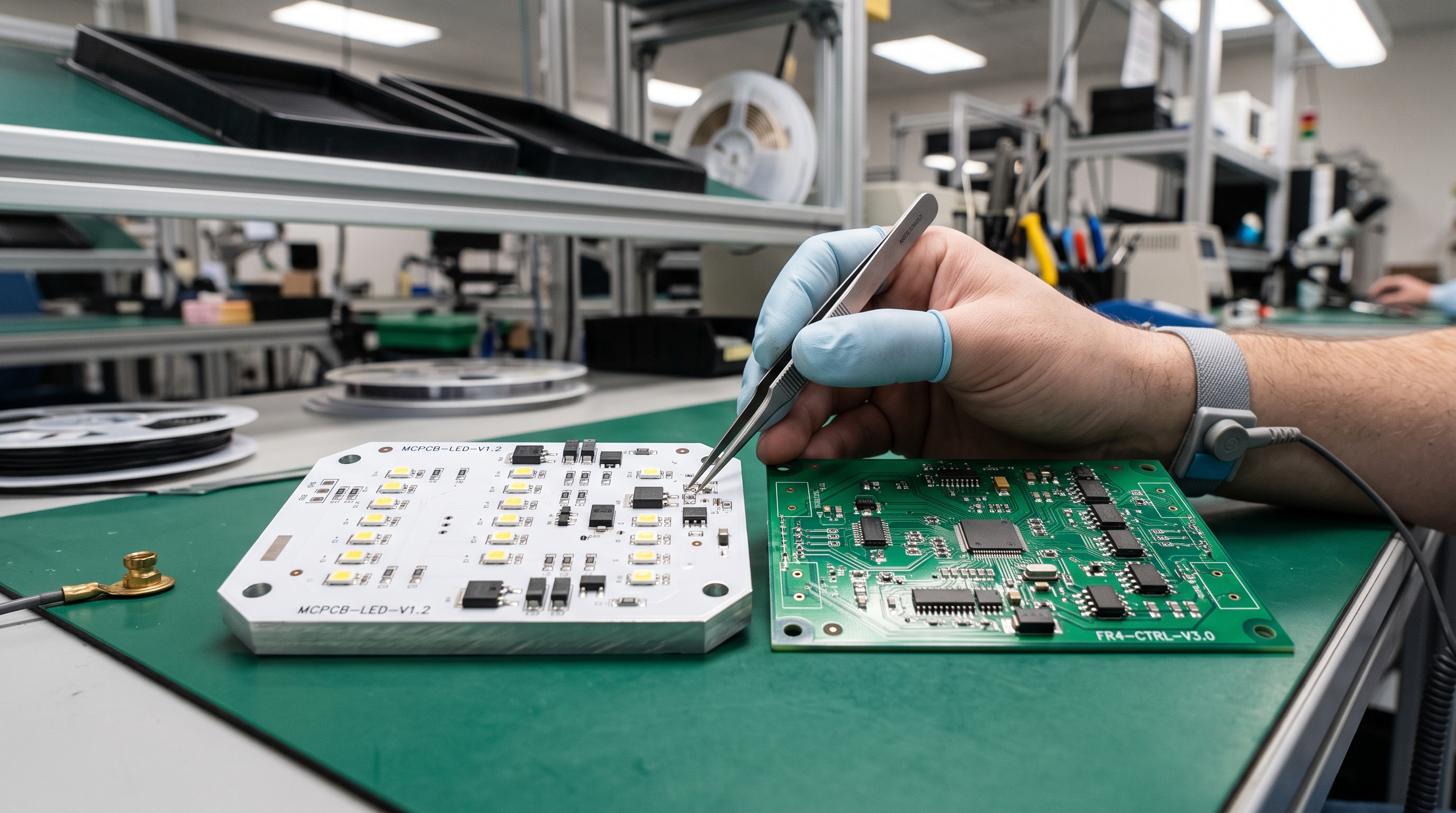
Board Material & Mounting
Our assembly scope includes FR-4 and aluminum-core boards with single-sided component mounting. Material requirements, layout and special mounting instructions help establish whether the intended build fits that scope.
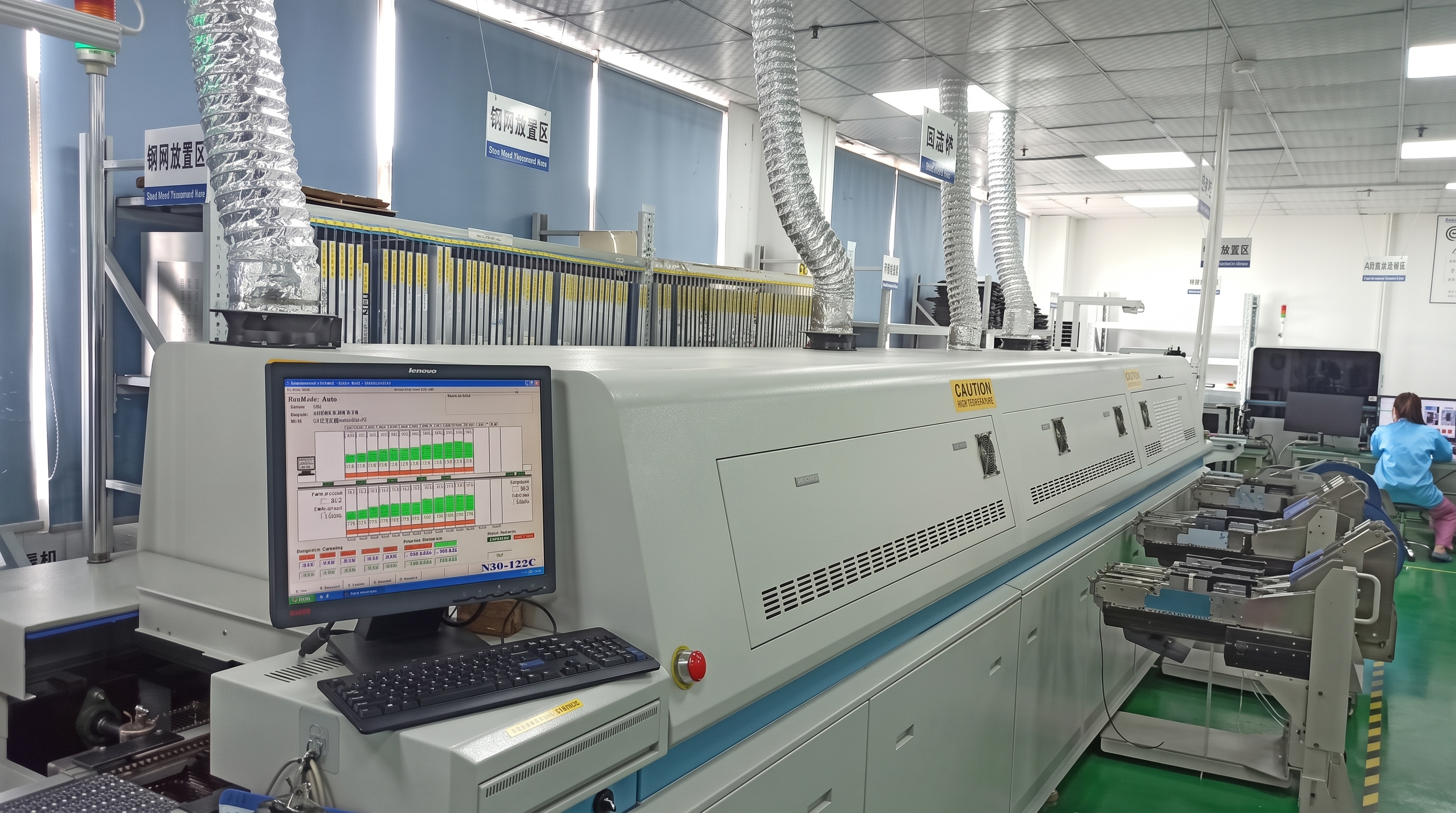
Soldering Preparation
Paste data, component drawings and special soldering instructions can inform preparation for lead-free reflow. Raise unusual requirements early so production preparation and any proposed changes can be resolved within the agreed scope.
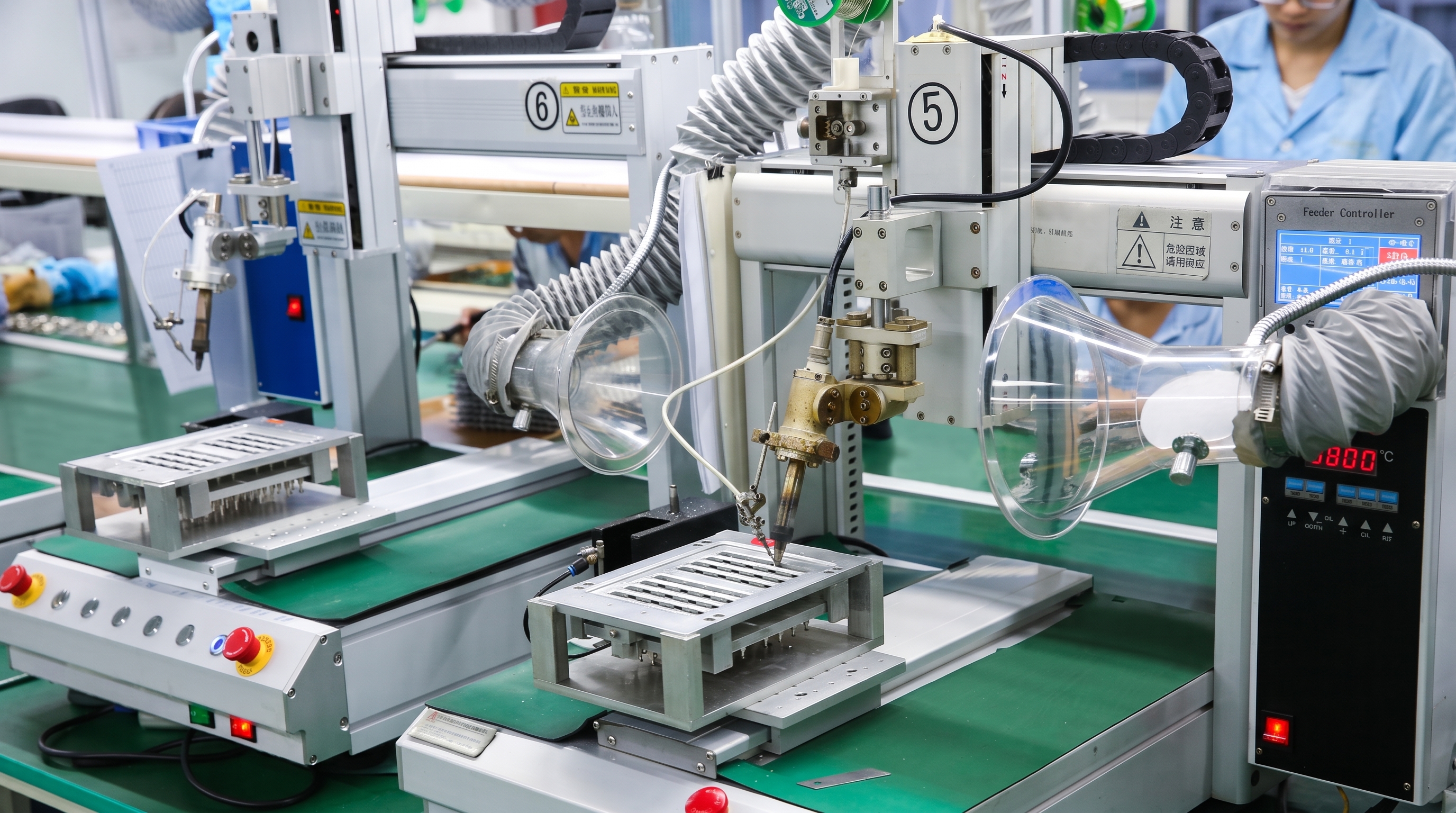
Through-Hole & Mixed Builds
Leaded connectors, relays and surface-mount parts can share a board. Orientation, access and special fitting details belong in the assembly discussion, particularly where the part’s position matters to the finished product.
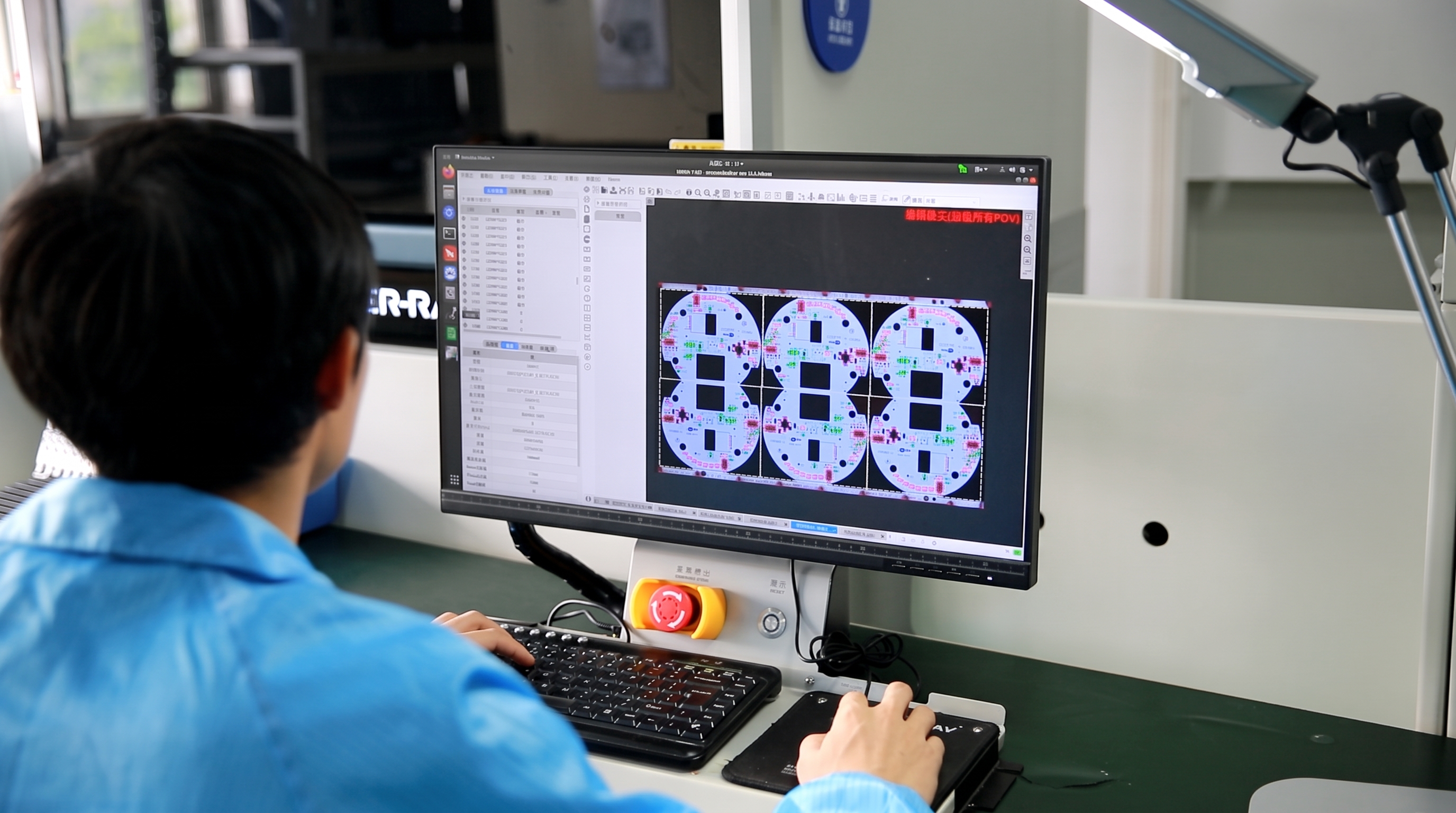
From Files to First Article
File review prepares the build; first-article review examines a physical assembly. AOI and initial assembly checks connect the agreed information with visible component placement, polarity and solder workmanship.
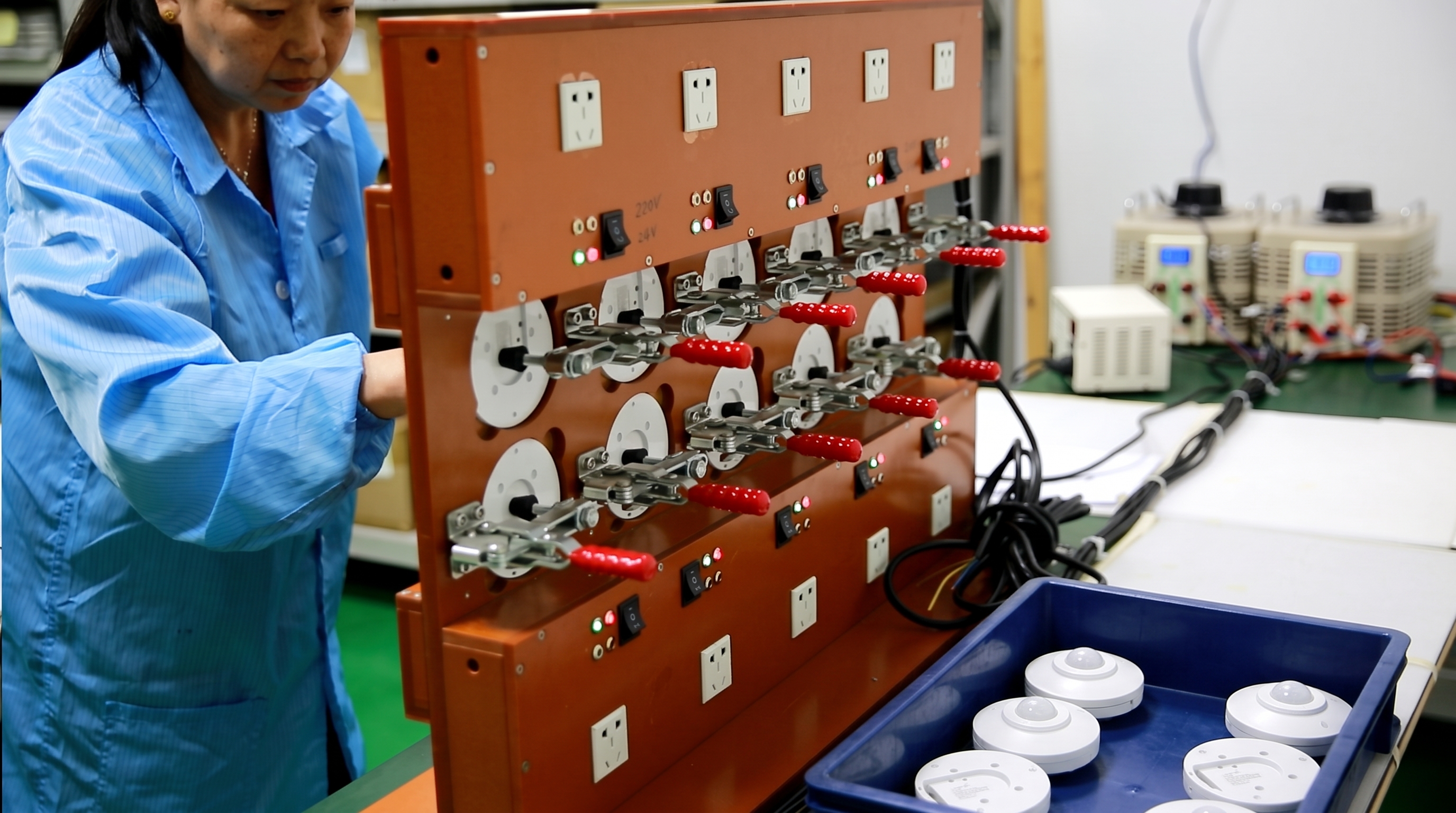
Test Needs & Access
Selected electrical and functional checks need operating steps, pass conditions and suitable access. Share the intended checks and existing instructions so procedure and equipment needs can be discussed before production.
The Production Behind the Questions.
A manufacturing review connects the design with physical assembly. These are the factory operations that give component, mounting, soldering and inspection questions their practical context.

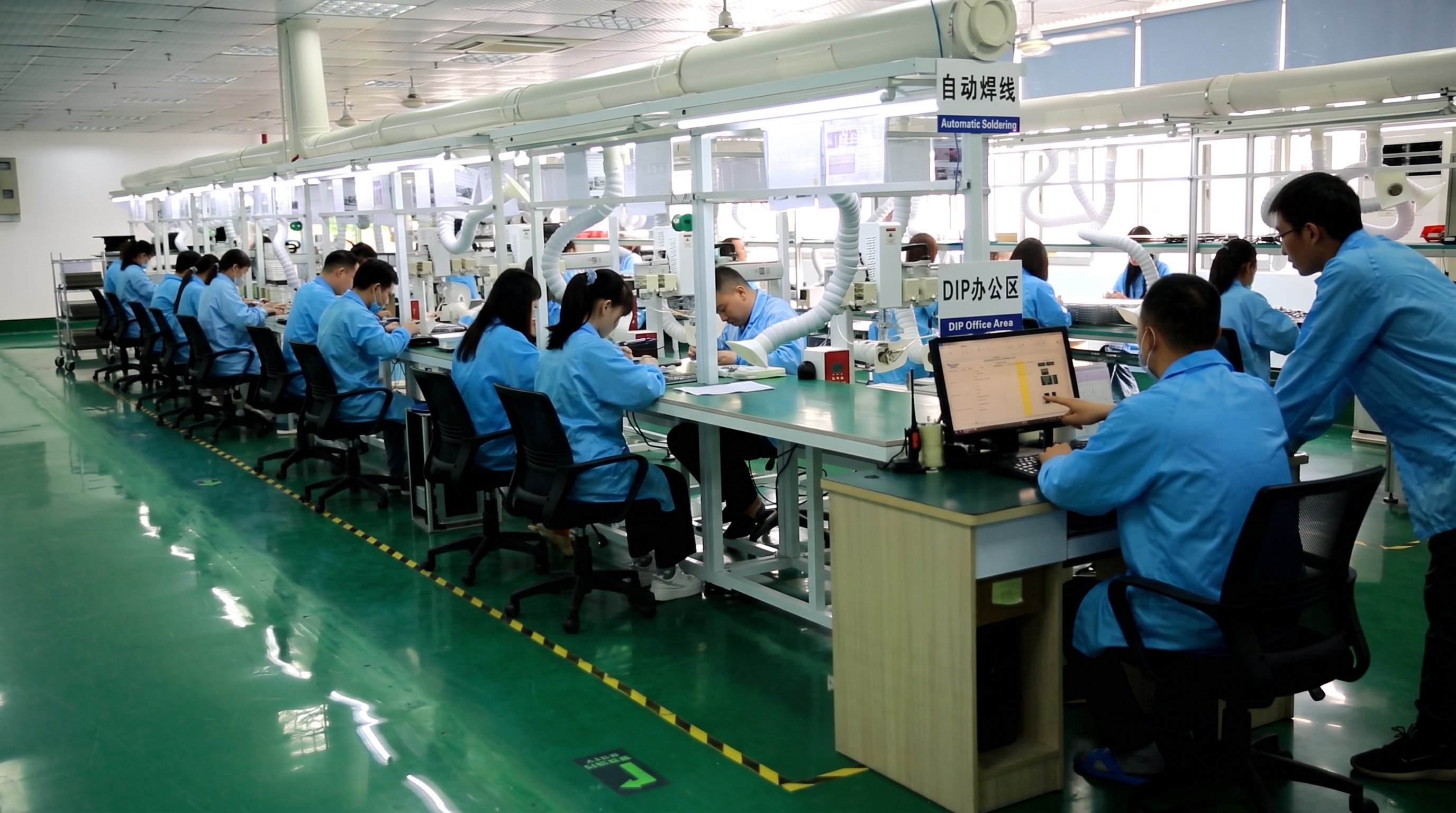
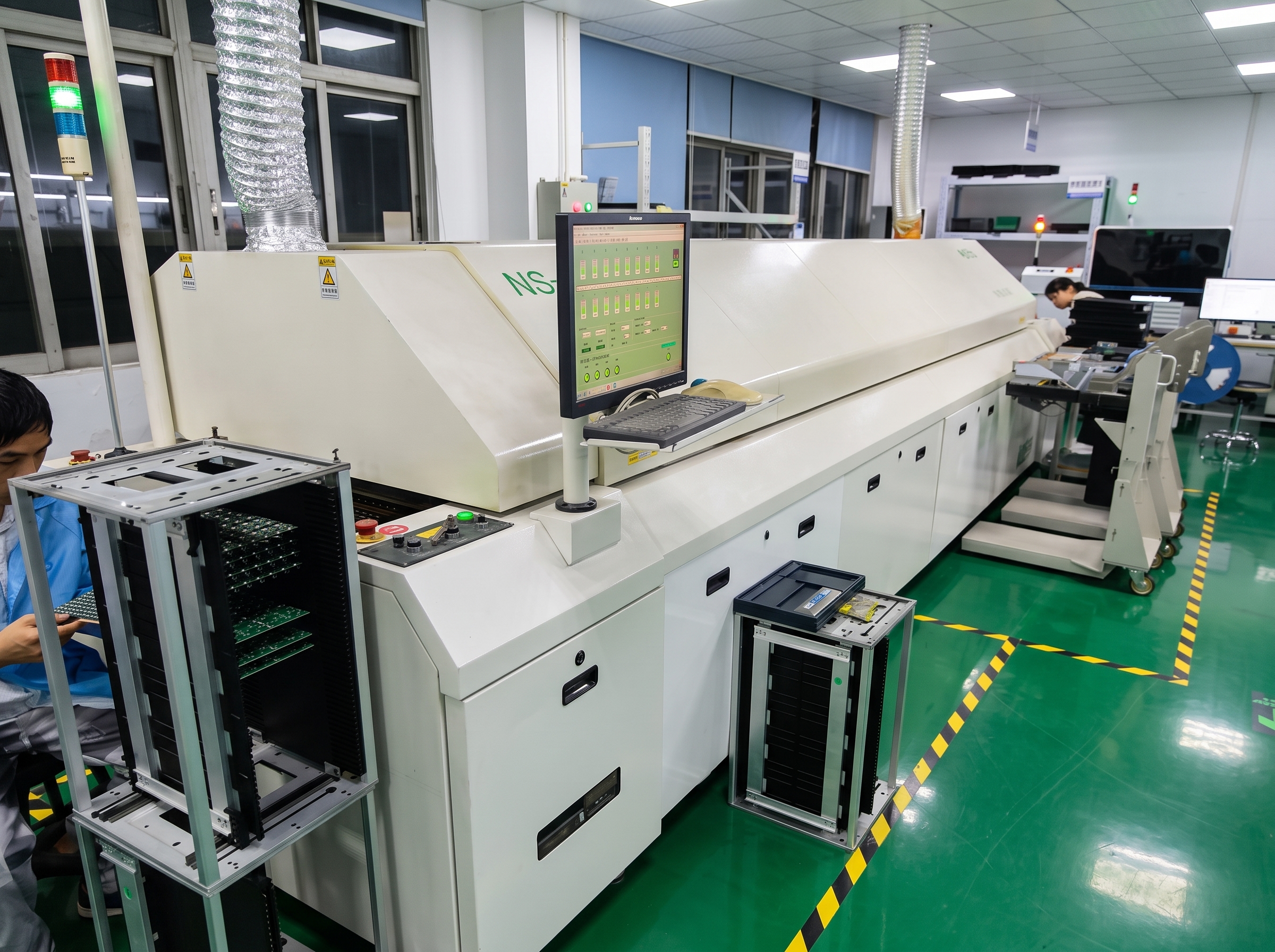
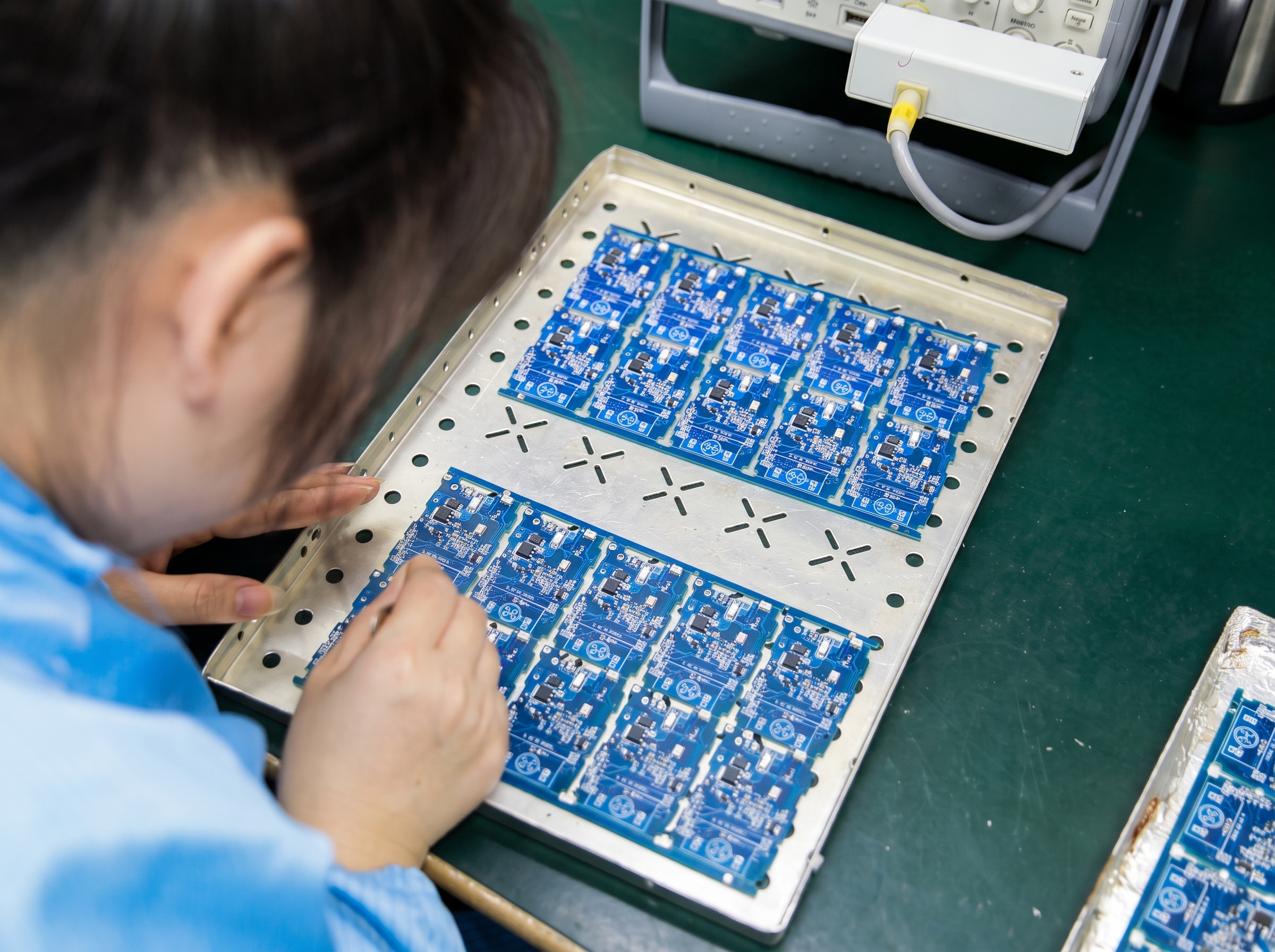
Surface-Mount Assembly Lines
The specified components meet their intended board positions on the SMT line. Clear part identification, placement data and orientation instructions help define the assembly that should be produced.
Through-Hole & Mixed Assembly
Leaded connectors and other through-hole parts complete mixed assemblies. Their position, orientation and fitting instructions matter both to production and to how the board sits in the product.
Lead-Free Reflow Soldering
Surface-mount boards pass through lead-free reflow after placement. Relevant component drawings, board requirements and soldering notes belong in preparation for this stage of the build.
First-Article & Inspection Review
First-article review and optical inspection address the physical result. They check assembly workmanship against the build information, while electrical and functional tests follow the conditions specified for the order.
 Your quality requirements
 Assembly workmanship
 Component handling requirements
 Material documentation needs
 Board material requirements
 Your product conformity needs
 Your emissions test requirements
Assembly Decisions for Your Product.
Lighting, sensing and control boards are familiar manufacturing areas for our factory. Bring the part, mounting and product-integration details that matter for your design, including other suitable electronics projects.
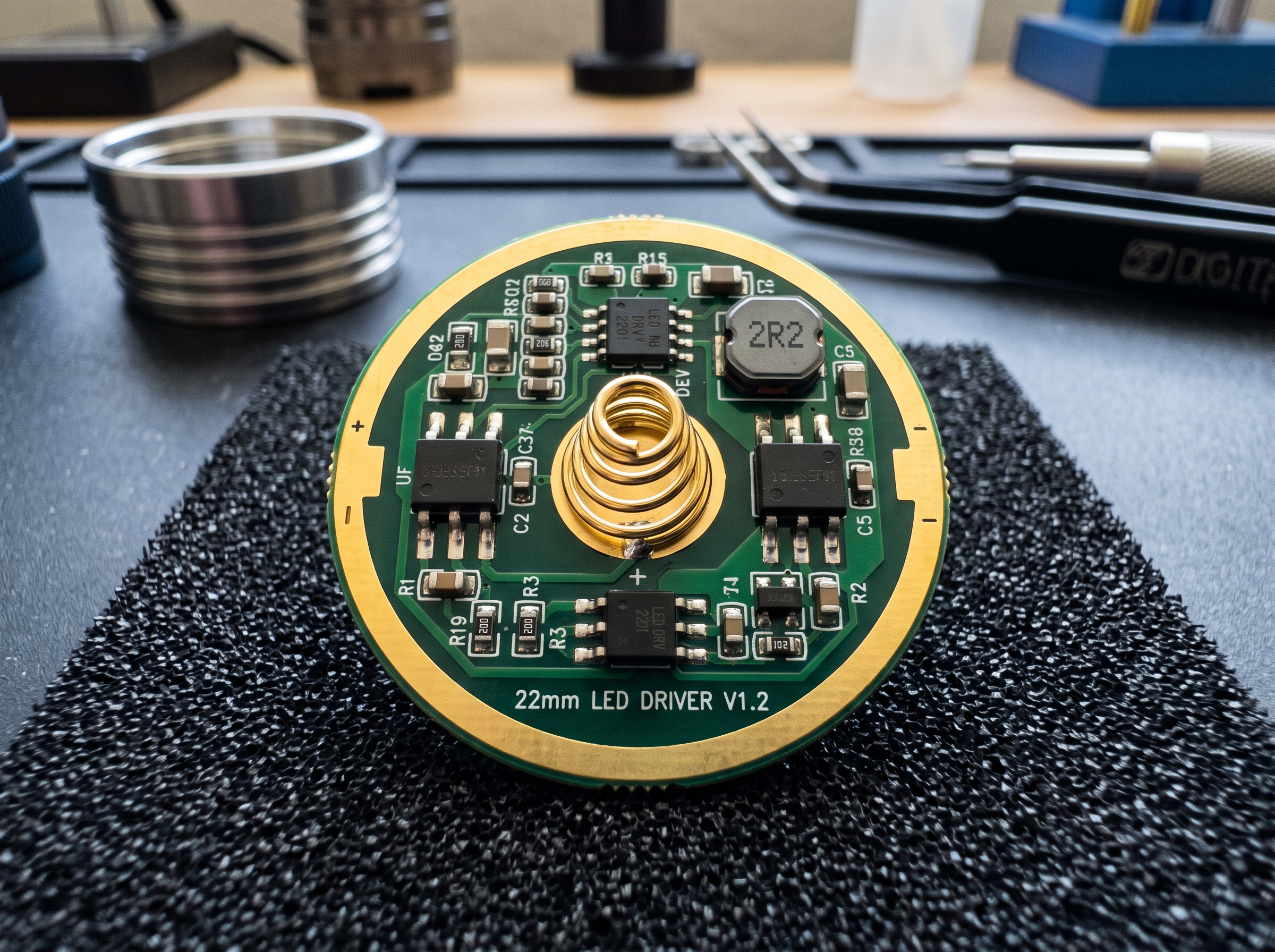
Portable Lighting Driver Boards
Flashlights · Headlamps · Tactical & Work Lights
Portable Lighting Driver Boards
Compact driver layouts connect power components with the light’s mechanical space. Bring the exact part drawings, board information and special mounting instructions into the assembly discussion.
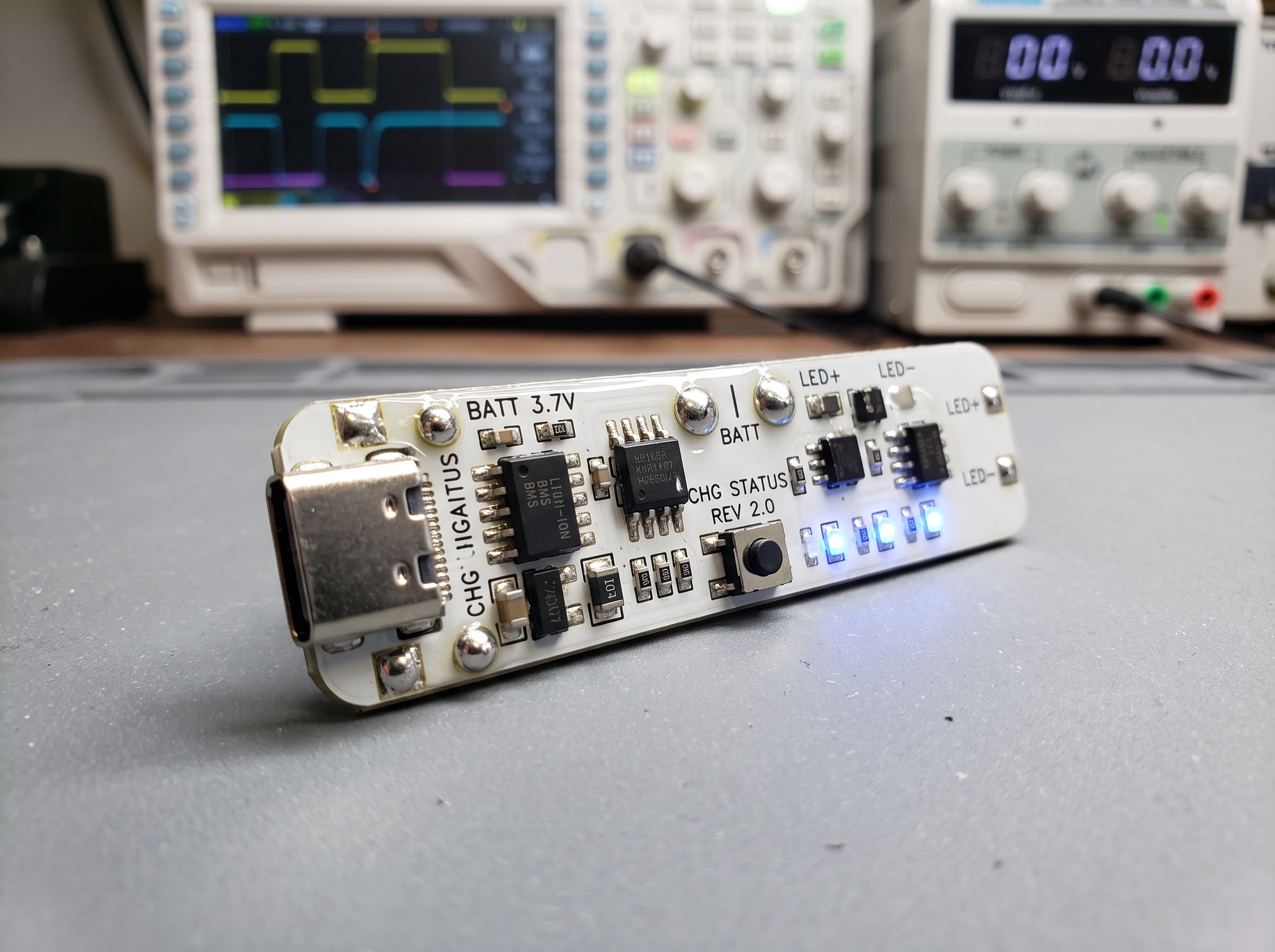
Battery & USB-C Charging Boards
Bicycle Lights · Portable Lanterns · Battery Packs
Battery & USB-C Charging Boards
Charging and battery-control boards combine component and connection requirements. Identify the intended parts, connector orientation and electrical checks relevant to the build being prepared.
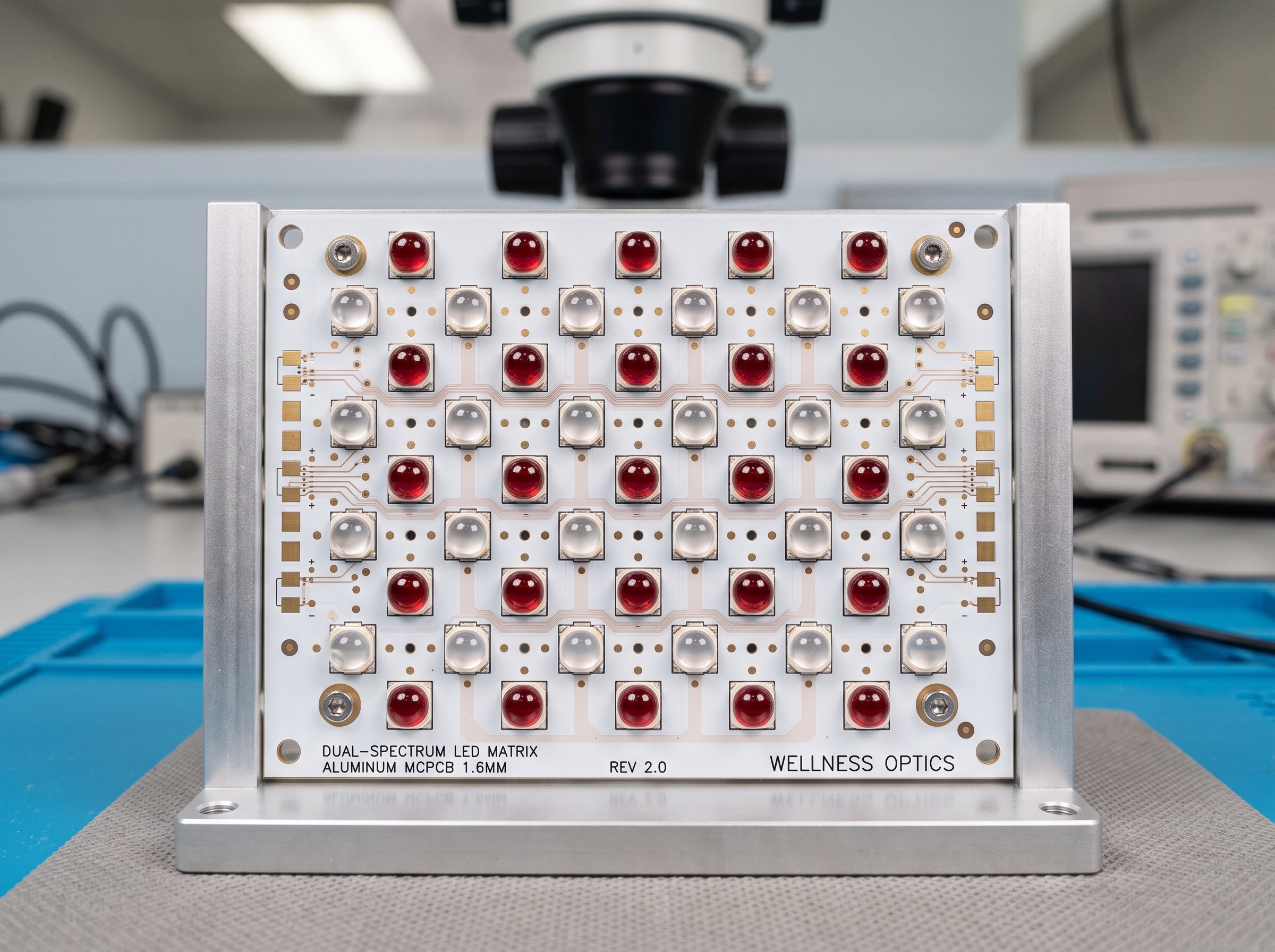
Beauty & Phototherapy LED Arrays
Red / NIR Masks · Therapy Panels · Handheld Applicators
Beauty & Phototherapy LED Arrays
Emitter layout, package details and board geometry shape the physical array. Clear component and mounting information helps define the assembly your product team intends to evaluate.
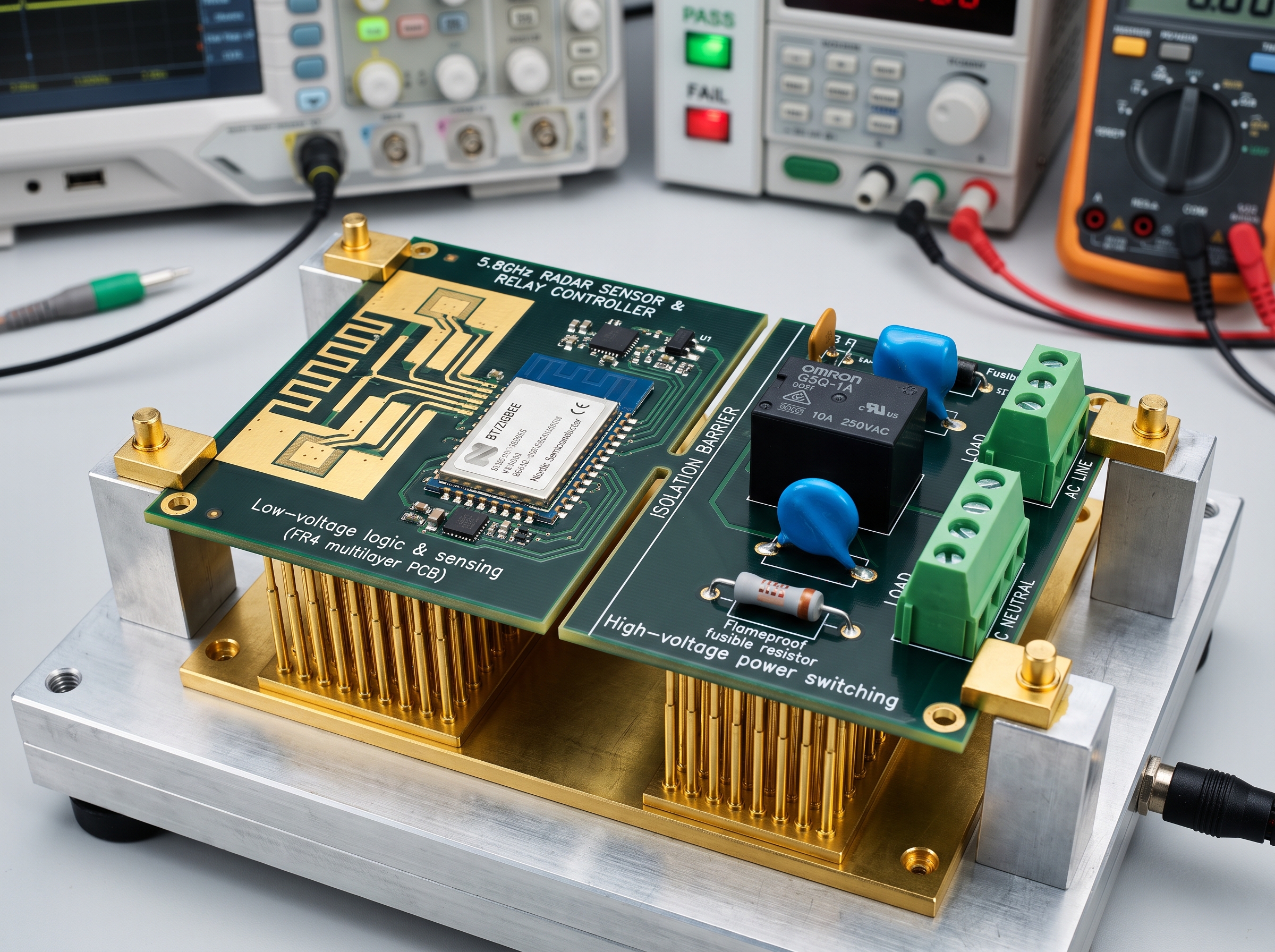
Occupancy Sensor & Control Boards
Wall Switches · Ceiling Detectors · Daylight Dimmers
Occupancy Sensor & Control Boards
Sensor devices, relays and connectors each need a clear position and orientation. Relate the BOM, placement information and assembly notes to the board’s intended fit within the product.
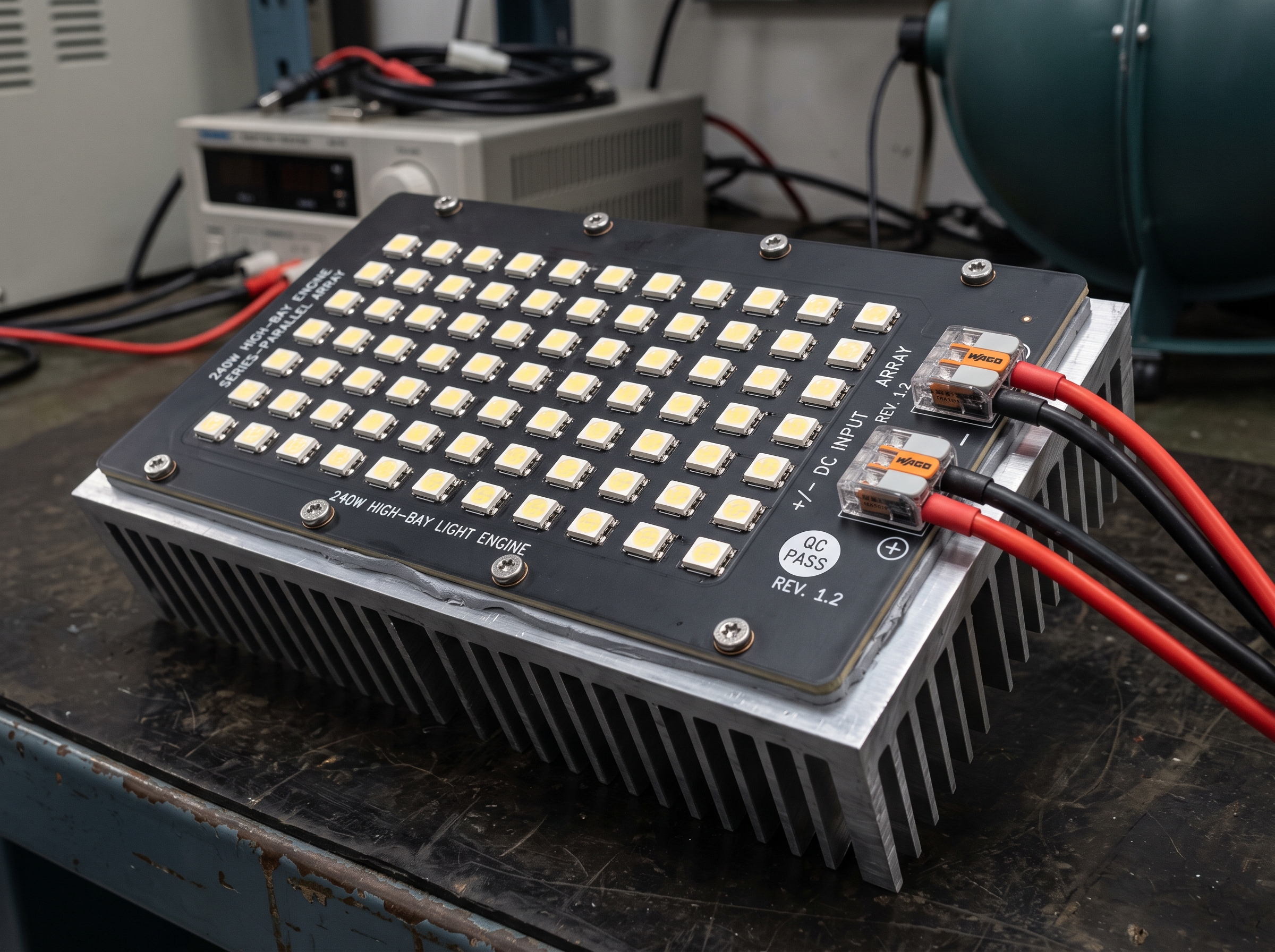
High-Power MCPCB Light Engines
High-Bay Luminaires · Floodlights · Grow Lights
High-Power MCPCB Light Engines
Aluminum-core material, specified emitters and the light-engine layout inform preparation for assembly. Raise special mounting or soldering requirements with the current board and component data.
From Open Questions to a Defined Build.
Review starts with the information available and ends with a clearer manufacturing decision. File discussion, physical inspection and customer product evaluation each have their place in the project.
Share the Current Design
Bring available board files, BOM, revision and build context. Include the assembly questions or special requirements you already know.
Work Through the Details
Clarify the parts, drawings, process and checking needs relevant to the order. Establish which decisions require your team’s input.
Confirm the Build Data
Resolve clarifications and any authorized changes. The quotation and production preparation use the information agreed for the build.
Assemble & Evaluate
Assembly and specified checks follow. For new or changed designs, your team’s sample evaluation can inform the next revision or pilot discussion.
Manufacturing Experience. Direct Dialogue.
Long-term Fortune Global 500 supplier relationships and demanding customer audits are part of our factory’s experience. That background supports a practical, engineering-led discussion of the board you need assembled.
Long-term supplier to Fortune Global 500 customers.
Enterprise relationships sit alongside sample, pilot and recurring production work. Bring the current design into a manufacturing discussion suited to your project stage.
Passed demanding supplier audits and customer reviews.
Demanding supplier audits have put our factory’s practices under customer review. Your quality and acceptance requirements belong in the same conversation as the manufacturing details.
First-article, AOI, and defined functional checks.
Reviewing the files prepares the order. First-article review, AOI and the selected electrical or functional checks then examine the physical assembly against the requirements agreed for the build.
Long-term relationships.
Global brands.




Let’s Review Your
Next Build.
Send your available BOM and board files, identify the revision and tell us what needs to be assembled. Flag the part, footprint, mounting or test question you want to work through. We’ll help clarify the manufacturing discussion and the information needed to prepare your PCB assembly order.
Available files welcome
Start with the current board data, a draft BOM or a focused assembly question.
Make the question specific
Point to the part, drawing or build detail that needs clarification.
Move toward assembly
Resolve the next decision and identify the information needed for production preparation.