
ما هو السطح المطفأ
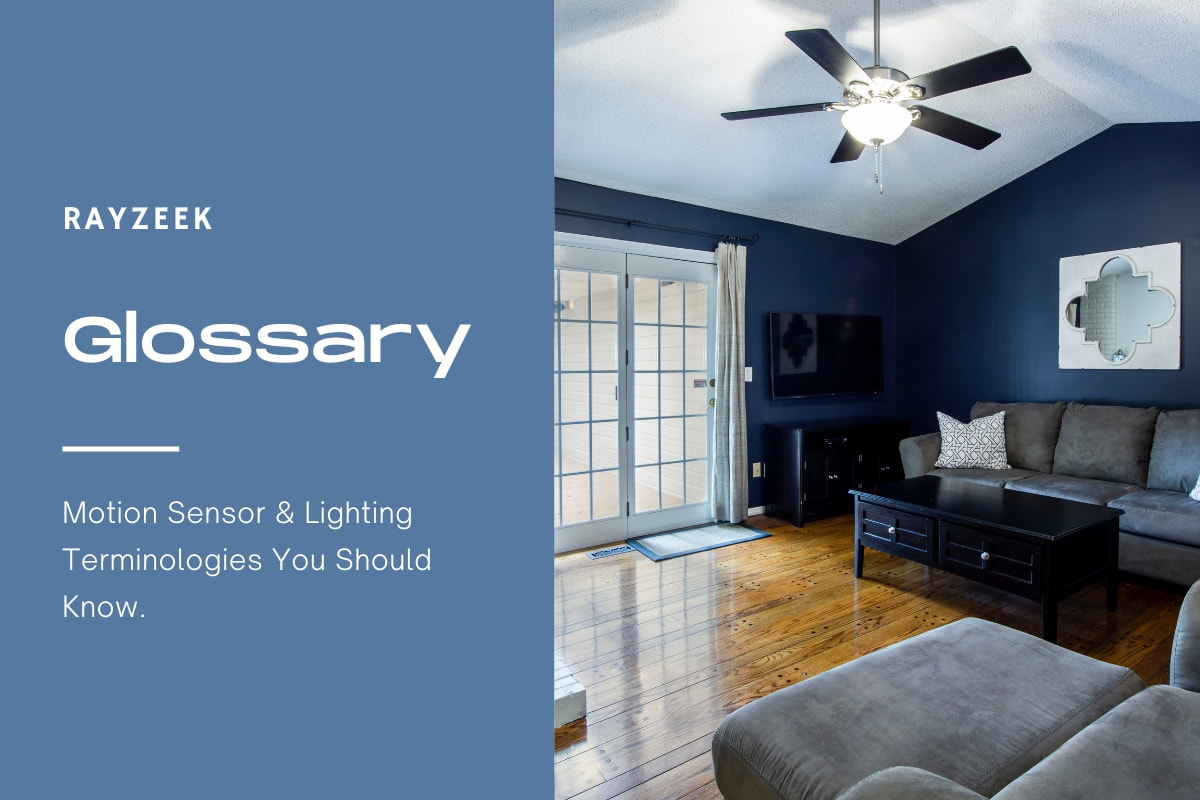
A matte surface, in the context of the lighting industry, refers to a type of finish that is designed to diffuse ambient light rather than reflecting it directly back to the viewer. This is achieved by coarsening the surface using mechanical and sometimes additional chemical processing. The purpose of a matte surface is to reduce unwanted reflection and glare, making it an anti-glare surface.
Manufacturing methods for creating a matte surface typically involve multi-layered “spluttering” or several passes of “dip coating,” followed by optional chemical surface treatments. These processes result in a textured surface that scatters external light, improving visibility of the image on the screen in areas with strong direct or ambient light.
احصل على الإلهام من محفظة منتجات مستشعرات الحركة Rayzeek.
لم تجد ما تبحث عنه؟ لا تقلق، فهناك دائمًا طرق بديلة لحل مشكلاتك. ربما تكون إحدى محافظ منتجاتنا هي الحل المناسب.
While matte surfaces have the advantage of reducing glare, there are some drawbacks to consider. One disadvantage is a reduction in perceived contrast and color vibrancy. The diffusion of light on the matte surface can lead to a slight to moderate reduction in sharpness, depending on the thickness and layering of the matte surface. Additionally, matte surfaces are generally more difficult to clean due to dirt penetration, and it can be challenging to see the results of cleaning efforts. In some instances, a grainy or hazy texture may be apparent, particularly when displaying white and other light colors.
قد تكون مهتمًا بـ

- الجهد الكهربائي: بطاريتان AAA
- وضع النهار/الليل
- التأخير الزمني: 15 دقيقة، 30 دقيقة، ساعة واحدة (افتراضي)، ساعتان

- مستشعر إشغال PIR للسقف مع مخرج مرحل اتصال جاف
- مصدر إمداد بالطاقة منخفض الجهد 12/24VDC أو 12/24VAC
- ملامسات مرحل معزولة (COM وNO وNC) لمدخلات التحكم في أنظمة إدارة الطاقة (EMS) والتدفئة والتهوية وتكييف الهواء (HVAC) وإدارة المباني

- مفتاح مستشعر الحركة بالموجات الدقيقة بجهد منخفض من التيار المستمر (DC) للتركيب الغاطس في السقف
- دخل 12 VDC / 24 VDC مع نطاق من 10 إلى 30 VDC
- تيار تشغيل أقصى 10A مع تأخير زمني قابل للتعديل، وعتبة إضاءة (Lux)، وحساسية قابلة للضبط
- مفتاح مستشعر الحركة بالموجات الدقيقة للأحمال العالية للتركيب الغاطس في السقف
- دخل جهد الخط 100-265 VAC، طراز 10A
- استشعار بالموجات الدقيقة بتردد 5.8 GHz مع تأخير زمني قابل للتعديل، وعتبة إضاءة (Lux)، وحساسية قابلة للضبط
- مفتاح مستشعر الحركة بالموجات الدقيقة للتركيب الغاطس في السقف
- دخل جهد الخط 100-265 VAC، طراز 5A
- استشعار بالموجات الدقيقة بتردد 5.8 GHz مع تأخير زمني قابل للتعديل، وعتبة إضاءة (Lux)، وحساسية قابلة للضبط
- خافض إضاءة بمستشعر الإشغال RZ037 PIR للتركيب السقفي بقدرة جهد 220V
- تيار تشغيل أقصى 3A مع حمل مقدر يبلغ 660W
- زر LUX للتحكم في تشغيل/إيقاف مستشعر الضوء ومستوى سطوع خفت الإضاءة المحدد من قبل المستخدم
- خافض إضاءة بمستشعر الإشغال RZ037 PIR للتركيب السقفي بقدرة جهد 110V
- تيار تشغيل أقصى 3A مع حمل مقدر يبلغ 330W
- زر LUX للتحكم في تشغيل/إيقاف مستشعر الضوء ومستوى سطوع خفت الإضاءة المحدد من قبل المستخدم

- مفتاح مستشعر حركة ميكروويف لسقف، يعمل بالتيار المستمر منخفض الجهد
- دخل 12 VDC / 24 VDC مع نطاق من 10 إلى 30 VDC
- تيار تشغيل أقصى 10A مع تأخير زمني قابل للتعديل، وعتبة إضاءة (Lux)، وحساسية قابلة للضبط
- مفتاح مستشعر حركة ميكروويف لسقف ذو حمل أعلى
- دخل جهد الخط 100-265 VAC، طراز 10A
- استشعار بالموجات الدقيقة بتردد 5.8 GHz مع تأخير زمني قابل للتعديل، وعتبة إضاءة (Lux)، وحساسية قابلة للضبط
- مفتاح مستشعر حركة ميكروويف لسقف
- دخل جهد الخط 100-265 VAC، طراز 5A
- استشعار بالموجات الدقيقة بتردد 5.8 GHz مع تأخير زمني قابل للتعديل، وعتبة إضاءة (Lux)، وحساسية قابلة للضبط

- مفتاح حساس الحركة للأشعة تحت الحمراء PIR المدمج للسقف يعمل بالتيار المستمر منخفض الجهد
- دخل 12 VDC / 24 VDC مع نطاق من 10 إلى 30 VDC
- أقصى تيار تشغيل 10A مع تأخير زمني قابل للتعديل وعتبة إضاءة (Lux) وحساسية قابلتين للتعديل

- مفتاح حساس الحركة للأشعة تحت الحمراء PIR المدمج للسقف للأحمال العالية
- دخل جهد الخط 100-265 VAC، طراز 10A
- كشف بزاوية 360 درجة مع تأخير زمني قابل للتعديل وعتبة إضاءة (Lux) وحساسية قابلتين للتعديل
- مفتاح حساس الحركة للأشعة تحت الحمراء PIR المدمج للسقف
- دخل جهد الخط 100-265 VAC، طراز 5A
- كشف بزاوية 360 درجة مع تأخير زمني قابل للتعديل وعتبة إضاءة (Lux) وحساسية قابلتين للتعديل

- طقم مفتاح ومستقبل لاسلكي للتحكم في تشغيل وإيقاف الإضاءة الداخلية
- مستقبل 100-230VAC، 50/60Hz بتيار مقدر 5A
- مفتاح لاسلكي يعمل ببطارية CR2032 مع اتصال بتردد 2.4GHz
- مستشعر شغور (تشغيل تلقائي/إيقاف تلقائي)
- 12–24V DC (10–30VDC)، حتى 10A
- تغطية 360 درجة، بقطر 8–12 م
- تأخير زمني من 15 ثانية إلى 30 دقيقة
- مستشعر إضاءة: إيقاف/15/25/35 لوكس
- حساسية عالية/منخفضة
- وضع الشغور بتشغيل تلقائي/إيقاف تلقائي
- 100–265V AC، 10A (يتطلب خط محايد)
- تغطية 360 درجة؛ قطر الكشف 8–12 م
- تأخير زمني من 15 ثانية إلى 30 دقيقة؛ شدة الإضاءة: إيقاف/15/25/35 لوكس؛ الحساسية: عالية/منخفضة
- وضع الشغور بتشغيل تلقائي/إيقاف تلقائي
- 100–265V AC, 5A (neutral required)
- تغطية 360 درجة؛ قطر الكشف 8–12 م
- تأخير زمني من 15 ثانية إلى 30 دقيقة؛ شدة الإضاءة: إيقاف/15/25/35 لوكس؛ الحساسية: عالية/منخفضة
الأسئلة الشائعة
Does a Matte Surface Reflect Light
Matte surfaces do not reflect light; instead, they absorb it. This quality allows them to effectively conceal imperfections such as bumps on walls.
Is Anti-Glare and Matte the Same
Unlike a regular glossy display, a matte display is equipped with a special coating that reduces glare on the screen. This anti-glare coating helps to minimize reflections and ensures that your content is not interrupted by harsh glare caused by smooth surfaces like glass or plastic.
What Does a Matte Finish Look Like
A matte finish is a type of sheen that has a lower level of gloss compared to flat paint, but is shinier than satin or eggshell finishes. It has a lower gloss percentage, indicating that it reflects less light and has less luster than many other types of paint.
What Color Surface Reflects Light the Best
White is the color that reflects light the most effectively. If you prefer a more subtle option, you can consider off-white, pale brown, or light gray colors. It’s important to remember that the color of your walls is just one aspect of their overall appearance and ability to reflect light.
What Surface Doesn’t Reflect Light
Wood, concrete, and paper are examples of surfaces that do not reflect light. This is due to their relatively rough surfaces, which cause the light that hits them to scatter in various directions.







