أصبحت أجهزة التكييف المحمولة حل تبريد شائعًا للكثيرين، حيث توفر بديلاً مرنًا لوحدات النوافذ التقليدية أو التكييف المركزي. وقد صُممت هذه الأجهزة لسهولة نقلها من غرفة إلى أخرى، مما يوفر الراحة من الحرارة في الأماكن الأكثر حاجة إليها. ولكن يبقى السؤال: هل تعمل بالفعل بكفاءة؟ ستتعمق هذه المقالة في آلية عمل أجهزة التكييف المحمولة وكفاءتها وقيودها، مقدِمةً نظرة شاملة لكل من يفكر في خيار التبريد هذا. وسنستكشف كل شيء بدءًا من المبادئ الأساسية للتشغيل وصولاً إلى التفاصيل الدقيقة لتصنيفات كفاءة الطاقة، مما يساعدك على اتخاذ قرار سديد بشأن ما إذا كان مكيف الهواء المحمول هو الخيار المناسب لك.
ما هو مكيف الهواء المحمول؟
مكيف الهواء المحمول هو وحدة تبريد قائمة بذاتها يمكنك نقلها بسهولة داخل منزلك. وعلى عكس وحدات النوافذ التي تتطلب تركيبًا أكثر ثباتًا، تُوضع هذه الأجهزة على الأرض وتستخدم خرطومًا لتفريغ الهواء الساخن عبر النافذة. وهي صُممت لتبريد الغرف الفردية أو المساحات الأصغر، وتتوفر بأحجام وسعات تبريد مختلفة. وتُقاس هذه السعة بالوحدات الحرارية البريطانية (BTUs)، والتي سنناقشها بمزيد من التفصيل لاحقًا.
كيف تعمل أجهزة التكييف المحمولة
تستخدم أجهزة التكييف المحمولة دورة التبريد بضغط البخار نفسها التي تُشغِّل الأنواع الأخرى من مكيفات الهواء. قد يبدو الأمر معقدًا، ولكنه عملية مثيرة للاهتمام وتستحق الفهم.
دورة التبريد في أجهزة التكييف المحمولة
تخيل سائلاً خاصًا، يُسمى مائع التبريد (الفريدون)، يدور عبر نظام مغلق من الملفات داخل الوحدة. هذا السائل هو السِر في عملية التبريد. تبدأ العملية بـ ضواغط، والذي يضغط مائع التبريد لتحويله إلى غاز ساخن عالي الضغط. يمكنك تخيل الأمر كضغط الغاز تمامًا – حيث ترتفع درجة حرارته.
بعد ذلك، ينتقل مائع التبريد الساخن هذا إلى ملفات المكثف . وهنا، تقوم مروحة بضخ الهواء الخارجي فوق الملفات، مما يساعد على تبديد الحرارة. ومع انبعاث الحرارة، يبرد مائع التبريد ويتكثف ليعود إلى سائل دافئ عالي الضغط.
ثم يمر مائع التبريد السائل هذا عبر صمام التمدد. وتتمثل وظيفة هذا الصمام في الخفض السريع لضغط مائع التبريد. ومع انخفاض الضغط، تنخفض درجة الحرارة أيضًا، مما يحول مائع التبريد إلى سائل بارد منخفض الضغط.
وأخيرًا، يتدفق مائع التبريد البارد هذا عبر ملفات المبخر . وتعمل مروحة أخرى على دفع هواء الغرفة فوق هذه الملفات. يمتص مائع التبريد البارد الحرارة من الهواء، مما يؤدي إلى تبريده. ومع امتصاصه للحرارة، يتبخر مائع التبريد ويعود إلى غاز بارد منخفض الضغط.
وتبدأ الدورة من جديد! يسحب الضواغط هذا الغاز البارد ويبدأ العملية مرة أخرى، متيحًا تبريد الغرفة باستمرار.
المكونات الرئيسية ووظائفها:
- الضاغط: يقوم بضغط وسيط التبريد (الفريون)، مما يؤدي إلى زيادة درجات الحرارة والضغط الخاصين به.
- المكثف: يتبدد الحرارة من وسيط التبريد إلى الهواء الخارجي.
- صمام التمدد: يعمل على تقليل ضغط وسيط التبريد ودرجة حرارته.
- المبخر: يمتص الحرارة من هواء الغرفة، مما يؤدي إلى تبريده.
- المراوح: تعمل على تدوير الهواء فوق ملفات المكثف والمبخر.
- منظم الحرارة (الثرموستات): ينظم عملية التبريد بناءً على درجة الحرارة المطلوبة.
- مرشح الهواء (الفلتر): يزيل الغبار والجسيمات الأخرى من الهواء.
مكيفات الهواء المحمولة ذات الخرطوم الواحد مقابل ذات الخرطومين
عند التسوق لشراء مكيف هواء محمول، ستواجه نوعين رئيسيين: الطرازات ذات الخرطوم الواحد والطرازات ذات الخرطومين. يكمن الاختلاف في كيفية تعاملها مع سحب الهواء وإخراجه، ولذلك تأثير كبير على كفاءتها.
مشكلة الطرازات ذات الخرطوم الواحد:
تستخدم الطرازات ذات الخرطوم الواحد، كما يوحي الاسم، خرطومًا واحدًا لطرد الهواء الساخن إلى الخارج. وعلى الرغم من أن هذا قد يبدو بسيطًا بدرجة كافية، إلا أنه يخلق مشكلة. فلتبريد ملفات المكثف، تسحب هذه الوحدات الهواء من الغرفة نفسها التي تحاول تبريدها، مما يخلق ضغط هواء سلبيًا داخل الغرفة.
احصل على الإلهام من محفظة منتجات مستشعرات الحركة Rayzeek.
لم تجد ما تبحث عنه؟ لا تقلق، فهناك دائمًا طرق بديلة لحل مشكلاتك. ربما تكون إحدى محافظ منتجاتنا هي الحل المناسب.
ماذا يحدث عندما يكون هناك ضغط سلبي؟ إن الطبيعة تأبى الفراغ، ولذلك يتم سحب الهواء الساخن غير المكيف من الخارج أو من الغرف الأخرى عبر أي شقوق أو الفجوات المحيطة بالأبواب والنوافذ. يعيق تدفق الهواء الساخن هذا عملية التبريد، مما يجعل الوحدة تعمل بجهد أكبر ولمدة أطول للوصول إلى درجة الحرارة المطلوبة. وقد أظهرت الدراسات، بما في ذلك دراسة أجدتها Consumer Reports، أن الطرازات ذات الخرطوم الواحد يمكن أن تستهلك طاقة أكثر بنسبة تصل إلى 50% لتبريد المساحة نفسها مقارنة بنظيراتها ذات الخرطومين.
كيف تحسن الطرازات ذات الخرطومين الكفاءة:
تقدم الطرازات ذات الخرطومين حلاً ذكيًا لهذه المشكلة. فهي تستخدم خرطومًا واحدًا لطرد الهواء الساخن، تمامًا مثل الطرازات ذات الخرطوم الواحد، ولكن لديه خرطوم ثانٍ مخصص لسحب الهواء. يسحب خرطوم السحب هذا الهواء من الخارج خصيصًا لتبريد المكثف.
By using outside air for this purpose, dual-hose models avoid creating negative pressure in the room. This prevents hot air infiltration and significantly improves cooling efficiency. As a result, they cool rooms faster and use less energy than single-hose models. Some manufacturers even claim that their dual-hose models are 40-50% more efficient.
Portable Air Conditioner Cooling Capacity: Understanding BTUs
BTU, or British Thermal Unit, is a crucial concept when it comes to air conditioners. It’s a measure of cooling capacity, representing the amount of heat an air conditioner can remove from a room in one hour. One BTU is the amount of heat required to raise the temperature of one pound of water by one degree Fahrenheit. So, the higher the BTU rating, the more powerful the air conditioner.
Calculating the Right BTU for Your Room:
Choosing the right BTU size is essential for effective cooling. A unit that’s too small will struggle to cool the room, while one that’s too large will cycle on and off too frequently, leading to inefficient operation and potentially higher humidity levels.
A general rule of thumb is to use 20 BTUs per square foot of living space. For example, a 300-square-foot room would typically need a 6,000 BTU portable air conditioner (300 x 20 = 6,000).
Impact of Ceiling Height and Insulation on BTU Needs:
However, this is just a starting point. Several other factors can influence your BTU needs. For instance, high ceilings require more cooling power. You might need to add 10-20% to the BTU requirement for every 2 feet of ceiling height above 8 feet.
Insulation also plays a significant role. Poorly insulated rooms lose cool air more easily, requiring a more powerful air conditioner. In such cases, you might need to add 20-30% to the BTU requirement. Conversely, well-insulated rooms retain cool air better, potentially allowing you to use a slightly smaller unit and save on energy costs. You might be able to subtract 10-20% from the BTU requirement for well-insulated spaces.
Other Factors:
- Window Size and Orientation: Large windows, especially those facing south, let in a lot of sunlight and heat. If your room has such windows, consider adding 10-20% to your BTU needs.
- Shading: On the other hand, if your room is well-shaded, you can subtract 10-15% from the BTU requirement.
- Occupancy: More people in a room generate more body heat. Add about 600 BTUs for each additional person beyond two.
- Appliances: Heat-generating appliances like computers and lamps also contribute to the heat load. Add 400-500 BTUs for each appliance that’s regularly used in the room.
Refined BTU Calculation:
هل تبحث عن حلول لتوفير الطاقة تعمل بالحركة؟
تواصل معنا للحصول على أجهزة استشعار الحركة PIR بالكامل، والمنتجات الموفرة للطاقة والتي تعمل بالحركة، ومفاتيح أجهزة استشعار الحركة، والحلول التجارية للإشغال/الشاغر.
Let’s break down a more refined way to calculate your BTU needs:
- Base BTU: Start with the basic calculation: Square footage x 20.
- Ceiling Adjustment: If your ceiling is higher than 8 feet, calculate the adjustment: Base BTU x (Ceiling height – 8) x 0.05.
- Insulation Adjustment: Estimate the insulation factor: Poor (0.25), Average (0), Good (-0.15). Then calculate: Base BTU x Insulation factor.
- Window Adjustment: Estimate the window factor: Large/South-facing (0.15), Average (0), Shaded (-0.1). Then calculate: Base BTU x Window factor.
- Occupancy Adjustment: If more than two people regularly use the room, calculate: (Number of people – 2) x 600.
- Appliance Adjustment: If you have heat-generating appliances, calculate: Number of appliances x 450.
- Total BTU: Add up all the adjustments to your Base BTU: Base BTU + Ceiling Adjustment + Insulation Adjustment + Window Adjustment + Occupancy Adjustment + Appliance Adjustment.
This final number gives you a more accurate estimate of the BTU capacity you need for your specific situation.
Energy Efficiency of Portable Air Conditioners: EER, CEER, and SACC Ratings
When it comes to energy efficiency, portable air conditioners have a few different ratings you should be aware of: EER, CEER, and SACC. These ratings help you understand how much cooling you’re getting for the amount of electricity used.
Understanding the Differences Between EER, CEER, and SACC:
- EER (Energy Efficiency Ratio): This is the most basic rating. It measures the cooling output (in BTUs) per watt of electricity consumed under a specific test condition: 95°F outside, 80°F inside, and 50% humidity.
- CEER (Combined Energy Efficiency Ratio): This rating is a bit more comprehensive. It also measures cooling output per watt of electricity, but it considers both active cooling mode and standby power consumption. It uses the same test conditions as EER but also factors in the energy used when the unit isn’t actively cooling, giving you a better idea of overall energy use.
- SACC (Seasonally Adjusted Cooling Capacity): This is the newest rating, and it’s designed to provide a more realistic estimate of cooling performance in typical usage scenarios. It represents the weighted average cooling capacity under various test conditions, including different outdoor temperatures and humidity levels.
How to Choose an Energy-Efficient Model:
The simple rule is to look for models with higher EER, CEER, and SACC ratings. The higher the number, the more energy-efficient the unit is. The Department of Energy (DOE) recommends choosing models with a CEER of 8.5 or higher and an SACC of 6,500 BTUs or higher.
Why are these ratings important? Because a more energy-efficient model will use less electricity to cool your room, which can save you money on your energy bills. For example, a model with a CEER of 10 will use about 15% less energy than a model with a CEER of 8.5. Over time, these savings can really add up!
Limitations of Portable Air Conditioners
While portable air conditioners can be a convenient cooling solution, it’s important to be aware of their limitations. They are not always the most efficient option, and certain factors can impact their performance.
Inefficiencies Compared to Other Cooling Systems:
Compared to window units or central air conditioning, portable air conditioners are generally less efficient. They tend to have lower EER and CEER ratings, meaning they use more energy to provide the same amount of cooling. This is due to several factors, including heat gain from the exhaust hose, air infiltration (especially in single-hose models), and the fact that the unit itself generates some heat while operating.
The Impact of Hot Air Infiltration:
We’ve already discussed how single-hose models create negative pressure, drawing in hot air from outside. This significantly reduces their cooling efficiency and makes them work harder. Even dual-hose models, while better, can experience some degree of air infiltration, although it’s usually less pronounced.
Hose Design and Efficiency:
The design of the exhaust hose itself can also impact efficiency. Here are a few things to consider:
- Length: Longer hoses have more surface area exposed to the warm room air, which can lead to heat gain and reduced efficiency. A 10-foot hose, for instance, might reduce cooling capacity by 5-10% compared to a 5-foot hose.
- Diameter: Narrower hoses restrict airflow, making the unit work harder to expel hot air. A 4-inch diameter hose could reduce airflow by 20-30% compared to a 6-inch diameter hose.
- Insulation: Poorly insulated hoses allow heat to radiate back into the room, counteracting the cooling process. An uninsulated hose might increase heat gain by 10-15% compared to an insulated one.
- Material: The material of the hose can also play a role. Some materials conduct heat better than others, affecting how much heat is transferred back into the room.
These factors might seem small, but they can collectively impact the overall performance and efficiency of your portable air conditioner.
Noise Levels of Portable Air Conditioners
Portable air conditioners are known for being somewhat noisy, with sound levels typically ranging from 50 to 70 decibels (dB). The primary culprits are the compressor, which is the heart of the cooling system, and the fans that circulate air.
The noise level can vary depending on the specific model, the fan speed you’ve selected, and the operating mode. Some models boast noise-reduction features, such as insulated compressors and variable-speed fans, which can help minimize the noise output.
To put these numbers into perspective:
- 50 dB is comparable to a quiet conversation.
- 60 dB is similar to a normal conversation.
- 70 dB is about as loud as a vacuum cleaner.
So, while a portable air conditioner might not be as quiet as central air, it’s generally within an acceptable range for most people, especially during the daytime.
Portable Air Conditioners vs. Other Cooling Options
When considering a portable air conditioner, it’s helpful to compare it with other cooling options to see how it stacks up.
Portable Air Conditioners vs. Window Units:
- Efficiency: Window units are generally more efficient than portable ACs, boasting higher EER and CEER ratings. This means they use less energy to provide the same level of cooling.
- Space: Window units don’t take up any floor space, which can be a significant advantage in smaller rooms.
- Cost: Window units are typically less expensive to purchase than portable ACs.
- Installation: Portable ACs are generally easier to install and move around. You can simply roll them to a different room if needed.
- Flexibility: Portable ACs can be used in rooms where window units aren’t feasible, such as rooms without suitable windows.
Portable Air Conditioners vs. Central Air Conditioning:
- Efficiency: Central air conditioning is the most efficient cooling option, providing consistent cooling throughout the entire house.
- Cooling Coverage: Central AC cools the entire house evenly, unlike portable units that are limited to a single room.
- الضوضاء: Central AC is generally quieter than portable ACs, as the main unit is located outside.
- Cost: Central AC requires professional installation and is significantly more expensive upfront.
- Flexibility: Portable ACs are a good option for cooling individual rooms or for homes that don’t have ductwork for central air.
Portable Air Conditioners vs. Evaporative Coolers:
- Energy Efficiency: Evaporative coolers, also known as swamp coolers, are more energy-efficient than portable ACs, especially in dry climates.
- Moisture: Evaporative coolers add moisture to the air, which can be beneficial in dry environments but less desirable in humid areas.
- Effectiveness: Evaporative coolers are less effective in humid climates, as they rely on the evaporation of water to cool the air.
- Consistency: Portable ACs provide more consistent cooling regardless of humidity levels.
Installation and Maintenance of Portable Air Conditioners
One of the biggest advantages of portable air conditioners is their ease of installation. You don’t need any special tools or professional help.
Installation Steps:
- Choose a Location: Find a spot near a window and an electrical outlet.
- Connect the Hose(s): Attach the exhaust hose (or hoses, for dual-hose models) to the window kit and the unit itself.
- Adjust the Window Kit: Extend the window kit to fit snugly in your window opening, creating an airtight seal.
- Plug It In: Plug the unit into the outlet and turn it on.
That’s it! You’re ready to enjoy the cool air.
Routine Maintenance and Troubleshooting:
To keep your portable air conditioner running smoothly and efficiently, regular maintenance is key:
- Clean or Replace the Air Filter: This is probably the most important maintenance task. A dirty filter restricts airflow, making the unit work harder and reducing its efficiency. Clean or replace the filter every 2-4 weeks, depending on usage and air quality.
- Drain the Condensate Tank: Some models collect water in an internal tank that needs to be emptied periodically. Others have a drain hose that continuously removes water. Make sure to follow the manufacturer’s instructions for your specific model.
- Clean the Exterior: Wipe down the exterior of the unit with a damp cloth to remove dust and dirt.
- Check the Exhaust Hose: Make sure the exhaust hose is free of obstructions and leaks.
Troubleshooting:
Here are a few common issues and how to address them:
- Unit not cooling: If your unit isn’t cooling properly, first check the air filter. A clogged filter is often the culprit. Also, make sure the thermostat is set to a cool enough temperature and that the exhaust hose is properly connected and not blocked.
- Unit making strange noises: Unusual noises could indicate loose parts or something obstructing the fan. Turn off the unit and inspect it for any visible issues.
- Unit leaking water: If you notice water leaking from the unit, check the condensate drain and make sure the unit is level. A tilted unit can cause water to leak.
Portable Air Conditioner Costs
When considering a portable air conditioner, it’s important to factor in the various costs involved:
قد تكون مهتمًا بـ

- الجهد الكهربائي: بطاريتان AAA
- وضع النهار/الليل
- التأخير الزمني: 15 دقيقة، 30 دقيقة، ساعة واحدة (افتراضي)، ساعتان
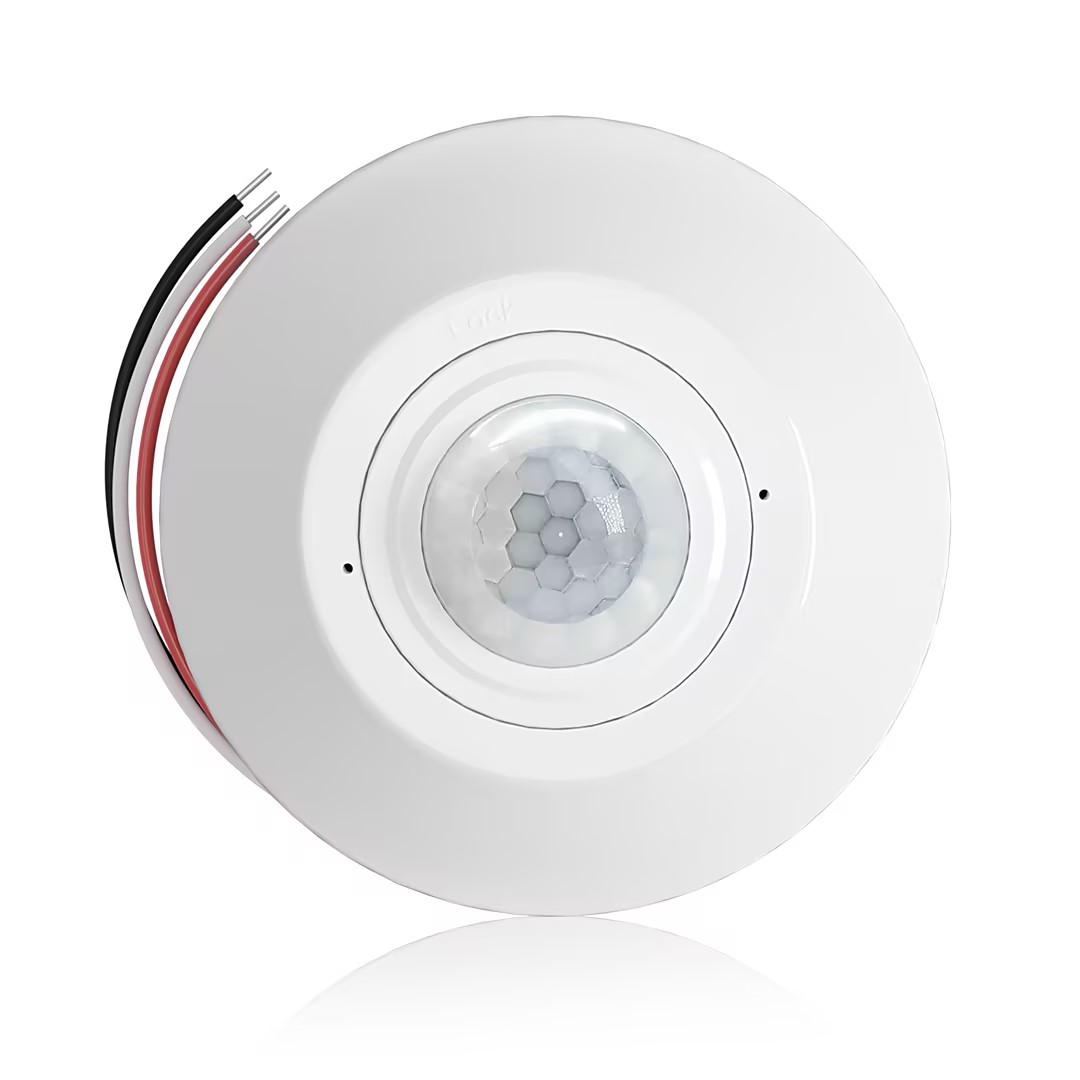
- مستشعر إشغال PIR للسقف مع مخرج مرحل اتصال جاف
- مصدر إمداد بالطاقة منخفض الجهد 12/24VDC أو 12/24VAC
- ملامسات مرحل معزولة (COM وNO وNC) لمدخلات التحكم في أنظمة إدارة الطاقة (EMS) والتدفئة والتهوية وتكييف الهواء (HVAC) وإدارة المباني
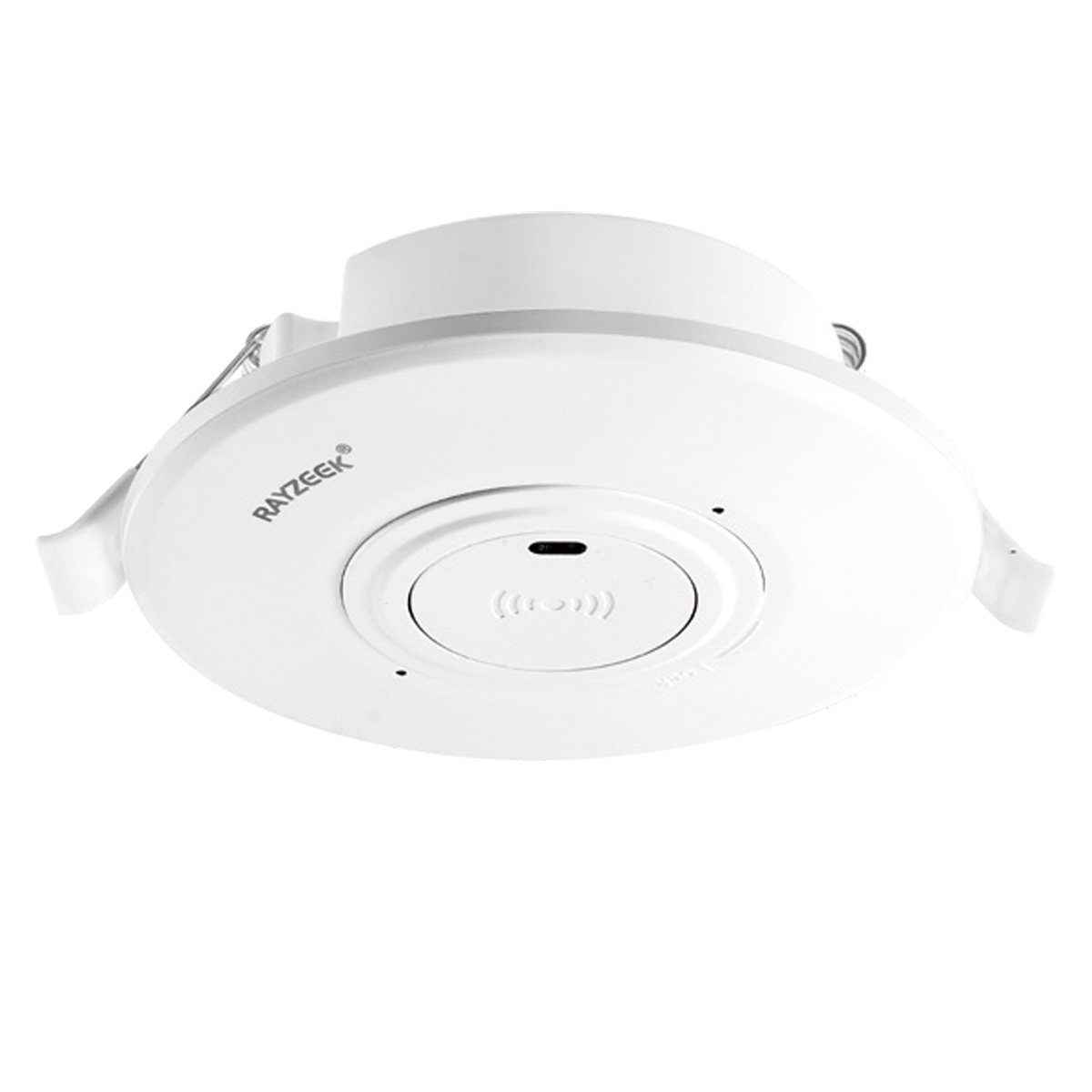
- مفتاح مستشعر الحركة بالموجات الدقيقة بجهد منخفض من التيار المستمر (DC) للتركيب الغاطس في السقف
- دخل 12 VDC / 24 VDC مع نطاق من 10 إلى 30 VDC
- تيار تشغيل أقصى 10A مع تأخير زمني قابل للتعديل، وعتبة إضاءة (Lux)، وحساسية قابلة للضبط
- مفتاح مستشعر الحركة بالموجات الدقيقة للأحمال العالية للتركيب الغاطس في السقف
- دخل جهد الخط 100-265 VAC، طراز 10A
- استشعار بالموجات الدقيقة بتردد 5.8 GHz مع تأخير زمني قابل للتعديل، وعتبة إضاءة (Lux)، وحساسية قابلة للضبط
- مفتاح مستشعر الحركة بالموجات الدقيقة للتركيب الغاطس في السقف
- دخل جهد الخط 100-265 VAC، طراز 5A
- استشعار بالموجات الدقيقة بتردد 5.8 GHz مع تأخير زمني قابل للتعديل، وعتبة إضاءة (Lux)، وحساسية قابلة للضبط
- خافض إضاءة بمستشعر الإشغال RZ037 PIR للتركيب السقفي بقدرة جهد 220V
- تيار تشغيل أقصى 3A مع حمل مقدر يبلغ 660W
- زر LUX للتحكم في تشغيل/إيقاف مستشعر الضوء ومستوى سطوع خفت الإضاءة المحدد من قبل المستخدم
- خافض إضاءة بمستشعر الإشغال RZ037 PIR للتركيب السقفي بقدرة جهد 110V
- تيار تشغيل أقصى 3A مع حمل مقدر يبلغ 330W
- زر LUX للتحكم في تشغيل/إيقاف مستشعر الضوء ومستوى سطوع خفت الإضاءة المحدد من قبل المستخدم
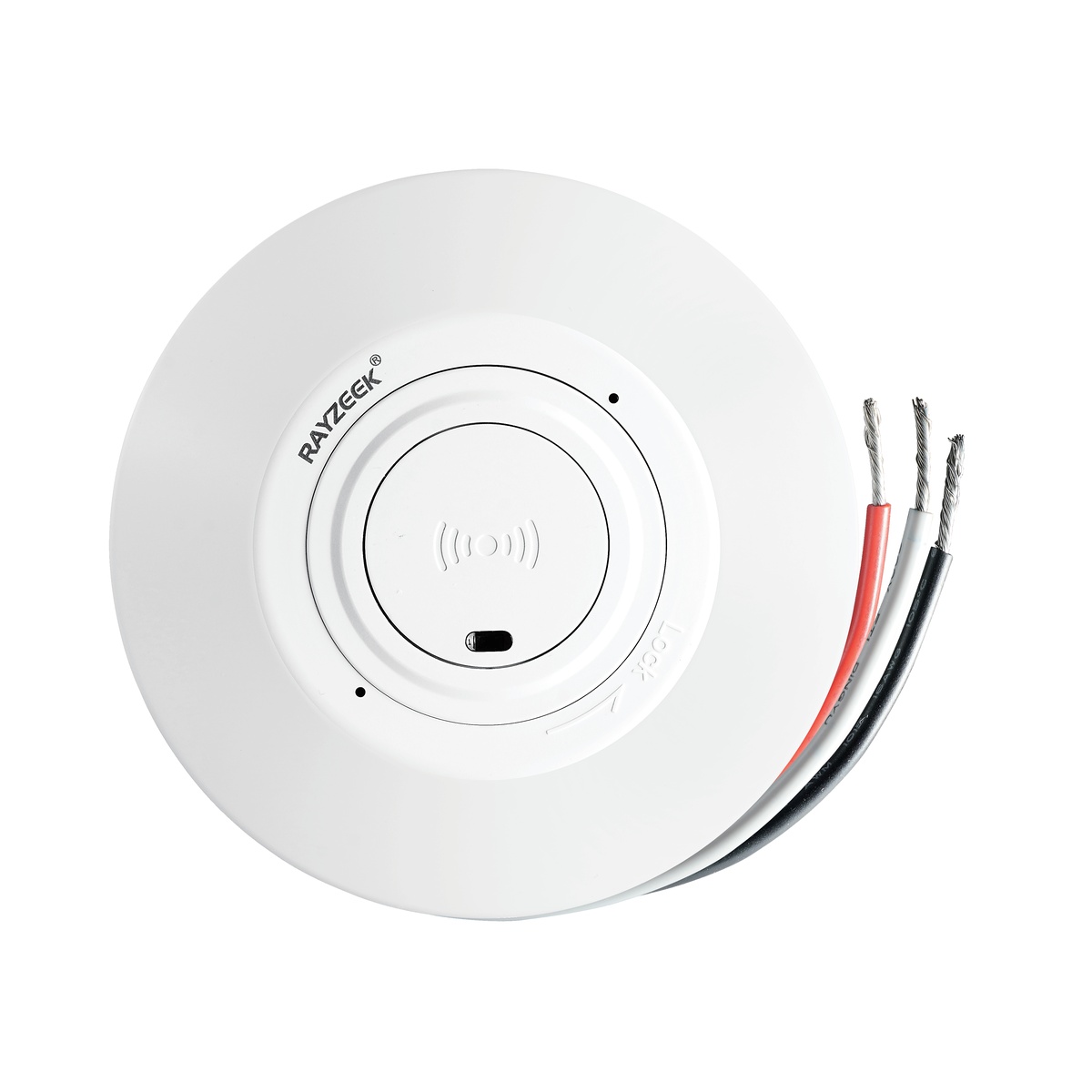
- مفتاح مستشعر حركة ميكروويف لسقف، يعمل بالتيار المستمر منخفض الجهد
- دخل 12 VDC / 24 VDC مع نطاق من 10 إلى 30 VDC
- تيار تشغيل أقصى 10A مع تأخير زمني قابل للتعديل، وعتبة إضاءة (Lux)، وحساسية قابلة للضبط
- مفتاح مستشعر حركة ميكروويف لسقف ذو حمل أعلى
- دخل جهد الخط 100-265 VAC، طراز 10A
- استشعار بالموجات الدقيقة بتردد 5.8 GHz مع تأخير زمني قابل للتعديل، وعتبة إضاءة (Lux)، وحساسية قابلة للضبط
- مفتاح مستشعر حركة ميكروويف لسقف
- دخل جهد الخط 100-265 VAC، طراز 5A
- استشعار بالموجات الدقيقة بتردد 5.8 GHz مع تأخير زمني قابل للتعديل، وعتبة إضاءة (Lux)، وحساسية قابلة للضبط
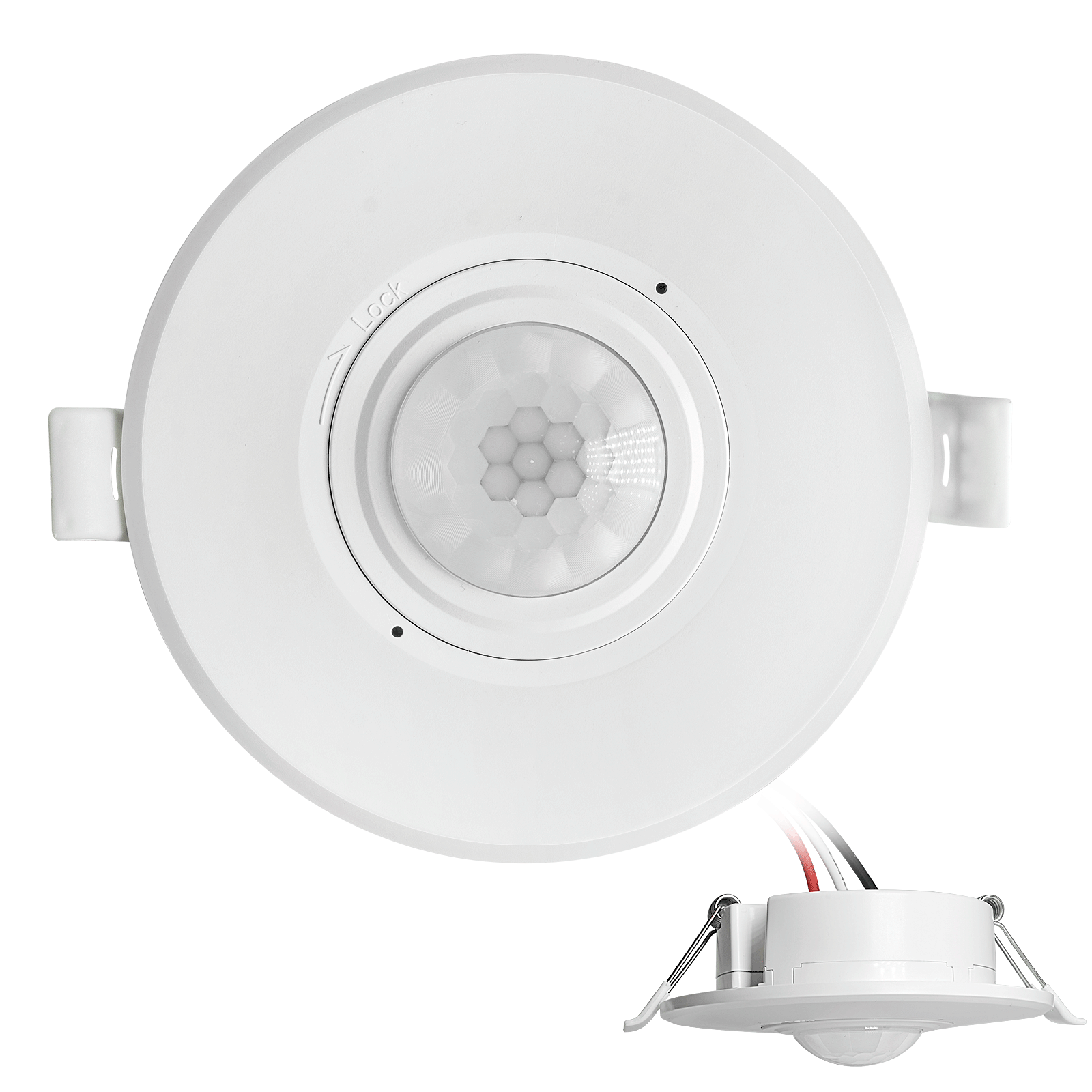
- مفتاح حساس الحركة للأشعة تحت الحمراء PIR المدمج للسقف يعمل بالتيار المستمر منخفض الجهد
- دخل 12 VDC / 24 VDC مع نطاق من 10 إلى 30 VDC
- أقصى تيار تشغيل 10A مع تأخير زمني قابل للتعديل وعتبة إضاءة (Lux) وحساسية قابلتين للتعديل
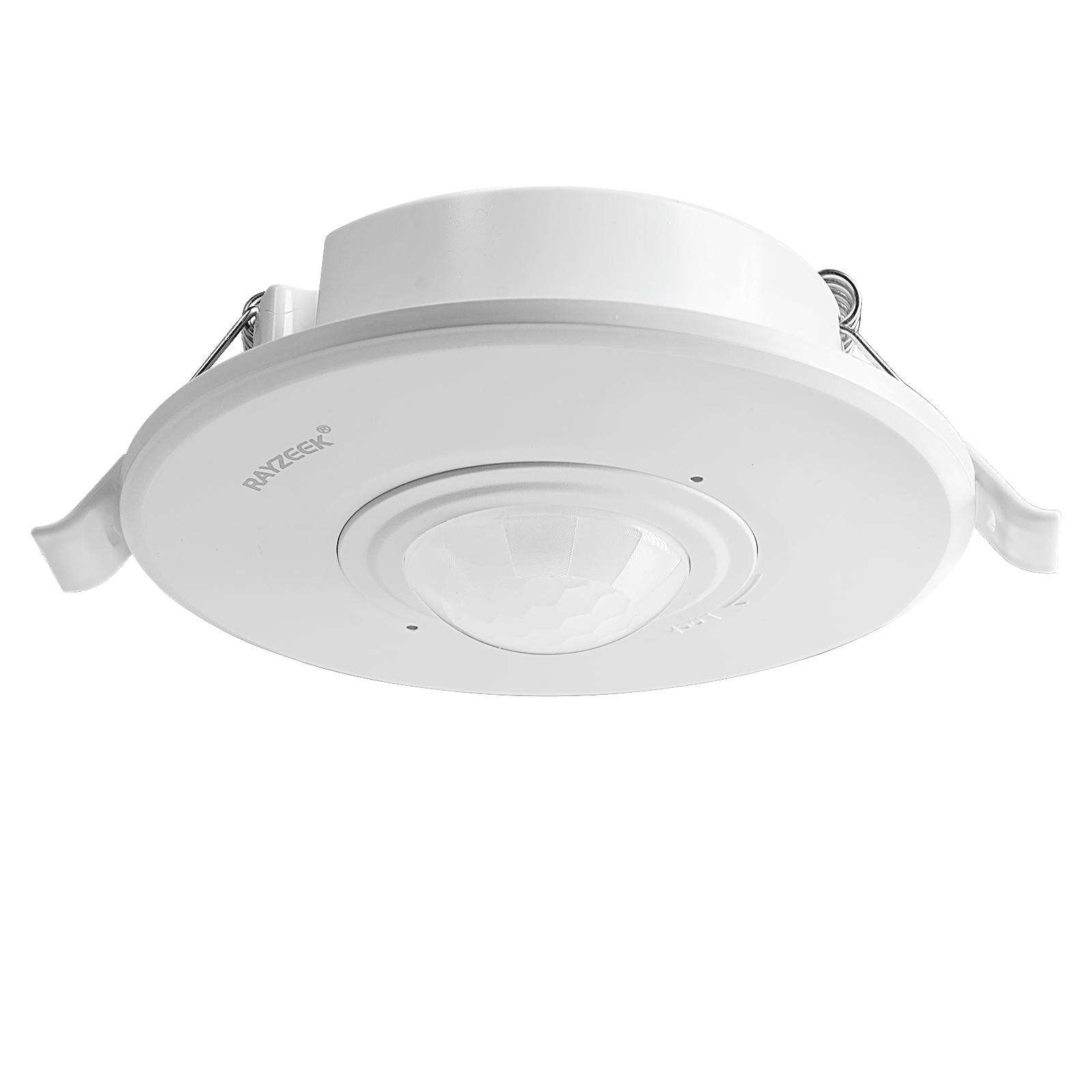
- مفتاح حساس الحركة للأشعة تحت الحمراء PIR المدمج للسقف للأحمال العالية
- دخل جهد الخط 100-265 VAC، طراز 10A
- كشف بزاوية 360 درجة مع تأخير زمني قابل للتعديل وعتبة إضاءة (Lux) وحساسية قابلتين للتعديل
- مفتاح حساس الحركة للأشعة تحت الحمراء PIR المدمج للسقف
- دخل جهد الخط 100-265 VAC، طراز 5A
- كشف بزاوية 360 درجة مع تأخير زمني قابل للتعديل وعتبة إضاءة (Lux) وحساسية قابلتين للتعديل
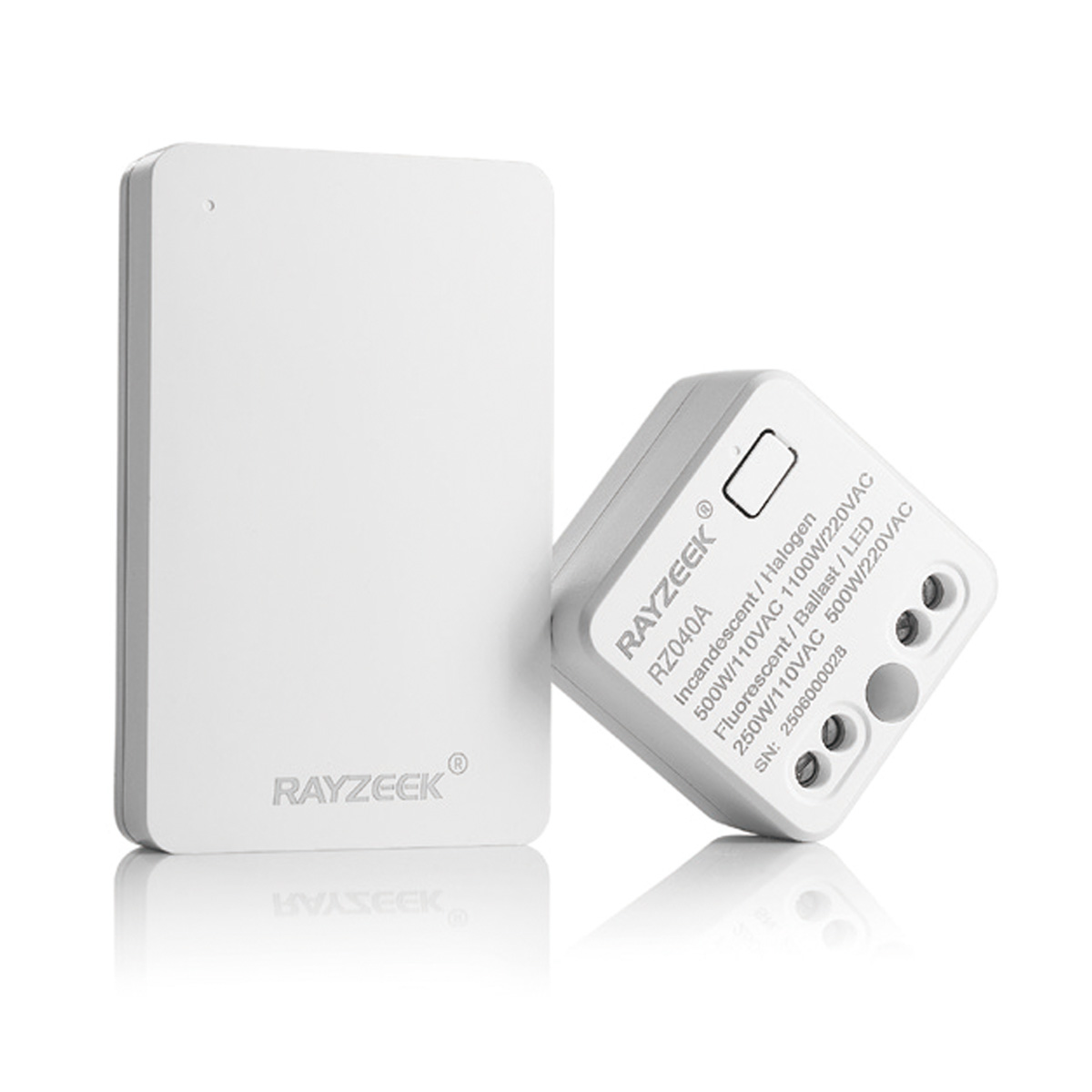
- طقم مفتاح ومستقبل لاسلكي للتحكم في تشغيل وإيقاف الإضاءة الداخلية
- مستقبل 100-230VAC، 50/60Hz بتيار مقدر 5A
- مفتاح لاسلكي يعمل ببطارية CR2032 مع اتصال بتردد 2.4GHz
- مستشعر شغور (تشغيل تلقائي/إيقاف تلقائي)
- 12–24V DC (10–30VDC)، حتى 10A
- تغطية 360 درجة، بقطر 8–12 م
- تأخير زمني من 15 ثانية إلى 30 دقيقة
- مستشعر إضاءة: إيقاف/15/25/35 لوكس
- حساسية عالية/منخفضة
- وضع الشغور بتشغيل تلقائي/إيقاف تلقائي
- 100–265V AC، 10A (يتطلب خط محايد)
- تغطية 360 درجة؛ قطر الكشف 8–12 م
- تأخير زمني من 15 ثانية إلى 30 دقيقة؛ شدة الإضاءة: إيقاف/15/25/35 لوكس؛ الحساسية: عالية/منخفضة
- وضع الشغور بتشغيل تلقائي/إيقاف تلقائي
- 100–265V AC, 5A (neutral required)
- تغطية 360 درجة؛ قطر الكشف 8–12 م
- تأخير زمني من 15 ثانية إلى 30 دقيقة؛ شدة الإضاءة: إيقاف/15/25/35 لوكس؛ الحساسية: عالية/منخفضة
- Purchase Price: Portable air conditioners typically range in price from $300 to $800 or more. The price depends on factors like cooling capacity (BTUs), brand, features (such as remote control, timers, and multiple fan speeds), and energy efficiency ratings.
- Operating Costs: The cost to run a portable air conditioner depends on several factors, including how often you use it, your local electricity rates, and the unit’s energy efficiency. For example, let’s say you have a 10,000 BTU portable AC with a CEER of 9. If you use it for 8 hours a day and your electricity rate is $0.15 per kilowatt-hour (kWh), it would cost approximately $1.33 per day to operate.
- Maintenance Costs: Maintenance costs are generally minimal. The main expense is replacing air filters, if your model uses disposable ones. These typically cost a few dollars each.
- Installation Costs: One of the great things about portable air conditioners is that they don’t usually involve any installation costs. They’re designed for easy DIY installation, so you can set them up yourself without needing to hire a professional.
However, one of the most effective ways to reduce operating costs is to ensure the AC isn’t running when it’s not needed. Forgetting to turn off the AC when leaving a room is a common occurrence that can significantly impact your energy bills. This is where a smart solution like the RZ050 AC Motion Sensor can make a real difference. This innovative device automatically turns off your air conditioner when it detects that the room is unoccupied, preventing unnecessary energy consumption and saving you money. By automating this process, the RZ050 helps you enjoy the comfort of a portable air conditioner without the worry of wasted energy and high operating costs.
RZ050 AC Motion Sensor – Save Money on Your Energy Bills
Reduce Your AC Operating Costs Automatically
- Automatically turns off your AC, saving you money
- Easy to install and use – start saving immediately
- Adjustable time delay to fit your lifestyle