
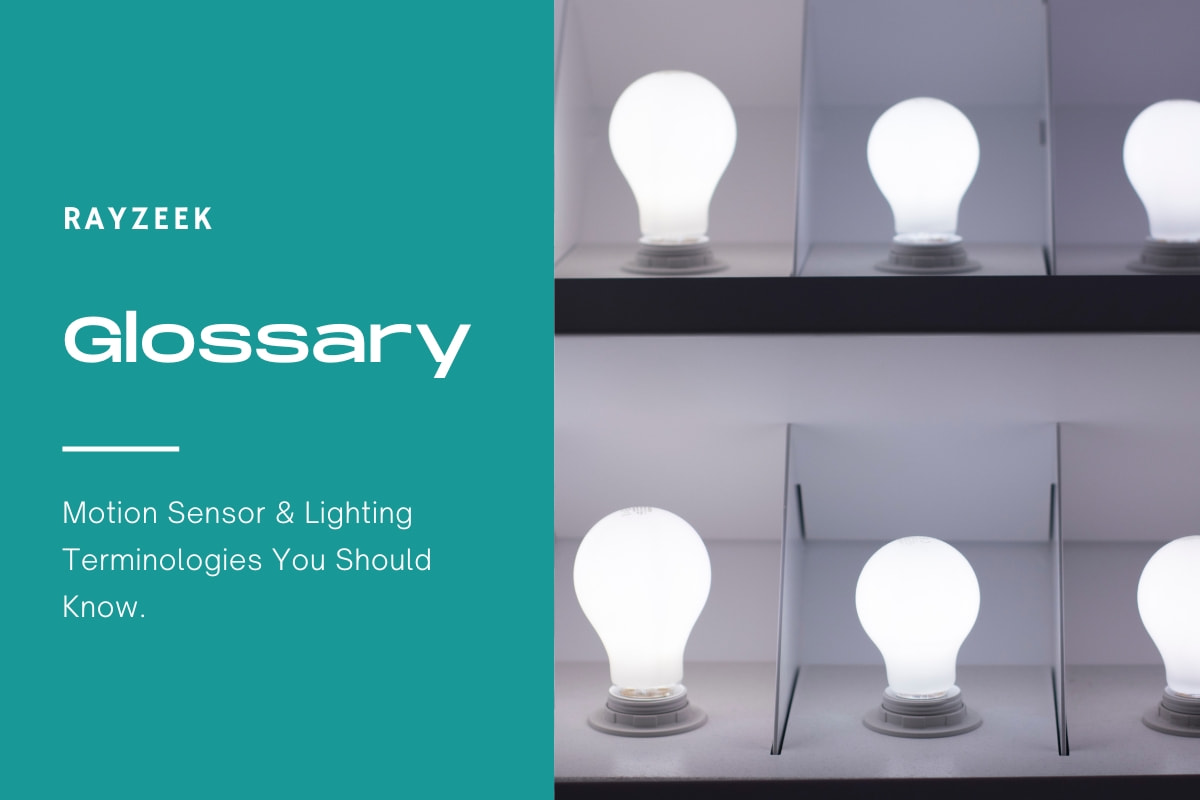
What is incandescent filament lamp
An incandescent filament lamp, also known as an incandescent lamp or bulb, is an electric light source that operates based on the principle of incandescence. Incandescence refers to the emission of light caused by heating a filament. These lamps are commonly used in various lighting applications and are known for their affordability.
The construction of an incandescent filament lamp involves several components. The lamp consists of a glass bulb that encloses a tungsten filament. The bulb is filled with an inert gas, typically argon or nitrogen, to reduce the evaporation of the filament and extend the lamp’s lifespan. The filament itself is made of tungsten, a metal with a high melting point and heat resistance.
The base of the lamp contains contact wires, which provide electrical connections to the filament. Support wires are also present to give support to the filament. The lamp includes a glass mount or support that is connected to the base, allowing electrical contacts to pass through the envelope without any air or gas leaks. The base of the lamp is typically made of brass, protected with plaster of Paris or porcelain, and may have an outer layer of aluminum for added strength. The lamp’s electrical foot contacts, located at the base, are coated with a material to protect against electricity.
Du kanske också är intresserad av

- Spänning: 2 AAA-batterier
- Dag-/nattläge
- Tidsfördröjning: 15 min, 30 min, 1 tim (standard), 2 tim

- Takmonterad PIR-närvarosensor med reläutgång för potentialfri kontakt
- 12/24VDC eller 12/24VAC lågspänningsförsörjning
- Isolerade reläkontakter (COM, NO och NC) för styringångar till EMS, VVS och fastighetsautomation

- Lågspänningsdriven (DC) infälld mikrovågsrörelsevakt för tak montering
- 12 VDC / 24 VDC-ingång med ett driftsområde på 10–30 VDC
- Maximal arbetsström på 10A med inställbar tidsfördröjning, Lux-tröskelvärde och känslighet
- Infälld mikrovågsrörelsevakt för tak avsedd för högre belastning
- 100–265 VAC nätspänningsingång, 10A-modell
- 5,8 GHz mikrovågsdetektering med inställbar tidsfördröjning, Lux-tröskelvärde och känslighet
- Infälld takmonterad mikrovågsrörelsesensorbrytare
- 100–265 VAC nätspänningsingång, 5A-modell
- 5,8 GHz mikrovågsdetektering med inställbar tidsfördröjning, Lux-tröskelvärde och känslighet
- Takmonterad RZ037 PIR-närvarosensordimmer för 220V-ström
- 3A maximal arbetsström med 660W märkeffekt
- LUX-knapp styr ljussensor PÅ/AV och användarinställd dimringsnivå
- Takmonterad RZ037 PIR-närvarosensordimmer för 110V-ström
- 3A maximal arbetsström med 330W märkeffekt
- LUX-knapp styr ljussensor PÅ/AV och användarinställd dimringsnivå

- Lågspännings-DC takmonterad mikrovågsrörelsesensorbrytare
- 12 VDC / 24 VDC-ingång med ett driftsområde på 10–30 VDC
- Maximal arbetsström på 10A med inställbar tidsfördröjning, Lux-tröskelvärde och känslighet
- Takmonterad mikrovågsrörelsesensorbrytare för högre belastning
- 100–265 VAC nätspänningsingång, 10A-modell
- 5,8 GHz mikrovågsdetektering med inställbar tidsfördröjning, Lux-tröskelvärde och känslighet
- Takmonterad mikrovågsrörelsesensorbrytare
- 100–265 VAC nätspänningsingång, 5A-modell
- 5,8 GHz mikrovågsdetektering med inställbar tidsfördröjning, Lux-tröskelvärde och känslighet

- Lågspännings-DC infälld takmonterad PIR-rörelsesensorströmbrytare
- 12 VDC / 24 VDC-ingång med ett driftsområde på 10–30 VDC
- Max arbetsström 10A med inställbar tidsfördröjning, Lux-tröskelvärde och känslighet

- Infälld takmonterad PIR-rörelsesensorströmbrytare för högre belastning
- 100–265 VAC nätspänningsingång, 10A-modell
- 360-graders detektering med inställbar tidsfördröjning, Lux-tröskelvärde och känslighet
- Infälld takmonterad PIR-rörelsesensorströmbrytare
- 100–265 VAC nätspänningsingång, 5A-modell
- 360-graders detektering med inställbar tidsfördröjning, Lux-tröskelvärde och känslighet

- Trådlöst strömbrytar- och mottagarkit för inomhus belysningsstyrning ON/OFF
- 100-230VAC, 50/60Hz-mottagare med 5A märkström
- CR2032-driven trådlös strömbrytare med 2,4GHz-kommunikation
- Närvaro (Auto-ON/Auto-OFF)
- 12–24V DC (10–30VDC), upp till 10A
- 360° täckning, 8–12 m diameter
- Tidsfördröjning 15 s–30 min
- Ljussensor Off/15/25/35 Lux
- Hög/Låg känslighet
- Automatisk På/Automatisk Av närvaroläge
- 100–265V AC, 10A (nolla krävs)
- 360° täckning; 8–12 m detekteringsdiameter
- Tidsfördröjning 15 s–30 min; Lux AV/15/25/35; Känslighet Hög/Låg
- Automatisk På/Automatisk Av närvaroläge
- 100–265V AC, 5A (nolla krävs)
- 360° täckning; 8–12 m detekteringsdiameter
- Tidsfördröjning 15 s–30 min; Lux AV/15/25/35; Känslighet Hög/Låg
In terms of operation, an incandescent filament lamp works by passing an electric current through the filament. As the filament heats up, it emits light, producing illumination. Tungsten filaments used in these lamps can reach temperatures as high as 4,500 degrees Fahrenheit. The glass enclosure of the lamp prevents oxygen from reaching the filament, preventing it from overheating and oxidizing.
Incandescent filament lamps are commonly used for task lighting and are available in various sizes, voltages, and wattages. They are often used with dimmers in many applications. These lamps have a relatively short lifespan, typically around 800 hours, and are known for their high energy consumption. However, they remain popular due to their low cost and versatility in different lighting scenarios.
Letar du efter rörelsestyrda energisparande lösningar?
Kontakta oss för kompletta PIR-rörelsesensorer, rörelseaktiverade energisparprodukter, rörelsesensorbrytare och kommersiella lösningar för närvaro/frånvaro (Occupancy/Vacancy).
Vanliga frågor
What Is Difference Between Incandescent and LED
Incandescent bulbs are the traditional type of bulb that generate light by heating a wire with electricity. On the other hand, LEDs (light-emitting diodes) use semi-conductive material and electrodes to emit visible light when a current passes through them.
Is There a Ban on Incandescent Light Bulbs in 2023
The Department of Energy (DOE) is not implementing a complete ban on incandescent light bulbs. Instead, they are specifically targeting the ones that are commonly used in homes and are not energy efficient. The DOE issued a warning to manufacturers and retailers about this change in January, and it will be fully enforced starting in July 2023.
What Light Bulb Is the Brightest
LED light bulbs are the brightest option available. They utilize a light-emitting diode (LED), which is a solid-state semiconductor that emits light when an electric current passes through it. These bulbs are highly efficient, emitting more lumens per watt, and have a lifespan that is 20 times longer than incandescent bulbs.
What Is the Most Efficient Home Lighting
LED bulbs are considered the most efficient choice for home lighting. In addition to being energy efficient, they provide various advantages such as long lifespan, high brightness, and reduced electricity expenses. LEDs consume less power to produce a significant amount of brightness while operating at a low temperature. On average, LED bulbs can last up to 25,000 hours.
What Is Better LED or Incandescent
LED bulbs are a much more energy-efficient option compared to incandescent lights. According to Energy.gov, LEDs consume 75% less energy than incandescents. Additionally, they have a significantly longer lifespan, lasting up to 25 times longer. Unlike incandescent bulbs, which burn out quickly, LEDs can endure multiple years of regular use.
Is a 60 Watt LED Bulb Brighter Than a 60 Watt Incandescent Bulb
Lumens are used to measure brightness. In the case of a 60-watt incandescent bulb, it produces approximately 800 lumens of light. However, an LED bulb, which only uses about 9 watts, also produces the same 800 lumens.







