

What is Lamp
A lamp refers to both a light source and a light fixture that includes the bulb. This can cause confusion as the term is often used interchangeably with other lighting terms. When someone asks for a “lamp” at a DIY store, the seller may not know what they are referring to unless they specify the type of lamp they are looking for, such as a desk lamp or a floor lamp for a cabinet.
Specifically, a lamp can be defined as the component of a lighting fixture that emits light. It is the part of the fixture that produces the actual illumination. Lamps come in various types, including incandescent, fluorescent, or LED. They generally have standard bases that fit into compatible fixtures, and the compatibility of the lamp base with the fixture socket is crucial for proper installation and operation.
Maybe You Are Interested In

- Ceiling-mounted PIR occupancy sensor with dry-contact relay output
- 12/24VDC or 12/24VAC low-voltage supply
- COM, NO, and NC isolated relay contacts for EMS, HVAC, and building control inputs

- Low-voltage DC recessed ceiling-mounted microwave motion sensor switch
- 12 VDC / 24 VDC input with 10-30 VDC range
- 10A max work current with adjustable time delay, Lux threshold, and sensitivity
- Higher-load recessed ceiling-mounted microwave motion sensor switch
- 100-265 VAC line-voltage input, 10A model
- 5.8 GHz microwave sensing with adjustable time delay, Lux threshold, and sensitivity
- Recessed ceiling-mounted microwave motion sensor switch
- 100-265 VAC line-voltage input, 5A model
- 5.8 GHz microwave sensing with adjustable time delay, Lux threshold, and sensitivity
- Ceiling-mounted RZ037 PIR occupancy sensor dimmer for 220V power
- 3A maximum working current with 660W rated load
- LUX button controls light-sensor ON/OFF and user-set dimming brightness
- Ceiling-mounted RZ037 PIR occupancy sensor dimmer for 110V power
- 3A maximum working current with 330W rated load
- LUX button controls light-sensor ON/OFF and user-set dimming brightness

- Low-voltage DC ceiling-mounted microwave motion sensor switch
- 12 VDC / 24 VDC input with 10-30 VDC range
- 10A max work current with adjustable time delay, Lux threshold, and sensitivity
- Higher-load ceiling-mounted microwave motion sensor switch
- 100-265 VAC line-voltage input, 10A model
- 5.8 GHz microwave sensing with adjustable time delay, Lux threshold, and sensitivity
- Ceiling-mounted microwave motion sensor switch
- 100-265 VAC line-voltage input, 5A model
- 5.8 GHz microwave sensing with adjustable time delay, Lux threshold, and sensitivity

- Low-voltage DC recessed ceiling mount PIR motion sensor switch
- 12 VDC / 24 VDC input with 10-30 VDC range
- Max work current 10A with adjustable time delay, Lux threshold, and sensitivity

- Higher-load recessed ceiling mount PIR motion sensor switch
- 100-265 VAC line-voltage input, 10A model
- 360-degree detection with adjustable time delay, Lux threshold, and sensitivity
- Recessed ceiling mount PIR motion sensor switch
- 100-265 VAC line-voltage input, 5A model
- 360-degree detection with adjustable time delay, Lux threshold, and sensitivity

- Wireless switch and receiver kit for indoor ON/OFF lighting control
- 100-230VAC, 50/60Hz receiver with 5A rated current
- CR2032-powered wireless switch with 2.4GHz communication
- Occupancy (Auto-ON/Auto-OFF)
- 12–24V DC (10–30VDC), up to 10A
- 360° coverage, 8–12 m diameter
- Time delay 15 s–30 min
- Light sensor Off/15/25/35 Lux
- High/Low sensitivity
- Auto-ON/Auto-OFF occupancy mode
- 100–265V AC, 10A (neutral required)
- 360° coverage; 8–12 m detection diameter
- Time delay 15 s–30 min; Lux OFF/15/25/35; Sensitivity High/Low
- Auto-ON/Auto-OFF occupancy mode
- 100–265V AC, 5A (neutral required)
- 360° coverage; 8–12 m detection diameter
- Time delay 15 s–30 min; Lux OFF/15/25/35; Sensitivity High/Low
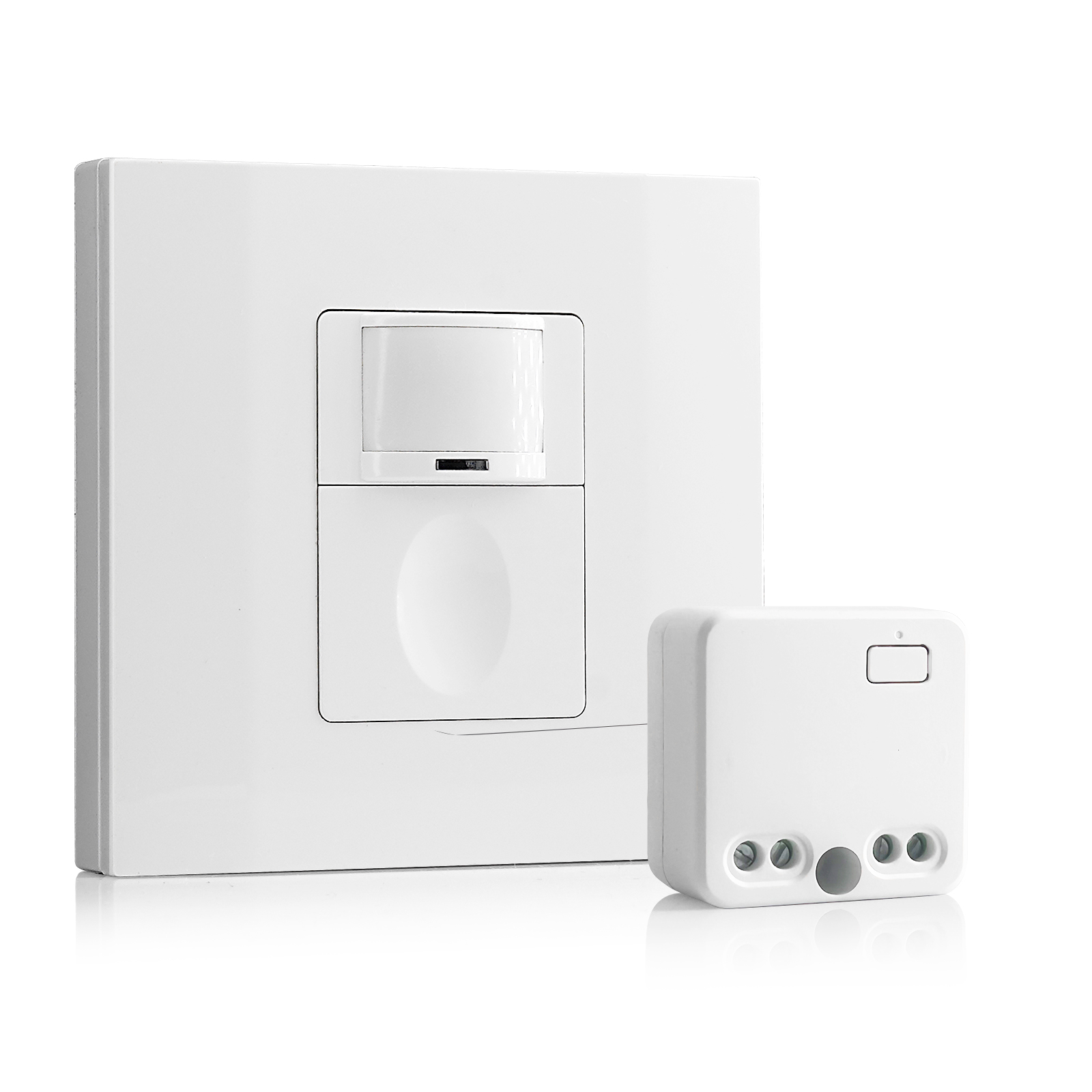
- 100V-230VAC
- Transmission Distance: up to 20m
- Wireless motion sensor
- Hardwired control
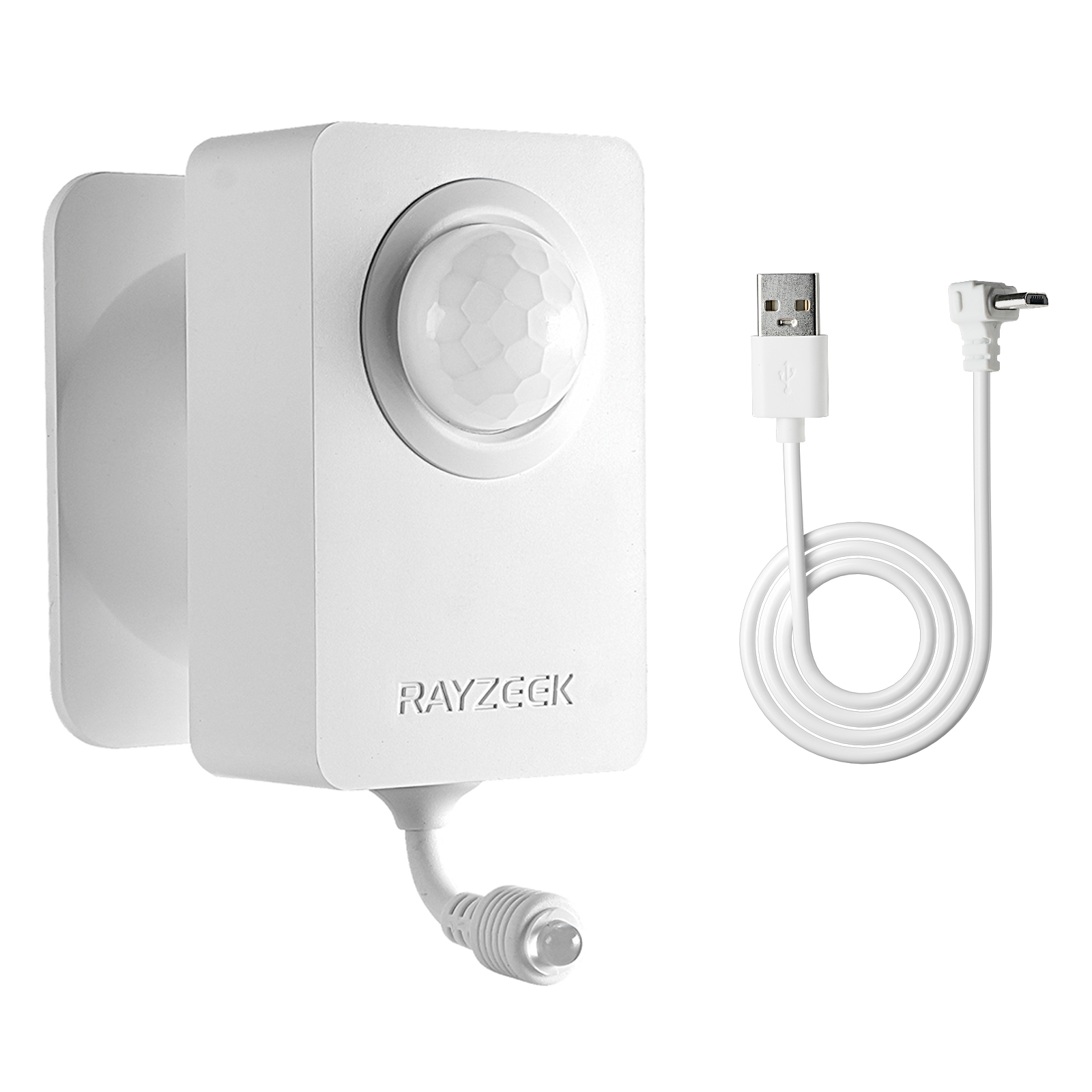
- Voltage: 2x AAA Batteries / 5V DC (Micro USB)
- Day/Night Mode
- Time delay: 15min, 30min, 1h(default), 2h
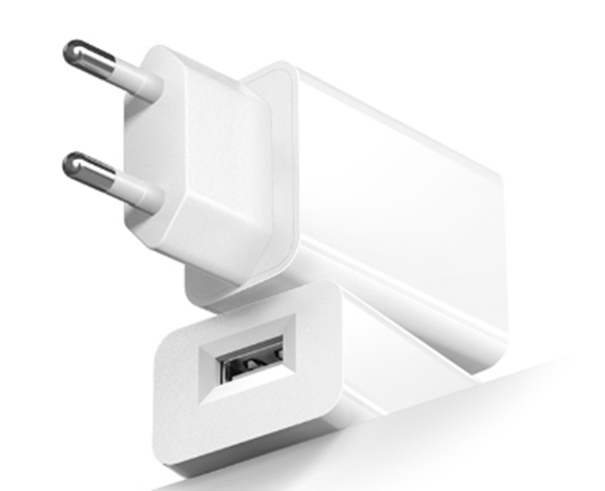
- EU plug power adapter
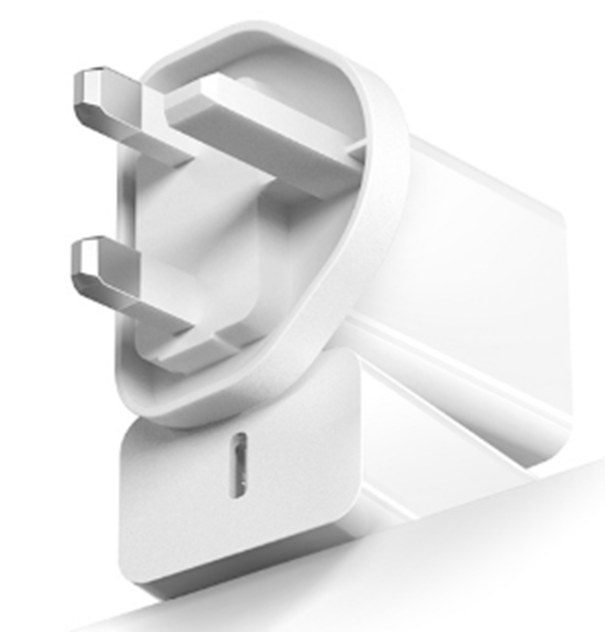
- UK plug power adapter
It is worth noting that some lamps have built-in ballasts or drivers, while others are connected to external ones contained in the fixture. This refers to the different types of lamp technologies and their associated control components. For example, fluorescent lamps require ballasts to regulate the current flow, while LED lamps often have built-in drivers that convert the electrical power to the appropriate form for the LEDs.
Get Inspired by Rayzeek Motion Sensor Portfolios.
Doesn't find what you want? Don't worry. There are always alternate ways to solve your problems. Maybe one of our portfolios can help.
Frequently Asked Questions
What Is the Difference Between a Lamp and a Ceiling Light
The primary distinction between lamps and ceiling lights lies in the type of lighting they emit and the resulting ambiance they create. Unlike ceiling lights, which tend to be bright and have a wide reach, lamps can be adjusted to produce a softer glow in a specific area, fostering a more tranquil and cozy atmosphere.
What Is the Lamp on the Ceiling Called
Recessed light fixtures, also known as recessed can lights or downlights, are flush with the ceiling and are ideal for rooms with low ceilings. These fixtures consist of three main components: the housing, the trim, and the type of bulb or lamp used.
What Is Considered a Lamp
A lamp is typically defined as a device that emits both light and heat. It commonly operates using electricity and is equipped with a lightbulb. In the United States, lamps are commonly referred to as desk lamps or floor lamps.
What Is Lamp vs Light
A light is a general term for any electric device that emits light. On the other hand, a lamp refers to a more specific design, such as a table lamp, desk lamp, or lamp post. Lamps are typically used to illuminate a specific area within a space.
What Does a Lamp Rating Mean
The lamp rating refers to the power dissipated by a light bulb when it is connected to a specific voltage. In the case of a 110V DC potential difference, the voltage rating indicates the power dissipated by the bulb. To illustrate, if a 50 W and 100 W bulb are connected in series to a 110V DC source, the question asks how much power will be dissipated in the 50 W bulb (in W).
Why Is It Called a Lamp
Around the 7th century BC, the Greeks started producing terracotta lamps as a substitute for handheld torches. The term “lamp” originates from the Greek word “lampas,” which translates to “torch.”







