

What is Induction Lamp
An induction lamp is a type of lighting technology which operates based on the principle of magnetic induction, utilizing external radio-frequency or microwave radiation to stimulate the gases and metals within the lamp tube. This stimulation causes the emission of ultraviolet (UV) radiation. To produce visible light, a phosphor coating is applied to the lamp tube, which is then excited by the UV radiation and emits the desired wavelengths of visible light.
Looking For Motion-Activated Energy-Saving Solutions?
Contact us for complete PIR motion sensors, motion-activated energy-saving products, motion sensor switches, and Occupancy/Vacancy commercial solutions.
Induction lamps offer several advantages over traditional fluorescent lamps. They have a longer lifespan due to the absence of internal electrodes, which are a common point of failure in regular fluorescent lamps. Additionally, induction lamps are known for their energy efficiency, improved safety conditions, enhanced visual performance, and environmental friendliness.
There are two types of induction lamps: internal magnetic induction lamps and external magnetic induction lamps.
Maybe You Are Interested In

- Ceiling-mounted PIR occupancy sensor with dry-contact relay output
- 12/24VDC or 12/24VAC low-voltage supply
- COM, NO, and NC isolated relay contacts for EMS, HVAC, and building control inputs

- Low-voltage DC recessed ceiling-mounted microwave motion sensor switch
- 12 VDC / 24 VDC input with 10-30 VDC range
- 10A max work current with adjustable time delay, Lux threshold, and sensitivity
- Higher-load recessed ceiling-mounted microwave motion sensor switch
- 100-265 VAC line-voltage input, 10A model
- 5.8 GHz microwave sensing with adjustable time delay, Lux threshold, and sensitivity
- Recessed ceiling-mounted microwave motion sensor switch
- 100-265 VAC line-voltage input, 5A model
- 5.8 GHz microwave sensing with adjustable time delay, Lux threshold, and sensitivity
- Ceiling-mounted RZ037 PIR occupancy sensor dimmer for 220V power
- 3A maximum working current with 660W rated load
- LUX button controls light-sensor ON/OFF and user-set dimming brightness
- Ceiling-mounted RZ037 PIR occupancy sensor dimmer for 110V power
- 3A maximum working current with 330W rated load
- LUX button controls light-sensor ON/OFF and user-set dimming brightness

- Low-voltage DC ceiling-mounted microwave motion sensor switch
- 12 VDC / 24 VDC input with 10-30 VDC range
- 10A max work current with adjustable time delay, Lux threshold, and sensitivity
- Higher-load ceiling-mounted microwave motion sensor switch
- 100-265 VAC line-voltage input, 10A model
- 5.8 GHz microwave sensing with adjustable time delay, Lux threshold, and sensitivity
- Ceiling-mounted microwave motion sensor switch
- 100-265 VAC line-voltage input, 5A model
- 5.8 GHz microwave sensing with adjustable time delay, Lux threshold, and sensitivity

- Low-voltage DC recessed ceiling mount PIR motion sensor switch
- 12 VDC / 24 VDC input with 10-30 VDC range
- Max work current 10A with adjustable time delay, Lux threshold, and sensitivity

- Higher-load recessed ceiling mount PIR motion sensor switch
- 100-265 VAC line-voltage input, 10A model
- 360-degree detection with adjustable time delay, Lux threshold, and sensitivity
- Recessed ceiling mount PIR motion sensor switch
- 100-265 VAC line-voltage input, 5A model
- 360-degree detection with adjustable time delay, Lux threshold, and sensitivity

- Wireless switch and receiver kit for indoor ON/OFF lighting control
- 100-230VAC, 50/60Hz receiver with 5A rated current
- CR2032-powered wireless switch with 2.4GHz communication
- Occupancy (Auto-ON/Auto-OFF)
- 12–24V DC (10–30VDC), up to 10A
- 360° coverage, 8–12 m diameter
- Time delay 15 s–30 min
- Light sensor Off/15/25/35 Lux
- High/Low sensitivity
- Auto-ON/Auto-OFF occupancy mode
- 100–265V AC, 10A (neutral required)
- 360° coverage; 8–12 m detection diameter
- Time delay 15 s–30 min; Lux OFF/15/25/35; Sensitivity High/Low
- Auto-ON/Auto-OFF occupancy mode
- 100–265V AC, 5A (neutral required)
- 360° coverage; 8–12 m detection diameter
- Time delay 15 s–30 min; Lux OFF/15/25/35; Sensitivity High/Low
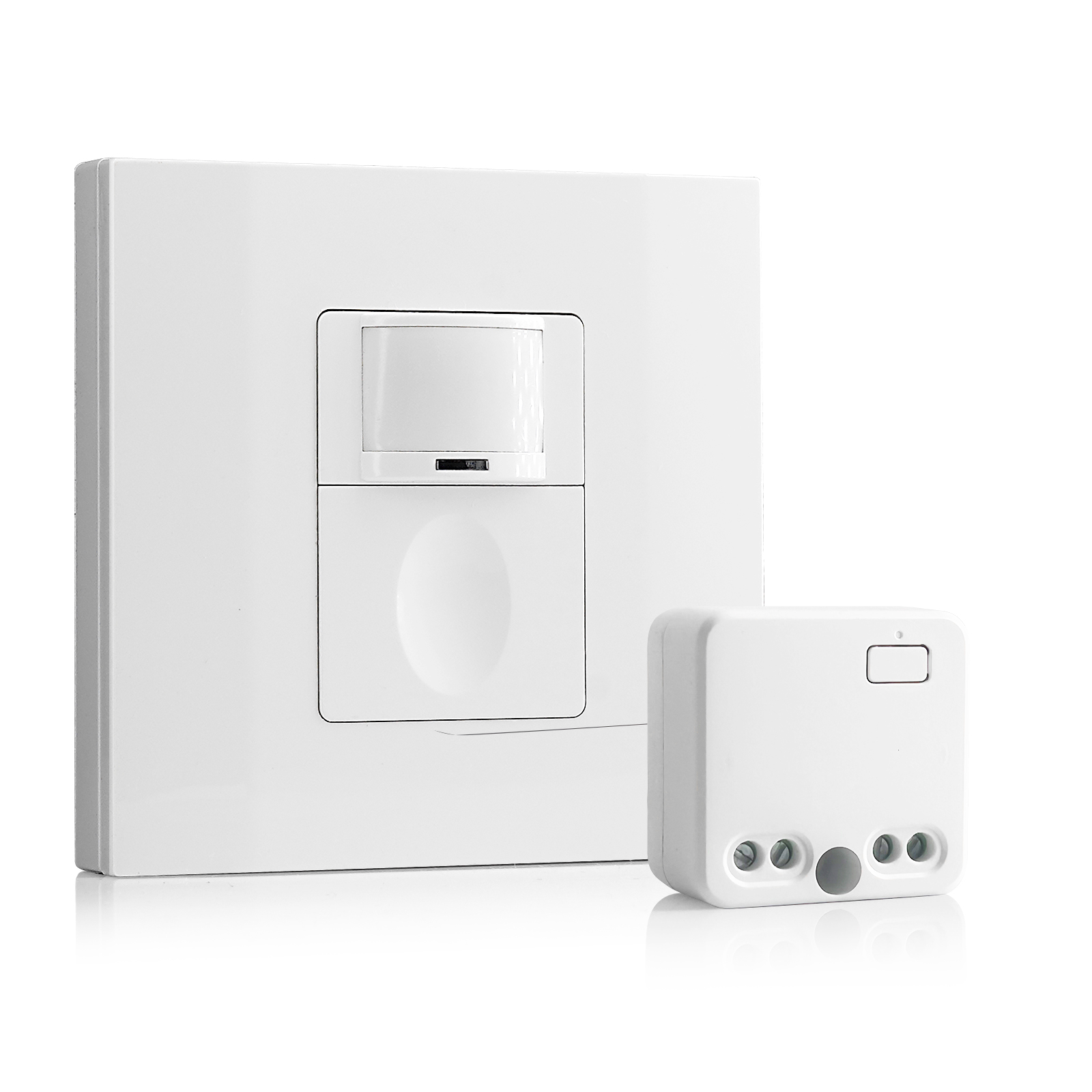
- 100V-230VAC
- Transmission Distance: up to 20m
- Wireless motion sensor
- Hardwired control
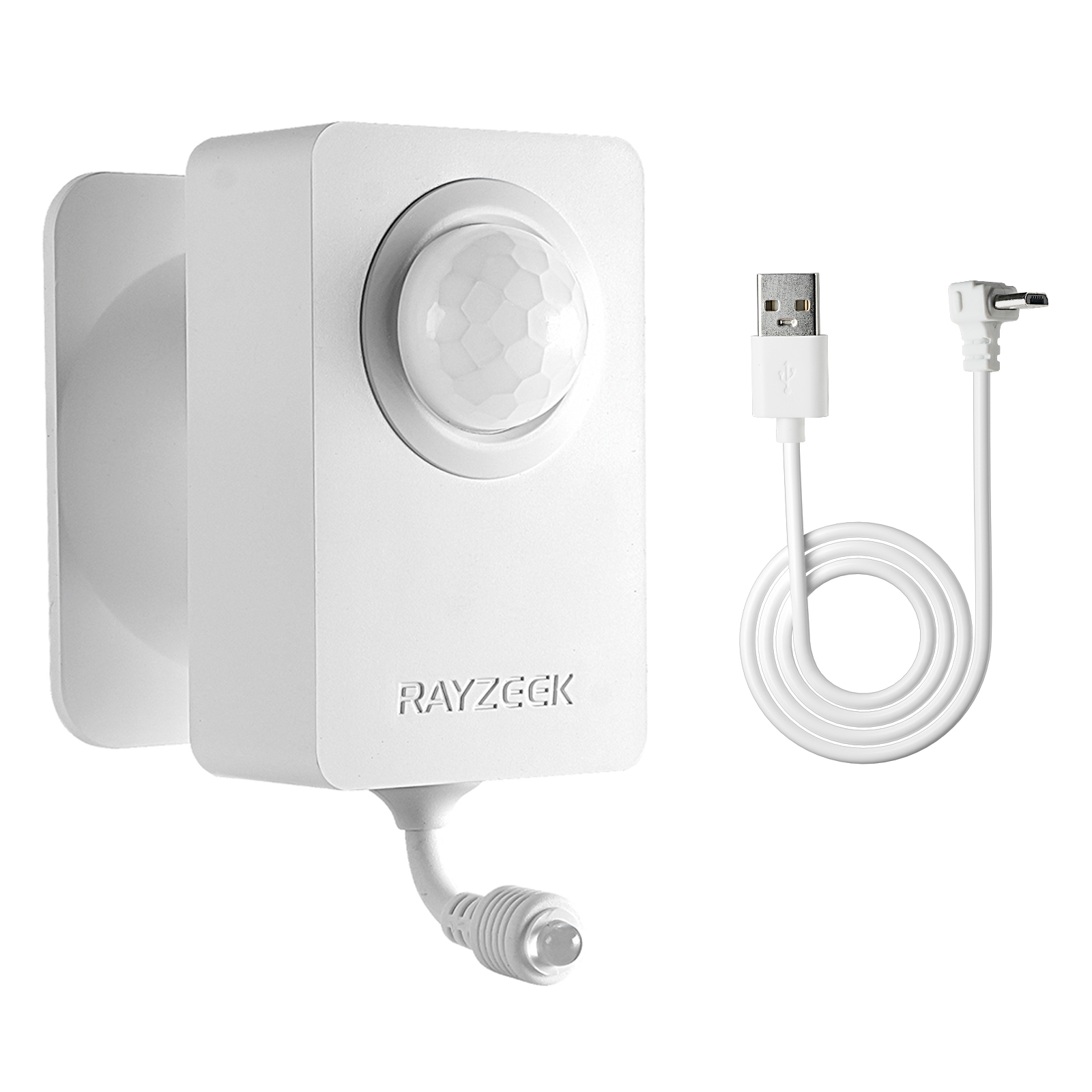
- Voltage: 2x AAA Batteries / 5V DC (Micro USB)
- Day/Night Mode
- Time delay: 15min, 30min, 1h(default), 2h
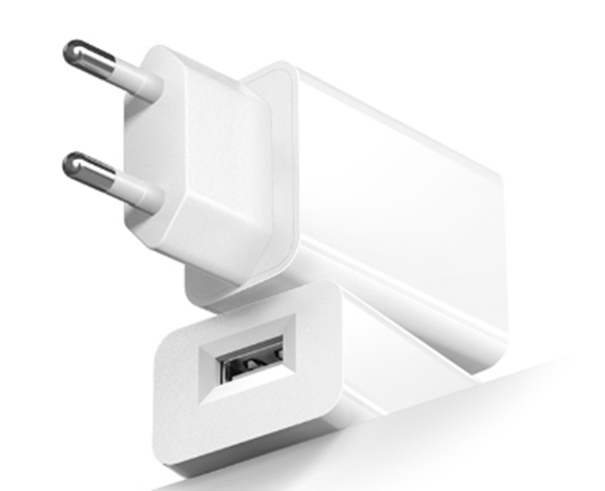
- EU plug power adapter
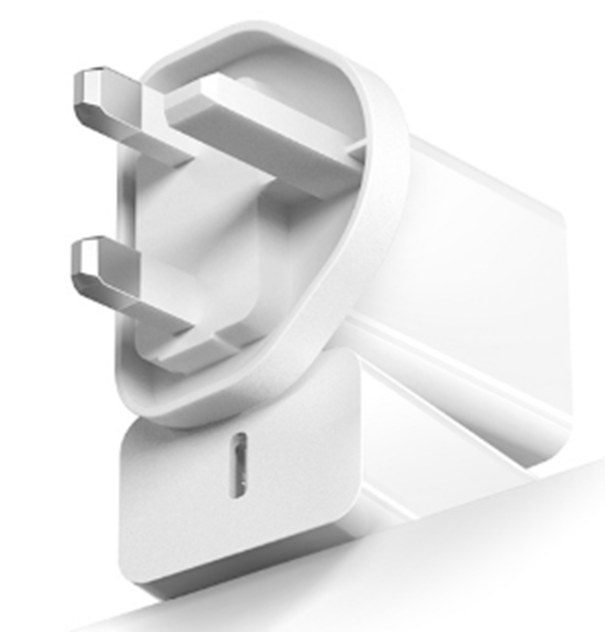
- UK plug power adapter
- Internal magnetic induction lamps feature a light bulb-shaped glass lamp with a central cavity coated with phosphors. This cavity is filled with inert gas and a pellet of mercury amalgam. An induction coil, excited by high-frequency energy from an external electronic ballast or generator, is wound around a ferrite shaft inserted into the central cavity. The coil creates a magnetic field that excites the mercury atoms, leading to the emission of UV light that is converted to visible light by the phosphor coating.
- External magnetic induction lamps, on the other hand, are similar to fluorescent lamps but with electromagnets wrapped around a section of the lamp tube. High-frequency energy from an electronic ballast is sent through wires wrapped in a coil around a ferrite inductor, generating a powerful magnetic field. This field excites the mercury atoms inside the lamp, causing the emission of UV light that is then converted to visible light by the phosphor coating.
Frequently Asked Questions
What Does Induction Mean in Lighting
Induction lighting refers to a type of fluorescent lighting technology that utilizes electromagnetic energy to initiate a series of reactions, resulting in the production of light by phosphors. Unlike conventional fluorescent lighting, induction lighting does not have a filament or electrodes, making it more efficient and significantly longer-lasting.
What Is Induction Lamps Used For
This type of lighting has a long history of over 100 years and can last up to 100,000 hours. Due to its durability, induction lighting is commonly utilized in industrial settings like factories and for roadway lighting in street lights.
What Is a Major Advantage of Using Induction Type Lamps
The primary benefit of utilizing induction type lamps is that they do not have electrodes, which are a common point of failure in traditional fluorescent lamps. As a result, induction lamps have an exceptionally long lifespan, rated at 100,000 hours.
What Is the Difference Between Fluorescent Lamp and Induction Lamp
Induction lamps distinguish themselves from fluorescent lamps by not utilizing internal electrodes. Instead, they employ a high-frequency generator with a power coupler. This generator generates a radio frequency magnetic field to stimulate the gas fill.







