

What is Passive Infrared Detection
Passive infrared detection, also known as PIR detection, is a method of motion detection based on changes in infrared radiation. PIR sensors, which are commonly used in lighting systems, detect the infrared radiation emitted by or reflected from objects in their field of view. Unlike active sensors, PIR sensors do not emit energy themselves but rely on detecting existing radiation. This makes them energy-efficient and cost-effective solutions for motion detection.
PIR sensors consist of a detector and a lens that focuses the infrared radiation onto the detector. When a heat source, such as a person or a large animal, moves within the detection range of the sensor, the captured thermal image changes. This change in infrared radiation triggers the detector, which then sends a signal to the lighting system to activate or deactivate the lights accordingly.
Talvez esteja interessado em

- Sensor de ocupação PIR de montagem no teto com saída de relé de contacto seco
- Alimentação de baixa tensão de 12/24VDC ou 12/24VAC
- Contactos de relé isolados COM, NO e NC para entradas de EMS, AVAC e controlo de edifícios

- Interruptor com sensor de movimento micro-ondas de teto embutido de baixa tensão DC
- Entrada de 12 VDC / 24 VDC com intervalo de 10-30 VDC
- Corrente máxima de funcionamento de 10A com temporizador, limite de Lux e sensibilidade ajustáveis
- Interruptor com sensor de movimento micro-ondas de teto embutido para cargas mais elevadas
- Entrada de tensão de linha de 100-265 VAC, modelo de 10A
- Deteção por micro-ondas de 5.8 GHz com temporizador, limite de Lux e sensibilidade ajustáveis
- Interruptor com sensor de movimento micro-ondas de teto embutido
- Entrada de tensão de linha de 100-265 VAC, modelo de 5A
- Deteção por micro-ondas de 5.8 GHz com temporizador, limite de Lux e sensibilidade ajustáveis
- Regulador de intensidade com sensor de ocupação PIR RZ037 de montagem no teto para alimentação de 220V
- Corrente máxima de funcionamento de 3A com carga nominal de 660W
- O botão LUX controla o LIGAR/DESLIGAR do sensor de luz e o brilho de regulação definido pelo utilizador
- Regulador de intensidade com sensor de ocupação PIR RZ037 de montagem no teto para alimentação de 110V
- Corrente máxima de funcionamento de 3A com carga nominal de 330W
- O botão LUX controla o LIGAR/DESLIGAR do sensor de luz e o brilho de regulação definido pelo utilizador

- Interruptor com sensor de movimento micro-ondas de teto DC de baixa tensão
- Entrada de 12 VDC / 24 VDC com intervalo de 10-30 VDC
- Corrente máxima de funcionamento de 10A com temporizador, limite de Lux e sensibilidade ajustáveis
- Interruptor com sensor de movimento micro-ondas de teto para carga mais alta
- Entrada de tensão de linha de 100-265 VAC, modelo de 10A
- Deteção por micro-ondas de 5.8 GHz com temporizador, limite de Lux e sensibilidade ajustáveis
- Interruptor com sensor de movimento micro-ondas de teto
- Entrada de tensão de linha de 100-265 VAC, modelo de 5A
- Deteção por micro-ondas de 5.8 GHz com temporizador, limite de Lux e sensibilidade ajustáveis

- Interruptor com sensor de movimento PIR de encastrar no teto DC de baixa tensão
- Entrada de 12 VDC / 24 VDC com intervalo de 10-30 VDC
- Corrente máxima de funcionamento de 10A com atraso de tempo, limiar de Lux e sensibilidade ajustáveis

- Interruptor com sensor de movimento PIR de encastrar no teto para carga mais alta
- Entrada de tensão de linha de 100-265 VAC, modelo de 10A
- Deteção de 360 graus com atraso de tempo, limiar de Lux e sensibilidade ajustáveis
- Interruptor com sensor de movimento PIR de encastrar no teto
- Entrada de tensão de linha de 100-265 VAC, modelo de 5A
- Deteção de 360 graus com atraso de tempo, limiar de Lux e sensibilidade ajustáveis

- Kit de interruptor sem fios e recetor para controlo de iluminação ligar/desligar (ON/OFF) em espaços interiores
- Recetor de 100-230VAC, 50/60Hz com corrente nominal de 5A
- Interruptor sem fios alimentado por pilha CR2032 com comunicação de 2.4GHz
- Presença (Ligar automático/Desligar automático)
- 12–24V DC (10–30VDC), até 10A
- Cobertura de 360°, 8–12 m de diâmetro
- Atraso de tempo de 15 s–30 min
- Sensor de luz Desligado/15/25/35 Lux
- Sensibilidade Alta/Baixa
- Modo de presença com Ligar automático/Desligar automático
- 100–265V AC, 10A (necessário neutro)
- Cobertura de 360°; diâmetro de deteção de 8–12 m
- Atraso de tempo de 15 s–30 min; Lux DESLIGADO/15/25/35; Sensibilidade Alta/Baixa
- Modo de presença com Ligar automático/Desligar automático
- 100–265V AC, 5A (neutro necessário)
- Cobertura de 360°; diâmetro de deteção de 8–12 m
- Atraso de tempo de 15 s–30 min; Lux DESLIGADO/15/25/35; Sensibilidade Alta/Baixa
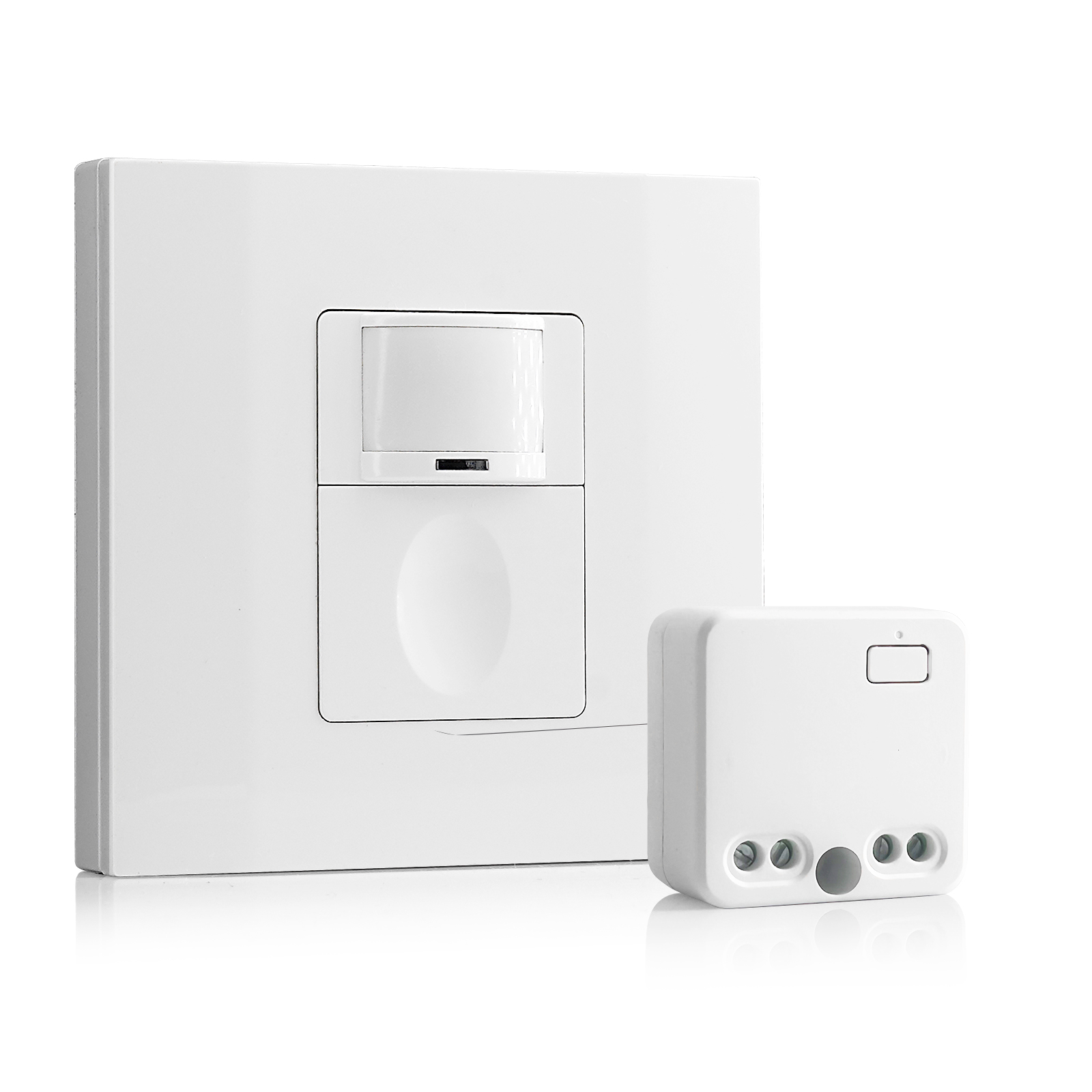
- 100V-230VAC
- Distância de Transmissão: até 20m
- Sensor de movimento sem fios
- Controlo com fios
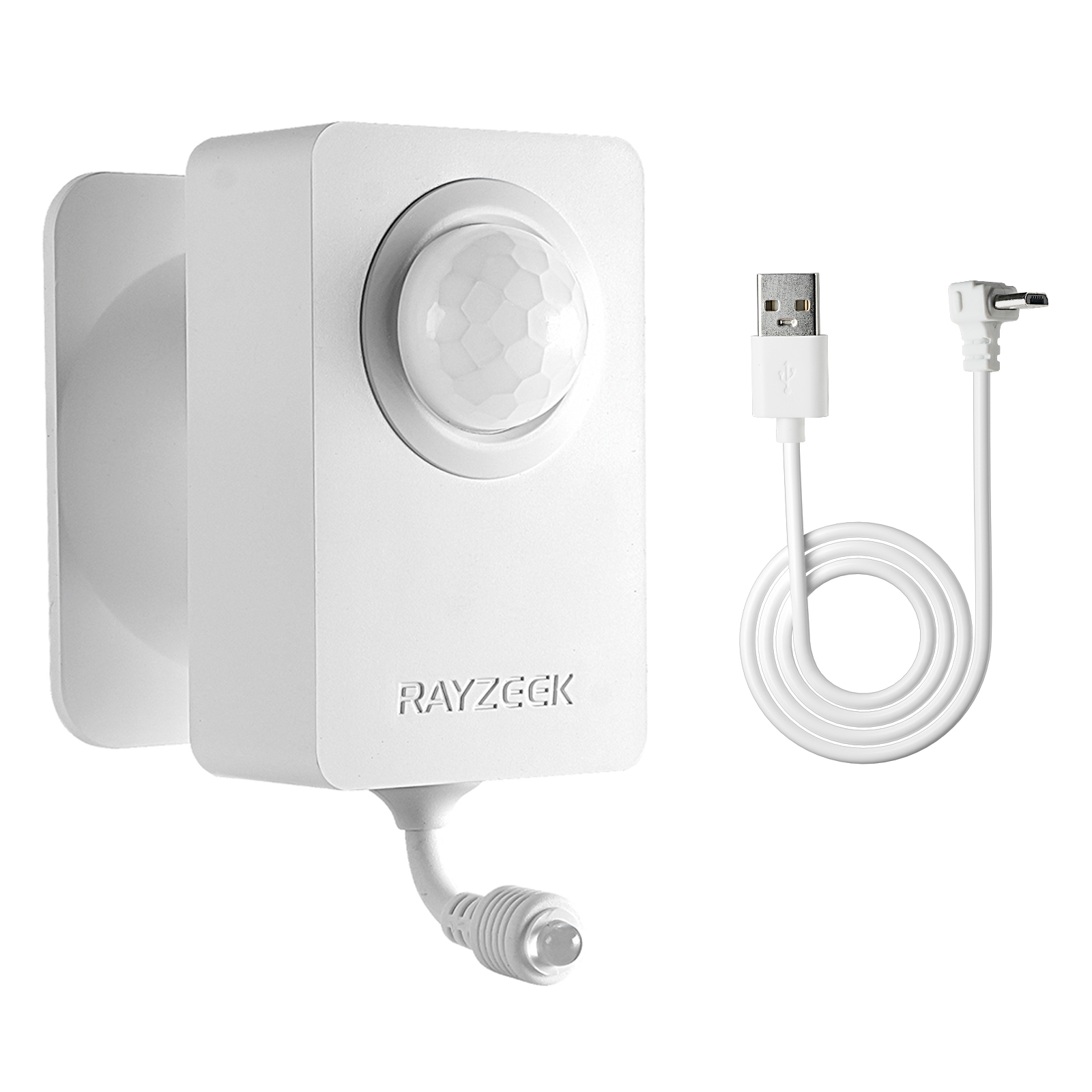
- Tensão: 2x Pilhas AAA / 5V DC (Micro USB)
- Modo Dia/Noite
- Temporização: 15min, 30min, 1h(predefinido), 2h
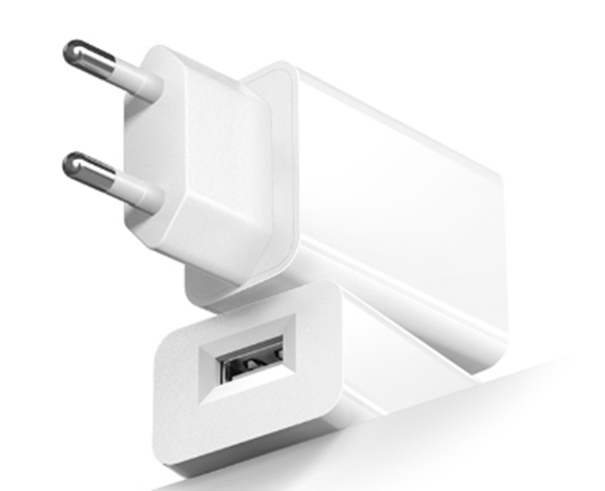
- Adaptador de alimentação com ficha UE
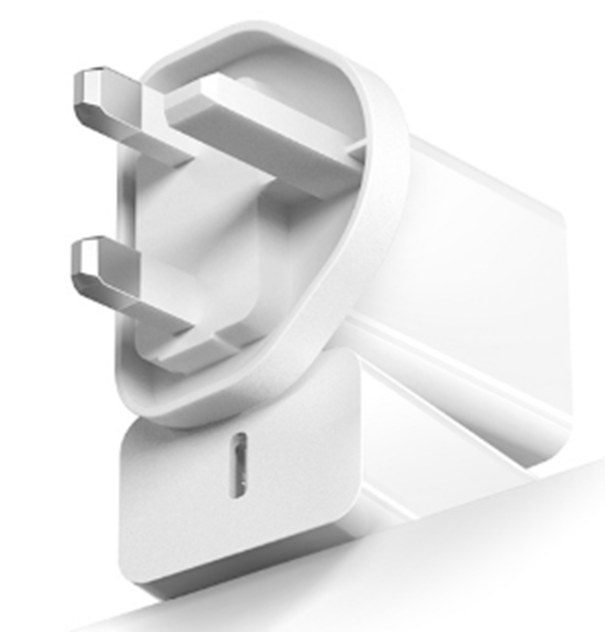
- Adaptador de alimentação com ficha UK
One of the advantages of passive infrared detection is its ability to provide reliable and accurate motion detection while minimizing false triggers. PIR sensors are designed to detect the unique pattern of infrared radiation emitted by humans and large animals, making them highly effective in distinguishing between desired and undesired motion. This allows for precise control of lighting, ensuring that lights are only activated when needed, thus saving energy and reducing costs. PIR sensors do not directly measure “heat” but rather detect changes in the infrared radiation emitted by or reflected from objects. They are sensitive to differences in temperature between the moving object and its surroundings, rather than the absolute temperature of the object itself.
Inspire-se nos portfólios de sensores de movimento Rayzeek.
Não encontra o que procura? Não se preocupe. Há sempre formas alternativas de resolver os seus problemas. Talvez um dos nossos portfólios possa ajudar.
Frequently Asked Questions
What Does PIR Mean in Lighting
A passive infrared sensor (PIR sensor) is an electronic device that detects infrared light emitted by objects within its range. It is commonly used in PIR-based motion detectors, which automatically activate lights when someone walks by.
What Are the Disadvantages of Passive Infrared Sensor
Drawbacks or disadvantages of passive infrared (PIR) sensors include their lower sensitivity and less coverage compared to microwave sensors. PIR sensors are not able to operate at temperatures greater than 35 degrees Celsius. Additionally, they work effectively in line of sight (LOS) but may have issues in corner regions. PIR sensors are also insensitive to very slow motion of objects.
What Is the Difference Between PIR and Infrared
Their main differences lie in the way they function. While infrared (IR) sensors are designed to detect whether the light emitted by a transmitter is coming from an object or a person, PIR sensors, on the other hand, are specifically designed to detect changes in energy levels within a given area.
Does PIR Work in Daylight
While it is commonly believed that motion sensor lights only work at night, it is important to note that they actually remain active during the day as well, as long as they are turned on. This means that if the light is on, it will still detect motion and illuminate, even in broad daylight.
Why Is PIR Sensor the Best
PIR sensors are considered the best because they specifically detect heat signatures, which means they are not easily triggered by inanimate objects being blown across their field of view. This makes them ideal for security lights, as they will not be activated by things like leaves blowing across a path or branches moving in the wind.
What Do PIR Sensors Best Detect
A PIR sensor is primarily designed to detect changes in temperatures, specifically body heat (infrared energy). It is widely utilized as a motion sensor in home security systems.







