

What is Passive Infrared Detection
Passive infrared detection, also known as PIR detection, is a method of motion detection based on changes in infrared radiation. PIR sensors, which are commonly used in lighting systems, detect the infrared radiation emitted by or reflected from objects in their field of view. Unlike active sensors, PIR sensors do not emit energy themselves but rely on detecting existing radiation. This makes them energy-efficient and cost-effective solutions for motion detection.
PIR sensors consist of a detector and a lens that focuses the infrared radiation onto the detector. When a heat source, such as a person or a large animal, moves within the detection range of the sensor, the captured thermal image changes. This change in infrared radiation triggers the detector, which then sends a signal to the lighting system to activate or deactivate the lights accordingly.
Quizás le interese

- Sensor de presencia PIR para montaje en techo con salida de relé de contacto seco
- Alimentación de bajo voltaje de 12/24VDC o 12/24VAC
- Contactos de relé aislados COM, NO y NC para entradas de EMS, HVAC y control de edificios

- Interruptor sensor de movimiento por microondas empotrable en techo de bajo voltaje DC
- Entrada de 12 VDC / 24 VDC con rango de 10-30 VDC
- Corriente de funcionamiento máxima de 10A con retardo de tiempo, umbral de Lux y sensibilidad ajustables
- Interruptor sensor de movimiento por microondas empotrable en techo para cargas más altas
- Entrada de voltaje de línea de 100-265 VAC, modelo de 10A
- Detección por microondas de 5.8 GHz con retardo de tiempo, umbral de Lux y sensibilidad ajustables
- Interruptor sensor de movimiento por microondas empotrable en techo
- Entrada de voltaje de línea de 100-265 VAC, modelo de 5A
- Detección por microondas de 5.8 GHz con retardo de tiempo, umbral de Lux y sensibilidad ajustables
- Dimmer sensor de presencia PIR RZ037 para montaje en techo para alimentación de 220V
- Corriente de funcionamiento máxima de 3A con carga nominal de 660W
- El botón LUX controla el encendido/apagado del sensor de luz y el brillo de regulación establecido por el usuario
- Dimmer sensor de presencia PIR RZ037 para montaje en techo para alimentación de 110V
- Corriente de funcionamiento máxima de 3A con carga nominal de 330W
- El botón LUX controla el encendido/apagado del sensor de luz y el brillo de regulación establecido por el usuario

- Interruptor de sensor de movimiento por microondas de techo de CC de bajo voltaje
- Entrada de 12 VDC / 24 VDC con rango de 10-30 VDC
- Corriente de funcionamiento máxima de 10A con retardo de tiempo, umbral de Lux y sensibilidad ajustables
- Interruptor de sensor de movimiento por microondas de techo para cargas más altas
- Entrada de voltaje de línea de 100-265 VAC, modelo de 10A
- Detección por microondas de 5.8 GHz con retardo de tiempo, umbral de Lux y sensibilidad ajustables
- Interruptor de sensor de movimiento por microondas de techo
- Entrada de voltaje de línea de 100-265 VAC, modelo de 5A
- Detección por microondas de 5.8 GHz con retardo de tiempo, umbral de Lux y sensibilidad ajustables

- Interruptor de sensor de movimiento PIR de techo empotrado de CC de bajo voltaje
- Entrada de 12 VDC / 24 VDC con rango de 10-30 VDC
- Corriente de trabajo máxima de 10A con retardo de tiempo, umbral de Lux y sensibilidad ajustables

- Interruptor de sensor de movimiento PIR de techo empotrado para cargas más altas
- Entrada de voltaje de línea de 100-265 VAC, modelo de 10A
- Detección de 360 grados con retardo de tiempo, umbral de Lux y sensibilidad ajustables
- Interruptor de sensor de movimiento PIR de techo empotrado
- Entrada de voltaje de línea de 100-265 VAC, modelo de 5A
- Detección de 360 grados con retardo de tiempo, umbral de Lux y sensibilidad ajustables

- Kit de receptor e interruptor inalámbrico para control de iluminación de encendido/apagado en interiores
- Receptor de 100-230VAC, 50/60Hz con corriente nominal de 5A
- Interruptor inalámbrico alimentado por CR2032 con comunicación de 2.4GHz
- Presencia (Encendido automático/Apagado automático)
- 12–24V DC (10–30VDC), hasta 10A
- Cobertura de 360°, 8–12 m de diámetro
- Retardo de tiempo de 15 s–30 min
- Sensor de luz Apagado/15/25/35 Lux
- Sensibilidad Alta/Baja
- Modo de presencia de encendido automático/apagado automático
- 100–265V AC, 10A (requiere neutro)
- Cobertura de 360°; diámetro de detección de 8–12 m
- Retardo de tiempo de 15 s–30 min; Lux APAGADO/15/25/35; Sensibilidad Alta/Baja
- Modo de presencia de encendido automático/apagado automático
- 100–265V CA, 5A (se requiere neutro)
- Cobertura de 360°; diámetro de detección de 8–12 m
- Retardo de tiempo de 15 s–30 min; Lux APAGADO/15/25/35; Sensibilidad Alta/Baja
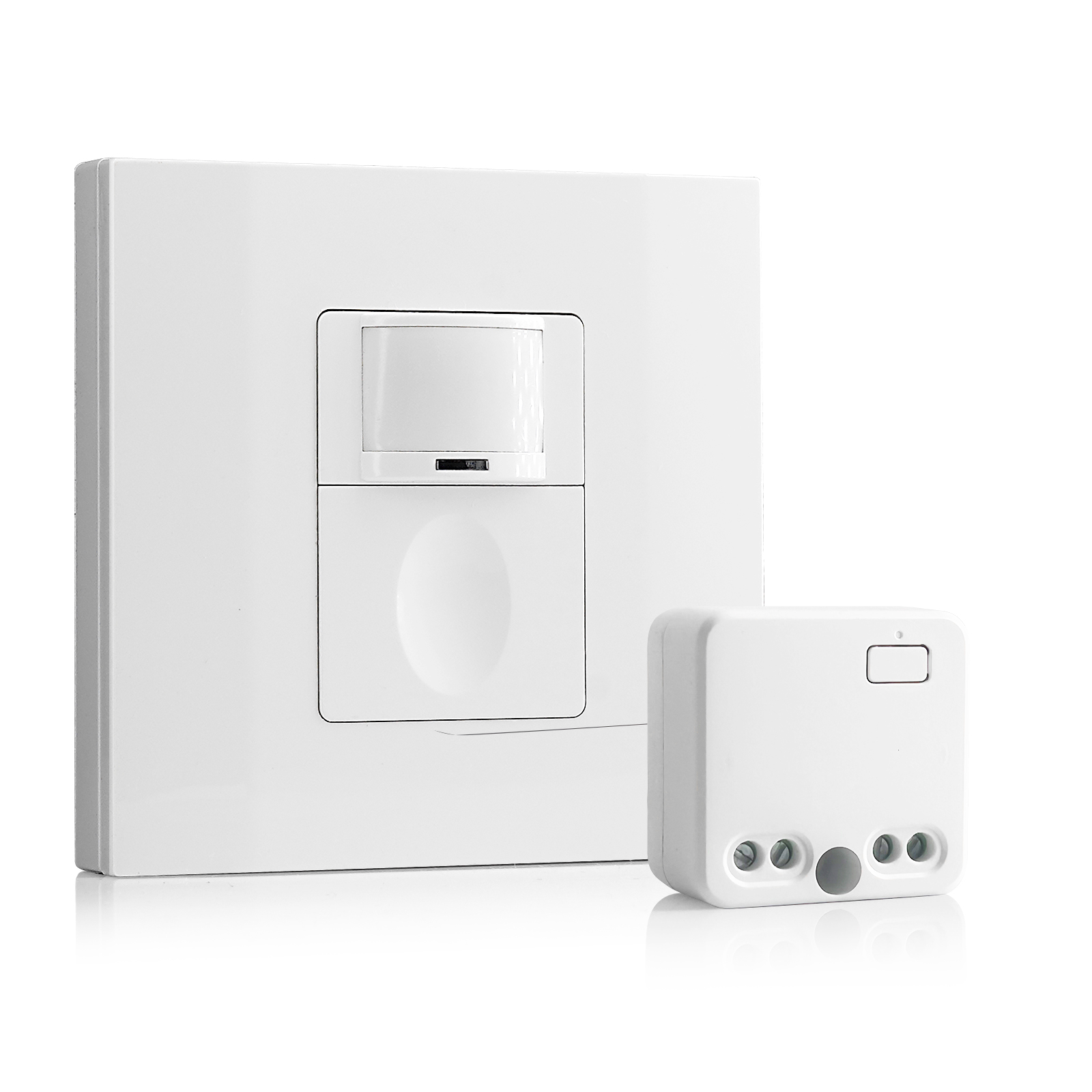
- 100V-230V CA
- Distancia de transmisión: hasta 20 m
- Sensor de movimiento inalámbrico
- Control cableado
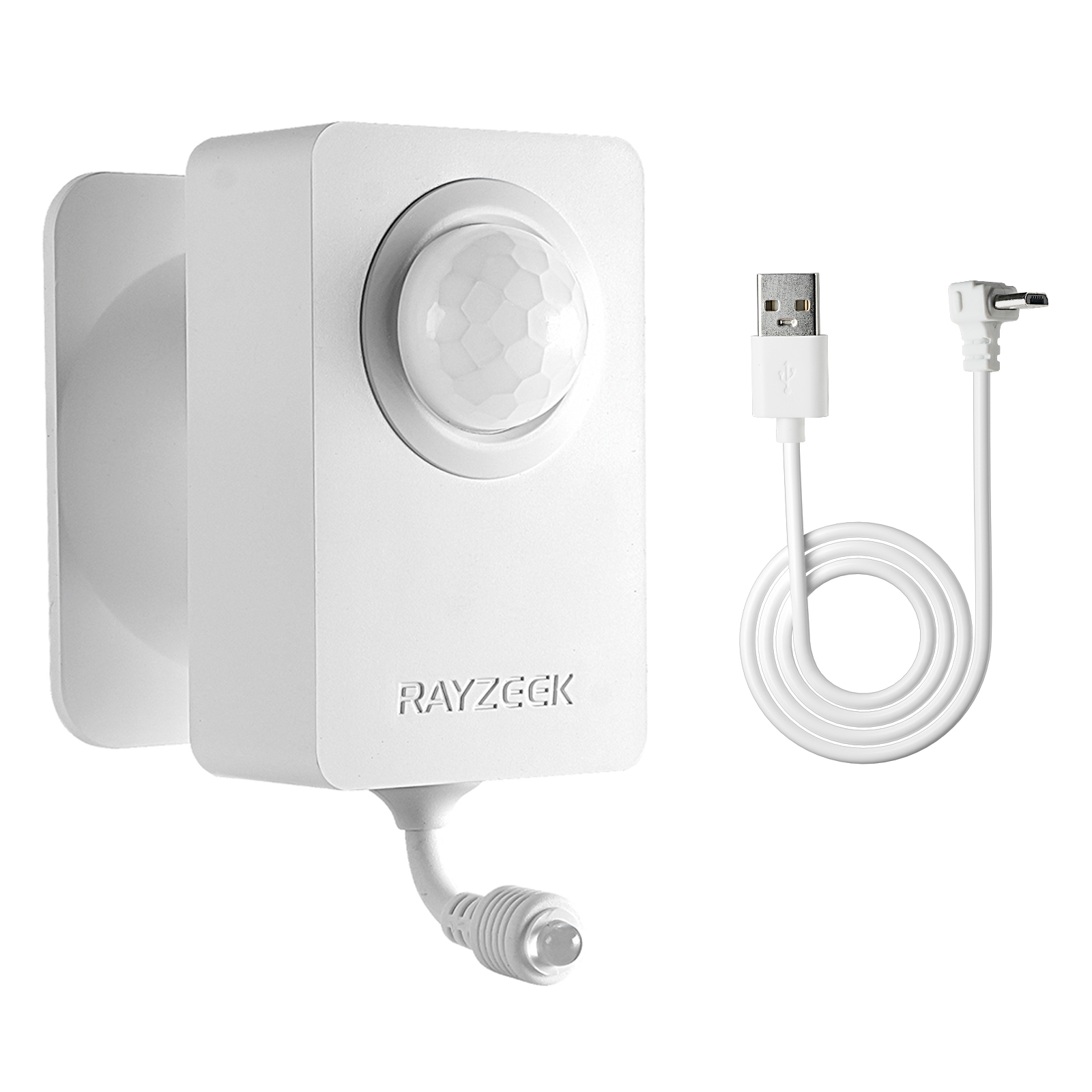
- Voltaje: 2 baterías AAA / 5V CC (Micro USB)
- Modo día/noche
- Tiempo de retardo: 15 min, 30 min, 1 h (por defecto), 2 h
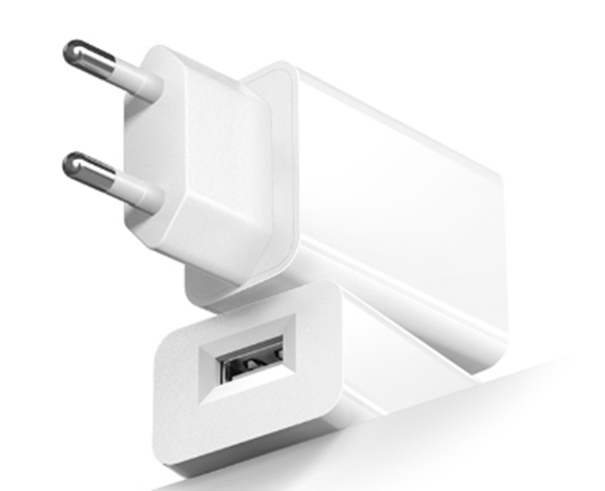
- Adaptador de corriente con enchufe de la UE
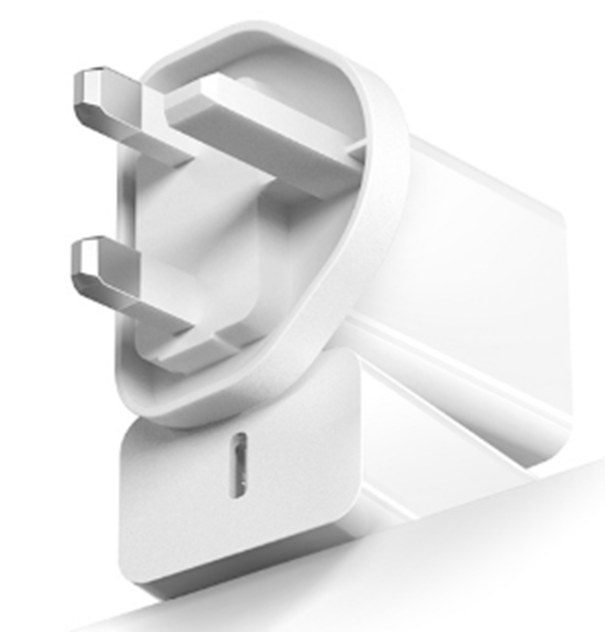
- Adaptador de corriente con enchufe del Reino Unido
One of the advantages of passive infrared detection is its ability to provide reliable and accurate motion detection while minimizing false triggers. PIR sensors are designed to detect the unique pattern of infrared radiation emitted by humans and large animals, making them highly effective in distinguishing between desired and undesired motion. This allows for precise control of lighting, ensuring that lights are only activated when needed, thus saving energy and reducing costs. PIR sensors do not directly measure “heat” but rather detect changes in the infrared radiation emitted by or reflected from objects. They are sensitive to differences in temperature between the moving object and its surroundings, rather than the absolute temperature of the object itself.
Inspírese con los catálogos de sensores de movimiento de Rayzeek.
¿No encuentra lo que busca? No se preocupe. Siempre hay formas alternativas de resolver sus problemas. Quizás uno de nuestros catálogos pueda ayudarle.
Frequently Asked Questions
What Does PIR Mean in Lighting
A passive infrared sensor (PIR sensor) is an electronic device that detects infrared light emitted by objects within its range. It is commonly used in PIR-based motion detectors, which automatically activate lights when someone walks by.
What Are the Disadvantages of Passive Infrared Sensor
Drawbacks or disadvantages of passive infrared (PIR) sensors include their lower sensitivity and less coverage compared to microwave sensors. PIR sensors are not able to operate at temperatures greater than 35 degrees Celsius. Additionally, they work effectively in line of sight (LOS) but may have issues in corner regions. PIR sensors are also insensitive to very slow motion of objects.
What Is the Difference Between PIR and Infrared
Their main differences lie in the way they function. While infrared (IR) sensors are designed to detect whether the light emitted by a transmitter is coming from an object or a person, PIR sensors, on the other hand, are specifically designed to detect changes in energy levels within a given area.
Does PIR Work in Daylight
While it is commonly believed that motion sensor lights only work at night, it is important to note that they actually remain active during the day as well, as long as they are turned on. This means that if the light is on, it will still detect motion and illuminate, even in broad daylight.
Why Is PIR Sensor the Best
PIR sensors are considered the best because they specifically detect heat signatures, which means they are not easily triggered by inanimate objects being blown across their field of view. This makes them ideal for security lights, as they will not be activated by things like leaves blowing across a path or branches moving in the wind.
What Do PIR Sensors Best Detect
A PIR sensor is primarily designed to detect changes in temperatures, specifically body heat (infrared energy). It is widely utilized as a motion sensor in home security systems.







