

What is Passive Infrared Detection
Passive infrared detection, also known as PIR detection, is a method of motion detection based on changes in infrared radiation. PIR sensors, which are commonly used in lighting systems, detect the infrared radiation emitted by or reflected from objects in their field of view. Unlike active sensors, PIR sensors do not emit energy themselves but rely on detecting existing radiation. This makes them energy-efficient and cost-effective solutions for motion detection.
PIR sensors consist of a detector and a lens that focuses the infrared radiation onto the detector. When a heat source, such as a person or a large animal, moves within the detection range of the sensor, the captured thermal image changes. This change in infrared radiation triggers the detector, which then sends a signal to the lighting system to activate or deactivate the lights accordingly.
Mungkin Anda Tertarik Dengan

- Ceiling-mounted PIR occupancy sensor dengan output dry-contact relay
- Suplai tegangan rendah 12/24VDC atau 12/24VAC
- Kontak relai terisolasi COM, NO, dan NC untuk input EMS, HVAC, dan kontrol gedung

- Low-voltage DC recessed ceiling-mounted microwave motion sensor switch
- Input 12 VDC / 24 VDC dengan rentang 10-30 VDC
- Arus kerja maks 10A dengan waktu tunda (time delay), ambang batas Lux, dan sensitivitas yang dapat disesuaikan
- Higher-load recessed ceiling-mounted microwave motion sensor switch
- Input tegangan jala-jala 100-265 VAC, model 10A
- Penginderaan gelombang mikro 5.8 GHz dengan waktu tunda (time delay), ambang batas Lux, dan sensitivitas yang dapat disesuaikan
- Recessed ceiling-mounted microwave motion sensor switch
- Input tegangan jala-jala 100-265 VAC, model 5A
- Penginderaan gelombang mikro 5.8 GHz dengan waktu tunda (time delay), ambang batas Lux, dan sensitivitas yang dapat disesuaikan
- Ceiling-mounted RZ037 PIR occupancy sensor dimmer untuk daya 220V
- Arus kerja maksimum 3A dengan beban pengenal 660W
- Tombol LUX mengontrol ON/OFF sensor cahaya dan kecerahan peredupan yang diatur pengguna
- Ceiling-mounted RZ037 PIR occupancy sensor dimmer untuk daya 110V
- Arus kerja maksimum 3A dengan beban pengenal 330W
- Tombol LUX mengontrol ON/OFF sensor cahaya dan kecerahan peredupan yang diatur pengguna

- Sakelar sensor gerak gelombang mikro plafon DC tegangan rendah
- Input 12 VDC / 24 VDC dengan rentang 10-30 VDC
- Arus kerja maks 10A dengan waktu tunda (time delay), ambang batas Lux, dan sensitivitas yang dapat disesuaikan
- Sakelar sensor gerak gelombang mikro plafon beban lebih tinggi
- Input tegangan jala-jala 100-265 VAC, model 10A
- Penginderaan gelombang mikro 5.8 GHz dengan waktu tunda (time delay), ambang batas Lux, dan sensitivitas yang dapat disesuaikan
- Sakelar sensor gerak gelombang mikro plafon
- Input tegangan jala-jala 100-265 VAC, model 5A
- Penginderaan gelombang mikro 5.8 GHz dengan waktu tunda (time delay), ambang batas Lux, dan sensitivitas yang dapat disesuaikan

- Sakelar sensor gerak PIR tanam plafon DC tegangan rendah
- Input 12 VDC / 24 VDC dengan rentang 10-30 VDC
- Arus kerja maks 10A dengan jeda waktu, ambang batas Lux, dan sensitivitas yang dapat disesuaikan

- Sakelar sensor gerak PIR tanam plafon beban lebih tinggi
- Input tegangan jala-jala 100-265 VAC, model 10A
- Deteksi 360 derajat dengan jeda waktu, ambang batas Lux, dan sensitivitas yang dapat disesuaikan
- Sakelar sensor gerak PIR tanam plafon
- Input tegangan jala-jala 100-265 VAC, model 5A
- Deteksi 360 derajat dengan jeda waktu, ambang batas Lux, dan sensitivitas yang dapat disesuaikan

- Kit penerima dan sakelar nirkabel untuk kontrol pencahayaan ON/OFF dalam ruangan
- Penerima 100-230VAC, 50/60Hz dengan arus nominal 5A
- Sakelar nirkabel bertenaga CR2032 dengan komunikasi 2.4GHz
- Okupansi (Auto-ON/Auto-OFF)
- 12–24V DC (10–30VDC), hingga 10A
- Cakupan 360°, diameter 8–12 m
- Jeda waktu 15 dtk–30 mnt
- Sensor cahaya Mati/15/25/35 Lux
- Sensitivitas Tinggi/Rendah
- Mode okupansi Auto-ON/Auto-OFF
- 100–265V AC, 10A (diperlukan kabel netral)
- Cakupan 360°; diameter deteksi 8–12 m
- Jeda waktu 15 dtk–30 mnt; Lux MATI/15/25/35; Sensitivitas Tinggi/Rendah
- Mode okupansi Auto-ON/Auto-OFF
- 100–265V AC, 5A (diperlukan kabel netral)
- Cakupan 360°; diameter deteksi 8–12 m
- Jeda waktu 15 dtk–30 mnt; Lux MATI/15/25/35; Sensitivitas Tinggi/Rendah
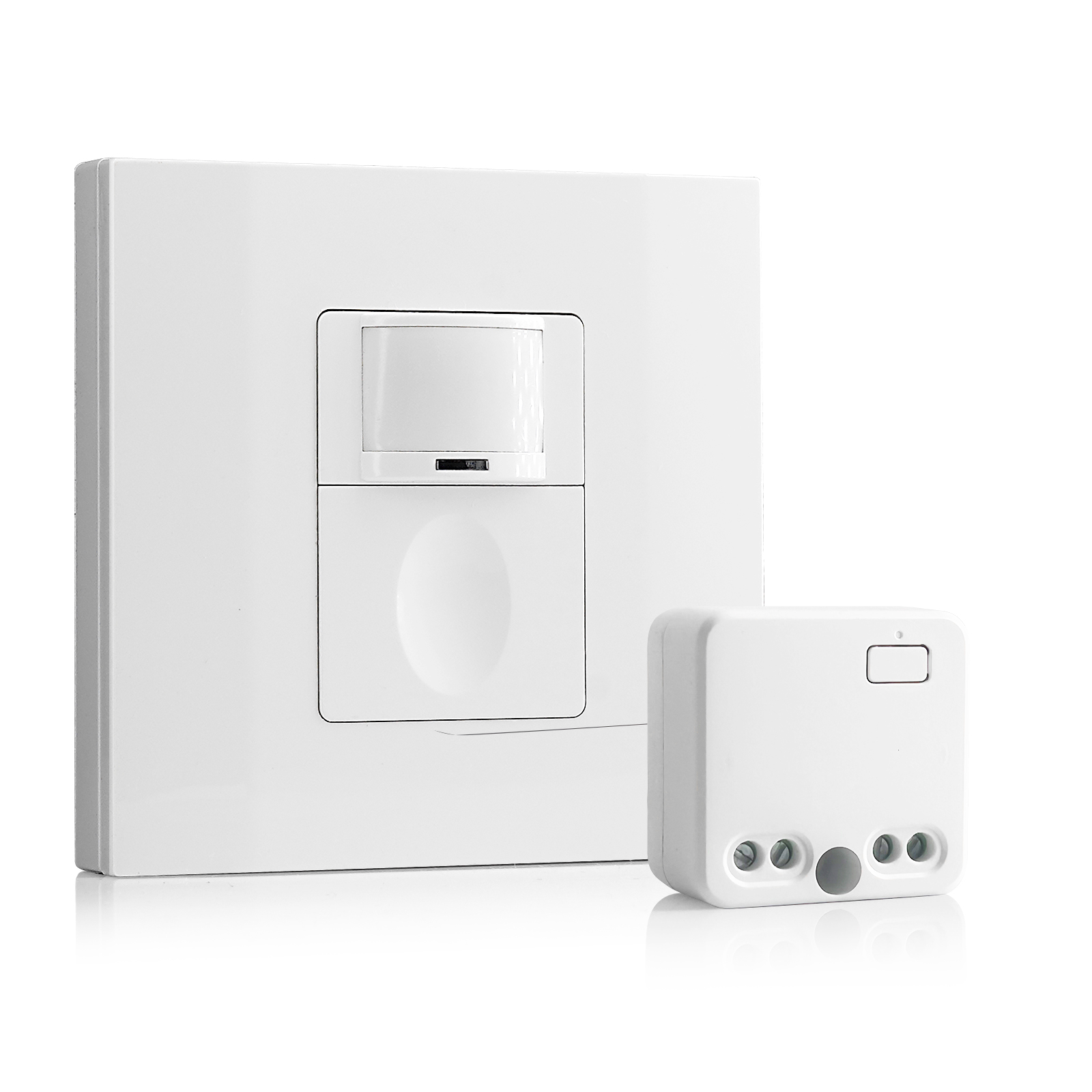
- 100V-230VAC
- Jarak Transmisi: hingga 20m
- Sensor gerak nirkabel
- Kontrol berkabel
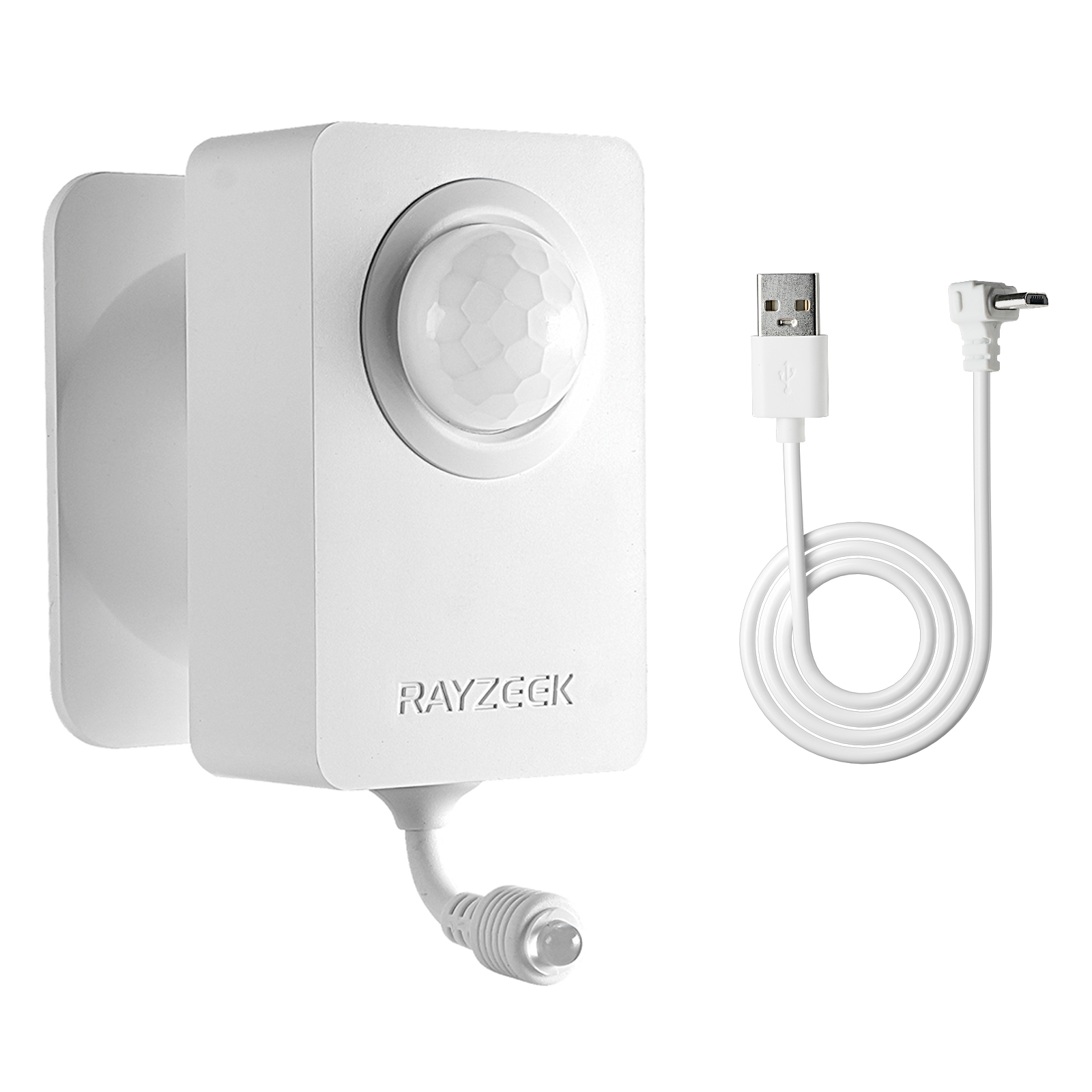
- Tegangan: 2x Baterai AAA / 5V DC (Micro USB)
- Mode Siang/Malam
- Jeda waktu: 15mnt, 30mnt, 1j (bawaan), 2j
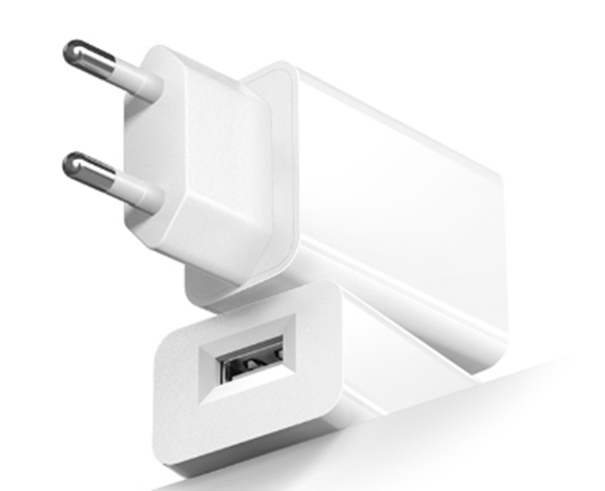
- Adaptor daya colokan UE
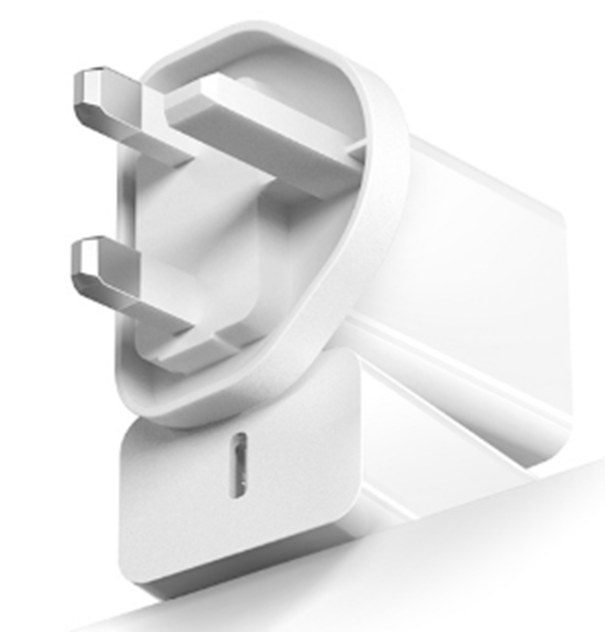
- Adaptor daya colokan Inggris
One of the advantages of passive infrared detection is its ability to provide reliable and accurate motion detection while minimizing false triggers. PIR sensors are designed to detect the unique pattern of infrared radiation emitted by humans and large animals, making them highly effective in distinguishing between desired and undesired motion. This allows for precise control of lighting, ensuring that lights are only activated when needed, thus saving energy and reducing costs. PIR sensors do not directly measure “heat” but rather detect changes in the infrared radiation emitted by or reflected from objects. They are sensitive to differences in temperature between the moving object and its surroundings, rather than the absolute temperature of the object itself.
Dapatkan Inspirasi dari Portofolio Sensor Gerakan Rayzeek.
Tidak menemukan apa yang Anda inginkan? Jangan khawatir. Selalu ada cara alternatif untuk menyelesaikan masalah Anda. Mungkin salah satu portofolio kami dapat membantu.
Frequently Asked Questions
What Does PIR Mean in Lighting
A passive infrared sensor (PIR sensor) is an electronic device that detects infrared light emitted by objects within its range. It is commonly used in PIR-based motion detectors, which automatically activate lights when someone walks by.
What Are the Disadvantages of Passive Infrared Sensor
Drawbacks or disadvantages of passive infrared (PIR) sensors include their lower sensitivity and less coverage compared to microwave sensors. PIR sensors are not able to operate at temperatures greater than 35 degrees Celsius. Additionally, they work effectively in line of sight (LOS) but may have issues in corner regions. PIR sensors are also insensitive to very slow motion of objects.
What Is the Difference Between PIR and Infrared
Their main differences lie in the way they function. While infrared (IR) sensors are designed to detect whether the light emitted by a transmitter is coming from an object or a person, PIR sensors, on the other hand, are specifically designed to detect changes in energy levels within a given area.
Does PIR Work in Daylight
While it is commonly believed that motion sensor lights only work at night, it is important to note that they actually remain active during the day as well, as long as they are turned on. This means that if the light is on, it will still detect motion and illuminate, even in broad daylight.
Why Is PIR Sensor the Best
PIR sensors are considered the best because they specifically detect heat signatures, which means they are not easily triggered by inanimate objects being blown across their field of view. This makes them ideal for security lights, as they will not be activated by things like leaves blowing across a path or branches moving in the wind.
What Do PIR Sensors Best Detect
A PIR sensor is primarily designed to detect changes in temperatures, specifically body heat (infrared energy). It is widely utilized as a motion sensor in home security systems.







