What is Lighting Design Lumens (LDL)
Lighting design lumens(LDL) is the number of lumens emitted by a light source after it has been in operation for 2,000 hours. Lumens are a unit of luminous flux, which measures the overall light output of a luminous source. In lighting design, understanding the LDL is crucial for determining the expected light output and achieving the desired level of illumination in a space.
The LDL value takes into account various factors, including lumen depreciation and maintenance procedures. Lumen depreciation is the decrease in lumen output of a light source over time. Each lamp type has a unique lumen depreciation curve, which depicts the pattern of decreasing light output. By considering the initial rated output of lumens and the anticipated minimum rated output based on the re-lamping program, the lamp lumen depreciation factor (LLD) can be calculated. This factor is used in illumination calculations to relate the initial rated output to the anticipated minimum rated output, accounting for the expected decrease in light output due to factors such as lamp depreciation and maintenance procedures.
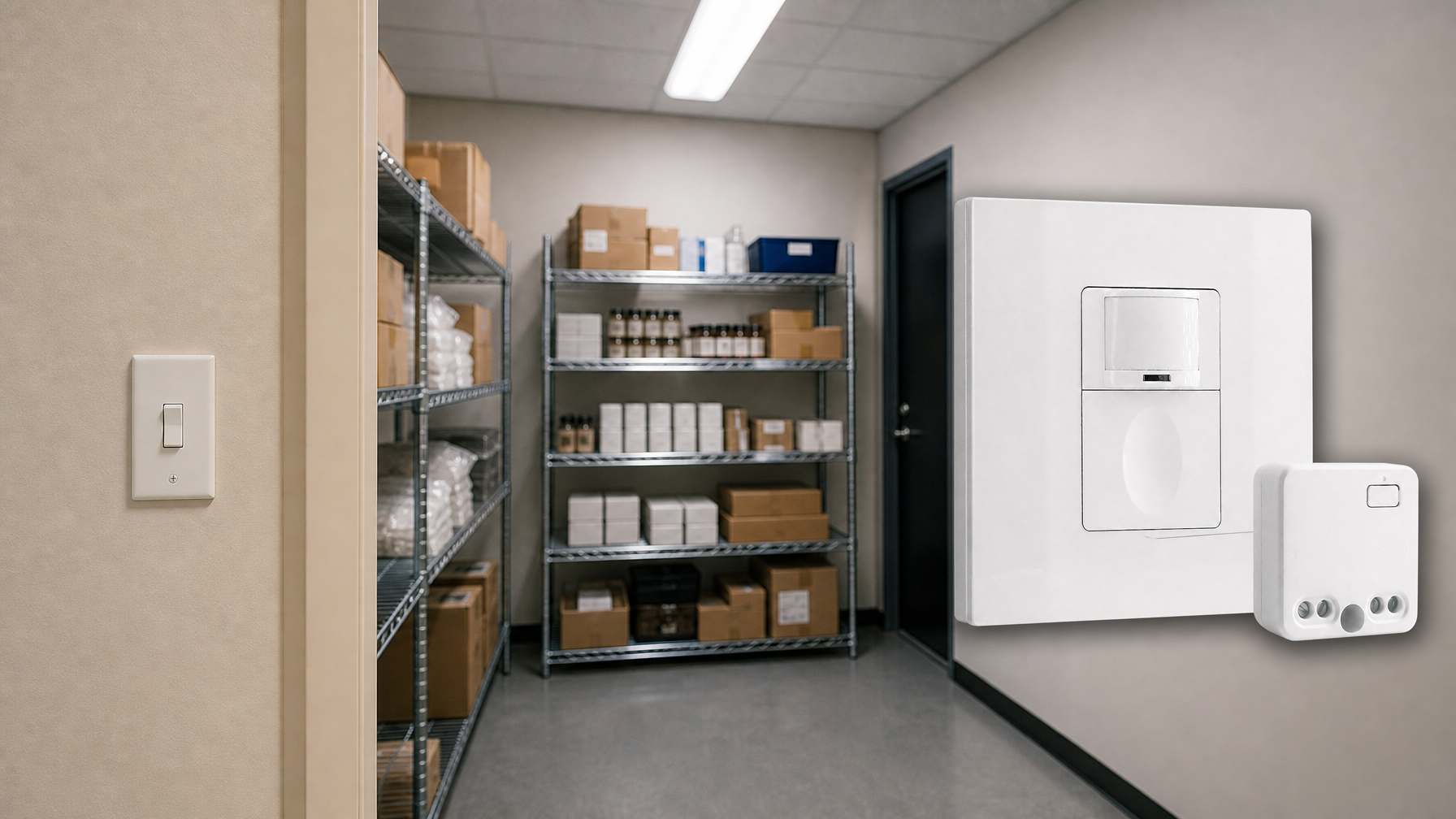
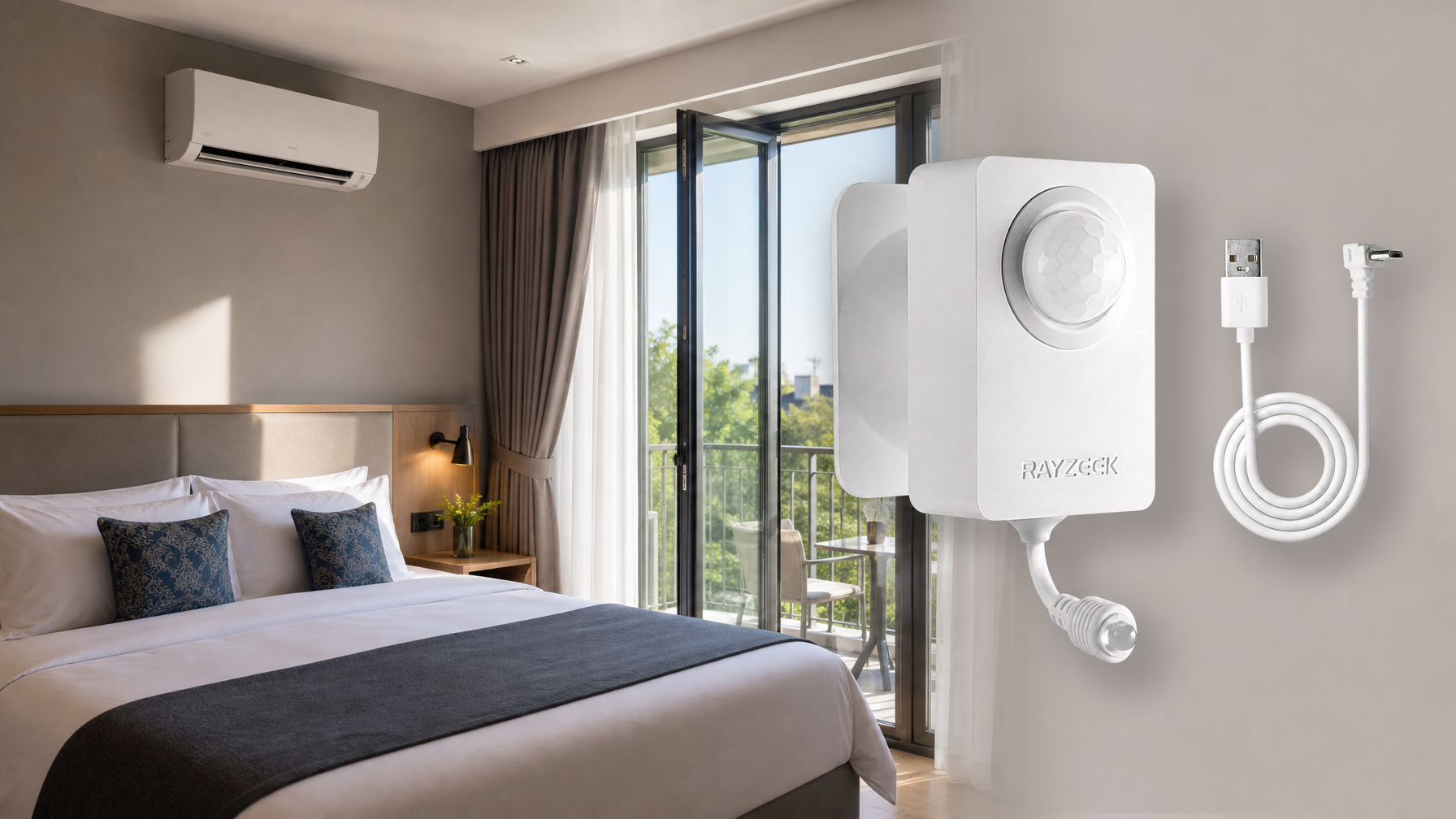
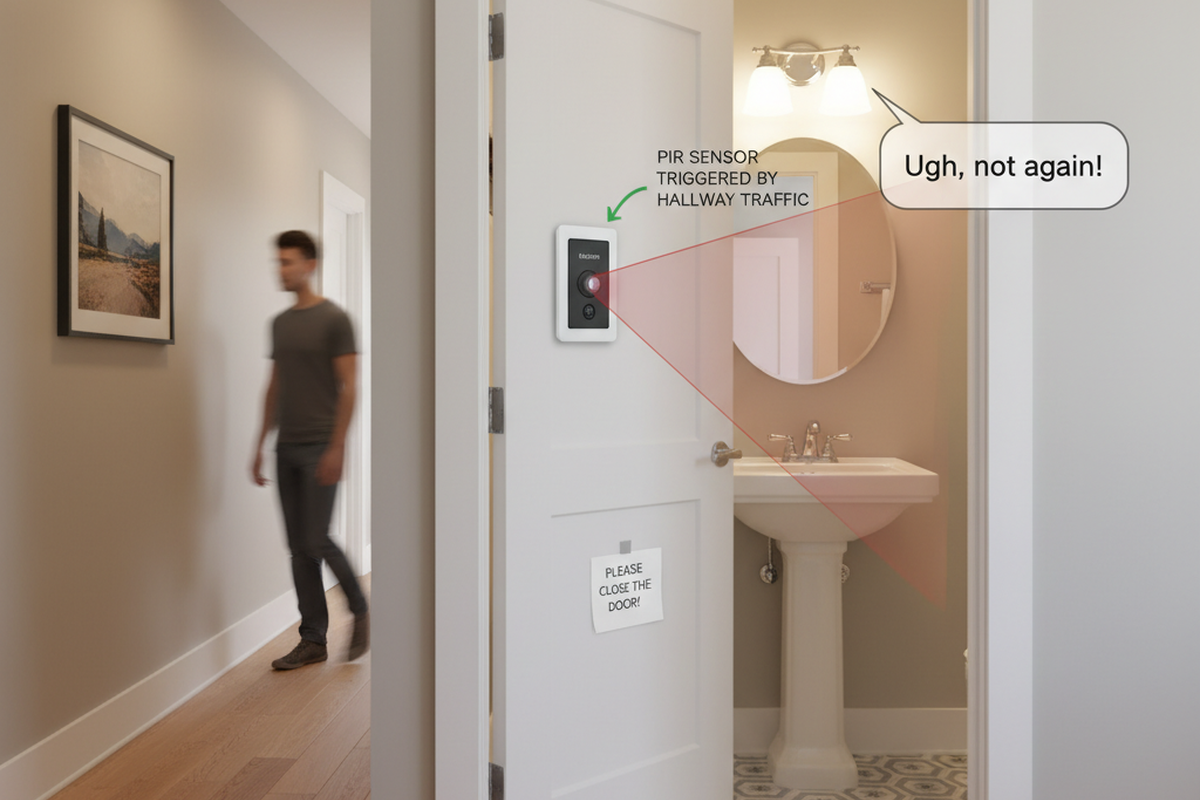
Inspire-se com os portfólios de sensores de movimento da Rayzeek.
Não encontra o que pretende? Não se preocupe. Existem sempre formas alternativas de resolver os seus problemas. Talvez um dos nossos portfólios possa ajudar.
Perguntas frequentes
What Type of Lighting Is Best
Currently, the most durable lighting option available in the market is LED (light-emitting diode) bulbs. These bulbs are designed to fit standard light sockets and are highly energy-efficient. Despite having a lower wattage than incandescent bulbs, LED bulbs produce the same amount of light output while consuming less energy.
What Are the Three Elements of Lighting Design
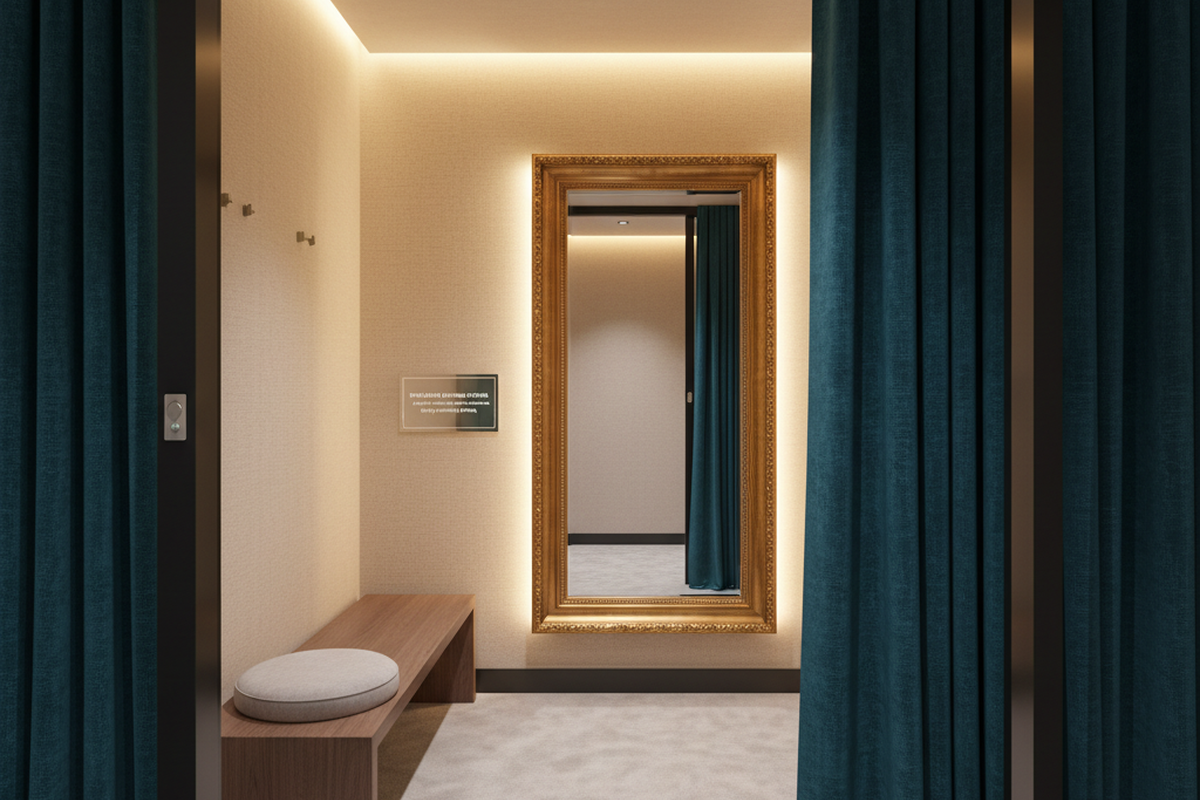
The three primary components of lighting design for interiors include ambient lighting, task lighting, and accent lighting. These elements can be combined to enhance the aesthetics of your space.
Qual é melhor: Lux ou Lúmens
Um lúmen por metro quadrado é equivalente a um lux. Esta unidade de medida permite quantificar a “quantidade” global de luz visível e a intensidade da iluminação numa superfície. O lux é comummente utilizado por fornecer um meio eficaz de determinar a luminosidade percebida de um feixe de luz.