
What is Beam Spread
Beam spread is the dispersion or diffusion of light emitted from a flashlight or light fixture. It is a measurement of the angle at which the light beam spreads out from the center, determining the coverage area and intensity of the light. The beam angle is a specific value that indicates the angle of beam spread from the center of the beam. It is measured by drawing an imaginary line from the center of the light source to the point where the light intensity at the outer edges of the beam drops to 50 percent of the maximum. A narrow beam angle is characteristic of a spotlight, providing focused and concentrated illumination for smaller areas. In contrast, a wider beam angle is typical of a floodlight, dispersing light over a larger area.
Additionally, the field angle is a measurement of the angle from the centerline of the beam to a point where the light intensity is significantly reduced, usually around 10 percent of the maximum. This angle, also known as the cut-off angle, indicates the effective lighting area of a light bulb or fixture design.
모션 감지 에너지 절약 솔루션을 찾고 계신가요?
완제품 PIR 모션 센서, 모션 감지 에너지 절약 제품, 모션 센서 스위치 및 상업용 재실/공실(Occupancy/Vacancy) 솔루션에 대해 문의해 주세요.
Beam spread values are typically expressed in terms of angles rather than distances. Lighting designers utilize these angles to determine the placement of fixtures in a space, considering factors such as desired light intensity and color temperature. By analyzing the beam and field angle data, designers can achieve optimal coverage and distribution of light in a given area.
어쩌면 다음 제품에도 관심이 있으실 수 있습니다

- 무전압 접점(dry-contact) 릴레이 출력을 갖춘 천장 장착형 PIR 재실 감지 센서
- 12/24VDC 또는 12/24VAC 저전압 전원 공급
- EMS, HVAC 및 빌딩 제어 입력을 위한 COM, NO, NC 절연 릴레이 접점

- 저전압 DC 천장 매립형 마이크로웨이브 모션 센서 스위치
- 10-30 VDC 범위의 12 VDC / 24 VDC 입력
- 시간 지연, 조도(Lux) 임계값 및 감도 조절이 가능한 최대 10A 작동 전류
- 고부하용 천장 매립형 마이크로웨이브 모션 센서 스위치
- 100-265 VAC 상용전압 입력, 10A 모델
- 시간 지연, 조도(Lux) 임계값 및 감도 조절이 가능한 5.8 GHz 마이크로웨이브 감지
- 천장 매립형 마이크로웨이브 모션 센서 스위치
- 100-265 VAC 상용전압 입력, 5A model
- 시간 지연, 조도(Lux) 임계값 및 감도 조절이 가능한 5.8 GHz 마이크로웨이브 감지
- 220V 전원용 천장 장착형 RZ037 PIR 재실 감지 센서 디머
- 정격 부하 660W, 최대 작동 전류 3A
- 조도 센서 켜짐/꺼짐(ON/OFF) 및 사용자 설정 디밍 밝기를 제어하는 LUX 버튼
- 110V 전원용 천장 장착형 RZ037 PIR 재실 감지 센서 디머
- 정격 부하 330W, 최대 작동 전류 3A
- 조도 센서 켜짐/꺼짐(ON/OFF) 및 사용자 설정 디밍 밝기를 제어하는 LUX 버튼

- 저전압 DC 천장 매립형 마이크로웨이브 모션 센서 스위치
- 10-30 VDC 범위의 12 VDC / 24 VDC 입력
- 시간 지연, 조도(Lux) 임계값 및 감도 조절이 가능한 최대 10A 작동 전류
- 고부하 천장 매립형 마이크로웨이브 모션 센서 스위치
- 100-265 VAC 상용전압 입력, 10A 모델
- 시간 지연, 조도(Lux) 임계값 및 감도 조절이 가능한 5.8 GHz 마이크로웨이브 감지
- 천장 매립형 마이크로웨이브 모션 센서 스위치
- 100-265 VAC 상용전압 입력, 5A model
- 시간 지연, 조도(Lux) 임계값 및 감도 조절이 가능한 5.8 GHz 마이크로웨이브 감지

- 저전압 DC 매립형 천장 장착 PIR 모션 센서 스위치
- 10-30 VDC 범위의 12 VDC / 24 VDC 입력
- 최대 작동 전류 10A (시간 지연, 조도 값, 감도 조절 가능)

- 고부하 매립형 천장 장착 PIR 모션 센서 스위치
- 100-265 VAC 상용전압 입력, 10A 모델
- 360도 감지 (시간 지연, 조도 값, 감도 조절 가능)
- 매립형 천장 장착 PIR 모션 센서 스위치
- 100-265 VAC 상용전압 입력, 5A model
- 360도 감지 (시간 지연, 조도 값, 감도 조절 가능)

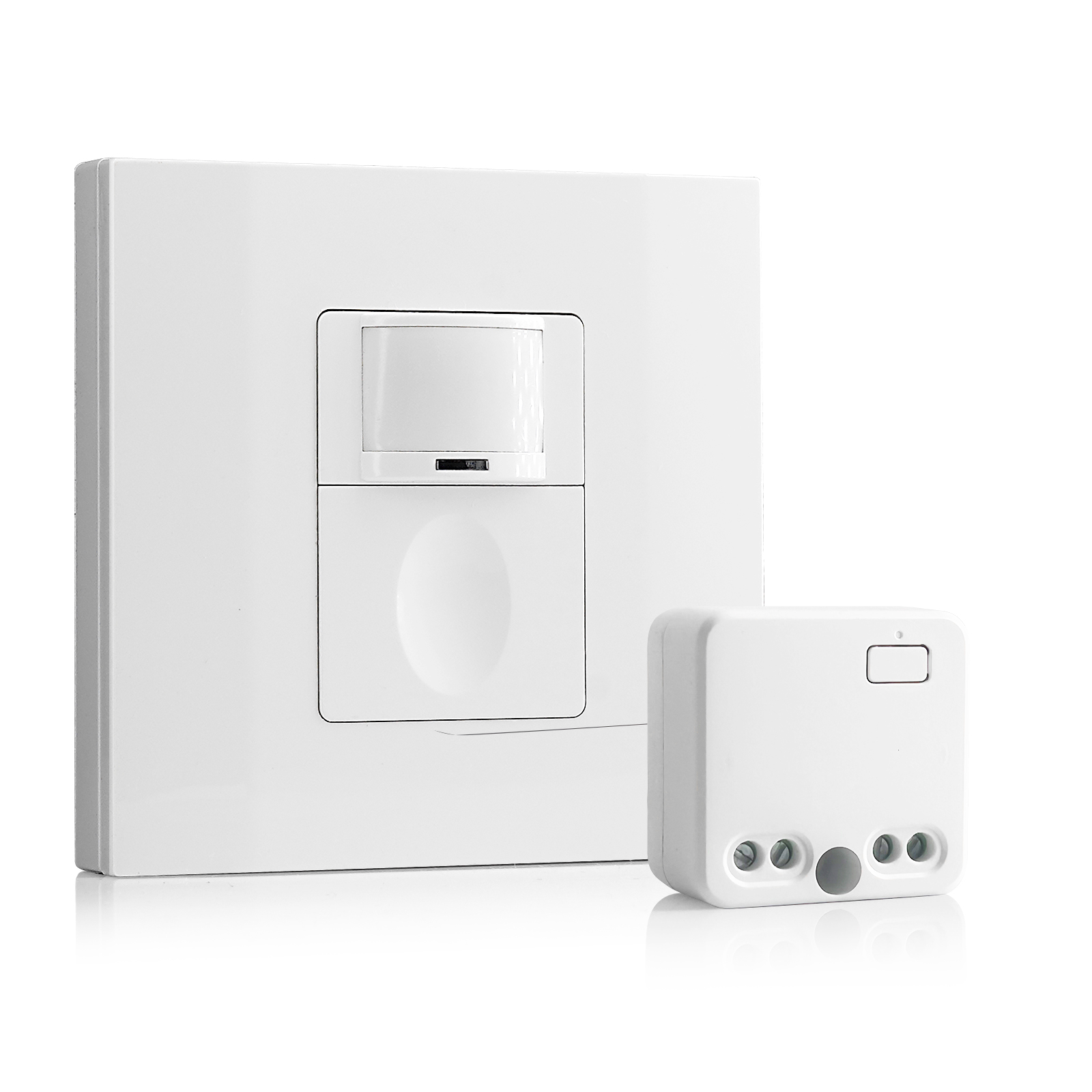
- 실내 조명 ON/OFF 제어용 무선 스위치 및 수신기 키트
- 100-230VAC, 50/60Hz 수신기 (정격 전류 5A)
- CR2032 배터리 구동 무선 스위치 (2.4GHz 통신)
- 재실 감지 (Auto-ON/Auto-OFF)
- 12–24V DC (10–30VDC), 최대 10A
- 360° 감지 범위, 직경 8–12 m
- 시간 지연 15초–30분
- 조도 센서 Off/15/25/35 Lux
- 감도 높음/낮음
- Auto-ON/Auto-OFF 재실 모드
- 100–265V AC, 10A (중성선 필수)
- 360° 감지 범위, 감지 직경 8–12 m
- 시간 지연 15초–30분, 조도 OFF/15/25/35, 감도 높음/낮음
- Auto-ON/Auto-OFF 재실 모드
- 100–265V AC, 5A (중성선 필요)
- 360° 감지 범위, 감지 직경 8–12 m
- 시간 지연 15초–30분, 조도 OFF/15/25/35, 감도 높음/낮음
- 100V-230VAC
- 전송 거리: 최대 20m
- 무선 모션 센서
- 유선 제어
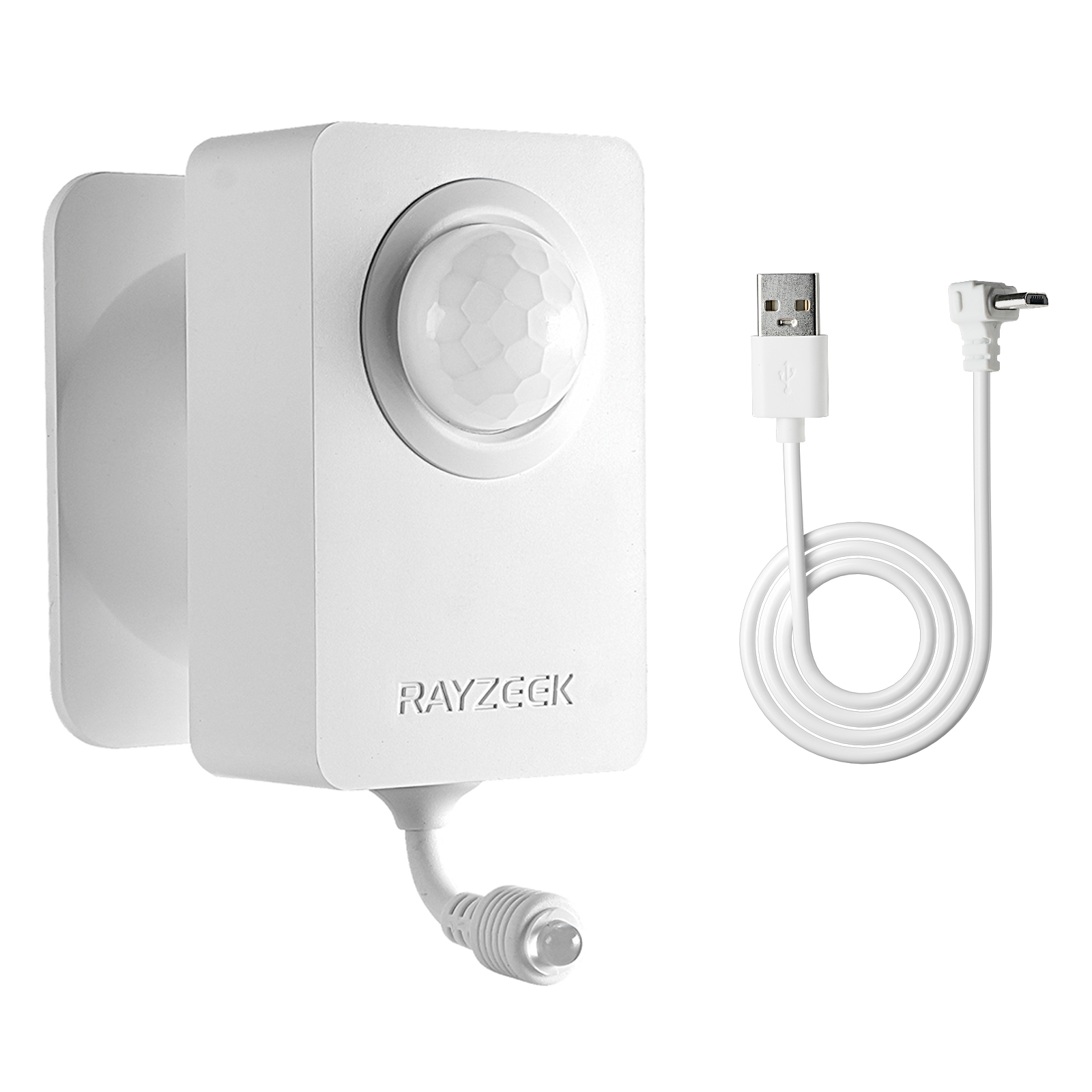
- 전압: AAA 배터리 2개 / 5V DC (Micro USB)
- 주간/야간 모드
- 시간 지연: 15분, 30분, 1시간(기본값), 2시간
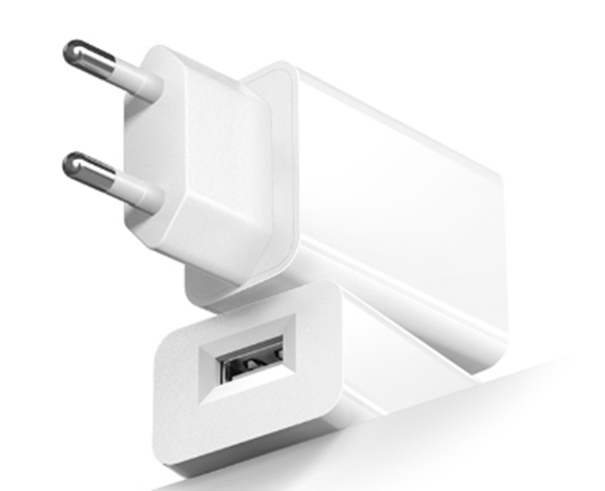
- EU 플러그 전원 어댑터
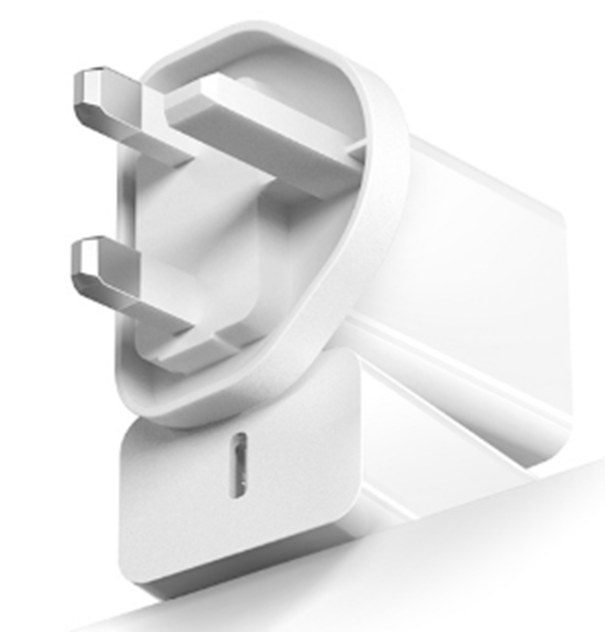
- UK 플러그 전원 어댑터
Frequently Asked Questions
Why Does a Light Beam Spread
As the light beam moves away from the surface it is directed at or when the beam width is increased, it naturally spreads out and its intensity decreases. This phenomenon can be observed when using a torch and adjusting its distance from a wall, as the spread and intensity of the light will vary accordingly.
What Is Beam Spread Measured In
The measurement of beam spread refers to the diameter of the light projected onto the subject. To put it simply, if you were to shine a flashlight on a wall, the width of the illuminated circle would represent the beam spread. This measurement is typically expressed in feet. In the context of this discussion, we define beam spread as the area that receives 50% of the light power.
What Is the Beam Spread of a Flood Light
Flood lights typically have a beam spread ranging from over 45 degrees to approximately 120 degrees. Nevertheless, it is worth noting that certain lights advertised as floods may have a narrower beam angle of around 25 degrees. If you specifically require a light with such a narrow beam, it may be more suitable to consider spotlights instead.
What Beam Spread for Ceiling Height
Overlapping beam angles are important to ensure that the entire space is adequately illuminated, reducing the risk of accidents. For ceilings with a standard height of approximately 7.9 to 8.9 feet, a wider beam angle of 60 degrees or more is suitable. However, if your ceiling height exceeds 8.9 feet, a narrower beam angle of 45 degrees or less will be necessary.
What Happens When the Light Is More Spread Out
Light spreads out in a similar manner to how butter spreads from a gun. In other words, as light moves away from a point source, its intensity decreases due to its increased dispersion (similar to the decreased thickness of butter).







