
What is Beam Spread
Beam spread is the dispersion or diffusion of light emitted from a flashlight or light fixture. It is a measurement of the angle at which the light beam spreads out from the center, determining the coverage area and intensity of the light. The beam angle is a specific value that indicates the angle of beam spread from the center of the beam. It is measured by drawing an imaginary line from the center of the light source to the point where the light intensity at the outer edges of the beam drops to 50 percent of the maximum. A narrow beam angle is characteristic of a spotlight, providing focused and concentrated illumination for smaller areas. In contrast, a wider beam angle is typical of a floodlight, dispersing light over a larger area.
Additionally, the field angle is a measurement of the angle from the centerline of the beam to a point where the light intensity is significantly reduced, usually around 10 percent of the maximum. This angle, also known as the cut-off angle, indicates the effective lighting area of a light bulb or fixture design.
¿Busca soluciones de ahorro de energía activadas por movimiento?
Contáctenos para obtener sensores de movimiento PIR completos, productos de ahorro de energía activados por movimiento, interruptores con sensor de movimiento y soluciones comerciales de presencia/ausencia.
Beam spread values are typically expressed in terms of angles rather than distances. Lighting designers utilize these angles to determine the placement of fixtures in a space, considering factors such as desired light intensity and color temperature. By analyzing the beam and field angle data, designers can achieve optimal coverage and distribution of light in a given area.
Quizás le interese

- Sensor de presencia PIR para montaje en techo con salida de relé de contacto seco
- Alimentación de bajo voltaje de 12/24VDC o 12/24VAC
- Contactos de relé aislados COM, NO y NC para entradas de EMS, HVAC y control de edificios

- Interruptor sensor de movimiento por microondas empotrable en techo de bajo voltaje DC
- Entrada de 12 VDC / 24 VDC con rango de 10-30 VDC
- Corriente de funcionamiento máxima de 10A con retardo de tiempo, umbral de Lux y sensibilidad ajustables
- Interruptor sensor de movimiento por microondas empotrable en techo para cargas más altas
- Entrada de voltaje de línea de 100-265 VAC, modelo de 10A
- Detección por microondas de 5.8 GHz con retardo de tiempo, umbral de Lux y sensibilidad ajustables
- Interruptor sensor de movimiento por microondas empotrable en techo
- Entrada de voltaje de línea de 100-265 VAC, modelo de 5A
- Detección por microondas de 5.8 GHz con retardo de tiempo, umbral de Lux y sensibilidad ajustables
- Dimmer sensor de presencia PIR RZ037 para montaje en techo para alimentación de 220V
- Corriente de funcionamiento máxima de 3A con carga nominal de 660W
- El botón LUX controla el encendido/apagado del sensor de luz y el brillo de regulación establecido por el usuario
- Dimmer sensor de presencia PIR RZ037 para montaje en techo para alimentación de 110V
- Corriente de funcionamiento máxima de 3A con carga nominal de 330W
- El botón LUX controla el encendido/apagado del sensor de luz y el brillo de regulación establecido por el usuario

- Interruptor de sensor de movimiento por microondas de techo de CC de bajo voltaje
- Entrada de 12 VDC / 24 VDC con rango de 10-30 VDC
- Corriente de funcionamiento máxima de 10A con retardo de tiempo, umbral de Lux y sensibilidad ajustables
- Interruptor de sensor de movimiento por microondas de techo para cargas más altas
- Entrada de voltaje de línea de 100-265 VAC, modelo de 10A
- Detección por microondas de 5.8 GHz con retardo de tiempo, umbral de Lux y sensibilidad ajustables
- Interruptor de sensor de movimiento por microondas de techo
- Entrada de voltaje de línea de 100-265 VAC, modelo de 5A
- Detección por microondas de 5.8 GHz con retardo de tiempo, umbral de Lux y sensibilidad ajustables

- Interruptor de sensor de movimiento PIR de techo empotrado de CC de bajo voltaje
- Entrada de 12 VDC / 24 VDC con rango de 10-30 VDC
- Corriente de trabajo máxima de 10A con retardo de tiempo, umbral de Lux y sensibilidad ajustables

- Interruptor de sensor de movimiento PIR de techo empotrado para cargas más altas
- Entrada de voltaje de línea de 100-265 VAC, modelo de 10A
- Detección de 360 grados con retardo de tiempo, umbral de Lux y sensibilidad ajustables
- Interruptor de sensor de movimiento PIR de techo empotrado
- Entrada de voltaje de línea de 100-265 VAC, modelo de 5A
- Detección de 360 grados con retardo de tiempo, umbral de Lux y sensibilidad ajustables

- Kit de receptor e interruptor inalámbrico para control de iluminación de encendido/apagado en interiores
- Receptor de 100-230VAC, 50/60Hz con corriente nominal de 5A
- Interruptor inalámbrico alimentado por CR2032 con comunicación de 2.4GHz
- Presencia (Encendido automático/Apagado automático)
- 12–24V DC (10–30VDC), hasta 10A
- Cobertura de 360°, 8–12 m de diámetro
- Retardo de tiempo de 15 s–30 min
- Sensor de luz Apagado/15/25/35 Lux
- Sensibilidad Alta/Baja
- Modo de presencia de encendido automático/apagado automático
- 100–265V AC, 10A (requiere neutro)
- Cobertura de 360°; diámetro de detección de 8–12 m
- Retardo de tiempo de 15 s–30 min; Lux APAGADO/15/25/35; Sensibilidad Alta/Baja
- Modo de presencia de encendido automático/apagado automático
- 100–265V CA, 5A (se requiere neutro)
- Cobertura de 360°; diámetro de detección de 8–12 m
- Retardo de tiempo de 15 s–30 min; Lux APAGADO/15/25/35; Sensibilidad Alta/Baja
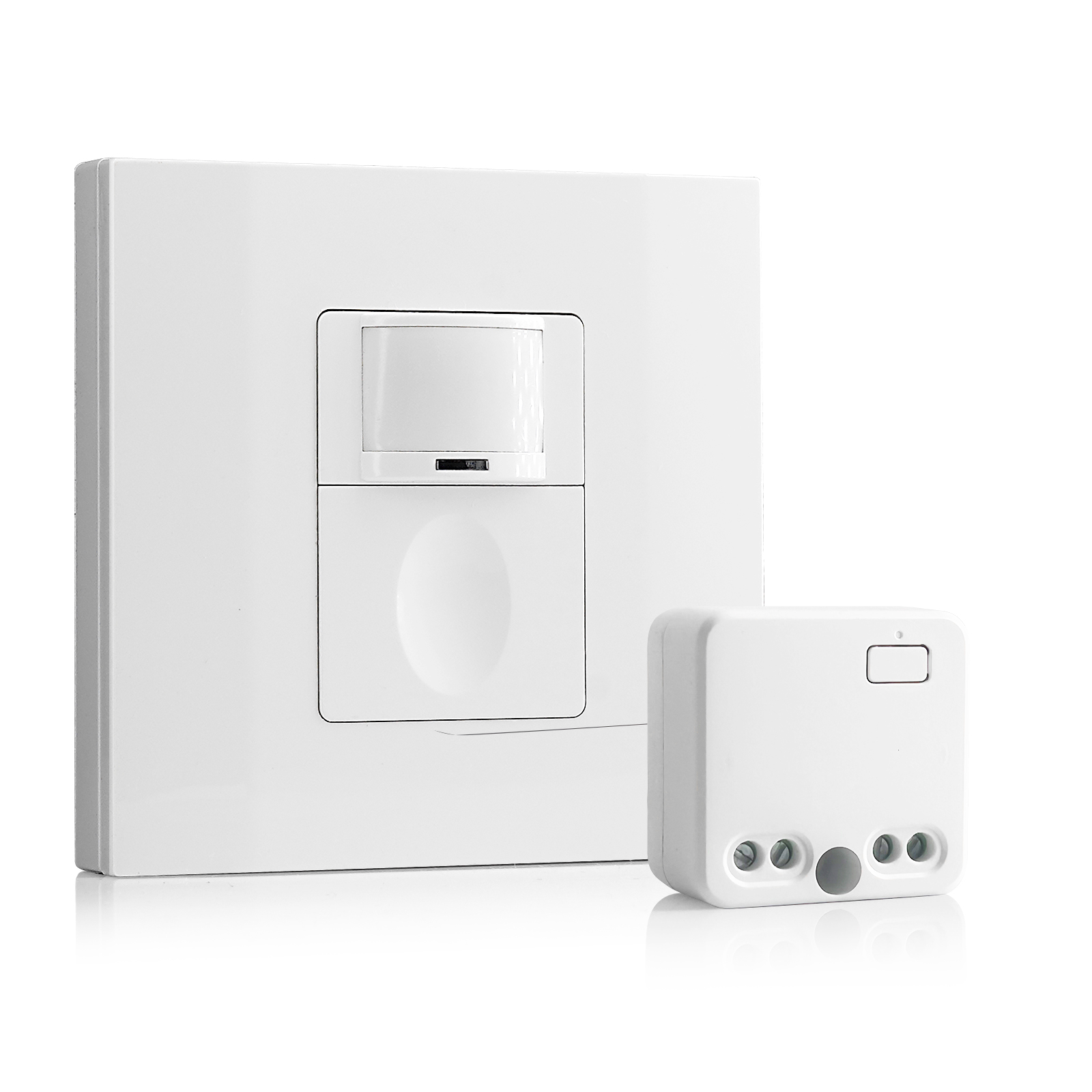
- 100V-230V CA
- Distancia de transmisión: hasta 20 m
- Sensor de movimiento inalámbrico
- Control cableado
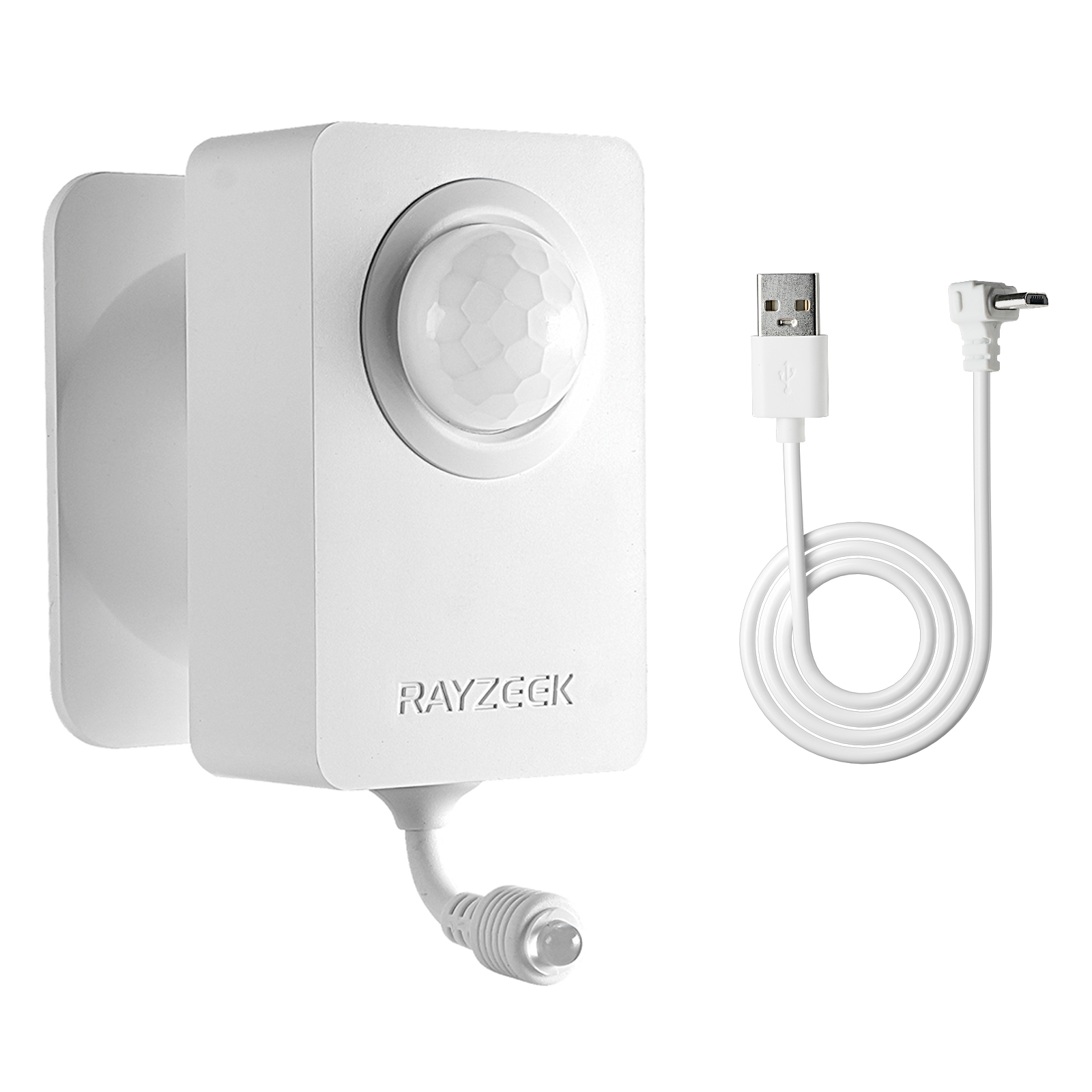
- Voltaje: 2 baterías AAA / 5V CC (Micro USB)
- Modo día/noche
- Tiempo de retardo: 15 min, 30 min, 1 h (por defecto), 2 h
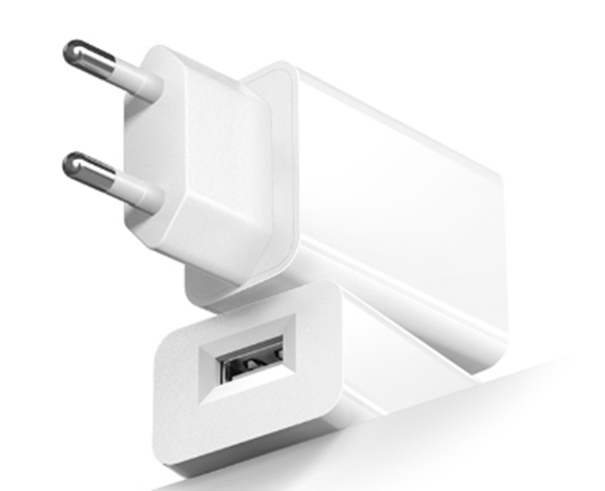
- Adaptador de corriente con enchufe de la UE
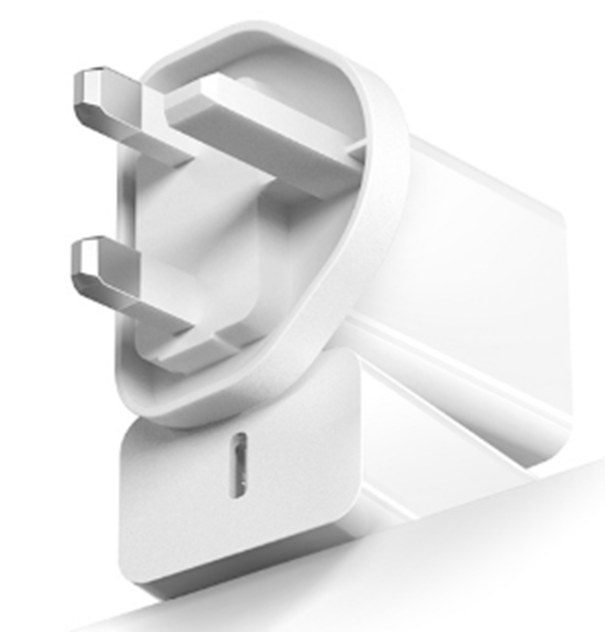
- Adaptador de corriente con enchufe del Reino Unido
Frequently Asked Questions
Why Does a Light Beam Spread
As the light beam moves away from the surface it is directed at or when the beam width is increased, it naturally spreads out and its intensity decreases. This phenomenon can be observed when using a torch and adjusting its distance from a wall, as the spread and intensity of the light will vary accordingly.
What Is Beam Spread Measured In
The measurement of beam spread refers to the diameter of the light projected onto the subject. To put it simply, if you were to shine a flashlight on a wall, the width of the illuminated circle would represent the beam spread. This measurement is typically expressed in feet. In the context of this discussion, we define beam spread as the area that receives 50% of the light power.
What Is the Beam Spread of a Flood Light
Flood lights typically have a beam spread ranging from over 45 degrees to approximately 120 degrees. Nevertheless, it is worth noting that certain lights advertised as floods may have a narrower beam angle of around 25 degrees. If you specifically require a light with such a narrow beam, it may be more suitable to consider spotlights instead.
What Beam Spread for Ceiling Height
Overlapping beam angles are important to ensure that the entire space is adequately illuminated, reducing the risk of accidents. For ceilings with a standard height of approximately 7.9 to 8.9 feet, a wider beam angle of 60 degrees or more is suitable. However, if your ceiling height exceeds 8.9 feet, a narrower beam angle of 45 degrees or less will be necessary.
What Happens When the Light Is More Spread Out
Light spreads out in a similar manner to how butter spreads from a gun. In other words, as light moves away from a point source, its intensity decreases due to its increased dispersion (similar to the decreased thickness of butter).







