

The promise of the intelligent workplace often begins with lighting. It is a simple, elegant idea: a space that anticipates your presence, illuminating your path and conserving energy when you depart. Yet in the complex geography of the modern open office, this promise frequently curdles into a daily annoyance. The lights go out on an employee deep in thought, a silent team during a critical video call, or a designer sketching quietly at their desk.
This failure is not a simple glitch. It is a symptom of a deeper disconnect between the idealized models of technology and the messy, unpredictable reality of human work. The motion sensor dead zone, that frustrating patch of darkness where the system loses track of a person, is more than a coverage gap. It is a failure of perception. Overcoming it requires moving beyond the simple act of placing hardware and into a more deliberate strategy of understanding how architecture, technology, and behavior conspire to create these moments of blindness.
An Architecture of Invisibility
The open office, designed for collaboration and transparency, inadvertently creates an environment perfectly suited to confounding the very sensors meant to make it smarter. The problem is not a single flaw but a convergence of factors. Every support column, every bank of storage cabinets, every acoustic pod and decorative planter casts what amounts to a sensor shadow, an area where the sensor’s line of sight is simply blocked. These are the most obvious gaps, but they are far from the most insidious.
The true challenge lies in the motion profile of a focused office worker. The work itself, the very activity the space is designed to foster, often involves long periods of stillness broken only by the subtle tap of a keyboard or the turn of a page. These micro-movements fall below the perceptual threshold of the most common sensor technologies. The system, blind to this quiet productivity, assumes the space is empty. What follows is a sudden plunge into darkness that breaks concentration and breeds resentment for the “smart” system that has just proven itself profoundly unintelligent.
This landscape of physical obstructions and subtle human motion is laid out across vast, often irregular floor plans. Designing a network of sensors to cover such a space without creating new gaps between their individual fields of view is a geometric puzzle. The result is a systemic vulnerability where a person can be physically present, actively working, and yet remain completely invisible to the building’s nervous system.
Rayzeek の人感センサーポートフォリオからヒントを見つけましょう。
お探しのものが見つかりませんか?ご安心ください。課題を解決する代替手段は常に存在します。当社の製品ポートフォリオがヒントになるかもしれません。
The Flaw in the Sensor’s Gaze
At the heart of this challenge is the technology itself, specifically the Passive Infrared (PIR) sensor that forms the backbone of most lighting control systems. A PIR sensor does not see the world as a camera does. It perceives its environment through a faceted lens, dividing the room into a series of invisible wedges. It detects presence only when a heat source, like a person, moves from one of these wedges to another.
This operational principle is both efficient and deeply flawed for an office setting. It means the sensor is most effective at detecting motion that cuts laterally across its field of view, like someone walking down a hallway. It struggles profoundly with slow, head-on motion. A person walking directly toward the sensor might remain within a single detection wedge for too long, never tripping the trigger that confirms their presence. This explains why a worker can sit perfectly still at their desk, making only the small movements of typing and thinking, and effectively disappear from the system’s view. The area directly beneath a ceiling-mounted sensor often becomes a conical blind spot, a natural weakness in its segmented pattern where crossing between zones is difficult. The technology’s very nature creates the dead zones it is supposed to prevent.
Mapping the Blind Spots
Before a solution can be designed, the precise contours of the problem must be understood. This requires an audit, but not one performed with spreadsheets and spec sheets alone. For a space that is still on the drawing board, overlaying the manufacturer’s coverage diagrams onto a floor plan is a necessary first step. These patterns reveal the theoretical reach of each sensor, allowing you to rigorously map the shadows cast by furniture and columns and identify the potential gaps between overlapping fields.
For an existing office, however, the only true diagnostic is to experience the space as its occupants do. The walk-through test is the definitive tool. With the system’s time delay set to a minimum, one person moves slowly, deliberately through the entire office. Another watches the small LED indicator on the sensors themselves. The moment an indicator winks out while a person is still in what should be a covered zone, a dead zone has been found. This test must be repeated not just by walking, but by sitting, by typing, by performing the actual tasks of the workplace. It is an act of tracing the lines of failure to understand where perception breaks down.
動き検知連動の省エネソリューションをお探しですか?
各種PIR動きセンサー、動き検知連動の省エネ製品、動きセンサーライトスイッチ、商用向けのOccupancy/Vacancy(在室/不在)ソリューションについては、当社までお気軽にお問い合わせください。
A Strategy of Layered Awareness
Eliminating these gaps is not about finding one perfect sensor or one perfect location. It is about creating a multi-layered network of awareness, a system where the weakness of one component is covered by the strength of another. The most effective strategy is to design for overlapping fields of detection. Instead of one powerful sensor attempting to cover a large pod of desks, multiple smaller sensors are positioned so their detection patterns bleed into one another at the edges.
This thinking changes placement logic. Rather than centering sensors directly over desks, where the conical blind spot is at its most problematic, they are better positioned over aisles and circulation paths. This orientation captures people moving between spaces and allows the stronger outer edge of one sensor’s pattern to cover the weak central area of the next. It aligns the technology’s strength, detecting lateral movement, with the natural flow of traffic in the space.
For the areas where people actually work, however, a different kind of perception is required. Here, relying on PIR technology alone is insufficient. The more resilient solution is a dual-technology sensor, which pairs a PIR element with a more sensitive ultrasonic or microwave component. This is not simply about adding more technology; it is about creating a more intelligent logic. The PIR sensor acts as the initial gatekeeper, confirming that a heat-emitting presence has entered the room. Only then does it activate the ultrasonic sensor, which is sensitive enough to detect the micro-movements of a stationary worker. This PIR-first logic is critical. It prevents false alarms from HVAC systems or vibrations while ensuring the lights stay on for the people who are actually there, quietly working.
Even with a perfectly layered sensor network, the system can still feel aggressive and unforgiving. The final, crucial layer of a successful strategy is time. An employee’s primary complaint is almost never about energy waste; it is about being plunged into darkness. Setting a system’s time delay too short in pursuit of marginal energy savings is a false economy. It creates an environment of frustration. For primary work areas, a time delay of 15 to 20 minutes provides a necessary buffer, prioritizing a stable, comfortable environment over a needlessly reactive one. It is an acknowledgment that the system must serve the people within it, not just the building’s energy targets.
Adapting to the Realities of the Room
This strategic foundation provides a robust approach for most open offices, but the real world is filled with architectural quirks and budgetary constraints that demand more nuanced solutions. In spaces with soaring 20- or 40-foot ceilings, for instance, a standard sensor’s detection pattern shrinks to an uselessly small circle on the floor. Such applications require specialized high-bay sensors, units built with more powerful optics capable of maintaining a functional coverage area from significant heights.
こちらの製品もおすすめ

- 無電圧接点リレー出力を備えた天井取付型 PIR 占有・無人検知センサー
- 12/24VDC または 12/24VAC の低電圧電源
- EMS、HVAC、およびビル管理制御入力用の COM、NO、NC 絶縁リレー接点

- 低電圧 DC 天井埋込型 マイクロ波モーションセンサースイッチ
- 12 VDC / 24 VDC 入力(許容範囲:10-30 VDC)
- 最大動作電流 10A、調整可能なタイムディレイ、照度しきい値、および感度
- 高負荷対応 天井埋込型 マイクロ波モーションセンサースイッチ
- 100-265 VAC 商用電圧入力、10A モデル
- 5.8 GHz マイクロ波検知、調整可能なタイムディレイ、照度しきい値、および感度
- 天井埋込型 マイクロ波モーションセンサースイッチ
- 100-265 VAC 商用電圧入力、5A モデル
- 5.8 GHz マイクロ波検知、調整可能なタイムディレイ、照度しきい値、および感度
- 220V 電源用 天井取付型 RZ037 PIR 占有・無人検知センサー調光器
- 最大動作電流 3A、定格負荷 660W
- LUX ボタンによる調光センサーのオン/オフおよびユーザー設定の調光輝度制御
- 110V 電源用 天井取付型 RZ037 PIR 占有・無人検知センサー調光器
- 最大動作電流 3A、定格負荷 330W
- LUX ボタンによる調光センサーのオン/オフおよびユーザー設定の調光輝度制御

- 低電圧DC天井取付型マイクロ波動体検知センサースイッチ
- 12 VDC / 24 VDC 入力(許容範囲:10-30 VDC)
- 最大動作電流 10A、調整可能なタイムディレイ、照度しきい値、および感度
- 高負荷天井取付型マイクロ波動体検知センサースイッチ
- 100-265 VAC 商用電圧入力、10A モデル
- 5.8 GHz マイクロ波検知、調整可能なタイムディレイ、照度しきい値、および感度
- 天井取付型マイクロ波動体検知センサースイッチ
- 100-265 VAC 商用電圧入力、5A モデル
- 5.8 GHz マイクロ波検知、調整可能なタイムディレイ、照度しきい値、および感度

- 低電圧DC埋込型天井PIR動体検知センサースイッチ
- 12 VDC / 24 VDC 入力(許容範囲:10-30 VDC)
- 最大動作電流10A、調整可能なタイムディレイ、ルクス閾値、および感度設定

- 高負荷埋込型天井PIR動体検知センサースイッチ
- 100-265 VAC 商用電圧入力、10A モデル
- 360度検知、調整可能なタイムディレイ、ルクス閾値、および感度設定
- 埋込型天井PIR動体検知センサースイッチ
- 100-265 VAC 商用電圧入力、5A モデル
- 360度検知、調整可能なタイムディレイ、ルクス閾値、および感度設定

- 屋内用ON/OFF照明制御ワイヤレススイッチ&レシーバーキット
- 100-230VAC、50/60Hzレシーバー、定格電流5A
- CR2032電池駆動ワイヤレススイッチ、2.4GHz通信
- 在室(自動オン/自動オフ)
- 12–24V DC(10–30VDC)、最大10A
- 360°検知範囲、直径8–12 m
- タイムディレイ 15秒–30分
- 照度センサー オフ/15/25/35 Lux
- 高/低感度
- 自動オン/自動オフ在室モード
- 100–265V AC、10A(中性線が必要)
- 360°検知範囲、検知直径8–12 m
- タイムディレイ 15秒–30分、ルクス オフ/15/25/35、感度 高/低
- 自動オン/自動オフ在室モード
- 100–265V AC, 5A (中性線必須)
- 360°検知範囲、検知直径8–12 m
- タイムディレイ 15秒–30分、ルクス オフ/15/25/35、感度 高/低
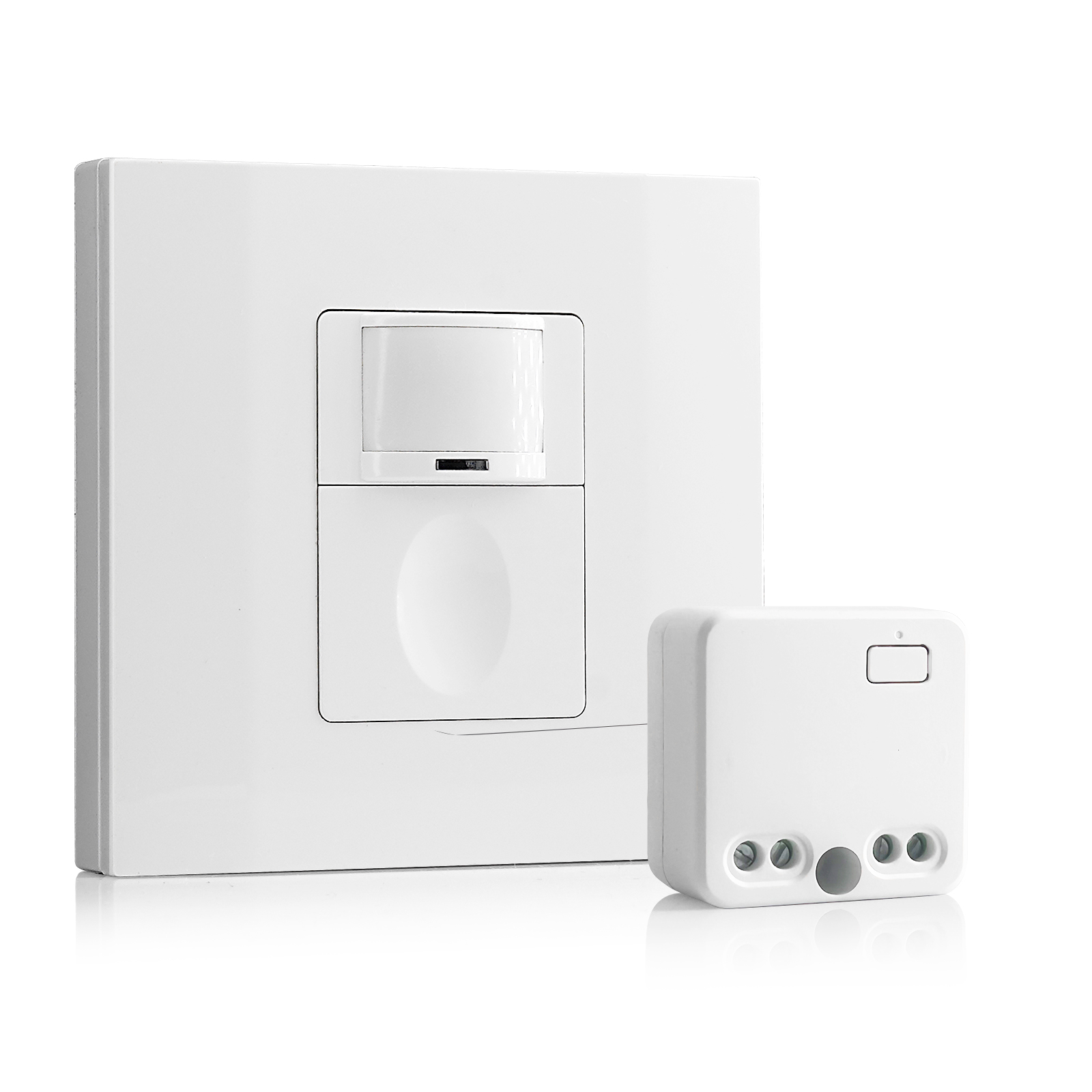
- 100V-230VAC
- 送信距離: 最大20m
- ワイヤレス動きセンサー
- 有線制御
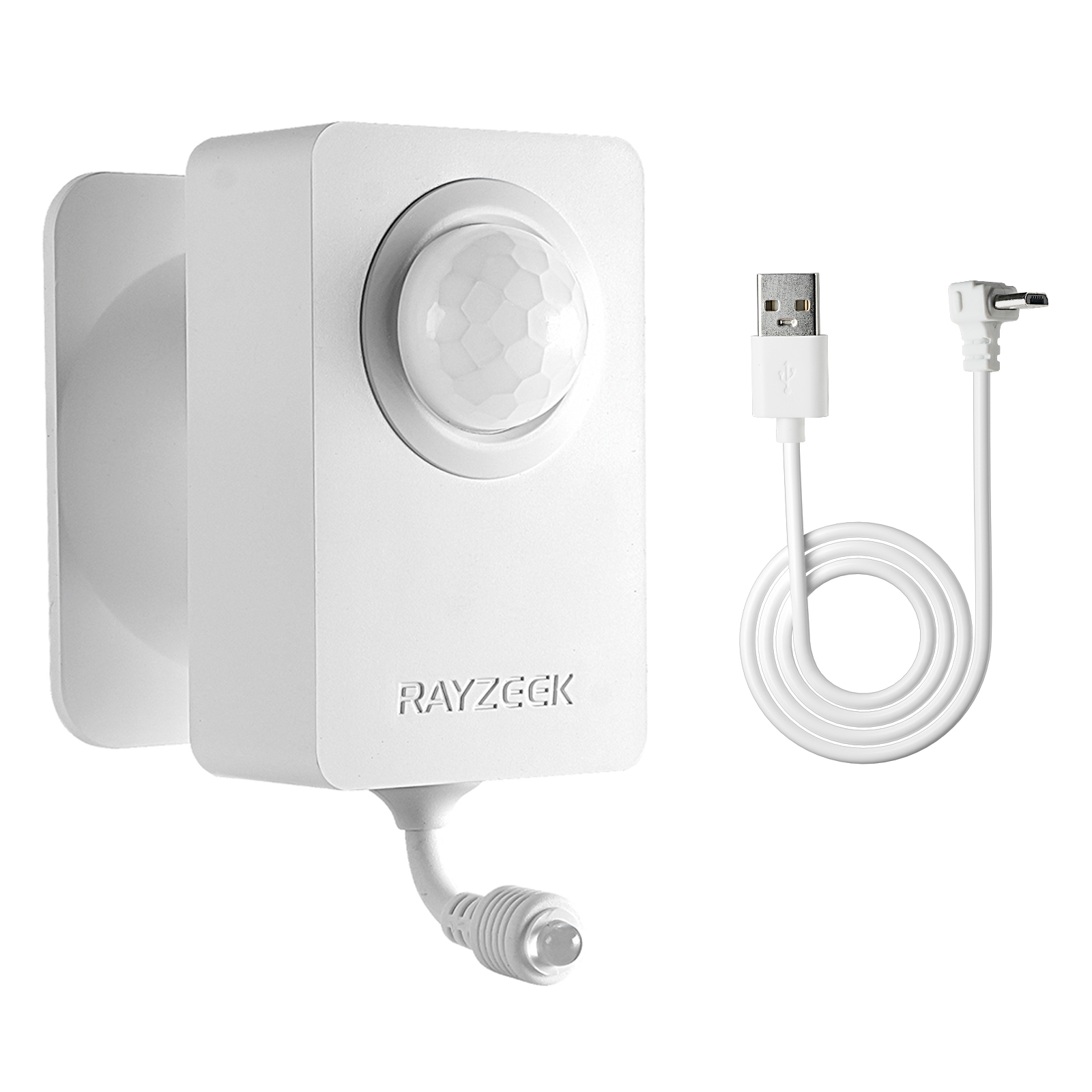
- 電圧: 単4電池×2本 / 5V DC (Micro USB)
- 昼/夜モード
- タイムディレイ: 15分、30分、1時間(デフォルト)、2時間
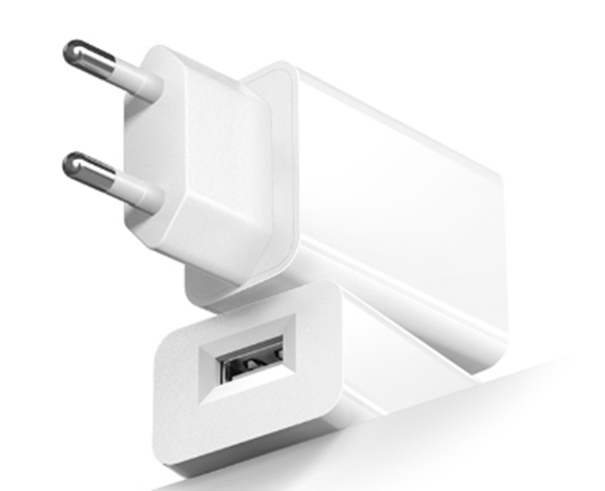
- EUプラグ電源アダプター
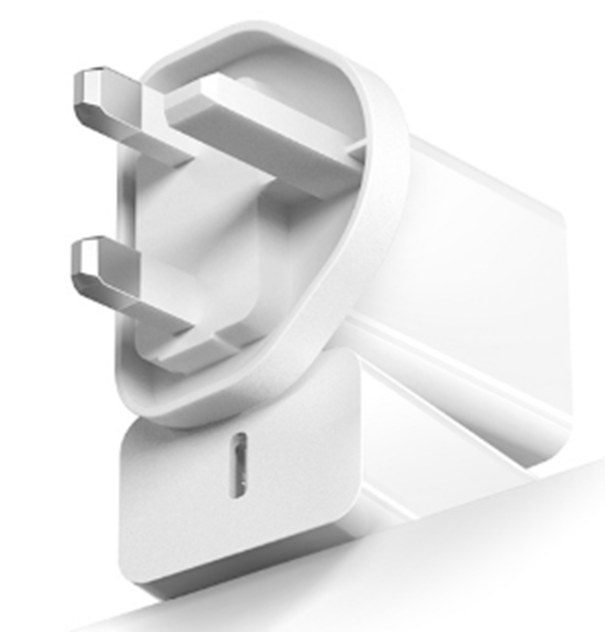
- UKプラグ電源アダプター
Sometimes the problem is not a lack of coverage, but an excess of it. A sensor perfectly positioned to cover a quiet work zone might be constantly triggered by foot traffic in an adjacent hallway. Here, the solution is surgical. Sensor masking, the simple act of applying a shaped adhesive to the sensor’s lens, can block its view of the problem area without compromising its intended coverage. It is a technique that demonstrates a deeper, more granular level of control.
When a budget is tight and new hardware is not an option, optimization becomes key. Often, simply moving an existing sensor a few feet can eliminate a shadow or dramatically improve its angle on a traffic path. Extending the time delay to 25 or 30 minutes, while a blunt instrument, can smooth over the rough edges of an imperfect layout. And sometimes, the answer lies in redeploying assets. A powerful dual-technology sensor serving a low-traffic copy room could be swapped with a basic PIR sensor from a high-complaint problem area, solving a critical issue without spending a dime. It is this kind of practical, experience-driven problem-solving that ultimately transforms a merely functional space into a genuinely intelligent one.







