

What is Operating Position
Operating position is the specific orientation or position in which a lamp or light bulb is intended to be operated for optimal performance and longevity. It is crucial to adhere to the recommended operating position for a particular lamp to avoid any adverse effects on its lifespan and light output.
Maybe You Are Interested In

- גלאי תפוסה PIR מותקן בתקרה עם פלט ממסר מגע יבש
- מתח נמוך 12/24VDC או 12/24VAC
- מגעי ממסר מבודדים COM, NO ו-NC עבור קלטי EMS, HVAC ובקרת בניין

- Low-voltage DC recessed ceiling-mounted microwave motion sensor switch
- קלט 12 VDC / 24 VDC עם טווח 10-30 VDC
- זרימת עבודה מקסימלית 10A עם השהיה מתכווננת, סף לומן ורגישות
- Higher-load recessed ceiling-mounted microwave motion sensor switch
- קלט מתח קו 100-265 VAC, דגם 10A
- חיישן מיקרוגל 5.8 GHz עם השהיה מתכווננת, סף לומן ורגישות
- Recessed ceiling-mounted microwave motion sensor switch
- קלט קו מתח 100-265 VAC, דגם 5A
- חיישן מיקרוגל 5.8 GHz עם השהיה מתכווננת, סף לומן ורגישות
- מכוונן תפוסה PIR RZ037 מותקן בתקרה לכוח 220V
- זרם עבודה מרבי 3A עם עומס מדורג 660W
- כפתור LUX שולט על הפעלת/כיבוי חיישן האור ועל עמעום הבהירות שנקבע על ידי המשתמש
- מכוונן תפוסה PIR RZ037 מותקן בתקרה לכוח 110V
- זרם עבודה מרבי 3A עם עומס מדורג 330W
- כפתור LUX שולט על הפעלת/כיבוי חיישן האור ועל עמעום הבהירות שנקבע על ידי המשתמש

- מתג חיישן תנועה מיקרוגל DC מותקן בתקרה
- קלט 12 VDC / 24 VDC עם טווח 10-30 VDC
- זרימת עבודה מקסימלית 10A עם השהיה מתכווננת, סף לומן ורגישות
- מתג חיישן תנועה מיקרוגל מותקן בתקרה בעומס גבוה יותר
- קלט מתח קו 100-265 VAC, דגם 10A
- חיישן מיקרוגל 5.8 GHz עם השהיה מתכווננת, סף לומן ורגישות
- מתג חיישן תנועה מיקרוגל מותקן בתקרה
- קלט קו מתח 100-265 VAC, דגם 5A
- חיישן מיקרוגל 5.8 GHz עם השהיה מתכווננת, סף לומן ורגישות

- מתג תנועה PIR שקוע לתקרה במתח נמוך DC
- קלט 12 VDC / 24 VDC עם טווח 10-30 VDC
- זרם עבודה מרבי 10A עם השהיית זמן, סף LUX ורגישות מתכווננים

- מתג תנועה PIR שקוע לתקרה לעומס גבוה יותר
- קלט מתח קו 100-265 VAC, דגם 10A
- זיהוי 360 מעלות עם השהיה מתכווננת, סף לומן ורגישות
- מתג חיישן תנועה PIR מותקן בתקרה שקוע
- קלט קו מתח 100-265 VAC, דגם 5A
- זיהוי 360 מעלות עם השהיה מתכווננת, סף לומן ורגישות

- Wireless switch and receiver kit for indoor ON/OFF lighting control
- 100-230VAC, 50/60Hz receiver with 5A rated current
- CR2032-powered wireless switch with 2.4GHz communication
- Occupancy (Auto-ON/Auto-OFF)
- 12–24V DC (10–30VDC), up to 10A
- 360° coverage, 8–12 m diameter
- Time delay 15 s–30 min
- Light sensor Off/15/25/35 Lux
- High/Low sensitivity
- Auto-ON/Auto-OFF occupancy mode
- 100–265V AC, 10A (neutral required)
- 360° coverage; 8–12 m detection diameter
- Time delay 15 s–30 min; Lux OFF/15/25/35; Sensitivity High/Low
- Auto-ON/Auto-OFF occupancy mode
- 100–265V AC, 5A (neutral required)
- 360° coverage; 8–12 m detection diameter
- Time delay 15 s–30 min; Lux OFF/15/25/35; Sensitivity High/Low
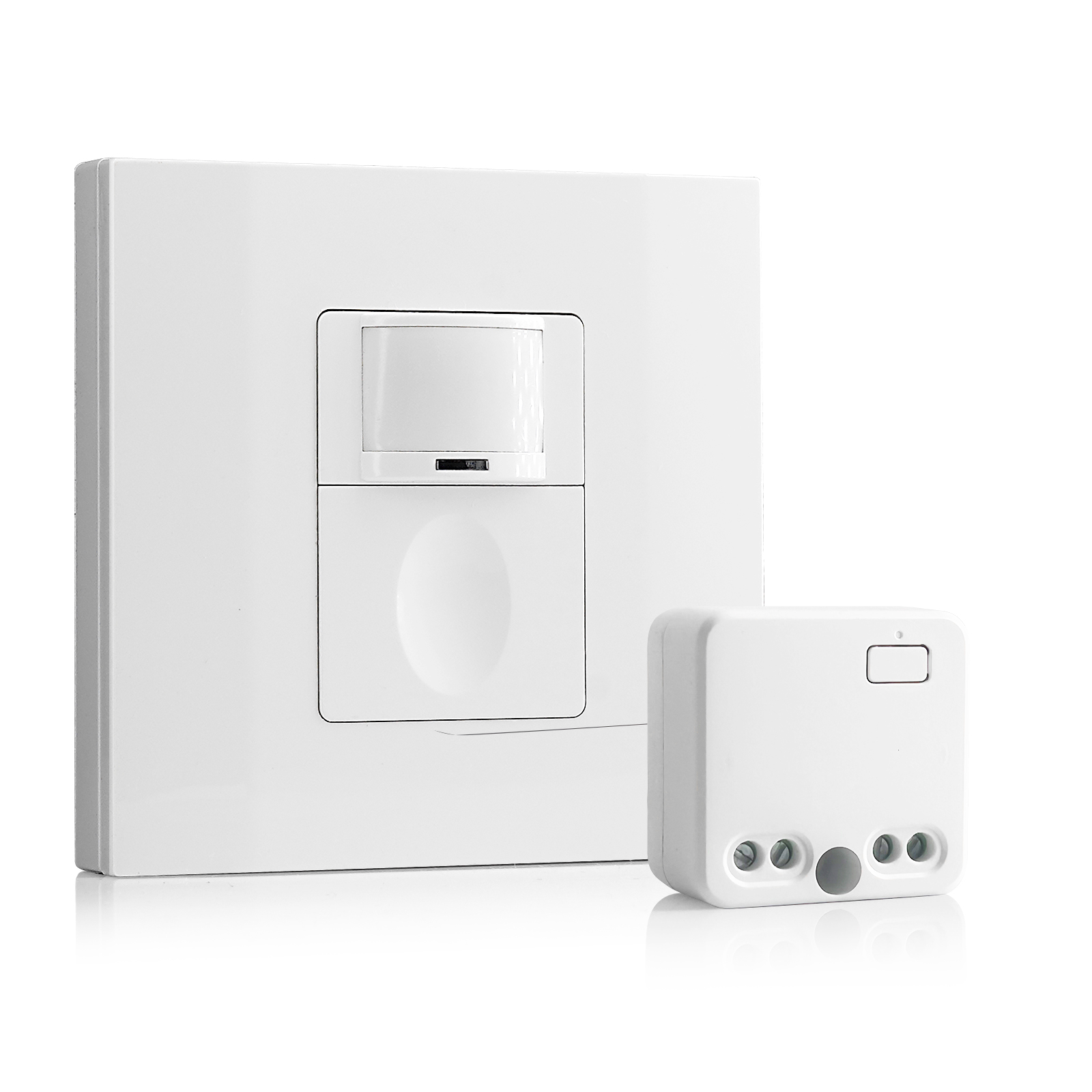
- 100V-230VAC
- Transmission Distance: up to 20m
- Wireless motion sensor
- Hardwired control
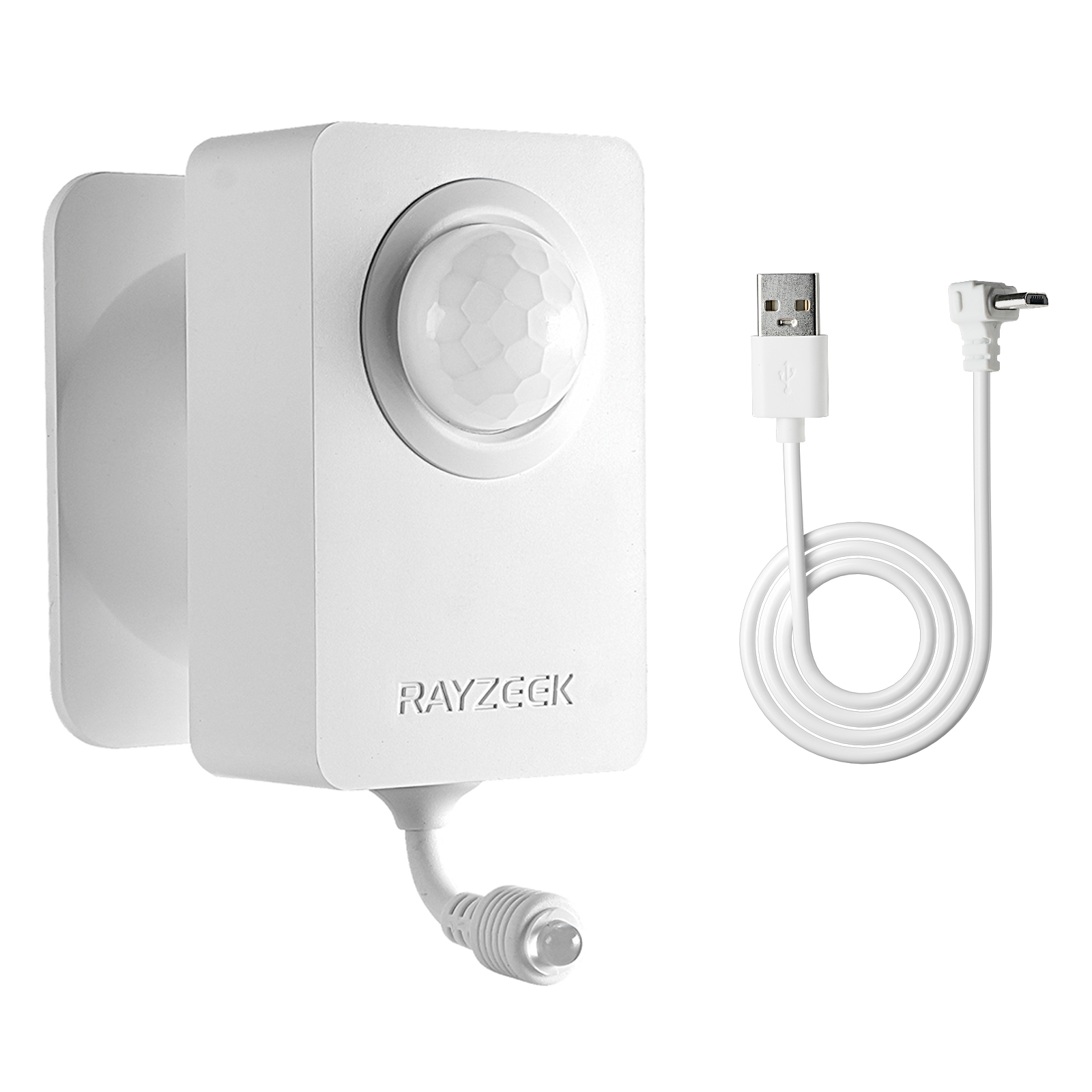
- Voltage: 2x AAA Batteries / 5V DC (Micro USB)
- Day/Night Mode
- Time delay: 15min, 30min, 1h(default), 2h
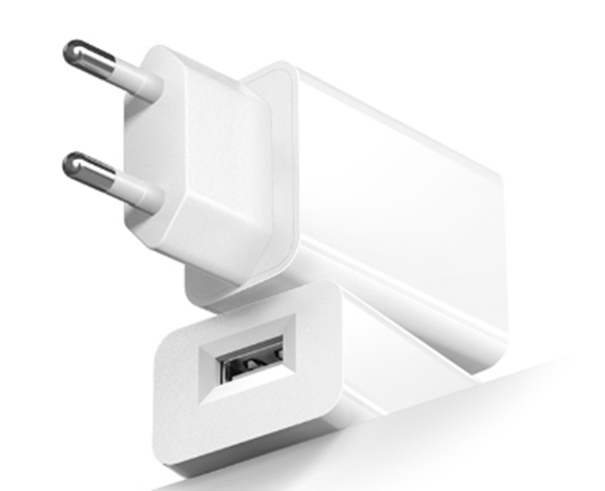
- EU plug power adapter
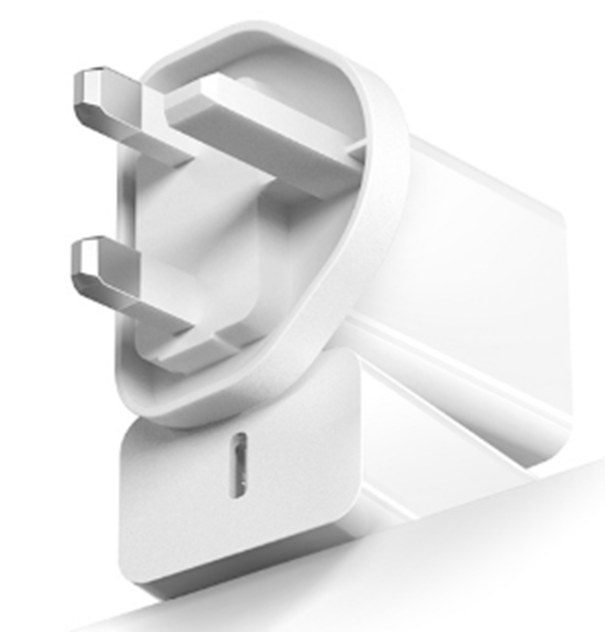
- UK plug power adapter
The operating position of a lamp is determined by its design and construction. For example, GLS (General Lighting Service) lamps are typically designed to be operated in the pendant position, with the cap facing upwards. This means that the lamp should be installed in a pendant fixture with the cap oriented upwards. Operating the lamp in this position allows for proper gas convection currents and prevents local overheating of the filament, ensuring a longer lifespan.
In addition to the pendant position, other lamps may have different operating position requirements. Metal halide lamps, for instance, are often designed to be operated in specific positions such as vertical or base-up orientations. Following the correct operating position for metal halide lamps ensures optimal performance, efficiency, and lifespan.
Get Inspired by Rayzeek Motion Sensor Portfolios.
Doesn't find what you want? Don't worry. There are always alternate ways to solve your problems. Maybe one of our portfolios can help.
It is important to consult the manufacturer’s specifications and installation instructions to determine the appropriate operating position for a specific lamp model. By doing so, one can ensure proper light distribution, prevent issues such as reduced lumen output and shortened lamp life, and maintain the overall performance and longevity of the lamp.
Frequently Asked Questions
Who Positions the Lighting in the Operating Room
It is common for the majority of perioperative teams to place the surgical light directly above the area where the surgery is being performed. To optimize the effectiveness of the lighting, clinicians may find it advantageous to position one light at the top of the table and another light at the bottom, directing both lights sideways.
What Is Operating Light Level
Norms and requirements for surgical light include the recommended illuminance level. In the case of operating light level, the central illuminance should ideally fall within the range of 160,000 to 40,000 lux.







