
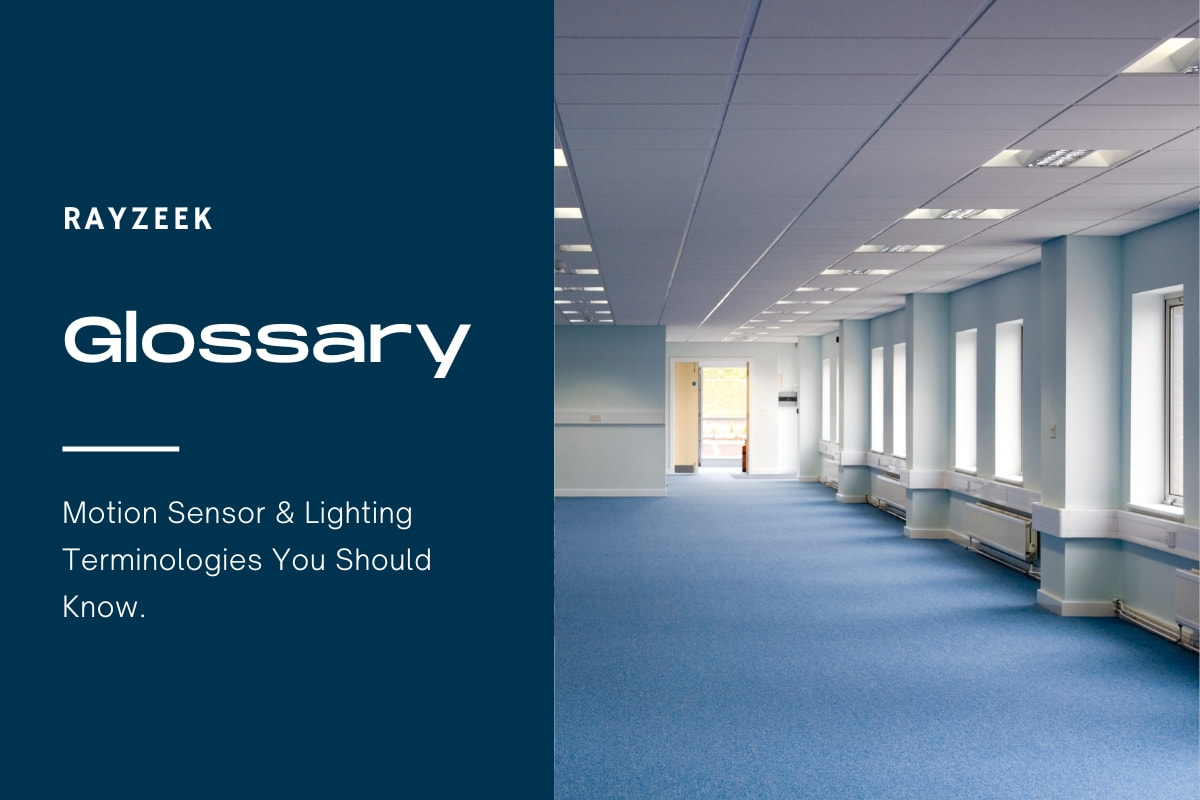
What is Glare
Glare is the visual sensation that occurs when there is an excessive and uncontrolled brightness in the field of view. It is characterized by a significant difference in luminance between the task being looked at and the source of glare. This excessive brightness can cause discomfort, annoyance, or even pain to the eyes, leading to a reduction in visibility and the ability to distinguish details and objects.
Maybe You Are Interested In

- גלאי תפוסה PIR מותקן בתקרה עם פלט ממסר מגע יבש
- מתח נמוך 12/24VDC או 12/24VAC
- מגעי ממסר מבודדים COM, NO ו-NC עבור קלטי EMS, HVAC ובקרת בניין

- Low-voltage DC recessed ceiling-mounted microwave motion sensor switch
- קלט 12 VDC / 24 VDC עם טווח 10-30 VDC
- זרימת עבודה מקסימלית 10A עם השהיה מתכווננת, סף לומן ורגישות
- Higher-load recessed ceiling-mounted microwave motion sensor switch
- קלט מתח קו 100-265 VAC, דגם 10A
- חיישן מיקרוגל 5.8 GHz עם השהיה מתכווננת, סף לומן ורגישות
- Recessed ceiling-mounted microwave motion sensor switch
- קלט קו מתח 100-265 VAC, דגם 5A
- חיישן מיקרוגל 5.8 GHz עם השהיה מתכווננת, סף לומן ורגישות
- מכוונן תפוסה PIR RZ037 מותקן בתקרה לכוח 220V
- זרם עבודה מרבי 3A עם עומס מדורג 660W
- כפתור LUX שולט על הפעלת/כיבוי חיישן האור ועל עמעום הבהירות שנקבע על ידי המשתמש
- מכוונן תפוסה PIR RZ037 מותקן בתקרה לכוח 110V
- זרם עבודה מרבי 3A עם עומס מדורג 330W
- כפתור LUX שולט על הפעלת/כיבוי חיישן האור ועל עמעום הבהירות שנקבע על ידי המשתמש

- מתג חיישן תנועה מיקרוגל DC מותקן בתקרה
- קלט 12 VDC / 24 VDC עם טווח 10-30 VDC
- זרימת עבודה מקסימלית 10A עם השהיה מתכווננת, סף לומן ורגישות
- מתג חיישן תנועה מיקרוגל מותקן בתקרה בעומס גבוה יותר
- קלט מתח קו 100-265 VAC, דגם 10A
- חיישן מיקרוגל 5.8 GHz עם השהיה מתכווננת, סף לומן ורגישות
- מתג חיישן תנועה מיקרוגל מותקן בתקרה
- קלט קו מתח 100-265 VAC, דגם 5A
- חיישן מיקרוגל 5.8 GHz עם השהיה מתכווננת, סף לומן ורגישות

- מתג תנועה PIR שקוע לתקרה במתח נמוך DC
- קלט 12 VDC / 24 VDC עם טווח 10-30 VDC
- זרם עבודה מרבי 10A עם השהיית זמן, סף LUX ורגישות מתכווננים

- מתג תנועה PIR שקוע לתקרה לעומס גבוה יותר
- קלט מתח קו 100-265 VAC, דגם 10A
- זיהוי 360 מעלות עם השהיה מתכווננת, סף לומן ורגישות
- מתג חיישן תנועה PIR מותקן בתקרה שקוע
- קלט קו מתח 100-265 VAC, דגם 5A
- זיהוי 360 מעלות עם השהיה מתכווננת, סף לומן ורגישות

- Wireless switch and receiver kit for indoor ON/OFF lighting control
- 100-230VAC, 50/60Hz receiver with 5A rated current
- CR2032-powered wireless switch with 2.4GHz communication
- Occupancy (Auto-ON/Auto-OFF)
- 12–24V DC (10–30VDC), up to 10A
- 360° coverage, 8–12 m diameter
- Time delay 15 s–30 min
- Light sensor Off/15/25/35 Lux
- High/Low sensitivity
- Auto-ON/Auto-OFF occupancy mode
- 100–265V AC, 10A (neutral required)
- 360° coverage; 8–12 m detection diameter
- Time delay 15 s–30 min; Lux OFF/15/25/35; Sensitivity High/Low
- Auto-ON/Auto-OFF occupancy mode
- 100–265V AC, 5A (neutral required)
- 360° coverage; 8–12 m detection diameter
- Time delay 15 s–30 min; Lux OFF/15/25/35; Sensitivity High/Low
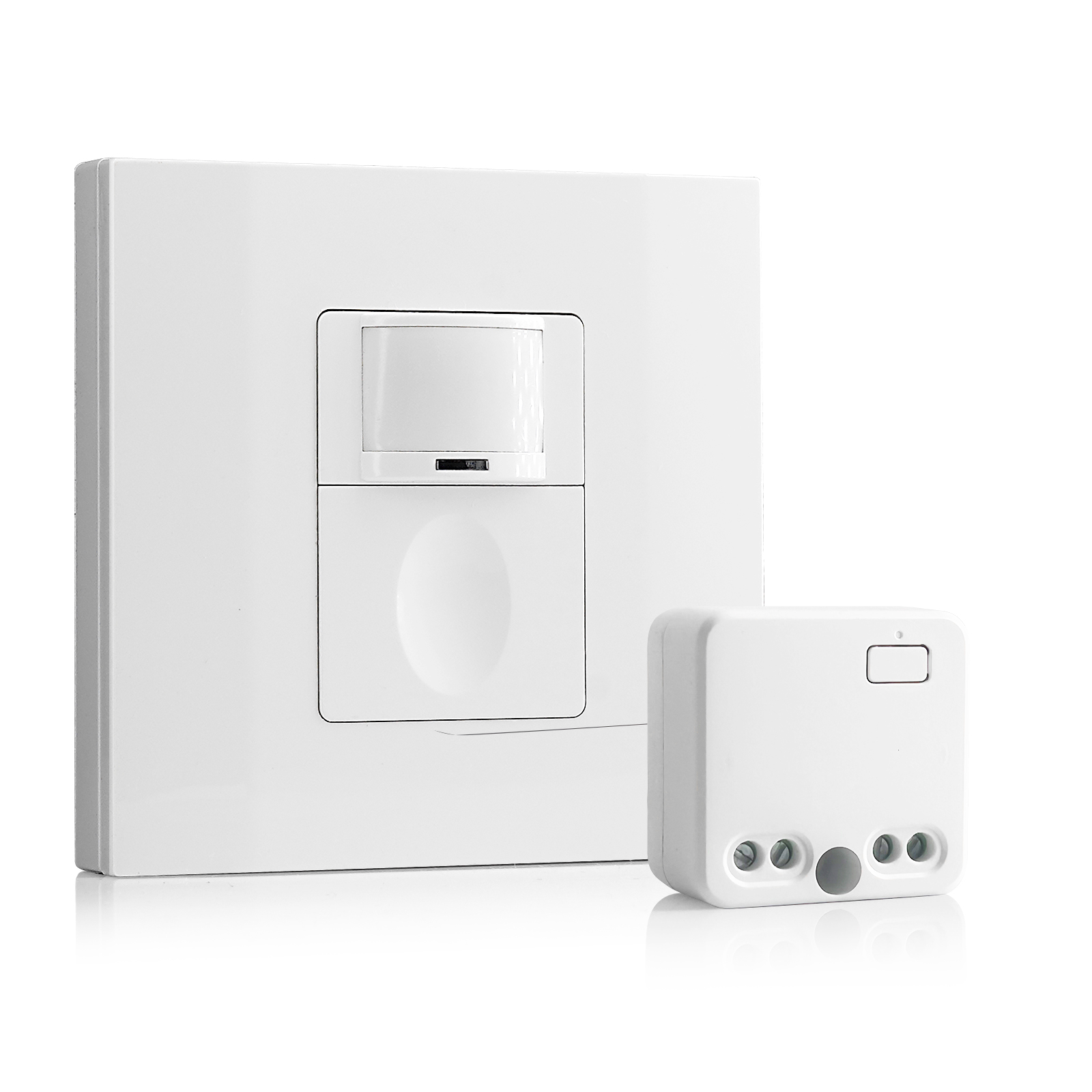
- 100V-230VAC
- Transmission Distance: up to 20m
- Wireless motion sensor
- Hardwired control
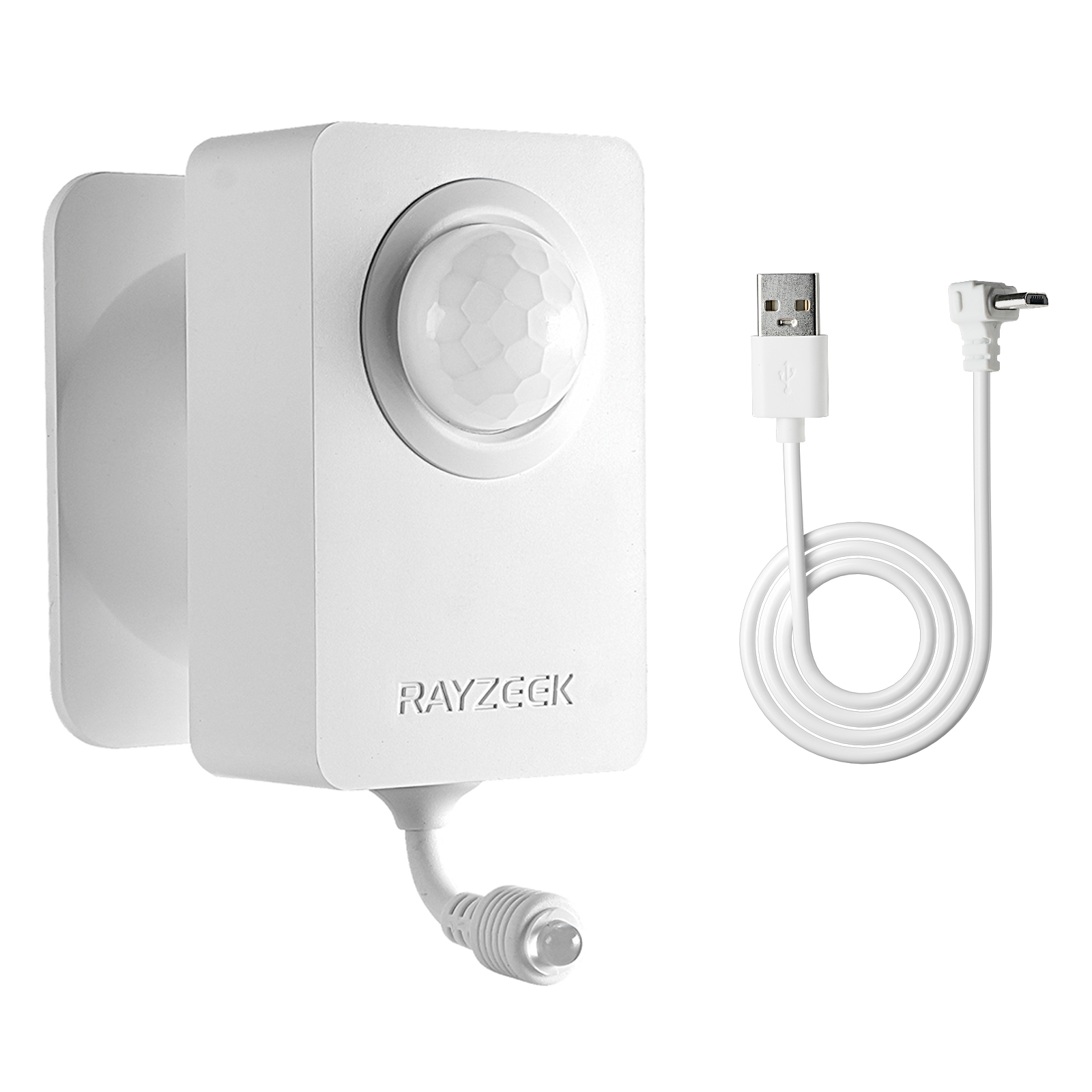
- Voltage: 2x AAA Batteries / 5V DC (Micro USB)
- Day/Night Mode
- Time delay: 15min, 30min, 1h(default), 2h
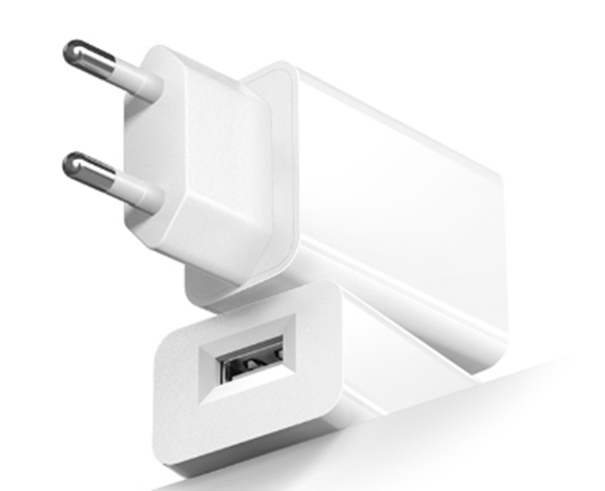
- EU plug power adapter
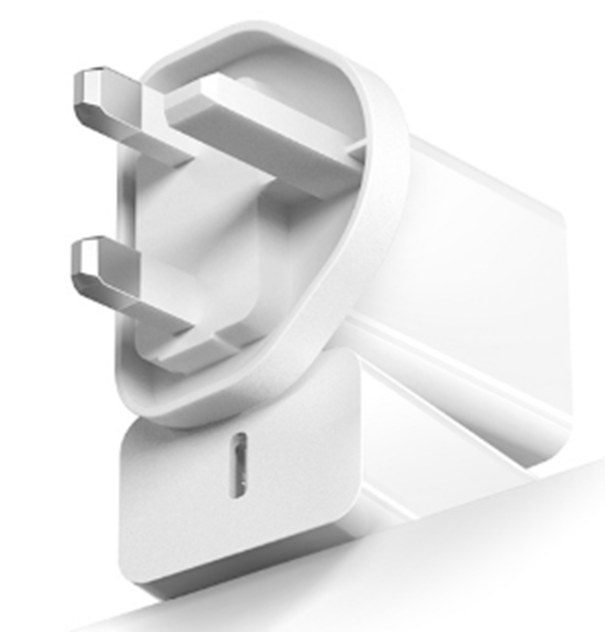
- UK plug power adapter
There are two main types of glare: discomfort glare and disability glare. Discomfort glare is characterized by an instinctive desire to look away from a bright light source or difficulty in seeing the task. It does not necessarily impair visibility but causes an uncomfortable sensation. On the other hand, disability glare occurs when intense light sources are present in the field of view, resulting in a reduction in visibility. This reduction is caused by stray light being scattered within the optical system of the eye, leading to a decrease in the apparent contrast of the visual scene.
It is important to know that sensitivity to glare varies between individuals, and older people are generally more sensitive to glare due to the aging characteristics of the eye. To minimize glare, various factors need to be considered, such as the angle between the task and the glare source, the adaptation of the eyes, and the use of shielding techniques to avoid direct views of the light source.
Get Inspired by Rayzeek Motion Sensor Portfolios.
Doesn't find what you want? Don't worry. There are always alternate ways to solve your problems. Maybe one of our portfolios can help.
Frequently Asked Questions
What Is the Difference Between Brightness and Glare
Glare can be described as a difference in brightness. To minimize glare, one can either increase the brightness of darker areas when they contrast with brighter objects or decrease the brightness of bright areas, such as a source of light or its reflection in the field of vision.
Why Is Glare So Bad at Night
Nighttime glare is a problem because it is caused by both bright and dim lights. When trying to see something in the presence of a bright light, it can cause the eyes to squint and become teary. On the other hand, dim lighting can impair vision by reducing the contrast of images.
Are LED Lights Low Glare
An LED light that has a color temperature of 3,000 K emits minimal blue light, resulting in minimal glare.
What Type of Light Bulb Reduces Glare
As the most energy-efficient option available, LED bulbs and fixtures are highly effective in reducing glare and enhancing visual clarity within a room.
What Is It Called When You See Glare Around Lights
Seeing halos around lights is a phenomenon known as diffraction. Diffraction occurs when light bends as it enters the eye. While glasses and contact lenses can sometimes cause diffraction, it can also be a side effect of certain diseases.







