
What is Anode
In the lighting industry, anode refers to the positive terminal of an electrical component, specifically in relation to LEDs (Light Emitting Diodes). It is one of the two terminals on each diode through which electrical current flows. The anode serves as the entry point for the current, while the other terminal, known as the cathode, acts as the exit point. It attracts a negative charge, despite being positively charged itself. This is because the anode acts as an electron acceptor, facilitating the process of oxidation to attract the negative charge. As a result, the anode is where the oxidation occurs within the LED.
Identifying the anode and cathode correctly is crucial for proper LED polarity marking and connection. If the terminals are not correctly identified, the LED will not function as intended. Therefore, understanding the concept of the anode is essential in the lighting industry, particularly when working with LEDs.
Maybe You Are Interested In

- גלאי תפוסה PIR מותקן בתקרה עם פלט ממסר מגע יבש
- מתח נמוך 12/24VDC או 12/24VAC
- מגעי ממסר מבודדים COM, NO ו-NC עבור קלטי EMS, HVAC ובקרת בניין

- Low-voltage DC recessed ceiling-mounted microwave motion sensor switch
- קלט 12 VDC / 24 VDC עם טווח 10-30 VDC
- זרימת עבודה מקסימלית 10A עם השהיה מתכווננת, סף לומן ורגישות
- Higher-load recessed ceiling-mounted microwave motion sensor switch
- קלט מתח קו 100-265 VAC, דגם 10A
- חיישן מיקרוגל 5.8 GHz עם השהיה מתכווננת, סף לומן ורגישות
- Recessed ceiling-mounted microwave motion sensor switch
- קלט קו מתח 100-265 VAC, דגם 5A
- חיישן מיקרוגל 5.8 GHz עם השהיה מתכווננת, סף לומן ורגישות
- מכוונן תפוסה PIR RZ037 מותקן בתקרה לכוח 220V
- זרם עבודה מרבי 3A עם עומס מדורג 660W
- כפתור LUX שולט על הפעלת/כיבוי חיישן האור ועל עמעום הבהירות שנקבע על ידי המשתמש
- מכוונן תפוסה PIR RZ037 מותקן בתקרה לכוח 110V
- זרם עבודה מרבי 3A עם עומס מדורג 330W
- כפתור LUX שולט על הפעלת/כיבוי חיישן האור ועל עמעום הבהירות שנקבע על ידי המשתמש

- מתג חיישן תנועה מיקרוגל DC מותקן בתקרה
- קלט 12 VDC / 24 VDC עם טווח 10-30 VDC
- זרימת עבודה מקסימלית 10A עם השהיה מתכווננת, סף לומן ורגישות
- מתג חיישן תנועה מיקרוגל מותקן בתקרה בעומס גבוה יותר
- קלט מתח קו 100-265 VAC, דגם 10A
- חיישן מיקרוגל 5.8 GHz עם השהיה מתכווננת, סף לומן ורגישות
- מתג חיישן תנועה מיקרוגל מותקן בתקרה
- קלט קו מתח 100-265 VAC, דגם 5A
- חיישן מיקרוגל 5.8 GHz עם השהיה מתכווננת, סף לומן ורגישות

- מתג תנועה PIR שקוע לתקרה במתח נמוך DC
- קלט 12 VDC / 24 VDC עם טווח 10-30 VDC
- זרם עבודה מרבי 10A עם השהיית זמן, סף LUX ורגישות מתכווננים

- מתג תנועה PIR שקוע לתקרה לעומס גבוה יותר
- קלט מתח קו 100-265 VAC, דגם 10A
- זיהוי 360 מעלות עם השהיה מתכווננת, סף לומן ורגישות
- מתג חיישן תנועה PIR מותקן בתקרה שקוע
- קלט קו מתח 100-265 VAC, דגם 5A
- זיהוי 360 מעלות עם השהיה מתכווננת, סף לומן ורגישות

- Wireless switch and receiver kit for indoor ON/OFF lighting control
- 100-230VAC, 50/60Hz receiver with 5A rated current
- CR2032-powered wireless switch with 2.4GHz communication
- Occupancy (Auto-ON/Auto-OFF)
- 12–24V DC (10–30VDC), up to 10A
- 360° coverage, 8–12 m diameter
- Time delay 15 s–30 min
- Light sensor Off/15/25/35 Lux
- High/Low sensitivity
- Auto-ON/Auto-OFF occupancy mode
- 100–265V AC, 10A (neutral required)
- 360° coverage; 8–12 m detection diameter
- Time delay 15 s–30 min; Lux OFF/15/25/35; Sensitivity High/Low
- Auto-ON/Auto-OFF occupancy mode
- 100–265V AC, 5A (neutral required)
- 360° coverage; 8–12 m detection diameter
- Time delay 15 s–30 min; Lux OFF/15/25/35; Sensitivity High/Low
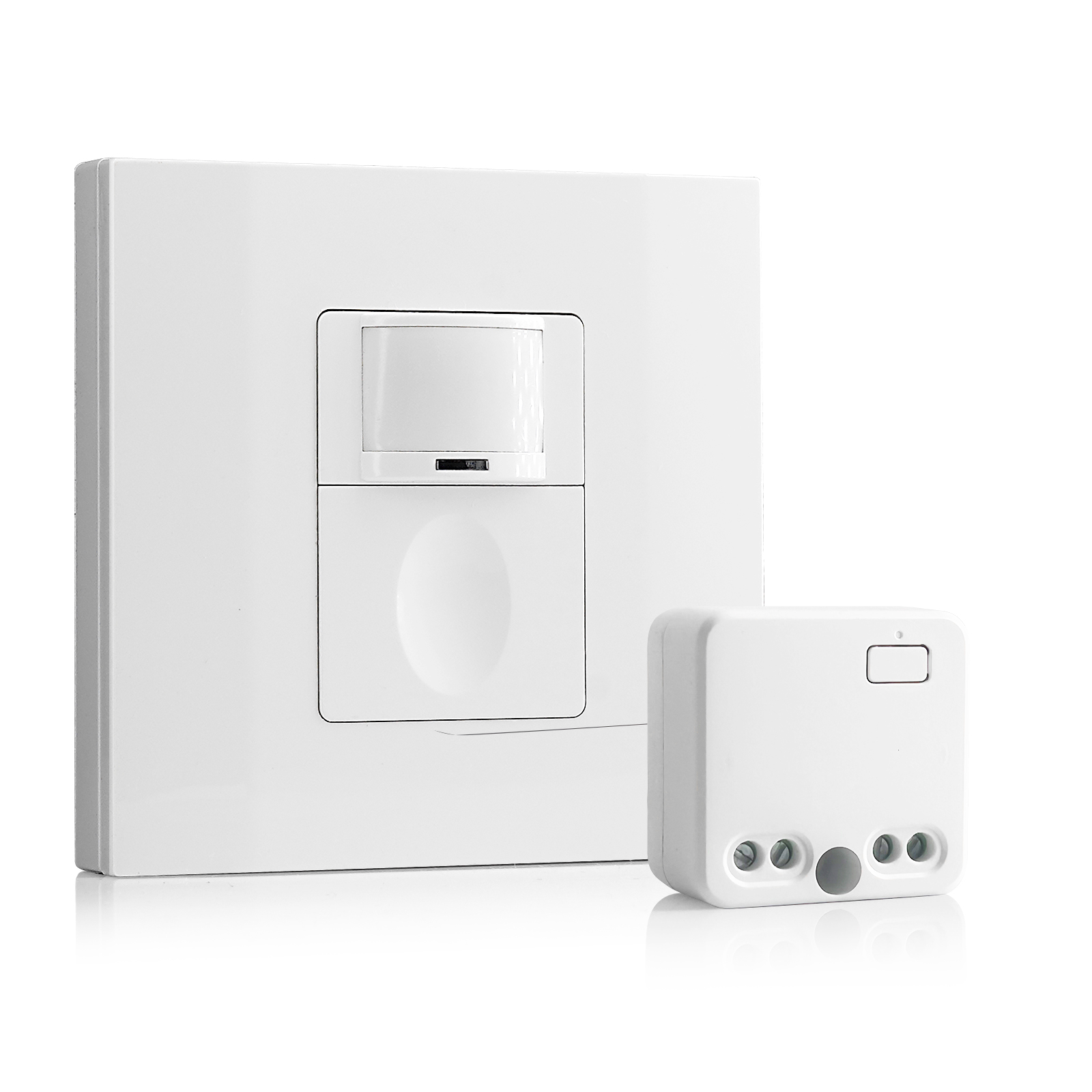
- 100V-230VAC
- Transmission Distance: up to 20m
- Wireless motion sensor
- Hardwired control
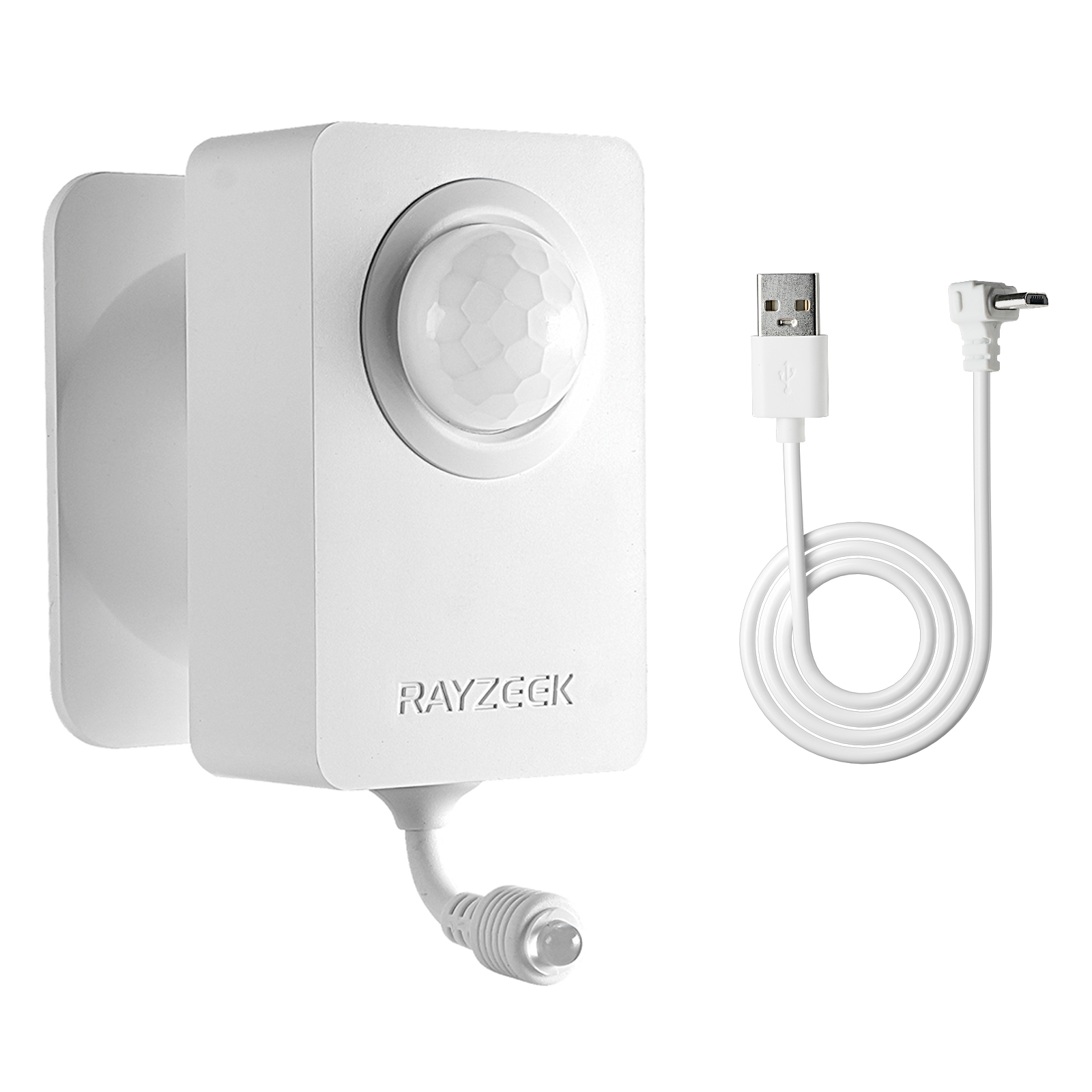
- Voltage: 2x AAA Batteries / 5V DC (Micro USB)
- Day/Night Mode
- Time delay: 15min, 30min, 1h(default), 2h
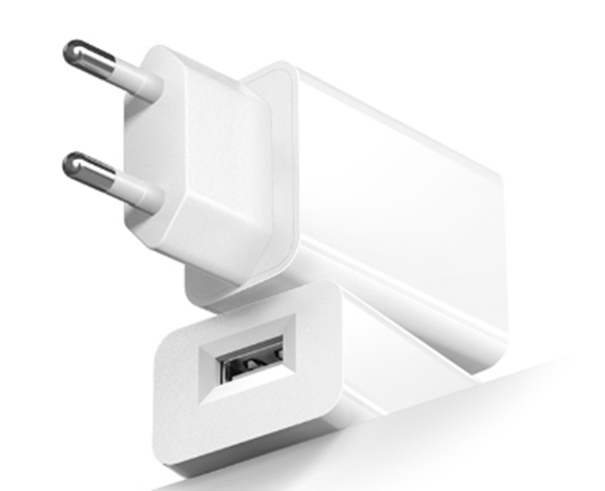
- EU plug power adapter
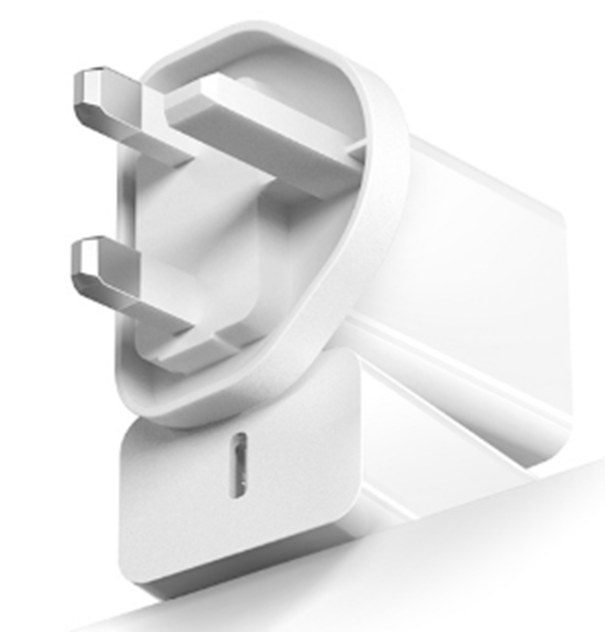
- UK plug power adapter
Frequently Asked Questions
What Is the Difference Between a LED Anode and Cathode
LED polarity refers to the positive (+) and negative (-) sides of LEDs and other diodes. To ensure proper functioning, an LED must be connected to a voltage source with the correct side. The positive (+) side, known as the anode, is the voltage supply side of the diode. Conversely, the negative side is referred to as the cathode.
Is the Anode Longer on LED
The anode, which is the positive terminal of an LED, is identified by the longer lead. Conversely, the cathode, which has negative polarity, is indicated by the shorter lead.
How Can You Recognize the Anode of an LED
To facilitate the identification of the leads, LEDs are designed with two distinguishing characteristics. One of these characteristics is that LEDs have a lead that is longer than the other. This longer lead corresponds to the anode (+), while the shorter lead corresponds to the cathode (-).
Why Is the Anode Positive in an LED
For an LED to function and produce light, the current needs to flow out of the cathode, which is the pointed end in the diagram. In the case of charging a battery, the positive terminal becomes the anode.
How Do You Tell if It’s a Cathode or Anode
The cathode and anode can be distinguished based on their potential. The electrode with a higher potential is the positive electrode. When the battery is being discharged, the positive electrode functions as the cathode, while the negative electrode functions as the anode. Conversely, during the charging process, the positive electrode acts as the anode, and the negative electrode acts as the cathode.
Does Anode or Cathode Go to Ground
Current flows into the LED through the anode and exits through the cathode. As a result, it is important to position the anode (Long Leg) towards the positive terminal of the breadboard, while the cathode (Short Leg) should be directed towards the ground (negative terminal).
Does Anode Go to Positive or Negative
The Anode is the electrode that releases electrons to the external circuit and undergoes oxidation during an electrochemical reaction. It is considered the negative or reducing electrode. On the other hand, the Cathode is the electrode that acquires electrons from the external circuit and undergoes reduction during the electrochemical reaction. It is considered the positive or oxidizing electrode.







