
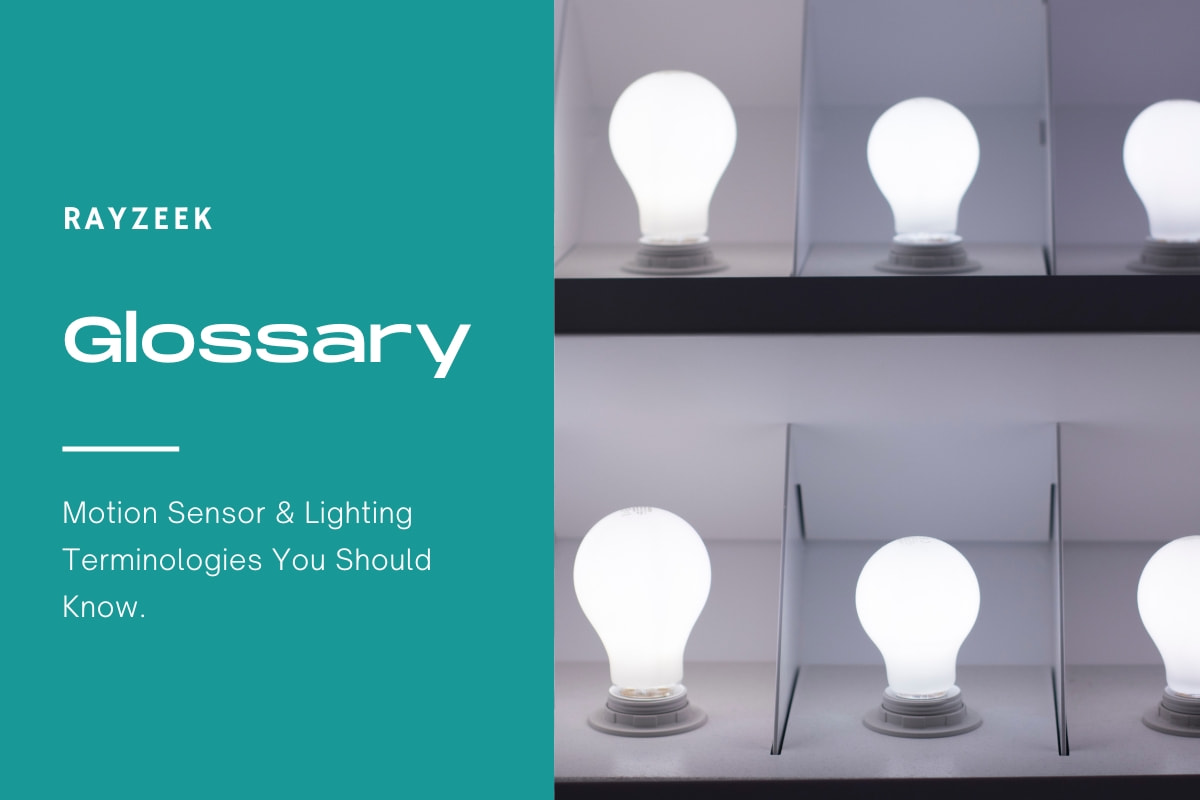
What is Reflector
A reflector is a device used to manipulate and control the direction of light. It consists of a surface that reflects and redirects existing light, rather than creating light itself. Reflectors are commonly employed in photography to enhance lighting conditions and achieve desired effects.
Reflectors come in various types, allowing photographers to choose the one that best suits their specific needs. Two commonly used types of reflectors are silver and gold reflectors. A silver reflector produces specular highlights and accentuates shiny objects in the frame, creating a cool light effect. On the other hand, a gold reflector adds a warm tone to the image, simulating sunlight and giving the subject a subtle warm glow.
מחפשים פתרונות חיסכון באנרגיה עם הפעלה תנועתית?
צרו איתנו קשר לגבי חיישני תנועה PIR שלמים, מוצרים לחיסכון באנרגיה עם הפעלה תנועתית, מתגי חיישני תנועה, ופתרונות מסחריים לנוכחות/עדרות.
The choice of reflector depends on the lighting conditions present during a photoshoot. If there is ample natural light available, a reflector can be used to reflect and enhance the sunlight, providing additional fill light and reducing shadows. In situations where natural light is insufficient, a reflector can be used in conjunction with a flash to redirect and reflect light from the flash, improving overall lighting conditions.
Maybe You Are Interested In

- גלאי תפוסה PIR מותקן בתקרה עם פלט ממסר מגע יבש
- מתח נמוך 12/24VDC או 12/24VAC
- מגעי ממסר מבודדים COM, NO ו-NC עבור קלטי EMS, HVAC ובקרת בניין

- Low-voltage DC recessed ceiling-mounted microwave motion sensor switch
- קלט 12 VDC / 24 VDC עם טווח 10-30 VDC
- זרימת עבודה מקסימלית 10A עם השהיה מתכווננת, סף לומן ורגישות
- Higher-load recessed ceiling-mounted microwave motion sensor switch
- קלט מתח קו 100-265 VAC, דגם 10A
- חיישן מיקרוגל 5.8 GHz עם השהיה מתכווננת, סף לומן ורגישות
- Recessed ceiling-mounted microwave motion sensor switch
- קלט קו מתח 100-265 VAC, דגם 5A
- חיישן מיקרוגל 5.8 GHz עם השהיה מתכווננת, סף לומן ורגישות
- מכוונן תפוסה PIR RZ037 מותקן בתקרה לכוח 220V
- זרם עבודה מרבי 3A עם עומס מדורג 660W
- כפתור LUX שולט על הפעלת/כיבוי חיישן האור ועל עמעום הבהירות שנקבע על ידי המשתמש
- מכוונן תפוסה PIR RZ037 מותקן בתקרה לכוח 110V
- זרם עבודה מרבי 3A עם עומס מדורג 330W
- כפתור LUX שולט על הפעלת/כיבוי חיישן האור ועל עמעום הבהירות שנקבע על ידי המשתמש

- מתג חיישן תנועה מיקרוגל DC מותקן בתקרה
- קלט 12 VDC / 24 VDC עם טווח 10-30 VDC
- זרימת עבודה מקסימלית 10A עם השהיה מתכווננת, סף לומן ורגישות
- מתג חיישן תנועה מיקרוגל מותקן בתקרה בעומס גבוה יותר
- קלט מתח קו 100-265 VAC, דגם 10A
- חיישן מיקרוגל 5.8 GHz עם השהיה מתכווננת, סף לומן ורגישות
- מתג חיישן תנועה מיקרוגל מותקן בתקרה
- קלט קו מתח 100-265 VAC, דגם 5A
- חיישן מיקרוגל 5.8 GHz עם השהיה מתכווננת, סף לומן ורגישות

- מתג תנועה PIR שקוע לתקרה במתח נמוך DC
- קלט 12 VDC / 24 VDC עם טווח 10-30 VDC
- זרם עבודה מרבי 10A עם השהיית זמן, סף LUX ורגישות מתכווננים

- מתג תנועה PIR שקוע לתקרה לעומס גבוה יותר
- קלט מתח קו 100-265 VAC, דגם 10A
- זיהוי 360 מעלות עם השהיה מתכווננת, סף לומן ורגישות
- מתג חיישן תנועה PIR מותקן בתקרה שקוע
- קלט קו מתח 100-265 VAC, דגם 5A
- זיהוי 360 מעלות עם השהיה מתכווננת, סף לומן ורגישות

- Wireless switch and receiver kit for indoor ON/OFF lighting control
- 100-230VAC, 50/60Hz receiver with 5A rated current
- CR2032-powered wireless switch with 2.4GHz communication
- Occupancy (Auto-ON/Auto-OFF)
- 12–24V DC (10–30VDC), up to 10A
- 360° coverage, 8–12 m diameter
- Time delay 15 s–30 min
- Light sensor Off/15/25/35 Lux
- High/Low sensitivity
- Auto-ON/Auto-OFF occupancy mode
- 100–265V AC, 10A (neutral required)
- 360° coverage; 8–12 m detection diameter
- Time delay 15 s–30 min; Lux OFF/15/25/35; Sensitivity High/Low
- Auto-ON/Auto-OFF occupancy mode
- 100–265V AC, 5A (neutral required)
- 360° coverage; 8–12 m detection diameter
- Time delay 15 s–30 min; Lux OFF/15/25/35; Sensitivity High/Low
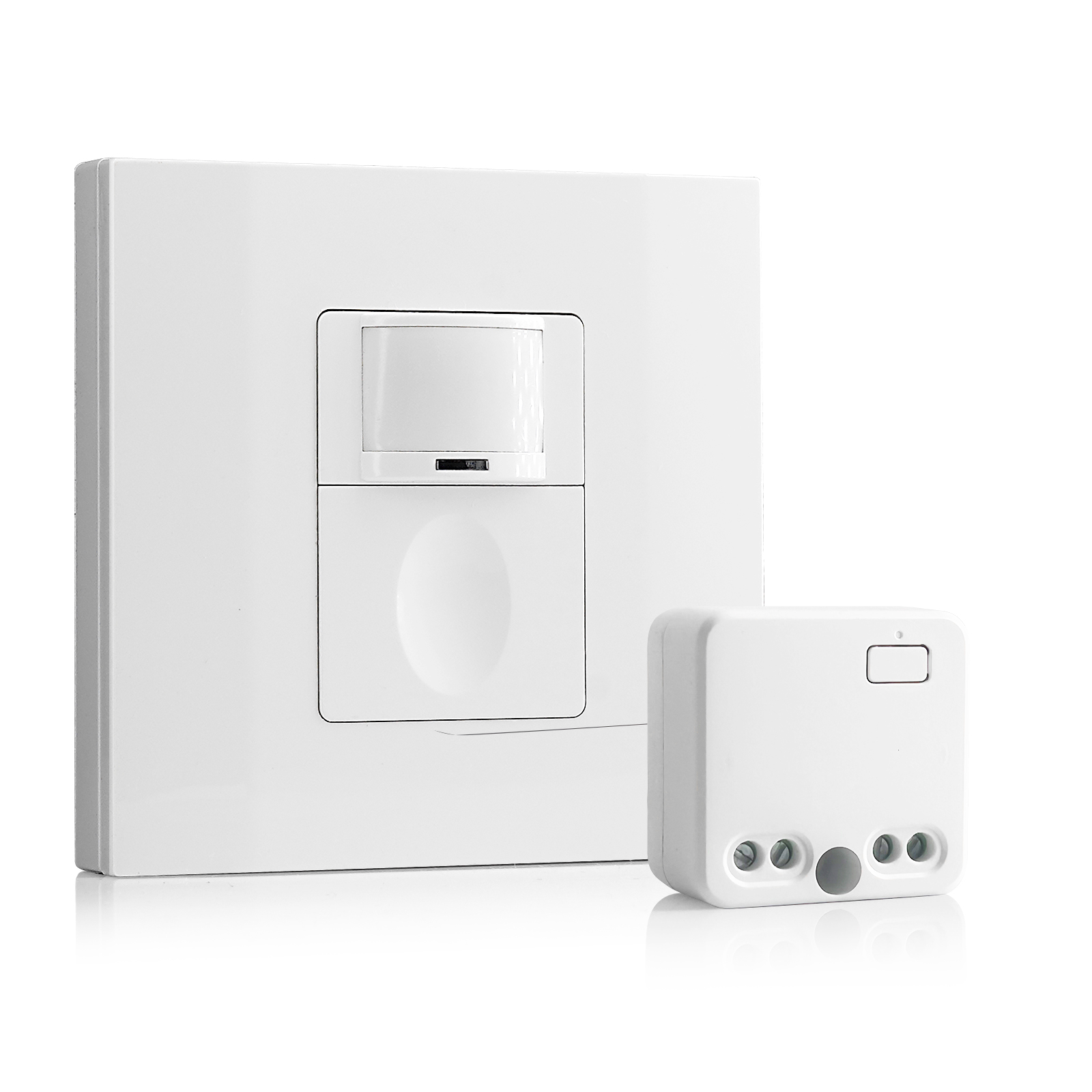
- 100V-230VAC
- Transmission Distance: up to 20m
- Wireless motion sensor
- Hardwired control
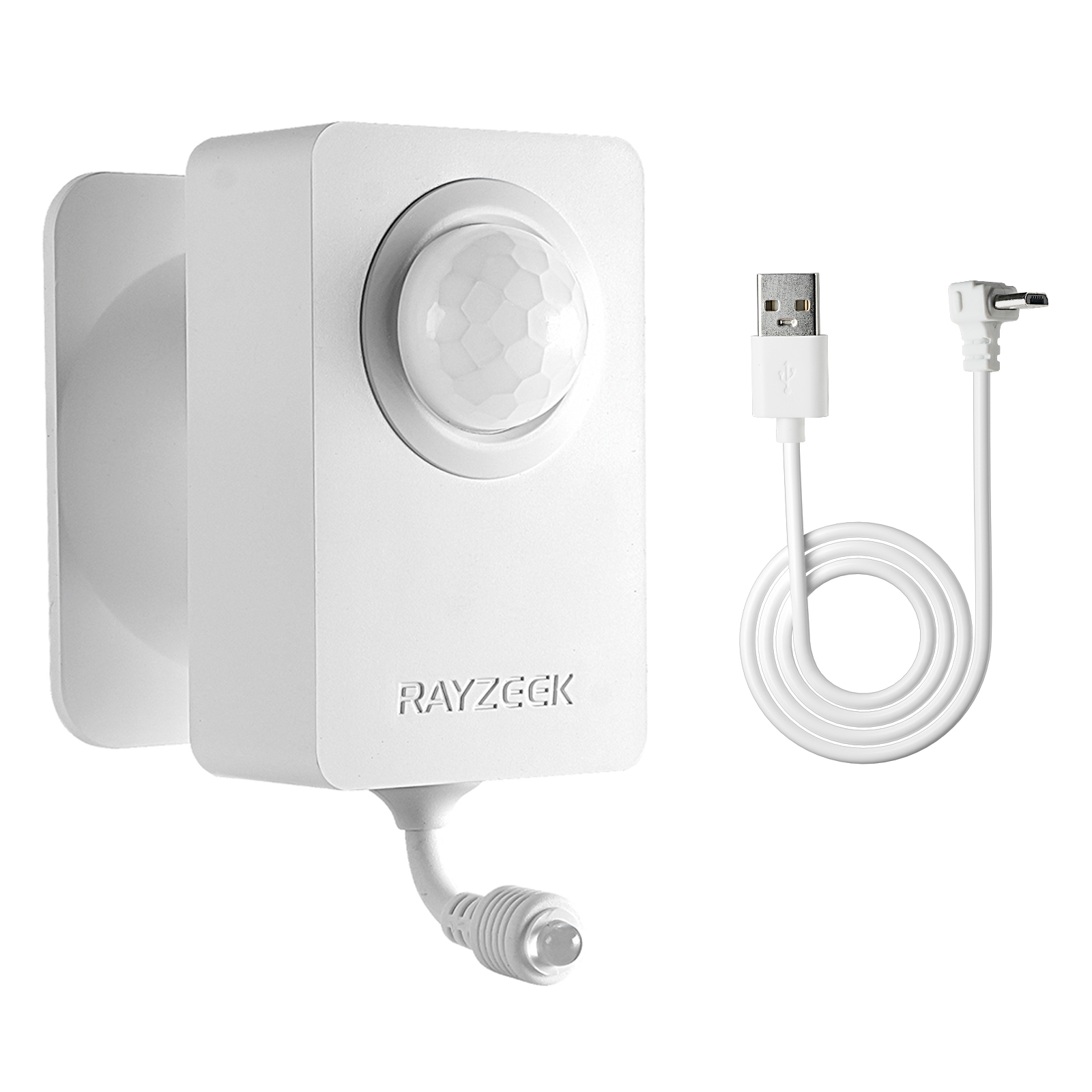
- Voltage: 2x AAA Batteries / 5V DC (Micro USB)
- Day/Night Mode
- Time delay: 15min, 30min, 1h(default), 2h
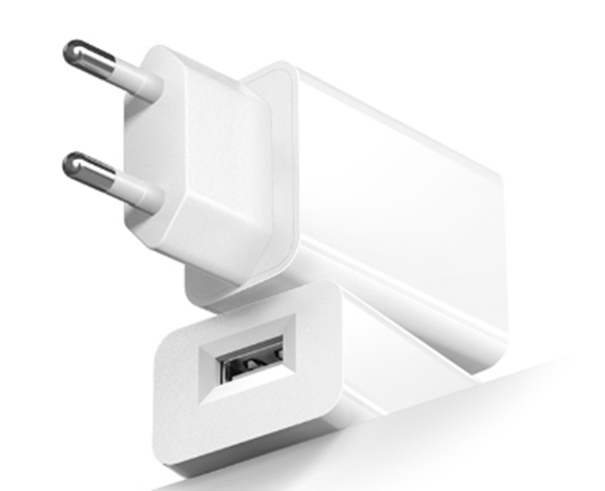
- EU plug power adapter
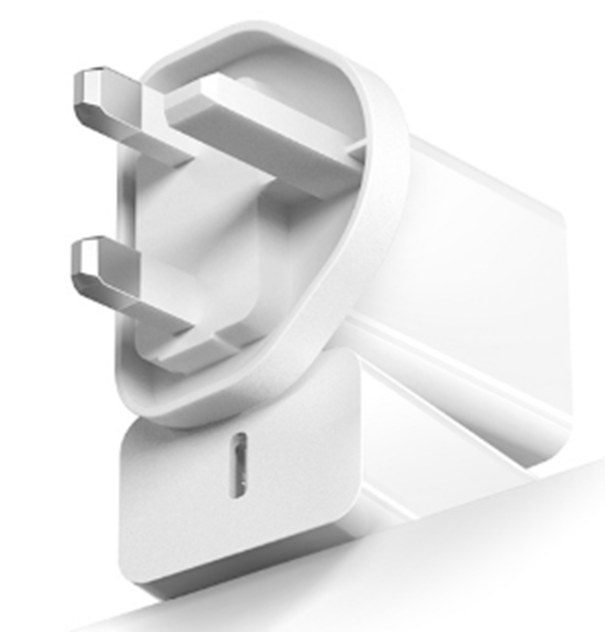
- UK plug power adapter
Frequently Asked Questions
What Are the Three Types of Reflectors
Basic Reflector Types. The three primary types of reflecting surfaces are Flat, Spherical, and Parabolic, as illustrated in the diagram.
What Is a Bad Reflector of Light
Dark or dull surfaces such as slate, concrete, and wood are not effective at reflecting light. These materials tend to absorb most of the light that hits them, resulting in very little light being reflected back. On the other hand, uneven or rough surfaces like sand, leather, and stone scatter the light that comes into contact with them.
What Type of Reflector Is Most Common
Circular reflectors are the most commonly used type of reflector. They are particularly preferred for portrait photography as they create beautiful, round catchlights in the subject’s eyes. On the other hand, rectangular reflectors are more suitable for larger subjects that need a greater amount of light.
What Type of Reflector Can You Use at Your Home
A variety of reflectors can be used at home, including light reflectors that are typically wide, flat, and silver. However, photographers sometimes opt for white or gold reflectors. If you’re looking to purchase reflectors, you can find collapsible light reflectors at camera shops or online. Alternatively, you can create your own reflector using cardboard and aluminum foil.
What Is a Perfect Reflector
Perfect reflection occurs for both the electric and magnetic modes that are spectrally separated. As a result, the reflection phase of the electric mode is nearly 180°, similar to that of a metallic mirror. On the other hand, the reflection phase of the magnetic mode is close to zero.
What Type of Reflected Light Is Not Safe to Look At
Generally speaking, if the object is not safe to look at, it is emitting light, such as the sun or a light bulb filament. This includes sunlight being reflected off of surfaces like mirrors, water, or snow.
What Surfaces Are Better Reflectors
The best reflectors are surfaces that have a smooth texture. Smooth surfaces have a low absorption rate, making them ideal for reflecting light. Sterling silver is known for its smooth surfaces and is considered one of the top reflectors of light.
Can I Use a White Sheet as a Reflector
Here are some ways you can utilize a white bed sheet during an outdoor photo session: One of its useful functions is acting as a reflector to brighten up darker areas. Due to its large reflective surface, it produces high-quality, soft light when used for reflection.







