
What is Load Wire
In a light switch, load wire refers to the wire that carries electricity from the switch to the light fixture or device. This wire is responsible for delivering power to the load when the switch is turned on. It is important to note that the load wire is distinct from the line wire, which carries power from the source to the switch.
When the switch is in the on position, the load wire enables the flow of electricity to the light fixture, allowing it to be powered. Conversely, when the switch is turned off, the load wire interrupts the power supply, resulting in the light being turned off.
מחפשים פתרונות חיסכון באנרגיה עם הפעלה תנועתית?
צרו איתנו קשר לגבי חיישני תנועה PIR שלמים, מוצרים לחיסכון באנרגיה עם הפעלה תנועתית, מתגי חיישני תנועה, ופתרונות מסחריים לנוכחות/עדרות.
In the context of a series of outlets wired in sequence, the load wire plays a crucial role. It is the wire that feeds electricity from the first outlet to the remaining outlets on the same line. This ensures that power is distributed to all the outlets in the circuit.
Identifying the load wire is essential when working with electrical components to ensure proper installation and operation. It is typically connected to the switch along with the wire that goes from the switch to the lights. The load wire is commonly colored black, although it may vary depending on the country or the specific wiring configuration, such as in the case of a three-way switch.
Maybe You Are Interested In

- גלאי תפוסה PIR מותקן בתקרה עם פלט ממסר מגע יבש
- מתח נמוך 12/24VDC או 12/24VAC
- מגעי ממסר מבודדים COM, NO ו-NC עבור קלטי EMS, HVAC ובקרת בניין

- Low-voltage DC recessed ceiling-mounted microwave motion sensor switch
- קלט 12 VDC / 24 VDC עם טווח 10-30 VDC
- זרימת עבודה מקסימלית 10A עם השהיה מתכווננת, סף לומן ורגישות
- Higher-load recessed ceiling-mounted microwave motion sensor switch
- קלט מתח קו 100-265 VAC, דגם 10A
- חיישן מיקרוגל 5.8 GHz עם השהיה מתכווננת, סף לומן ורגישות
- Recessed ceiling-mounted microwave motion sensor switch
- קלט קו מתח 100-265 VAC, דגם 5A
- חיישן מיקרוגל 5.8 GHz עם השהיה מתכווננת, סף לומן ורגישות
- מכוונן תפוסה PIR RZ037 מותקן בתקרה לכוח 220V
- זרם עבודה מרבי 3A עם עומס מדורג 660W
- כפתור LUX שולט על הפעלת/כיבוי חיישן האור ועל עמעום הבהירות שנקבע על ידי המשתמש
- מכוונן תפוסה PIR RZ037 מותקן בתקרה לכוח 110V
- זרם עבודה מרבי 3A עם עומס מדורג 330W
- כפתור LUX שולט על הפעלת/כיבוי חיישן האור ועל עמעום הבהירות שנקבע על ידי המשתמש

- מתג חיישן תנועה מיקרוגל DC מותקן בתקרה
- קלט 12 VDC / 24 VDC עם טווח 10-30 VDC
- זרימת עבודה מקסימלית 10A עם השהיה מתכווננת, סף לומן ורגישות
- מתג חיישן תנועה מיקרוגל מותקן בתקרה בעומס גבוה יותר
- קלט מתח קו 100-265 VAC, דגם 10A
- חיישן מיקרוגל 5.8 GHz עם השהיה מתכווננת, סף לומן ורגישות
- מתג חיישן תנועה מיקרוגל מותקן בתקרה
- קלט קו מתח 100-265 VAC, דגם 5A
- חיישן מיקרוגל 5.8 GHz עם השהיה מתכווננת, סף לומן ורגישות

- מתג תנועה PIR שקוע לתקרה במתח נמוך DC
- קלט 12 VDC / 24 VDC עם טווח 10-30 VDC
- זרם עבודה מרבי 10A עם השהיית זמן, סף LUX ורגישות מתכווננים

- מתג תנועה PIR שקוע לתקרה לעומס גבוה יותר
- קלט מתח קו 100-265 VAC, דגם 10A
- זיהוי 360 מעלות עם השהיה מתכווננת, סף לומן ורגישות
- מתג חיישן תנועה PIR מותקן בתקרה שקוע
- קלט קו מתח 100-265 VAC, דגם 5A
- זיהוי 360 מעלות עם השהיה מתכווננת, סף לומן ורגישות

- Wireless switch and receiver kit for indoor ON/OFF lighting control
- 100-230VAC, 50/60Hz receiver with 5A rated current
- CR2032-powered wireless switch with 2.4GHz communication
- Occupancy (Auto-ON/Auto-OFF)
- 12–24V DC (10–30VDC), up to 10A
- 360° coverage, 8–12 m diameter
- Time delay 15 s–30 min
- Light sensor Off/15/25/35 Lux
- High/Low sensitivity
- Auto-ON/Auto-OFF occupancy mode
- 100–265V AC, 10A (neutral required)
- 360° coverage; 8–12 m detection diameter
- Time delay 15 s–30 min; Lux OFF/15/25/35; Sensitivity High/Low
- Auto-ON/Auto-OFF occupancy mode
- 100–265V AC, 5A (neutral required)
- 360° coverage; 8–12 m detection diameter
- Time delay 15 s–30 min; Lux OFF/15/25/35; Sensitivity High/Low
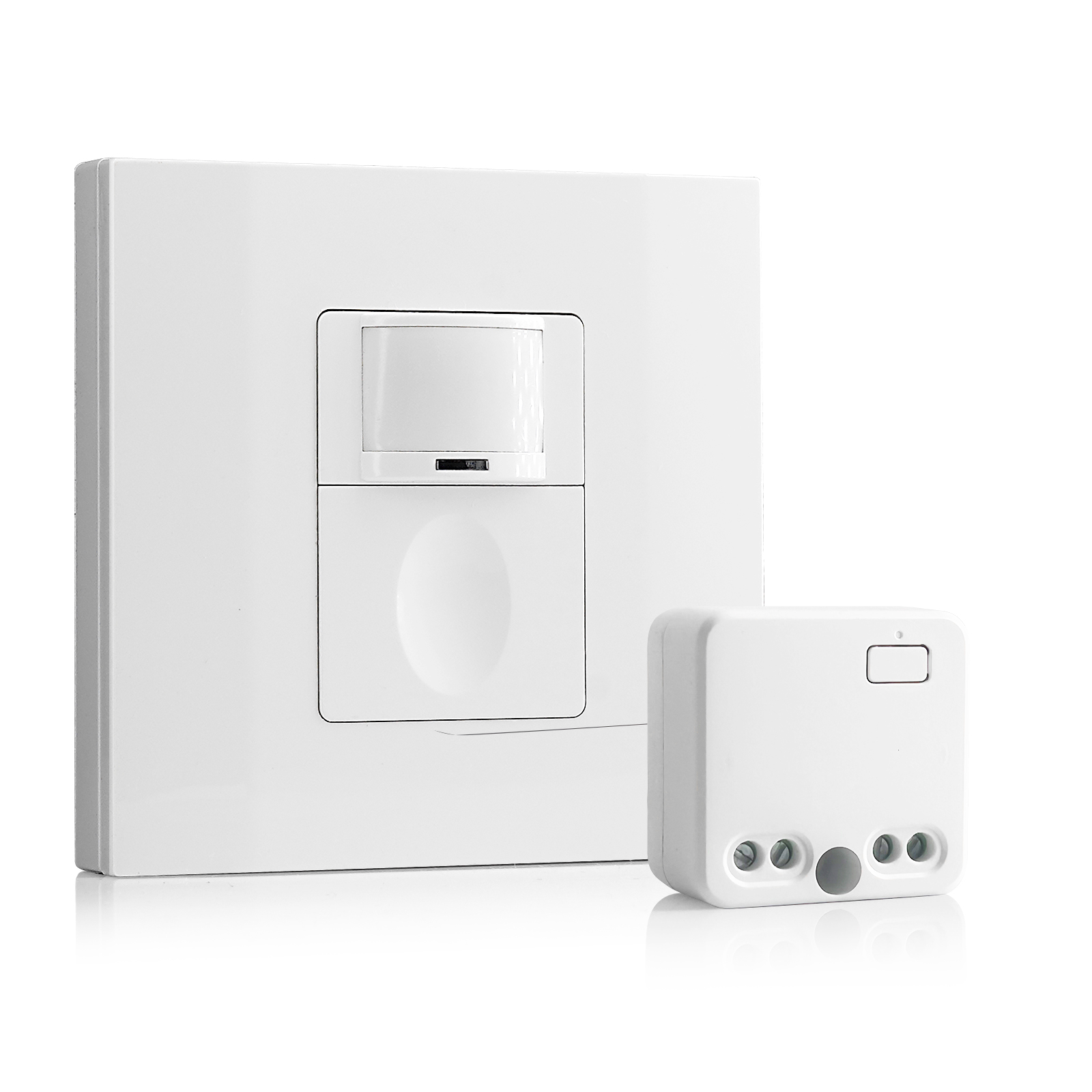
- 100V-230VAC
- Transmission Distance: up to 20m
- Wireless motion sensor
- Hardwired control
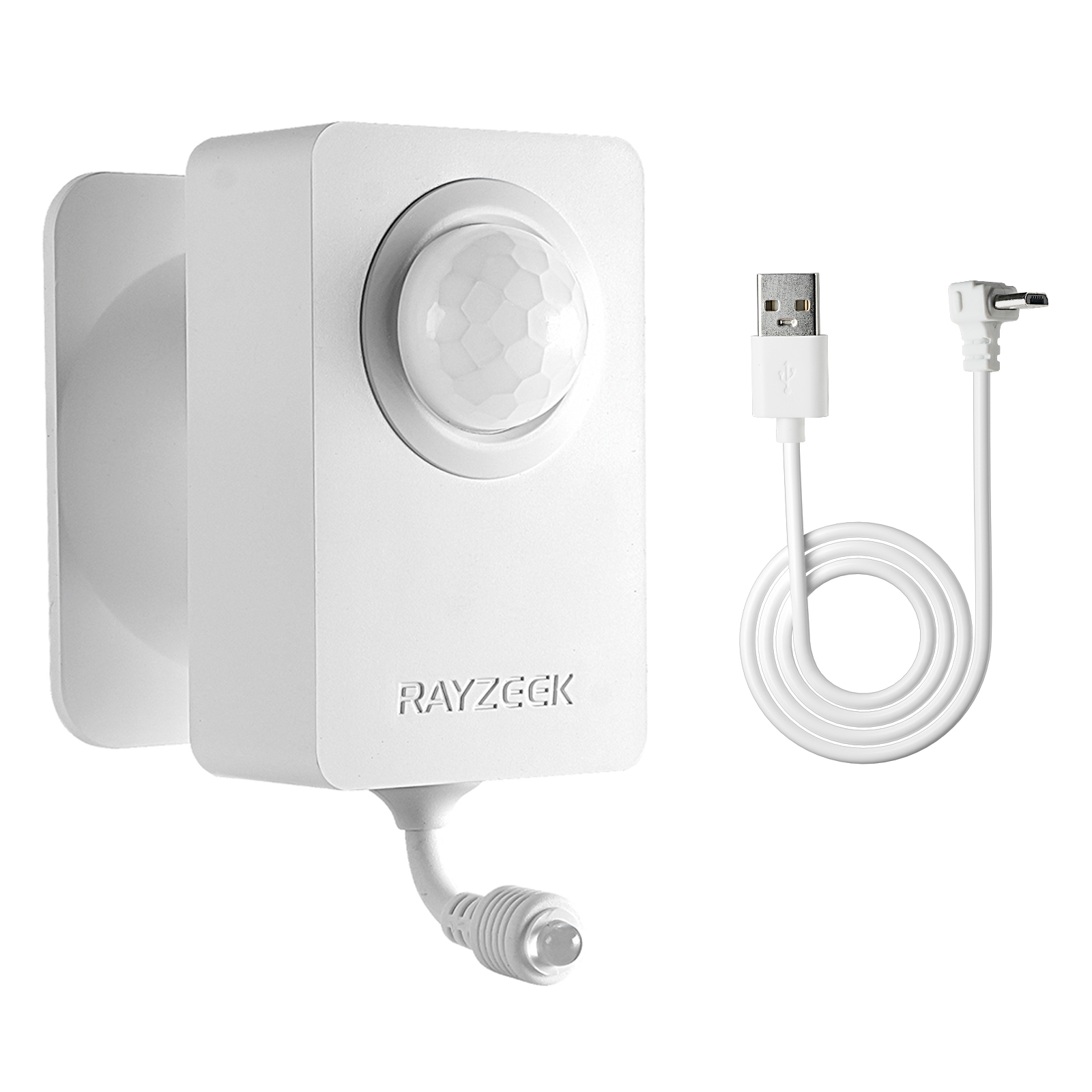
- Voltage: 2x AAA Batteries / 5V DC (Micro USB)
- Day/Night Mode
- Time delay: 15min, 30min, 1h(default), 2h
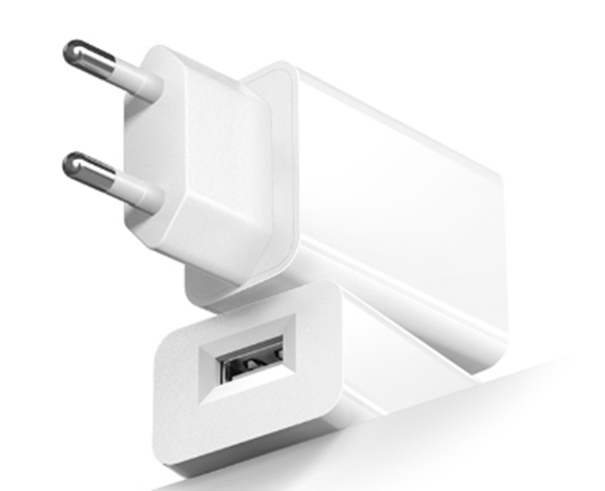
- EU plug power adapter
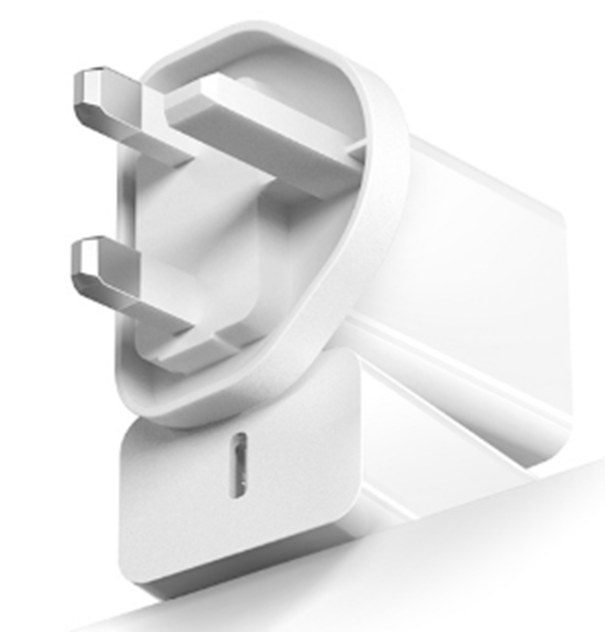
- UK plug power adapter
Frequently Asked Questions
Does It Matter Which Wire Goes Where on a Light Switch
It is not important which wire goes where on a light switch because the switch terminals can be interchanged.
How Do You Tell Which Wire Is Hot When Both Are Black
Use a test lamp, which is essentially a light bulb with two wires extending from the holder. To determine which wire is hot when both are black, simply connect one lamp wire to one of the black wires and the other lamp wire to the ground wire. If the bulb illuminates, it indicates that the wire is hot.
What Happens if You Mix Up Hot and Neutral Wires on Light Fixture
If you mistakenly swap the hot and neutral wires, the circuit will not function properly. The light or appliance will fail to turn on, and there is a possibility of tripping a circuit breaker.
Which Wire Is Load and Which Is Line
In the electrical industry, the terms “line” and “load” are commonly used to distinguish between the wires that transmit power from the source to a device (line) and the wires that carry power to other devices along the circuit (load).
What Is the Difference Between a Live Wire and a Load Wire
Line wires are constantly carrying electricity, making them live at all times. On the other hand, load wires are only live when they are connected to an active outlet or switch. This means that load wires are only carrying electricity when they are in use. In most homes, there are two hot wires (line wires) and one neutral wire (load wire). The hot wires are typically colored black or red, while the neutral wire is colored white.
Do All Light Switches Have a Load Wire
A load wire is necessary for a switch to function properly and control the on and off functions. In the case of 3-way switches, it is common for the white wire to be used as a current carrier. To distinguish it as potentially hot, the white wire may have a black mark or black tape on it.
Is Load Wire Same as Neutral
Load wires and neutral wires serve different purposes in an electrical system. Load wires are responsible for delivering power directly to the controlled appliance or device, while neutral wires carry the return current back to the control from the load. Line wires, on the other hand, originate from the source, such as a transformer, substation, or power plant. Therefore, load wires and neutral wires are not the same.







