
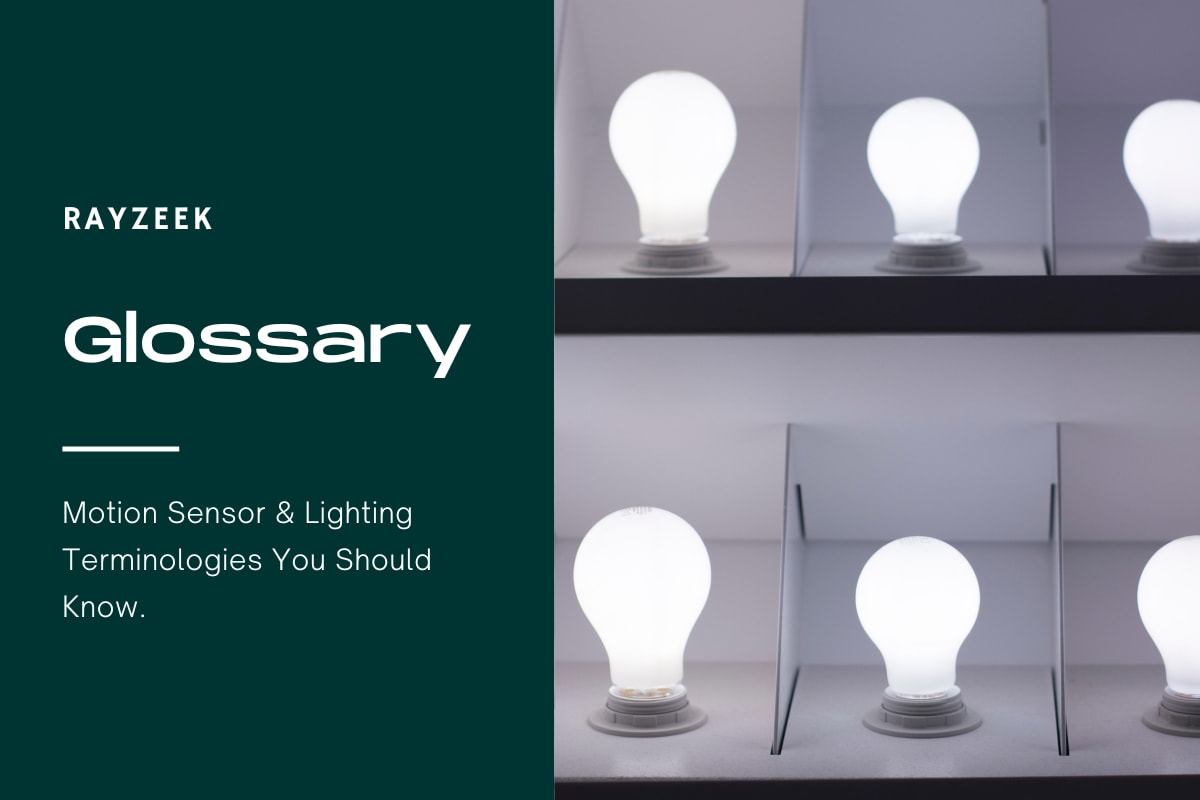
What is Luminance Contrast
Luminance contrast is the difference in the amount of light reflected from one surface or component compared to another surface or component. It is a measure of the visual distinction between the object and its background. Luminance contrast is not the difference in color or color contrast, but rather the difference in the light reflective properties of each color.
The calculation of luminance contrast can be expressed as a ratio or fraction, typically using the luminance values of the object and background. The formula for calculating luminance contrast is (L1 – L2)/L1 or (L2 – L1)/L1 = | Δ L/L1 |, where L1 and L2 represent the luminances of the background and the object, respectively. This equation specifies the form of the luminance contrast calculation.
מחפשים פתרונות חיסכון באנרגיה עם הפעלה תנועתית?
צרו איתנו קשר לגבי חיישני תנועה PIR שלמים, מוצרים לחיסכון באנרגיה עם הפעלה תנועתית, מתגי חיישני תנועה, ופתרונות מסחריים לנוכחות/עדרות.
The ratio Δ L/L1 in the equation is known as Weber’s fraction, which describes the smallest detectable difference in luminance. This helps determine the perceptual sensitivity to changes in brightness. In some cases, when only reflecting surfaces are involved, luminance contrast can be expressed in terms of reflectance. Reflectance refers to the ratio of light reflected by a surface to the incident light falling on it. The contrast formula using reflectance is (ρ1 – ρ2)/ρ1 or (ρ2 – ρ1)/ρ1, where ρ1 and ρ2 represent the reflectances of the background and the object, respectively. The method of computing contrast using reflectance holds true only for perfectly diffusing surfaces. For other surfaces, additional factors such as angles of incidence and view need to be taken into consideration.
Maybe You Are Interested In

- גלאי תפוסה PIR מותקן בתקרה עם פלט ממסר מגע יבש
- מתח נמוך 12/24VDC או 12/24VAC
- מגעי ממסר מבודדים COM, NO ו-NC עבור קלטי EMS, HVAC ובקרת בניין

- Low-voltage DC recessed ceiling-mounted microwave motion sensor switch
- קלט 12 VDC / 24 VDC עם טווח 10-30 VDC
- זרימת עבודה מקסימלית 10A עם השהיה מתכווננת, סף לומן ורגישות
- Higher-load recessed ceiling-mounted microwave motion sensor switch
- קלט מתח קו 100-265 VAC, דגם 10A
- חיישן מיקרוגל 5.8 GHz עם השהיה מתכווננת, סף לומן ורגישות
- Recessed ceiling-mounted microwave motion sensor switch
- קלט קו מתח 100-265 VAC, דגם 5A
- חיישן מיקרוגל 5.8 GHz עם השהיה מתכווננת, סף לומן ורגישות
- מכוונן תפוסה PIR RZ037 מותקן בתקרה לכוח 220V
- זרם עבודה מרבי 3A עם עומס מדורג 660W
- כפתור LUX שולט על הפעלת/כיבוי חיישן האור ועל עמעום הבהירות שנקבע על ידי המשתמש
- מכוונן תפוסה PIR RZ037 מותקן בתקרה לכוח 110V
- זרם עבודה מרבי 3A עם עומס מדורג 330W
- כפתור LUX שולט על הפעלת/כיבוי חיישן האור ועל עמעום הבהירות שנקבע על ידי המשתמש

- מתג חיישן תנועה מיקרוגל DC מותקן בתקרה
- קלט 12 VDC / 24 VDC עם טווח 10-30 VDC
- זרימת עבודה מקסימלית 10A עם השהיה מתכווננת, סף לומן ורגישות
- מתג חיישן תנועה מיקרוגל מותקן בתקרה בעומס גבוה יותר
- קלט מתח קו 100-265 VAC, דגם 10A
- חיישן מיקרוגל 5.8 GHz עם השהיה מתכווננת, סף לומן ורגישות
- מתג חיישן תנועה מיקרוגל מותקן בתקרה
- קלט קו מתח 100-265 VAC, דגם 5A
- חיישן מיקרוגל 5.8 GHz עם השהיה מתכווננת, סף לומן ורגישות

- מתג תנועה PIR שקוע לתקרה במתח נמוך DC
- קלט 12 VDC / 24 VDC עם טווח 10-30 VDC
- זרם עבודה מרבי 10A עם השהיית זמן, סף LUX ורגישות מתכווננים

- מתג תנועה PIR שקוע לתקרה לעומס גבוה יותר
- קלט מתח קו 100-265 VAC, דגם 10A
- זיהוי 360 מעלות עם השהיה מתכווננת, סף לומן ורגישות
- מתג חיישן תנועה PIR מותקן בתקרה שקוע
- קלט קו מתח 100-265 VAC, דגם 5A
- זיהוי 360 מעלות עם השהיה מתכווננת, סף לומן ורגישות

- Wireless switch and receiver kit for indoor ON/OFF lighting control
- 100-230VAC, 50/60Hz receiver with 5A rated current
- CR2032-powered wireless switch with 2.4GHz communication
- Occupancy (Auto-ON/Auto-OFF)
- 12–24V DC (10–30VDC), up to 10A
- 360° coverage, 8–12 m diameter
- Time delay 15 s–30 min
- Light sensor Off/15/25/35 Lux
- High/Low sensitivity
- מצב תפוסה אוטומטי-הדלקה/כיבוי
- 100–265V AC, 10A (neutral required)
- 360° coverage; 8–12 m detection diameter
- Time delay 15 s–30 min; Lux OFF/15/25/35; Sensitivity High/Low
- מצב תפוסה אוטומטי-הדלקה/כיבוי
- 100–265V AC, 5A (neutral required)
- 360° coverage; 8–12 m detection diameter
- Time delay 15 s–30 min; Lux OFF/15/25/35; Sensitivity High/Low
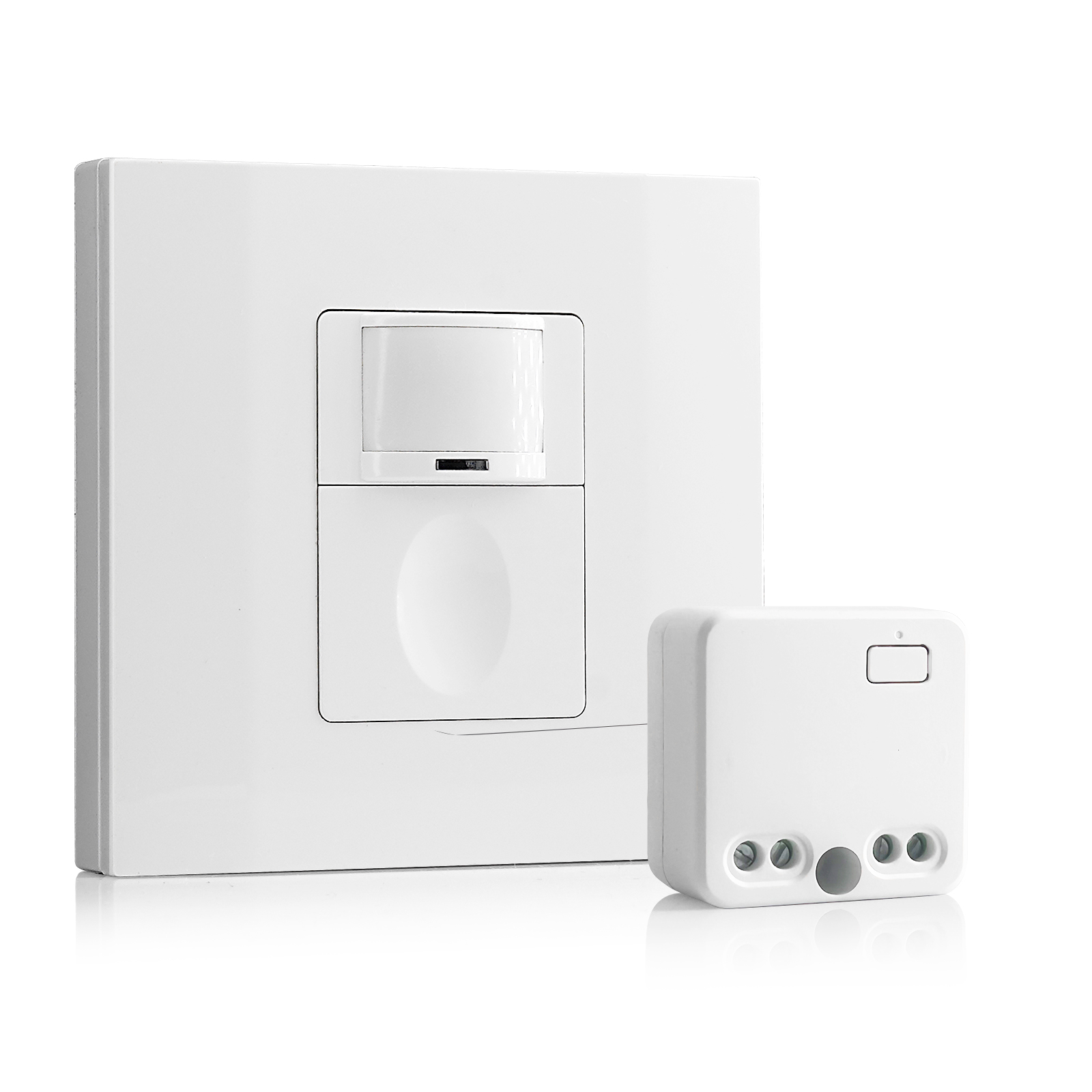
- 100V-230VAC
- Transmission Distance: up to 20m
- Wireless motion sensor
- Hardwired control
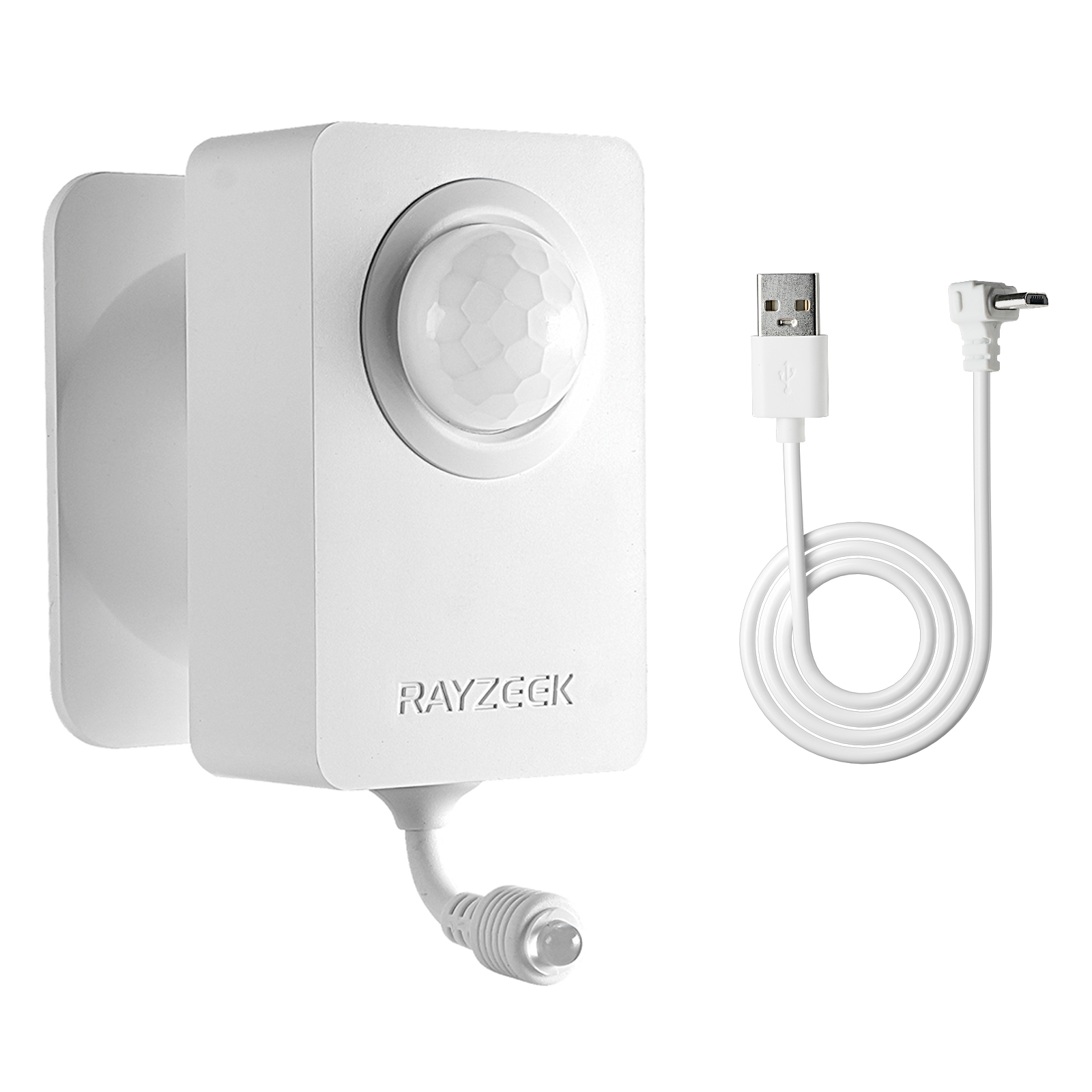
- Voltage: 2x AAA Batteries / 5V DC (Micro USB)
- Day/Night Mode
- Time delay: 15min, 30min, 1h(default), 2h
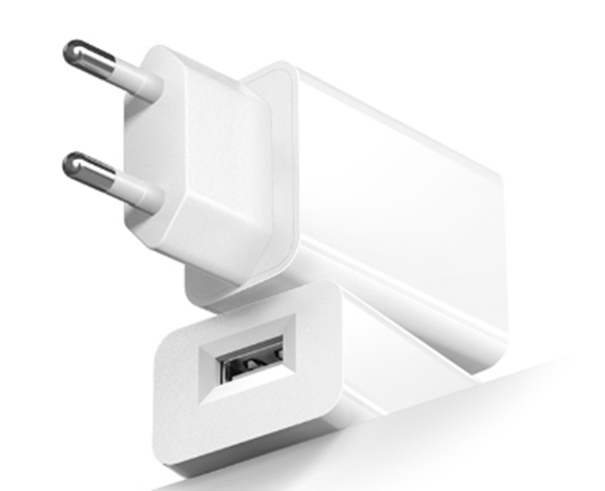
- EU plug power adapter
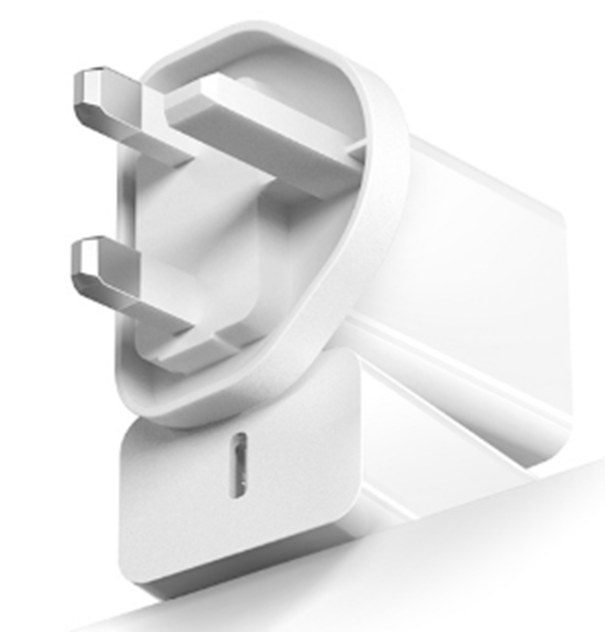
- UK plug power adapter
Frequently Asked Questions
Does Luminance Mean Brightness of Colors
Luminance refers to a measurement that describes the perceived brightness of a color. It indicates how bright a color appears when reflected from a surface. Additionally, relative luminance is defined as the relative brightness of a specific point within a colorspace, with black normalized to 0% and white normalized to 100%.
What Is a Good Luminance
The recommended luminance ratio between the working area and the walls is less than 5:1. However, recent studies indicate that the luminance ratio between the working area and the normal field of vision (ambient area = wall/ceiling surfaces) should be 2:1, with an illuminance of 500 lux in the working area.
What Color Has the Highest Luminosity
Blue stars are typically the most luminous, while red stars are the least luminous. However, seasoned observers may come across red stars during nighttime that are brighter than white or blue stars.
What Is Normal Luminance
Earlier, normal luminance for normal activities typically ranged from 100 to 300 lux. However, nowadays, the light level commonly falls within the range of 500 to 1000 lux, depending on the specific activity. In cases that require precision and detailed work, the light level may even reach as high as 1500 to 2000 lux.
What Should the Maximum Luminance Be
SDR formats are capable of displaying a maximum luminance level of approximately 100 nits. However, in the case of HDR, this value significantly increases to a range of 1,000 to 10,000 nits. HDR technology allows for deeper black levels and more vibrant and saturated colors.
Does Luminance Change With Distance
With regards to point luminance, there was an observed variation of approximately 3% for every 1m increase in distance from the measured point. However, the influence of distance on surface luminance was comparatively less significant than that of point luminance. These findings from the study suggest that luminance values do indeed fluctuate depending on the distance at which they are measured.







