

What is Die-Cast
Die-Cast is a manufacturing process used to create LED light fixtures. This process, known as die casting, involves the use of copper, zinc, or aluminum alloys to produce fixtures with excellent dimensional accuracy and minimal additional machining requirements. Die casting is a highly efficient method that ensures the final products meet the desired specifications without the need for extensive post-production work. It is particularly suitable for mass-producing intricate and ornate LED light fixtures in a cost-effective manner.
Die-cast fixtures are often made from aluminum due to its lightweight nature, making them ideal for various lighting applications. Additionally, aluminum is non-toxic, making it a safe choice for indoor environments. The die casting process utilizes reusable molds made from metal, which are filled using gravity, and in some cases, vacuum or gas pressure. This method allows for the creation of fixtures with precise details and intricate designs.
Maybe You Are Interested In

- גלאי תפוסה PIR מותקן בתקרה עם פלט ממסר מגע יבש
- מתח נמוך 12/24VDC או 12/24VAC
- מגעי ממסר מבודדים COM, NO ו-NC עבור קלטי EMS, HVAC ובקרת בניין

- Low-voltage DC recessed ceiling-mounted microwave motion sensor switch
- קלט 12 VDC / 24 VDC עם טווח 10-30 VDC
- זרימת עבודה מקסימלית 10A עם השהיה מתכווננת, סף לומן ורגישות
- Higher-load recessed ceiling-mounted microwave motion sensor switch
- קלט מתח קו 100-265 VAC, דגם 10A
- חיישן מיקרוגל 5.8 GHz עם השהיה מתכווננת, סף לומן ורגישות
- Recessed ceiling-mounted microwave motion sensor switch
- קלט קו מתח 100-265 VAC, דגם 5A
- חיישן מיקרוגל 5.8 GHz עם השהיה מתכווננת, סף לומן ורגישות
- מכוונן תפוסה PIR RZ037 מותקן בתקרה לכוח 220V
- זרם עבודה מרבי 3A עם עומס מדורג 660W
- כפתור LUX שולט על הפעלת/כיבוי חיישן האור ועל עמעום הבהירות שנקבע על ידי המשתמש
- מכוונן תפוסה PIR RZ037 מותקן בתקרה לכוח 110V
- זרם עבודה מרבי 3A עם עומס מדורג 330W
- כפתור LUX שולט על הפעלת/כיבוי חיישן האור ועל עמעום הבהירות שנקבע על ידי המשתמש

- מתג חיישן תנועה מיקרוגל DC מותקן בתקרה
- קלט 12 VDC / 24 VDC עם טווח 10-30 VDC
- זרימת עבודה מקסימלית 10A עם השהיה מתכווננת, סף לומן ורגישות
- מתג חיישן תנועה מיקרוגל מותקן בתקרה בעומס גבוה יותר
- קלט מתח קו 100-265 VAC, דגם 10A
- חיישן מיקרוגל 5.8 GHz עם השהיה מתכווננת, סף לומן ורגישות
- מתג חיישן תנועה מיקרוגל מותקן בתקרה
- קלט קו מתח 100-265 VAC, דגם 5A
- חיישן מיקרוגל 5.8 GHz עם השהיה מתכווננת, סף לומן ורגישות

- מתג תנועה PIR שקוע לתקרה במתח נמוך DC
- קלט 12 VDC / 24 VDC עם טווח 10-30 VDC
- זרם עבודה מרבי 10A עם השהיית זמן, סף LUX ורגישות מתכווננים

- מתג תנועה PIR שקוע לתקרה לעומס גבוה יותר
- קלט מתח קו 100-265 VAC, דגם 10A
- זיהוי 360 מעלות עם השהיה מתכווננת, סף לומן ורגישות
- מתג חיישן תנועה PIR מותקן בתקרה שקוע
- קלט קו מתח 100-265 VAC, דגם 5A
- זיהוי 360 מעלות עם השהיה מתכווננת, סף לומן ורגישות

- Wireless switch and receiver kit for indoor ON/OFF lighting control
- 100-230VAC, 50/60Hz receiver with 5A rated current
- CR2032-powered wireless switch with 2.4GHz communication
- Occupancy (Auto-ON/Auto-OFF)
- 12–24V DC (10–30VDC), up to 10A
- 360° coverage, 8–12 m diameter
- Time delay 15 s–30 min
- Light sensor Off/15/25/35 Lux
- High/Low sensitivity
- מצב תפוסה אוטומטי-הדלקה/כיבוי
- 100–265V AC, 10A (neutral required)
- 360° coverage; 8–12 m detection diameter
- Time delay 15 s–30 min; Lux OFF/15/25/35; Sensitivity High/Low
- מצב תפוסה אוטומטי-הדלקה/כיבוי
- 100–265V AC, 5A (neutral required)
- 360° coverage; 8–12 m detection diameter
- Time delay 15 s–30 min; Lux OFF/15/25/35; Sensitivity High/Low
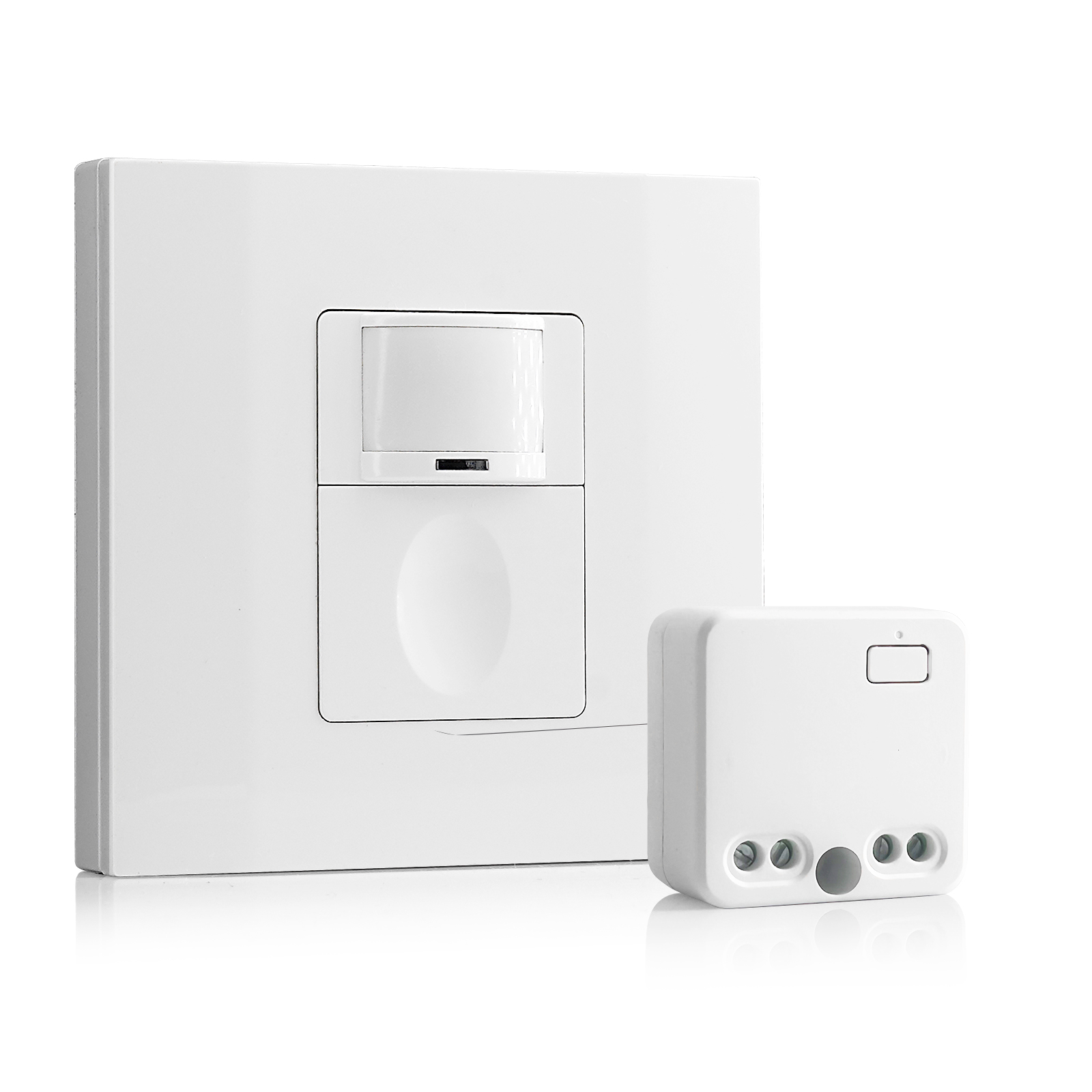
- 100V-230VAC
- Transmission Distance: up to 20m
- Wireless motion sensor
- Hardwired control
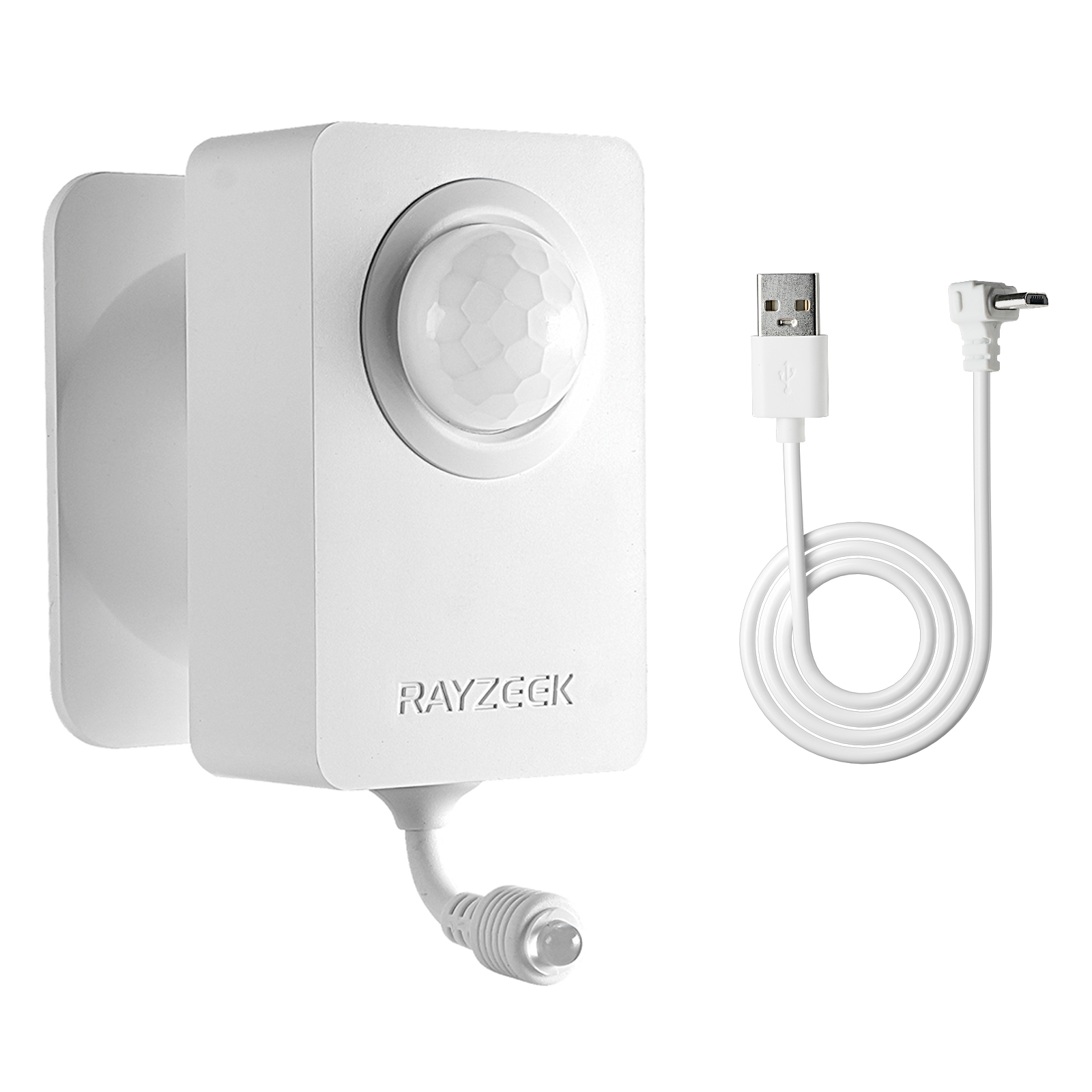
- Voltage: 2x AAA Batteries / 5V DC (Micro USB)
- Day/Night Mode
- Time delay: 15min, 30min, 1h(default), 2h
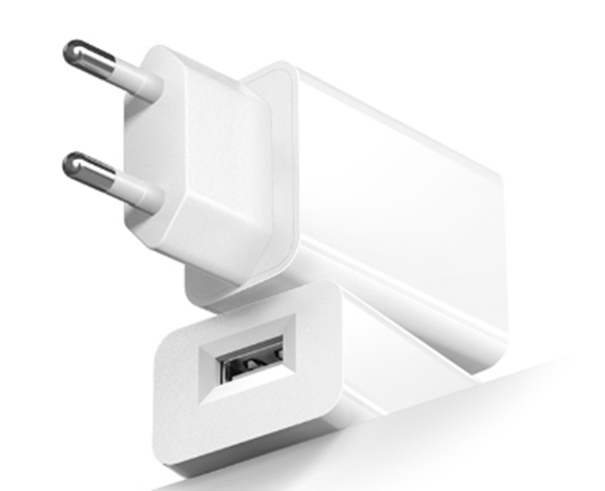
- EU plug power adapter
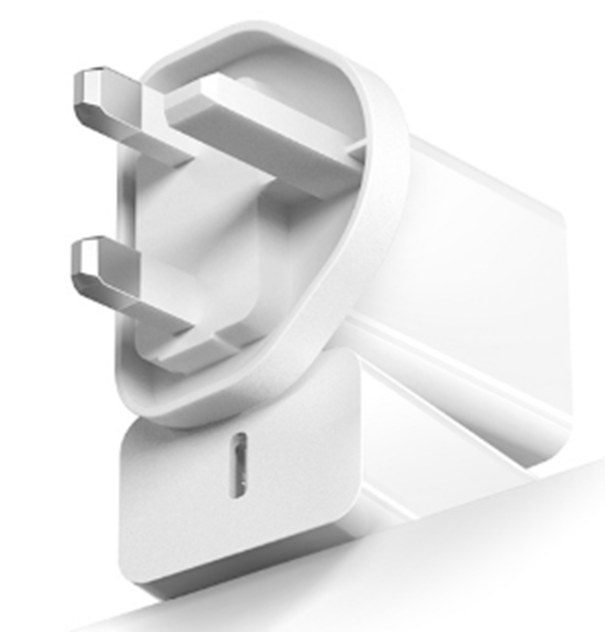
- UK plug power adapter
Frequently Asked Questions
What Is the Purpose of Die Cast
Die casting serves various purposes, such as manufacturing components for the automotive industry, producing decorative hardware, and creating numerous small components. It is worth noting that die-cast parts are extensively utilized in various products, often without people realizing that they are made from die-cast metal. Finished products like locks and gears are examples of commonly found items made through this process.
What Is the Difference Between Cast and Die Cast
While cast aluminum involves the use of molten aluminum in a casting process to create aluminum components, die cast is a casting method that utilizes high-pressure die casting with raw materials. The main distinction between the two lies in the material used for casting the products.
Why Is It Called Die Cast
The process is referred to as die casting because it involves the use of dies. These dies are steel molds that are primarily created through CNC machining. The liquid metal is injected into these molds, which consist of two halves: the fixed half, which remains stationary and is connected to the casting machine, and the ejector half, which is movable.
What Are the Three Types of Die Casting
To manufacture light alloy castings, three commonly used technologies are high pressure die casting, gravity die casting, and low pressure die casting. These three methods enable the production of permanent castings, with gravity and low pressure also capable of supporting semi-permanent casting processes.
What Are the Two Main Types of Die Casting
The two primary types of die casting processes are hot-chamber and cold-chamber die casting. Additional variations of these two types include low-pressure die casting and vacuum die casting.







