
What is Dark Adaptation
Dark adaptation is the process by which the eyes adjust and recover their sensitivity in low light conditions after being exposed to bright lights. It involves the transition from photopic vision, which is mediated by the cone mechanism and allows us to see in bright light, to scotopic vision, which is mediated by the rod mechanism and enables us to see in dim or dark environments. During dark adaptation, the rod cells in the retina become more active and sensitive to faint light. These rod cells are responsible for low-light vision but do not provide color perception. As a result, our vision shifts from the color-rich photopic vision to the monochromatic scotopic vision during this process.
The dark adaptation curve illustrates the time course of this adjustment. Initially, there is a rapid decrease in threshold sensitivity, followed by a slower decline. After a few minutes, the rod mechanism becomes more dominant, leading to another rapid decrease in threshold sensitivity, followed by a gradual decline. The curve eventually reaches a minimum, known as the absolute threshold, after approximately 30-40 minutes in the dark. Factors such as the intensity and duration of the pre-adapting light, retinal area, light wavelength distribution, and the regeneration of the light-sensitive pigment rhodopsin in the rods can influence the speed and efficiency of dark adaptation.
Maybe You Are Interested In

- גלאי תפוסה PIR מותקן בתקרה עם פלט ממסר מגע יבש
- מתח נמוך 12/24VDC או 12/24VAC
- מגעי ממסר מבודדים COM, NO ו-NC עבור קלטי EMS, HVAC ובקרת בניין

- Low-voltage DC recessed ceiling-mounted microwave motion sensor switch
- קלט 12 VDC / 24 VDC עם טווח 10-30 VDC
- זרימת עבודה מקסימלית 10A עם השהיה מתכווננת, סף לומן ורגישות
- Higher-load recessed ceiling-mounted microwave motion sensor switch
- קלט מתח קו 100-265 VAC, דגם 10A
- חיישן מיקרוגל 5.8 GHz עם השהיה מתכווננת, סף לומן ורגישות
- Recessed ceiling-mounted microwave motion sensor switch
- קלט קו מתח 100-265 VAC, דגם 5A
- חיישן מיקרוגל 5.8 GHz עם השהיה מתכווננת, סף לומן ורגישות
- מכוונן תפוסה PIR RZ037 מותקן בתקרה לכוח 220V
- זרם עבודה מרבי 3A עם עומס מדורג 660W
- כפתור LUX שולט על הפעלת/כיבוי חיישן האור ועל עמעום הבהירות שנקבע על ידי המשתמש
- מכוונן תפוסה PIR RZ037 מותקן בתקרה לכוח 110V
- זרם עבודה מרבי 3A עם עומס מדורג 330W
- כפתור LUX שולט על הפעלת/כיבוי חיישן האור ועל עמעום הבהירות שנקבע על ידי המשתמש

- מתג חיישן תנועה מיקרוגל DC מותקן בתקרה
- קלט 12 VDC / 24 VDC עם טווח 10-30 VDC
- זרימת עבודה מקסימלית 10A עם השהיה מתכווננת, סף לומן ורגישות
- מתג חיישן תנועה מיקרוגל מותקן בתקרה בעומס גבוה יותר
- קלט מתח קו 100-265 VAC, דגם 10A
- חיישן מיקרוגל 5.8 GHz עם השהיה מתכווננת, סף לומן ורגישות
- מתג חיישן תנועה מיקרוגל מותקן בתקרה
- קלט קו מתח 100-265 VAC, דגם 5A
- חיישן מיקרוגל 5.8 GHz עם השהיה מתכווננת, סף לומן ורגישות

- מתג תנועה PIR שקוע לתקרה במתח נמוך DC
- קלט 12 VDC / 24 VDC עם טווח 10-30 VDC
- זרם עבודה מרבי 10A עם השהיית זמן, סף LUX ורגישות מתכווננים

- מתג תנועה PIR שקוע לתקרה לעומס גבוה יותר
- קלט מתח קו 100-265 VAC, דגם 10A
- זיהוי 360 מעלות עם השהיה מתכווננת, סף לומן ורגישות
- מתג חיישן תנועה PIR מותקן בתקרה שקוע
- קלט קו מתח 100-265 VAC, דגם 5A
- זיהוי 360 מעלות עם השהיה מתכווננת, סף לומן ורגישות

- Wireless switch and receiver kit for indoor ON/OFF lighting control
- 100-230VAC, 50/60Hz receiver with 5A rated current
- CR2032-powered wireless switch with 2.4GHz communication
- Occupancy (Auto-ON/Auto-OFF)
- 12–24V DC (10–30VDC), up to 10A
- 360° coverage, 8–12 m diameter
- Time delay 15 s–30 min
- Light sensor Off/15/25/35 Lux
- High/Low sensitivity
- מצב תפוסה אוטומטי-הדלקה/כיבוי
- 100–265V AC, 10A (neutral required)
- 360° coverage; 8–12 m detection diameter
- Time delay 15 s–30 min; Lux OFF/15/25/35; Sensitivity High/Low
- מצב תפוסה אוטומטי-הדלקה/כיבוי
- 100–265V AC, 5A (neutral required)
- 360° coverage; 8–12 m detection diameter
- Time delay 15 s–30 min; Lux OFF/15/25/35; Sensitivity High/Low
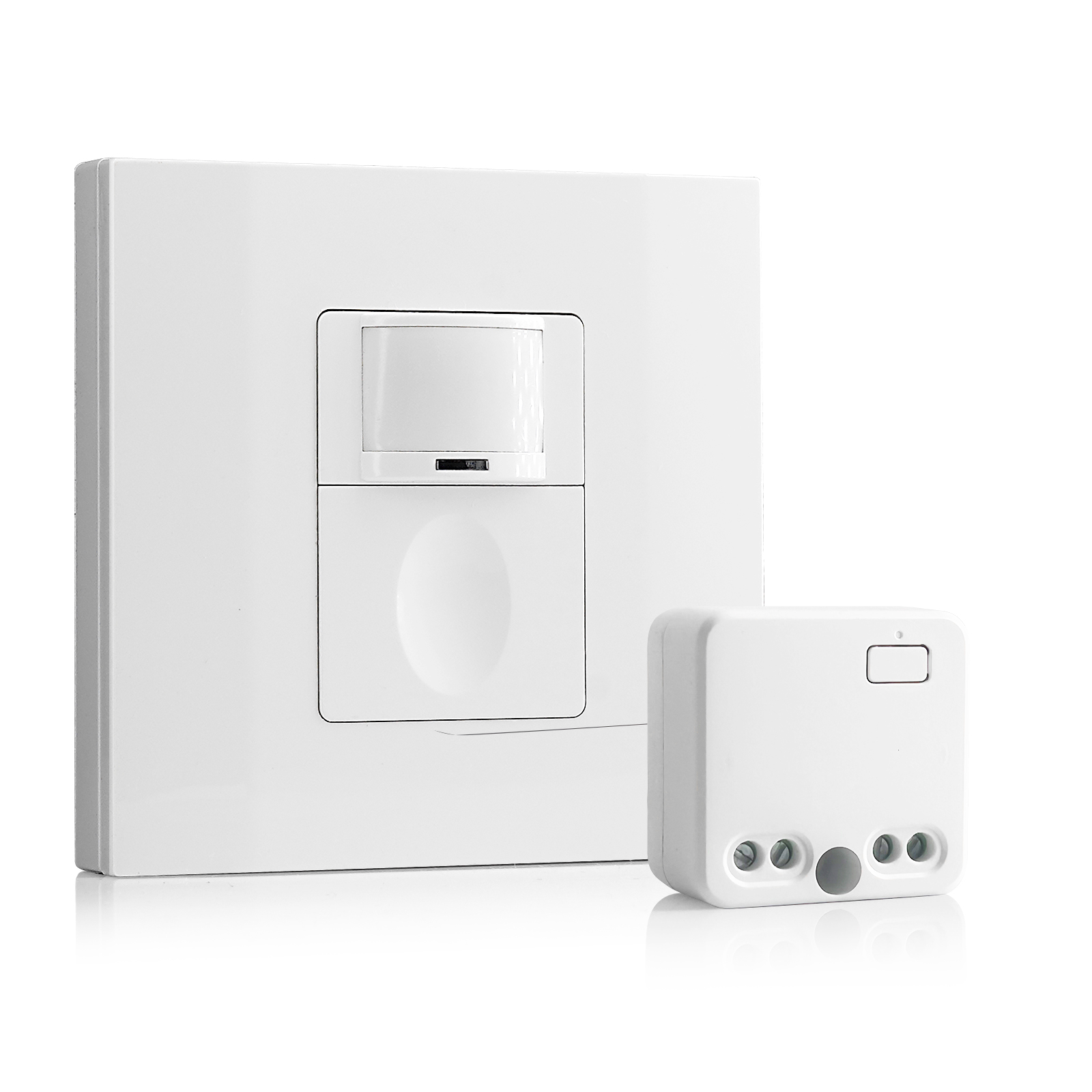
- 100V-230VAC
- Transmission Distance: up to 20m
- Wireless motion sensor
- Hardwired control
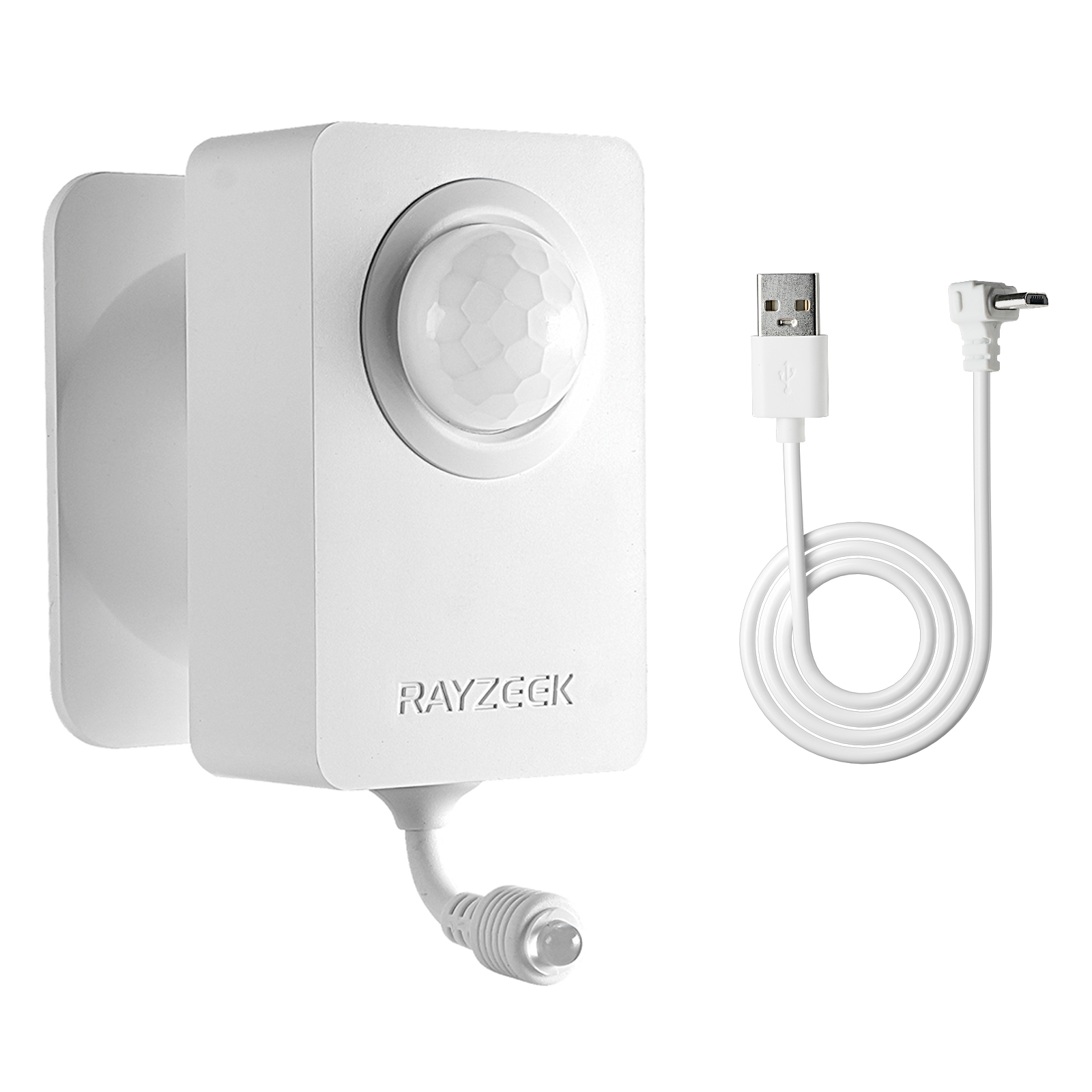
- Voltage: 2x AAA Batteries / 5V DC (Micro USB)
- Day/Night Mode
- Time delay: 15min, 30min, 1h(default), 2h
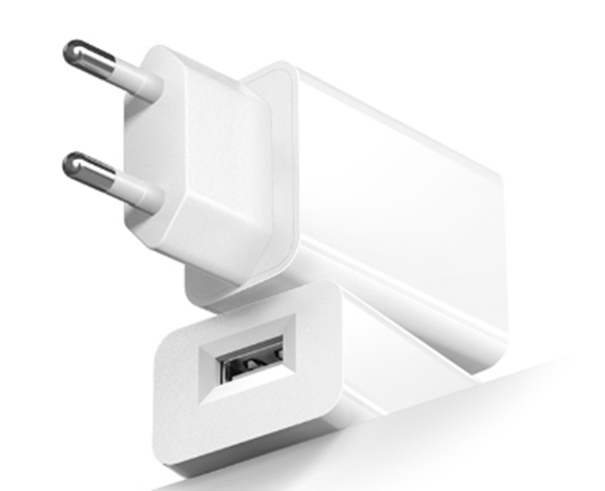
- EU plug power adapter
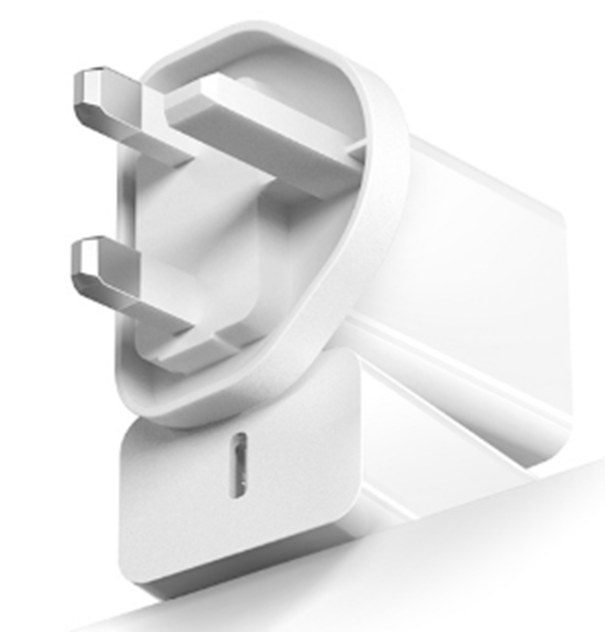
- UK plug power adapter
Frequently Asked Questions
What Is an Example of Dark Light Adaptation
Dark Adaptation is the phenomenon where our eyes adjust to darkness after being exposed to light. For instance, when transitioning from a well-lit, sunny environment outside to a comparatively dim room indoors, initial visibility may be challenging. However, over time, our eyes gradually recover and become more receptive to the low light conditions indoors.
Where Does Light Dark Adaptation Take Place
A significant portion of the adaptation process takes place within the photoreceptors themselves. This adaptation is primarily attributed to photopigment bleaching, where the availability of photopigment decreases at high light levels, leading to diminished responses to light increments in those conditions.
What Is an Example of a Light Adaptation
You may have experienced the phenomenon of spots and color distortion when transitioning from a dark room to a bright, sunny day. This is an example of light adaptation, where our eyes adjust to the change in lighting conditions. On the other hand, dark adaptation refers to the adjustment our eyes make when transitioning from a well-lit area to darkness.







