

What is Triac Dimming
Triac dimming, also known as phase-cut dimming, is a method used in the lighting industry to adjust the brightness of lights, particularly incandescent or halogen lights. It involves the use of a TRIAC dimmer, which is a specialized electrical switch designed specifically for controlling the power sent to a light bulb. By manipulating the conduction angle of the TRIAC, the amount of power reaching the bulb can be increased or decreased, resulting in a corresponding change in brightness.
Laissez-vous inspirer par les gammes de capteurs de mouvement Rayzeek.
Vous ne trouvez pas ce que vous cherchez ? Ne vous inquiétez pas. Il existe toujours d'autres solutions pour résoudre vos problèmes. L'une de nos gammes de produits pourra peut-être vous aider.
The operation of a TRIAC dimmer is based on the concept of phase-cut dimming, where a “trigger” determines at what point in the AC waveform the device starts to conduct electricity. This effectively “chops up” the voltage waveform, reducing the voltage supplied to the bulb and thus dimming the light. The speed at which the switch reacts determines the amount of power released, allowing for precise control over the level of dimming.
Triac dimming is commonly used in residential settings, providing a convenient way to adjust lighting levels according to personal preferences or specific requirements. It offers advantages such as energy efficiency, as reducing the power supplied to the bulb can result in potential energy savings. Additionally, triac dimmers can be used to control motor power, making them versatile devices in the lighting industry.
Ces produits pourraient vous intéresser

- Détecteur de présence PIR pour montage au plafond avec sortie relais à contact sec
- Alimentation basse tension 12/24VDC ou 12/24VAC
- Contacts de relais isolés COM, NO et NC pour les entrées de gestion technique des bâtiments (GTB), de CVC et de contrôle des bâtiments

- Interrupteur détecteur de mouvement à micro-ondes basse tension DC encastrable au plafond
- Entrée 12 VDC / 24 VDC avec une plage de 10-30 VDC
- Courant de fonctionnement max de 10A avec temporisation, seuil Lux et sensibilité réglables
- Interrupteur détecteur de mouvement à micro-ondes encastrable au plafond pour charges plus élevées
- Entrée de tension secteur 100-265 VAC, modèle 10A
- Détection micro-ondes 5,8 GHz avec temporisation, seuil Lux et sensibilité réglables
- Interrupteur détecteur de mouvement à micro-ondes encastrable au plafond
- Entrée de tension secteur 100-265 VAC, modèle 5A
- Détection micro-ondes 5,8 GHz avec temporisation, seuil Lux et sensibilité réglables
- Variateur détecteur de présence PIR RZ037 pour montage au plafond pour alimentation 220V
- Courant de fonctionnement maximum de 3A avec charge nominale de 660W
- Le bouton LUX contrôle l'activation/désactivation du capteur de lumière et la luminosité de variation définie par l'utilisateur
- Variateur détecteur de présence PIR RZ037 pour montage au plafond pour alimentation 110V
- Courant de fonctionnement maximum de 3A avec charge nominale de 330W
- Le bouton LUX contrôle l'activation/désactivation du capteur de lumière et la luminosité de variation définie par l'utilisateur

- Interrupteur de détecteur de mouvement à micro-ondes pour montage au plafond, CC basse tension
- Entrée 12 VDC / 24 VDC avec une plage de 10-30 VDC
- Courant de fonctionnement max de 10A avec temporisation, seuil Lux et sensibilité réglables
- Interrupteur de détecteur de mouvement à micro-ondes pour montage au plafond à charge plus élevée
- Entrée de tension secteur 100-265 VAC, modèle 10A
- Détection micro-ondes 5,8 GHz avec temporisation, seuil Lux et sensibilité réglables
- Interrupteur de détecteur de mouvement à micro-ondes pour montage au plafond
- Entrée de tension secteur 100-265 VAC, modèle 5A
- Détection micro-ondes 5,8 GHz avec temporisation, seuil Lux et sensibilité réglables

- Interrupteur de détecteur de mouvement PIR encastré au plafond, CC basse tension
- Entrée 12 VDC / 24 VDC avec une plage de 10-30 VDC
- Courant de fonctionnement max. 10A avec temporisation, seuil Lux et sensibilité réglables

- Interrupteur de détecteur de mouvement PIR encastré au plafond à charge plus élevée
- Entrée de tension secteur 100-265 VAC, modèle 10A
- Détection à 360 degrés avec temporisation, seuil Lux et sensibilité réglables
- Interrupteur de détecteur de mouvement PIR encastré au plafond
- Entrée de tension secteur 100-265 VAC, modèle 5A
- Détection à 360 degrés avec temporisation, seuil Lux et sensibilité réglables

- Kit d'interrupteur et récepteur sans fil pour le contrôle de l'éclairage intérieur ON/OFF
- Récepteur 100-230VAC, 50/60Hz avec courant nominal de 5A
- Interrupteur sans fil alimenté par pile CR2032 avec communication 2.4GHz
- Mode d'occupation (Auto-ON/Auto-OFF)
- 12–24V DC (10–30VDC), jusqu'à 10A
- Couverture à 360°, diamètre de 8–12 m
- Temporisation de 15 s à 30 min
- Capteur de lumière Désactivé/15/25/35 Lux
- Sensibilité Haute/Basse
- Mode d'occupation Auto-ON/Auto-OFF
- 100–265V AC, 10A (neutre requis)
- Couverture à 360° ; diamètre de détection de 8–12 m
- Temporisation de 15 s à 30 min ; Lux DÉSACTIVÉ/15/25/35 ; Sensibilité Haute/Basse
- Mode d'occupation Auto-ON/Auto-OFF
- 100–265V AC, 5A (neutre requis)
- Couverture à 360° ; diamètre de détection de 8–12 m
- Temporisation de 15 s à 30 min ; Lux DÉSACTIVÉ/15/25/35 ; Sensibilité Haute/Basse
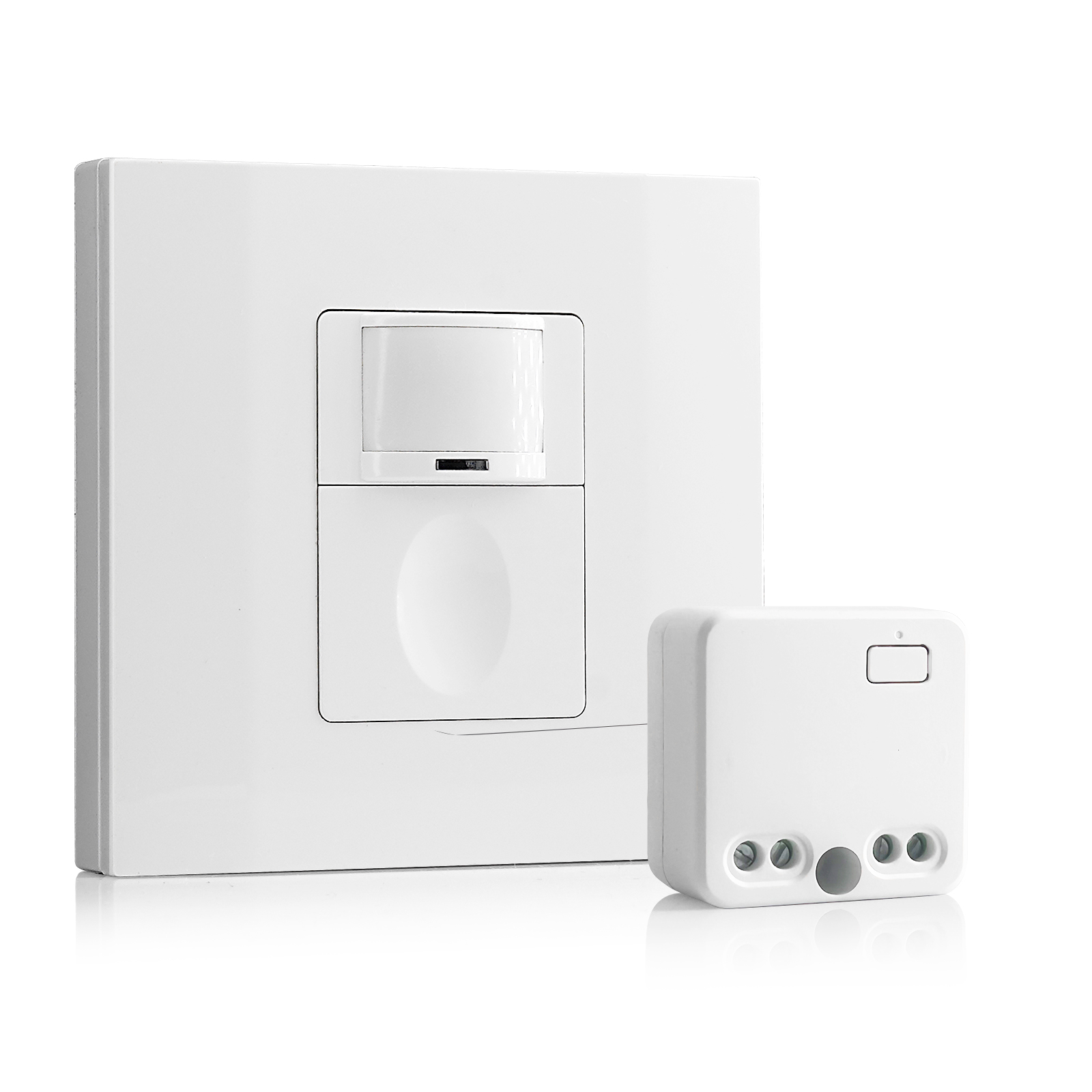
- 100V-230VAC
- Distance de transmission : jusqu'à 20m
- Détecteur de mouvement sans fil
- Contrôle filaire
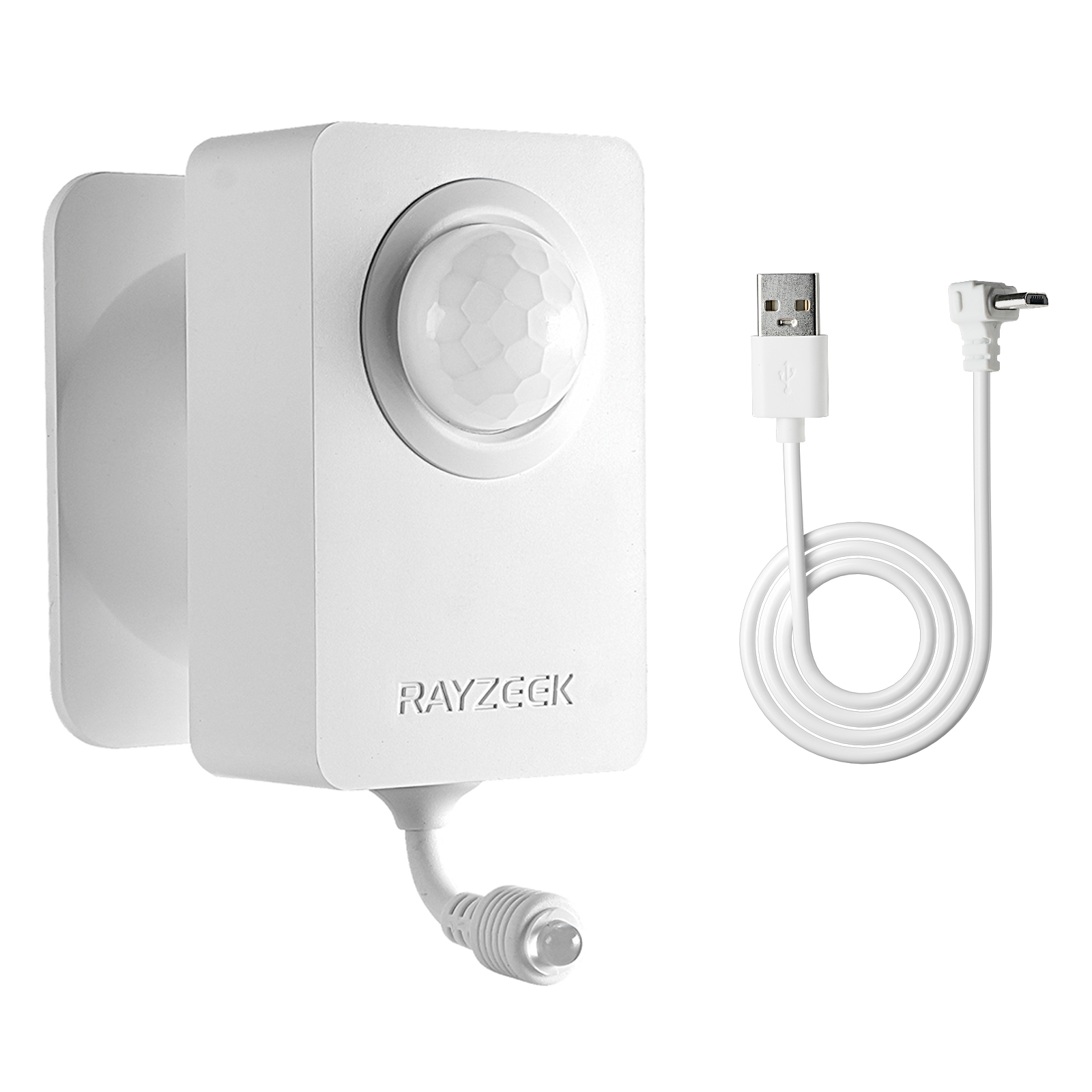
- Tension : 2x piles AAA / 5V DC (Micro USB)
- Mode Jour/Nuit
- Temporisation : 15min, 30min, 1h (par défaut), 2h
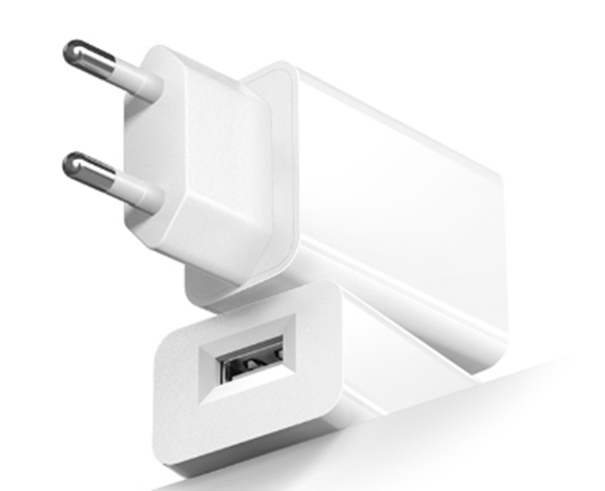
- Adaptateur secteur prise UE
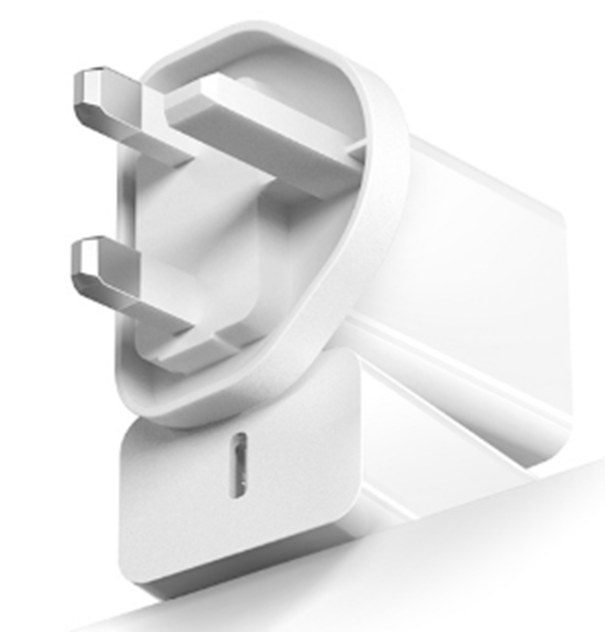
- Adaptateur secteur prise UK
While triac dimming is suitable for resistive loads like incandescent or halogen lights, it may not be compatible with LED light sources without the use of additional components. LED light solutions require careful consideration and the use of triac semiconductor devices specifically designed for LED dimming to ensure proper performance and longevity of the LED lights.
Frequently Asked Questions
What Type of Dimming Is Best for LED
The most suitable dimming option for LED light bulbs is trailing edge dimmers, while leading-edge dimmers are more compatible with conventional incandescent and halogen light bulbs.
What Is the Difference Between LED Dimmer and Normal Dimmer
As LEDs have a significantly lower wattage compared to incandescent bulbs, trailing edge dimmers offer a more compatible wattage range, ensuring optimal performance and longevity for dimmable LED lights.
Do LED Lights Need ELV Dimmer
While the majority of integrated LEDs necessitate the use of an ELV dimmer, there are certain European brands that utilize the 0-10 volt system.
What Happens if You Use a Dimmer Switch for LED Lights
Once you install a dimmer switch specifically designed for LED lights, you will enhance your lighting experience. This modern dimmer switch is designed to efficiently control the electricity flow to the LED bulbs, allowing you to easily adjust the brightness levels and create the desired ambiance in your space.
What Type of Dimmer Must Have a Dimming Ballast
For fluorescent bulbs, a dimming ballast is necessary. Lutron, a company that introduced the first electronic dimming ballast three decades ago, now provides a wide range of fluorescent dimming ballasts and controls to support their comprehensive fluorescent dimming systems.
What Is the Main Cause of Problems When Dimming LED Lamps
Typically, issues with dimming LED lamps arise due to a lack of synchronization between the LED lamps and the controls or dimmer switches. To successfully dim LED lamps, it is crucial to ensure a proper pairing between the lamp and the controls.
Can You Dim Every LED
Yes, it is possible to dim all LEDs, although the process may not always be straightforward. The feasibility of dimming a specific LED lamp or lighting fixture will vary depending on the driver used to regulate it.
Do TRIAC Dimmers Save Energy
Not only do TRIAC dimmers save energy, but they also increase the lifespan of light bulbs. By utilizing a “Triac Switch,” dimmers rapidly alternate the light circuit on and off, effectively reducing the energy consumption of the light bulb. This switch can interrupt the energy flow to the fixture up to 120 times per second.







