

What is Triac Dimming
Triac dimming, also known as phase-cut dimming, is a method used in the lighting industry to adjust the brightness of lights, particularly incandescent or halogen lights. It involves the use of a TRIAC dimmer, which is a specialized electrical switch designed specifically for controlling the power sent to a light bulb. By manipulating the conduction angle of the TRIAC, the amount of power reaching the bulb can be increased or decreased, resulting in a corresponding change in brightness.
Inspírese con los catálogos de sensores de movimiento de Rayzeek.
¿No encuentra lo que busca? No se preocupe. Siempre hay formas alternativas de resolver sus problemas. Quizás uno de nuestros catálogos pueda ayudarle.
The operation of a TRIAC dimmer is based on the concept of phase-cut dimming, where a “trigger” determines at what point in the AC waveform the device starts to conduct electricity. This effectively “chops up” the voltage waveform, reducing the voltage supplied to the bulb and thus dimming the light. The speed at which the switch reacts determines the amount of power released, allowing for precise control over the level of dimming.
Triac dimming is commonly used in residential settings, providing a convenient way to adjust lighting levels according to personal preferences or specific requirements. It offers advantages such as energy efficiency, as reducing the power supplied to the bulb can result in potential energy savings. Additionally, triac dimmers can be used to control motor power, making them versatile devices in the lighting industry.
Quizás le interese

- Sensor de presencia PIR para montaje en techo con salida de relé de contacto seco
- Alimentación de bajo voltaje de 12/24VDC o 12/24VAC
- Contactos de relé aislados COM, NO y NC para entradas de EMS, HVAC y control de edificios

- Interruptor sensor de movimiento por microondas empotrable en techo de bajo voltaje DC
- Entrada de 12 VDC / 24 VDC con rango de 10-30 VDC
- Corriente de funcionamiento máxima de 10A con retardo de tiempo, umbral de Lux y sensibilidad ajustables
- Interruptor sensor de movimiento por microondas empotrable en techo para cargas más altas
- Entrada de voltaje de línea de 100-265 VAC, modelo de 10A
- Detección por microondas de 5.8 GHz con retardo de tiempo, umbral de Lux y sensibilidad ajustables
- Interruptor sensor de movimiento por microondas empotrable en techo
- Entrada de voltaje de línea de 100-265 VAC, modelo de 5A
- Detección por microondas de 5.8 GHz con retardo de tiempo, umbral de Lux y sensibilidad ajustables
- Dimmer sensor de presencia PIR RZ037 para montaje en techo para alimentación de 220V
- Corriente de funcionamiento máxima de 3A con carga nominal de 660W
- El botón LUX controla el encendido/apagado del sensor de luz y el brillo de regulación establecido por el usuario
- Dimmer sensor de presencia PIR RZ037 para montaje en techo para alimentación de 110V
- Corriente de funcionamiento máxima de 3A con carga nominal de 330W
- El botón LUX controla el encendido/apagado del sensor de luz y el brillo de regulación establecido por el usuario

- Interruptor de sensor de movimiento por microondas de techo de CC de bajo voltaje
- Entrada de 12 VDC / 24 VDC con rango de 10-30 VDC
- Corriente de funcionamiento máxima de 10A con retardo de tiempo, umbral de Lux y sensibilidad ajustables
- Interruptor de sensor de movimiento por microondas de techo para cargas más altas
- Entrada de voltaje de línea de 100-265 VAC, modelo de 10A
- Detección por microondas de 5.8 GHz con retardo de tiempo, umbral de Lux y sensibilidad ajustables
- Interruptor de sensor de movimiento por microondas de techo
- Entrada de voltaje de línea de 100-265 VAC, modelo de 5A
- Detección por microondas de 5.8 GHz con retardo de tiempo, umbral de Lux y sensibilidad ajustables

- Interruptor de sensor de movimiento PIR de techo empotrado de CC de bajo voltaje
- Entrada de 12 VDC / 24 VDC con rango de 10-30 VDC
- Corriente de trabajo máxima de 10A con retardo de tiempo, umbral de Lux y sensibilidad ajustables

- Interruptor de sensor de movimiento PIR de techo empotrado para cargas más altas
- Entrada de voltaje de línea de 100-265 VAC, modelo de 10A
- Detección de 360 grados con retardo de tiempo, umbral de Lux y sensibilidad ajustables
- Interruptor de sensor de movimiento PIR de techo empotrado
- Entrada de voltaje de línea de 100-265 VAC, modelo de 5A
- Detección de 360 grados con retardo de tiempo, umbral de Lux y sensibilidad ajustables

- Kit de receptor e interruptor inalámbrico para control de iluminación de encendido/apagado en interiores
- Receptor de 100-230VAC, 50/60Hz con corriente nominal de 5A
- Interruptor inalámbrico alimentado por CR2032 con comunicación de 2.4GHz
- Presencia (Encendido automático/Apagado automático)
- 12–24V DC (10–30VDC), hasta 10A
- Cobertura de 360°, 8–12 m de diámetro
- Retardo de tiempo de 15 s–30 min
- Sensor de luz Apagado/15/25/35 Lux
- Sensibilidad Alta/Baja
- Modo de presencia de encendido automático/apagado automático
- 100–265V AC, 10A (requiere neutro)
- Cobertura de 360°; diámetro de detección de 8–12 m
- Retardo de tiempo de 15 s–30 min; Lux APAGADO/15/25/35; Sensibilidad Alta/Baja
- Modo de presencia de encendido automático/apagado automático
- 100–265V CA, 5A (se requiere neutro)
- Cobertura de 360°; diámetro de detección de 8–12 m
- Retardo de tiempo de 15 s–30 min; Lux APAGADO/15/25/35; Sensibilidad Alta/Baja
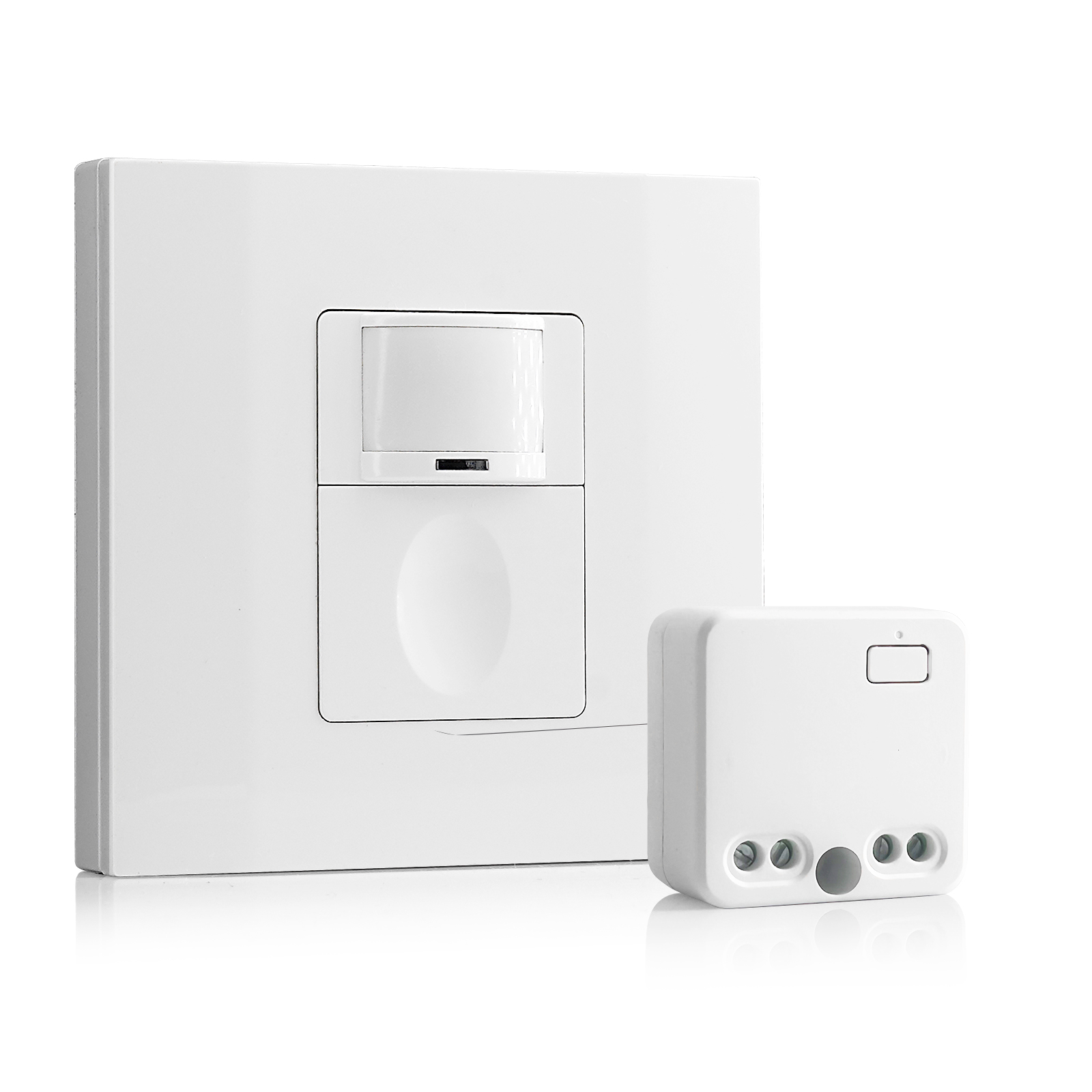
- 100V-230V CA
- Distancia de transmisión: hasta 20 m
- Sensor de movimiento inalámbrico
- Control cableado
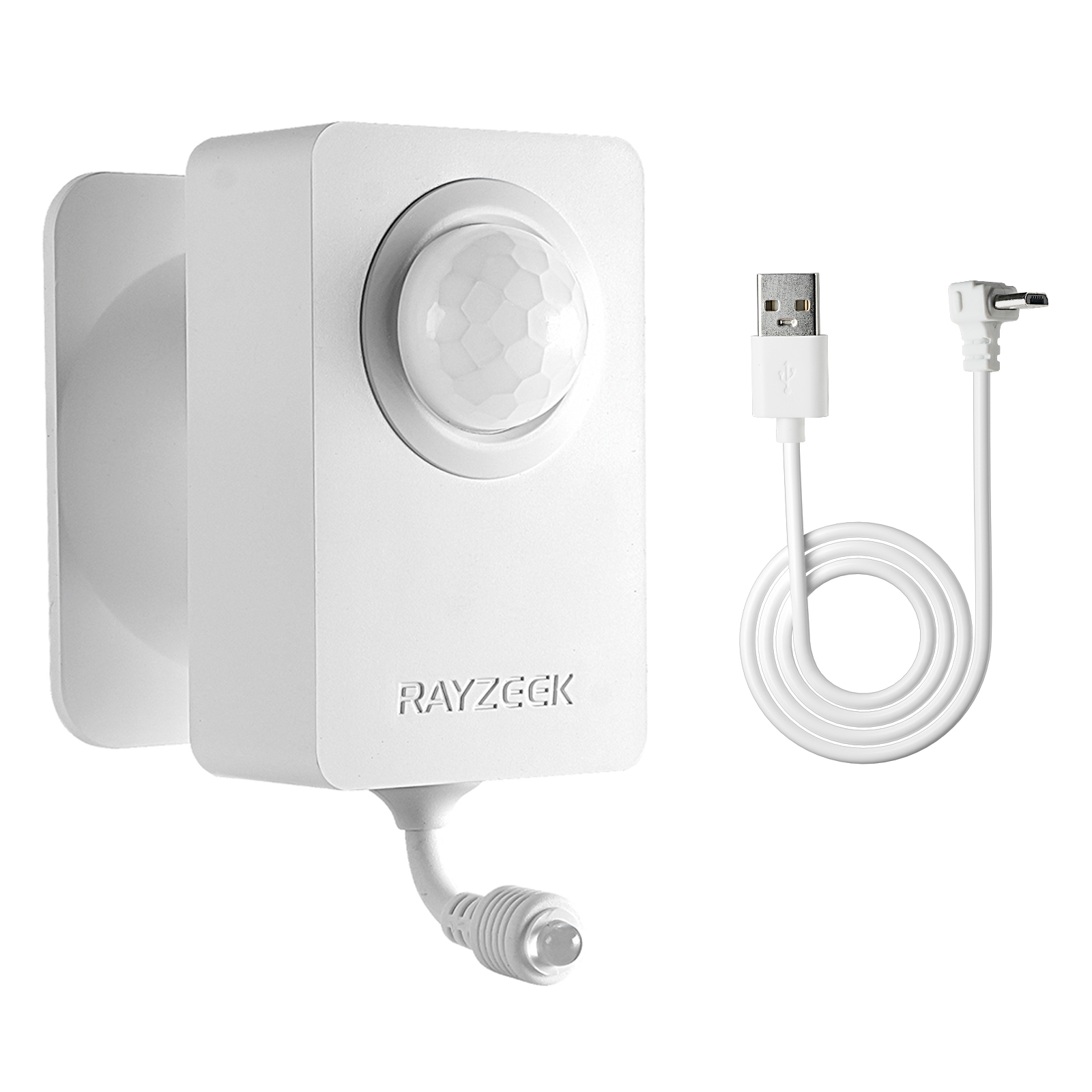
- Voltaje: 2 baterías AAA / 5V CC (Micro USB)
- Modo día/noche
- Tiempo de retardo: 15 min, 30 min, 1 h (por defecto), 2 h
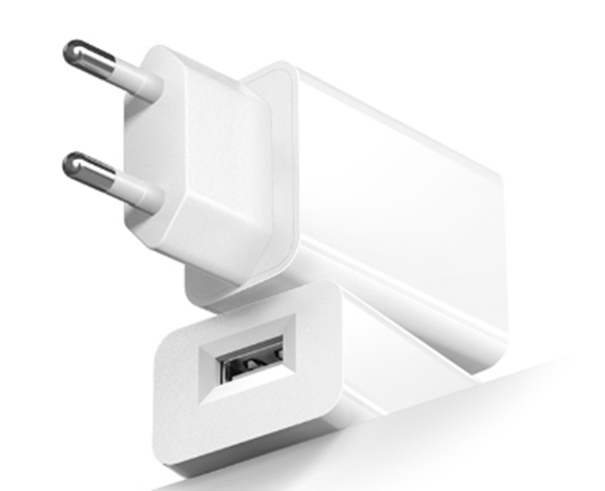
- Adaptador de corriente con enchufe de la UE
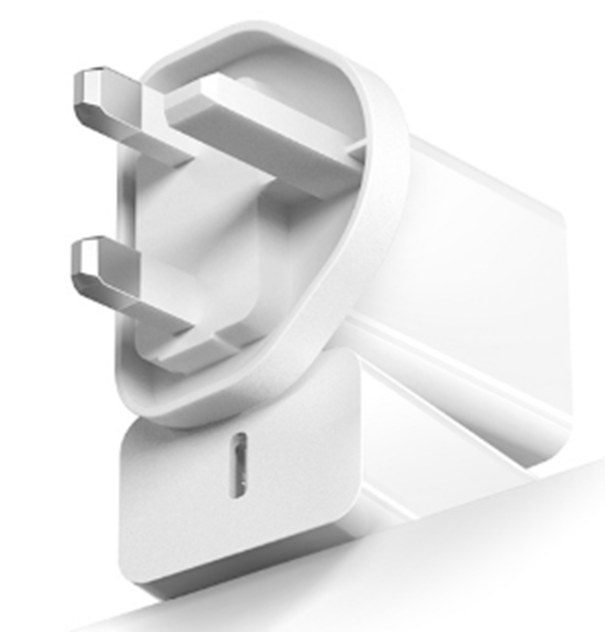
- Adaptador de corriente con enchufe del Reino Unido
While triac dimming is suitable for resistive loads like incandescent or halogen lights, it may not be compatible with LED light sources without the use of additional components. LED light solutions require careful consideration and the use of triac semiconductor devices specifically designed for LED dimming to ensure proper performance and longevity of the LED lights.
Frequently Asked Questions
What Type of Dimming Is Best for LED
The most suitable dimming option for LED light bulbs is trailing edge dimmers, while leading-edge dimmers are more compatible with conventional incandescent and halogen light bulbs.
What Is the Difference Between LED Dimmer and Normal Dimmer
As LEDs have a significantly lower wattage compared to incandescent bulbs, trailing edge dimmers offer a more compatible wattage range, ensuring optimal performance and longevity for dimmable LED lights.
Do LED Lights Need ELV Dimmer
While the majority of integrated LEDs necessitate the use of an ELV dimmer, there are certain European brands that utilize the 0-10 volt system.
What Happens if You Use a Dimmer Switch for LED Lights
Once you install a dimmer switch specifically designed for LED lights, you will enhance your lighting experience. This modern dimmer switch is designed to efficiently control the electricity flow to the LED bulbs, allowing you to easily adjust the brightness levels and create the desired ambiance in your space.
What Type of Dimmer Must Have a Dimming Ballast
For fluorescent bulbs, a dimming ballast is necessary. Lutron, a company that introduced the first electronic dimming ballast three decades ago, now provides a wide range of fluorescent dimming ballasts and controls to support their comprehensive fluorescent dimming systems.
What Is the Main Cause of Problems When Dimming LED Lamps
Typically, issues with dimming LED lamps arise due to a lack of synchronization between the LED lamps and the controls or dimmer switches. To successfully dim LED lamps, it is crucial to ensure a proper pairing between the lamp and the controls.
Can You Dim Every LED
Yes, it is possible to dim all LEDs, although the process may not always be straightforward. The feasibility of dimming a specific LED lamp or lighting fixture will vary depending on the driver used to regulate it.
Do TRIAC Dimmers Save Energy
Not only do TRIAC dimmers save energy, but they also increase the lifespan of light bulbs. By utilizing a “Triac Switch,” dimmers rapidly alternate the light circuit on and off, effectively reducing the energy consumption of the light bulb. This switch can interrupt the energy flow to the fixture up to 120 times per second.







