

What is Tri-Dimming
Tri-Dimming, also known as leading-edge dimming or TRIAC dimming, is a type of dimming method commonly used in the lighting industry. It involves phase cutting the AC waveform at the start, or leading edge, to reduce the amount of electrical current received by the bulb. This method is often used in high voltage applications and is compatible with legacy lighting systems that require higher voltage.
Laissez-vous inspirer par les gammes de capteurs de mouvement Rayzeek.
Vous ne trouvez pas ce que vous cherchez ? Ne vous inquiétez pas. Il existe toujours d'autres solutions pour résoudre vos problèmes. L'une de nos gammes de produits pourra peut-être vous aider.
One of the main challenges associated with Tri-Dimming is the potential for buzzing or flickering of the light. This can occur due to the vibrations resulting from the chopped-up AC signal. However, newer Tri-Dimmers have implemented measures to address this issue and offer flicker-free designs.
Tri-Dimming provides a convenient way to adjust the brightness of lighting fixtures, allowing users to create different moods and ambiance in a space. It is commonly used in residential and commercial settings, offering smooth and precise control over the lighting output. Tri-Dimming dimmers can be controlled through physical wall switches or integrated with smart home systems for wireless control options.
Ces produits pourraient vous intéresser

- Détecteur de présence PIR pour montage au plafond avec sortie relais à contact sec
- Alimentation basse tension 12/24VDC ou 12/24VAC
- Contacts de relais isolés COM, NO et NC pour les entrées de gestion technique des bâtiments (GTB), de CVC et de contrôle des bâtiments

- Interrupteur détecteur de mouvement à micro-ondes basse tension DC encastrable au plafond
- Entrée 12 VDC / 24 VDC avec une plage de 10-30 VDC
- Courant de fonctionnement max de 10A avec temporisation, seuil Lux et sensibilité réglables
- Interrupteur détecteur de mouvement à micro-ondes encastrable au plafond pour charges plus élevées
- Entrée de tension secteur 100-265 VAC, modèle 10A
- Détection micro-ondes 5,8 GHz avec temporisation, seuil Lux et sensibilité réglables
- Interrupteur détecteur de mouvement à micro-ondes encastrable au plafond
- Entrée de tension secteur 100-265 VAC, modèle 5A
- Détection micro-ondes 5,8 GHz avec temporisation, seuil Lux et sensibilité réglables
- Variateur détecteur de présence PIR RZ037 pour montage au plafond pour alimentation 220V
- Courant de fonctionnement maximum de 3A avec charge nominale de 660W
- Le bouton LUX contrôle l'activation/désactivation du capteur de lumière et la luminosité de variation définie par l'utilisateur
- Variateur détecteur de présence PIR RZ037 pour montage au plafond pour alimentation 110V
- Courant de fonctionnement maximum de 3A avec charge nominale de 330W
- Le bouton LUX contrôle l'activation/désactivation du capteur de lumière et la luminosité de variation définie par l'utilisateur

- Interrupteur de détecteur de mouvement à micro-ondes pour montage au plafond, CC basse tension
- Entrée 12 VDC / 24 VDC avec une plage de 10-30 VDC
- Courant de fonctionnement max de 10A avec temporisation, seuil Lux et sensibilité réglables
- Interrupteur de détecteur de mouvement à micro-ondes pour montage au plafond à charge plus élevée
- Entrée de tension secteur 100-265 VAC, modèle 10A
- Détection micro-ondes 5,8 GHz avec temporisation, seuil Lux et sensibilité réglables
- Interrupteur de détecteur de mouvement à micro-ondes pour montage au plafond
- Entrée de tension secteur 100-265 VAC, modèle 5A
- Détection micro-ondes 5,8 GHz avec temporisation, seuil Lux et sensibilité réglables

- Interrupteur de détecteur de mouvement PIR encastré au plafond, CC basse tension
- Entrée 12 VDC / 24 VDC avec une plage de 10-30 VDC
- Courant de fonctionnement max. 10A avec temporisation, seuil Lux et sensibilité réglables

- Interrupteur de détecteur de mouvement PIR encastré au plafond à charge plus élevée
- Entrée de tension secteur 100-265 VAC, modèle 10A
- Détection à 360 degrés avec temporisation, seuil Lux et sensibilité réglables
- Interrupteur de détecteur de mouvement PIR encastré au plafond
- Entrée de tension secteur 100-265 VAC, modèle 5A
- Détection à 360 degrés avec temporisation, seuil Lux et sensibilité réglables

- Kit d'interrupteur et récepteur sans fil pour le contrôle de l'éclairage intérieur ON/OFF
- Récepteur 100-230VAC, 50/60Hz avec courant nominal de 5A
- Interrupteur sans fil alimenté par pile CR2032 avec communication 2.4GHz
- Mode d'occupation (Auto-ON/Auto-OFF)
- 12–24V DC (10–30VDC), jusqu'à 10A
- Couverture à 360°, diamètre de 8–12 m
- Temporisation de 15 s à 30 min
- Capteur de lumière Désactivé/15/25/35 Lux
- Sensibilité Haute/Basse
- Mode d'occupation Auto-ON/Auto-OFF
- 100–265V AC, 10A (neutre requis)
- Couverture à 360° ; diamètre de détection de 8–12 m
- Temporisation de 15 s à 30 min ; Lux DÉSACTIVÉ/15/25/35 ; Sensibilité Haute/Basse
- Mode d'occupation Auto-ON/Auto-OFF
- 100–265V AC, 5A (neutre requis)
- Couverture à 360° ; diamètre de détection de 8–12 m
- Temporisation de 15 s à 30 min ; Lux DÉSACTIVÉ/15/25/35 ; Sensibilité Haute/Basse
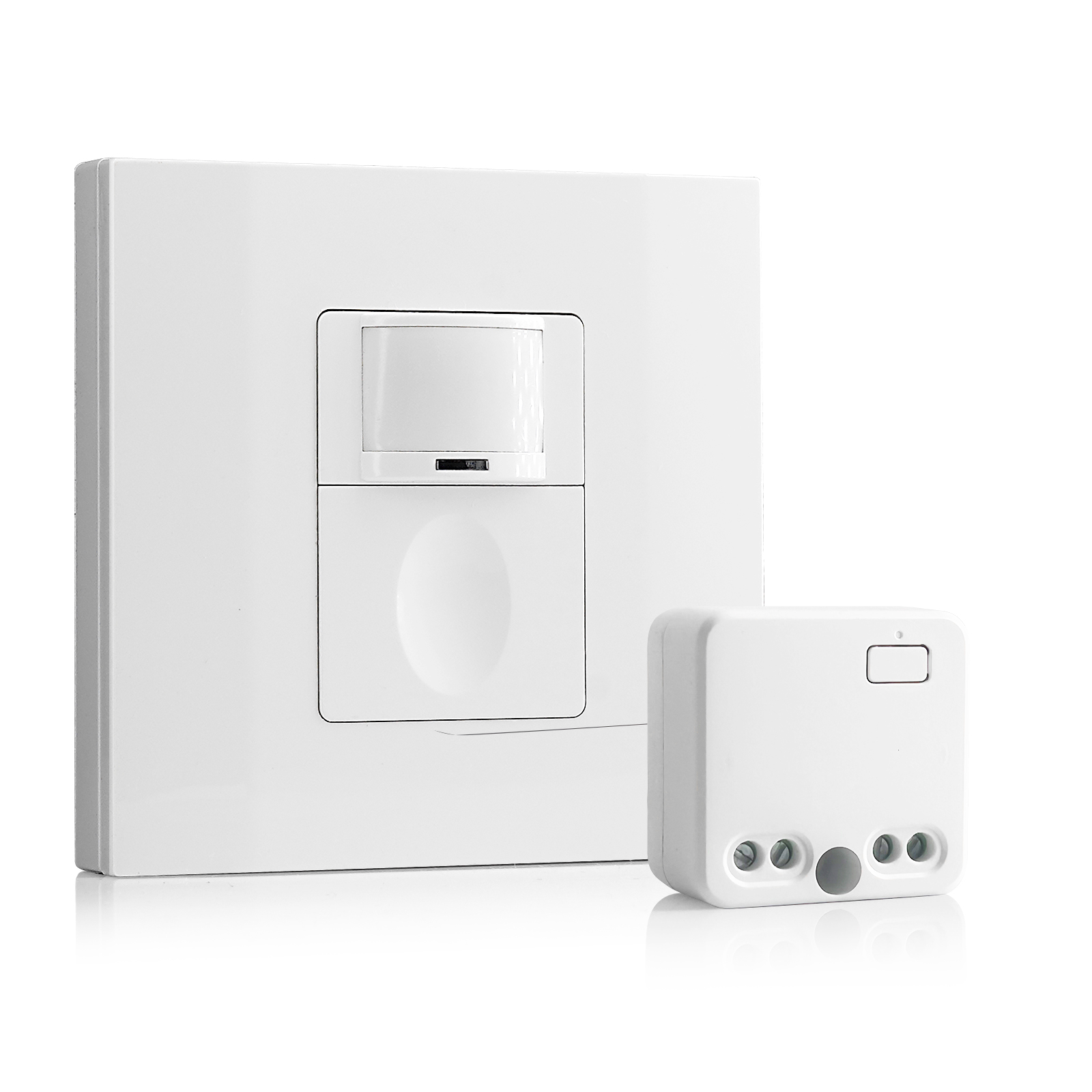
- 100V-230VAC
- Distance de transmission : jusqu'à 20m
- Détecteur de mouvement sans fil
- Contrôle filaire
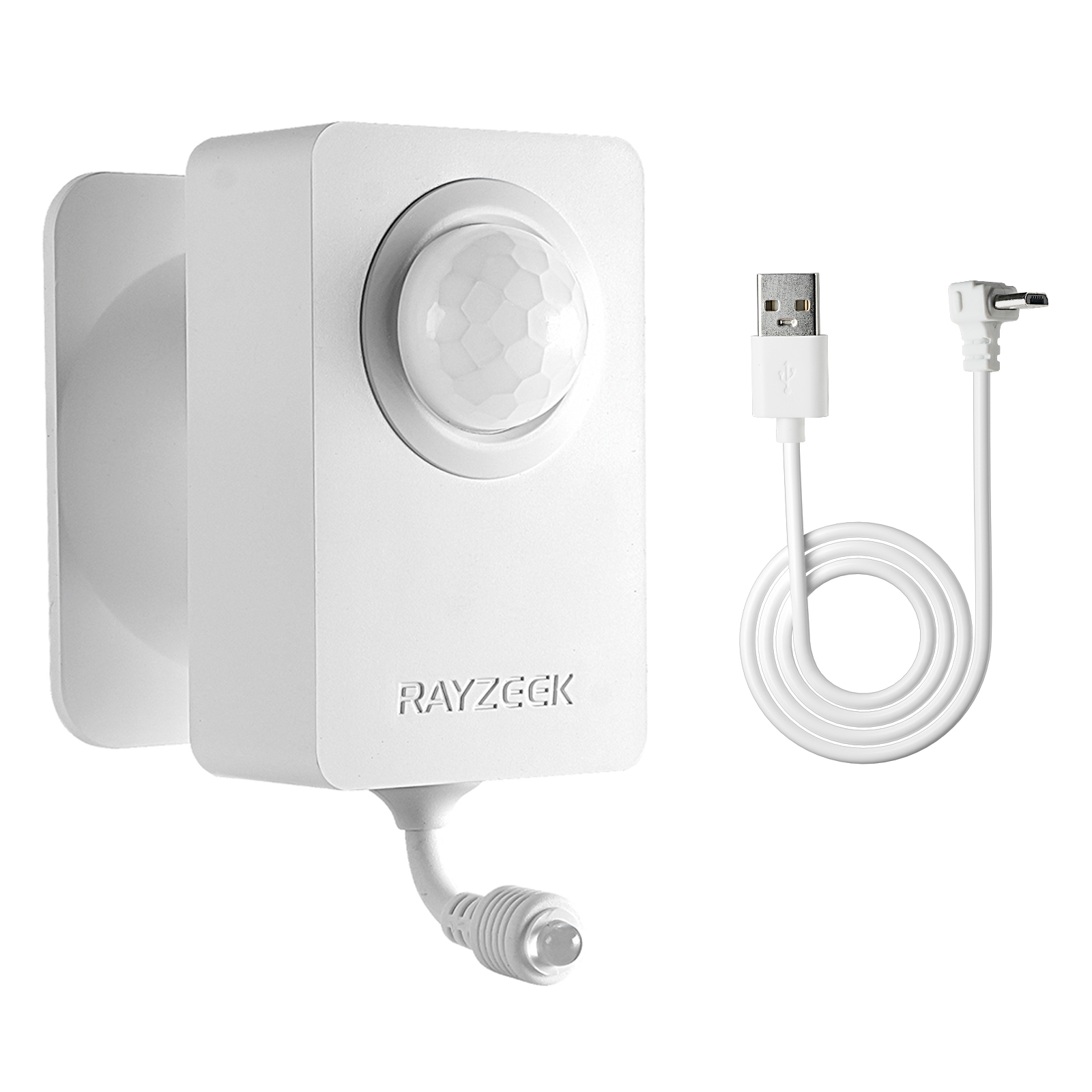
- Tension : 2x piles AAA / 5V DC (Micro USB)
- Mode Jour/Nuit
- Temporisation : 15min, 30min, 1h (par défaut), 2h
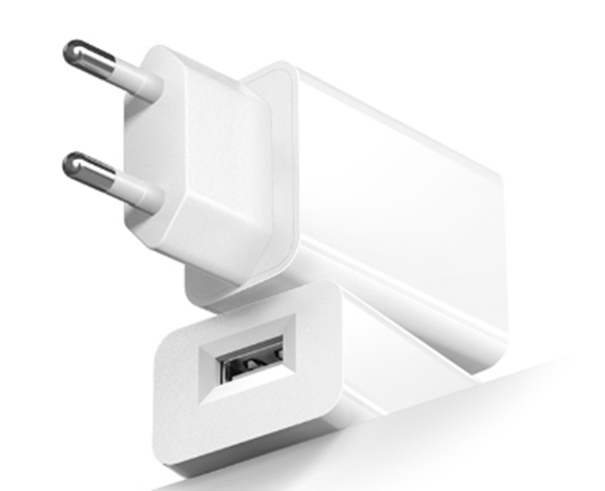
- Adaptateur secteur prise UE
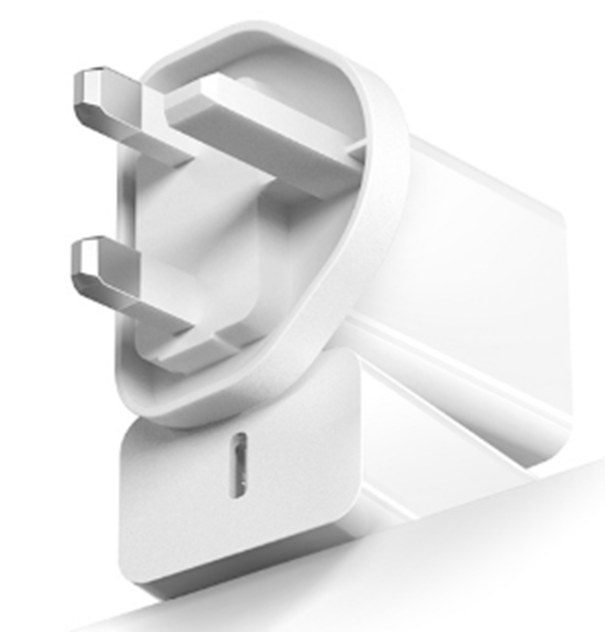
- Adaptateur secteur prise UK
Frequently Asked Questions
How Many LED Lights Can Be on One Dimmer Switch
Varilight suggests that it is best to have a maximum of 10 LED lamps connected to one dimmer module. However, if you have a three gang dimmer plate, you can have a total of thirty LED lamps on the plate, with ten lamps connected to each module.
What Happens if You Use a Regular Dimmer on a LED Bulb
So, what occurs if you utilize a standard dimmer with an LED bulb? Well, at most, the bulb will not dim correctly. However, in the worst-case scenario, it could potentially harm the bulb. The reason for this is that dimmable LEDs contain specific circuitry that enables them to adjust to fluctuating current levels or “pulsing” current waves in order to create a dimming effect.
What Happens if You Use a Dimmer Switch for LED Lights
Once you install a dimmer switch specifically designed for LED lights, you will enhance your lighting experience. This modern dimmer switch is designed to efficiently control the electricity flow to the LED bulbs, allowing you to easily adjust the brightness levels and create the desired ambiance in your space.
What Is the Most Common Form of Dimming
Also referred to as “Triac Dimming,” “SCR Dimming,” and Forward Phase control dimming, the most prevalent method of dimming is Forward Phase dimming control. This technique utilizes a silicon device, typically an SCR or a Triac, to activate the mains waveform partially through its cycle.
What Is the Difference Between a Dimmer and LED Dimmer
Use a specialized LED dimmer switch. A regular dimmer switch is not suitable for LED lights as it cannot effectively dim them. LED lights require their own electronic dimmer switch in order to achieve proper dimming functionality.
Do LED Bulbs Require a Special Dimmer
LED bulbs cannot be dimmed using a standard dimmer switch. To achieve proper dimming functionality, LED lights require a dedicated electronic dimmer switch designed specifically for them.
Do TRIAC Dimmers Save Energy
Not only do TRIAC dimmers save energy, but they also increase the lifespan of light bulbs. By utilizing a “Triac Switch,” dimmers rapidly alternate the light circuit on and off, effectively reducing the energy consumption of the light bulb. This switch can interrupt the energy flow to the fixture up to 120 times per second.







