

What is Tri-Dimming
Tri-Dimming, also known as leading-edge dimming or TRIAC dimming, is a type of dimming method commonly used in the lighting industry. It involves phase cutting the AC waveform at the start, or leading edge, to reduce the amount of electrical current received by the bulb. This method is often used in high voltage applications and is compatible with legacy lighting systems that require higher voltage.
Dapatkan Inspirasi dari Portofolio Sensor Gerakan Rayzeek.
Tidak menemukan apa yang Anda inginkan? Jangan khawatir. Selalu ada cara alternatif untuk menyelesaikan masalah Anda. Mungkin salah satu portofolio kami dapat membantu.
One of the main challenges associated with Tri-Dimming is the potential for buzzing or flickering of the light. This can occur due to the vibrations resulting from the chopped-up AC signal. However, newer Tri-Dimmers have implemented measures to address this issue and offer flicker-free designs.
Tri-Dimming provides a convenient way to adjust the brightness of lighting fixtures, allowing users to create different moods and ambiance in a space. It is commonly used in residential and commercial settings, offering smooth and precise control over the lighting output. Tri-Dimming dimmers can be controlled through physical wall switches or integrated with smart home systems for wireless control options.
Mungkin Anda Tertarik Dengan

- Ceiling-mounted PIR occupancy sensor dengan output dry-contact relay
- Suplai tegangan rendah 12/24VDC atau 12/24VAC
- Kontak relai terisolasi COM, NO, dan NC untuk input EMS, HVAC, dan kontrol gedung

- Low-voltage DC recessed ceiling-mounted microwave motion sensor switch
- Input 12 VDC / 24 VDC dengan rentang 10-30 VDC
- Arus kerja maks 10A dengan waktu tunda (time delay), ambang batas Lux, dan sensitivitas yang dapat disesuaikan
- Higher-load recessed ceiling-mounted microwave motion sensor switch
- Input tegangan jala-jala 100-265 VAC, model 10A
- Penginderaan gelombang mikro 5.8 GHz dengan waktu tunda (time delay), ambang batas Lux, dan sensitivitas yang dapat disesuaikan
- Recessed ceiling-mounted microwave motion sensor switch
- Input tegangan jala-jala 100-265 VAC, model 5A
- Penginderaan gelombang mikro 5.8 GHz dengan waktu tunda (time delay), ambang batas Lux, dan sensitivitas yang dapat disesuaikan
- Ceiling-mounted RZ037 PIR occupancy sensor dimmer untuk daya 220V
- Arus kerja maksimum 3A dengan beban pengenal 660W
- Tombol LUX mengontrol ON/OFF sensor cahaya dan kecerahan peredupan yang diatur pengguna
- Ceiling-mounted RZ037 PIR occupancy sensor dimmer untuk daya 110V
- Arus kerja maksimum 3A dengan beban pengenal 330W
- Tombol LUX mengontrol ON/OFF sensor cahaya dan kecerahan peredupan yang diatur pengguna

- Sakelar sensor gerak gelombang mikro plafon DC tegangan rendah
- Input 12 VDC / 24 VDC dengan rentang 10-30 VDC
- Arus kerja maks 10A dengan waktu tunda (time delay), ambang batas Lux, dan sensitivitas yang dapat disesuaikan
- Sakelar sensor gerak gelombang mikro plafon beban lebih tinggi
- Input tegangan jala-jala 100-265 VAC, model 10A
- Penginderaan gelombang mikro 5.8 GHz dengan waktu tunda (time delay), ambang batas Lux, dan sensitivitas yang dapat disesuaikan
- Sakelar sensor gerak gelombang mikro plafon
- Input tegangan jala-jala 100-265 VAC, model 5A
- Penginderaan gelombang mikro 5.8 GHz dengan waktu tunda (time delay), ambang batas Lux, dan sensitivitas yang dapat disesuaikan

- Sakelar sensor gerak PIR tanam plafon DC tegangan rendah
- Input 12 VDC / 24 VDC dengan rentang 10-30 VDC
- Arus kerja maks 10A dengan jeda waktu, ambang batas Lux, dan sensitivitas yang dapat disesuaikan

- Sakelar sensor gerak PIR tanam plafon beban lebih tinggi
- Input tegangan jala-jala 100-265 VAC, model 10A
- Deteksi 360 derajat dengan jeda waktu, ambang batas Lux, dan sensitivitas yang dapat disesuaikan
- Sakelar sensor gerak PIR tanam plafon
- Input tegangan jala-jala 100-265 VAC, model 5A
- Deteksi 360 derajat dengan jeda waktu, ambang batas Lux, dan sensitivitas yang dapat disesuaikan

- Kit penerima dan sakelar nirkabel untuk kontrol pencahayaan ON/OFF dalam ruangan
- Penerima 100-230VAC, 50/60Hz dengan arus nominal 5A
- Sakelar nirkabel bertenaga CR2032 dengan komunikasi 2.4GHz
- Okupansi (Auto-ON/Auto-OFF)
- 12–24V DC (10–30VDC), hingga 10A
- Cakupan 360°, diameter 8–12 m
- Jeda waktu 15 dtk–30 mnt
- Sensor cahaya Mati/15/25/35 Lux
- Sensitivitas Tinggi/Rendah
- Mode okupansi Auto-ON/Auto-OFF
- 100–265V AC, 10A (diperlukan kabel netral)
- Cakupan 360°; diameter deteksi 8–12 m
- Jeda waktu 15 dtk–30 mnt; Lux MATI/15/25/35; Sensitivitas Tinggi/Rendah
- Mode okupansi Auto-ON/Auto-OFF
- 100–265V AC, 5A (diperlukan kabel netral)
- Cakupan 360°; diameter deteksi 8–12 m
- Jeda waktu 15 dtk–30 mnt; Lux MATI/15/25/35; Sensitivitas Tinggi/Rendah
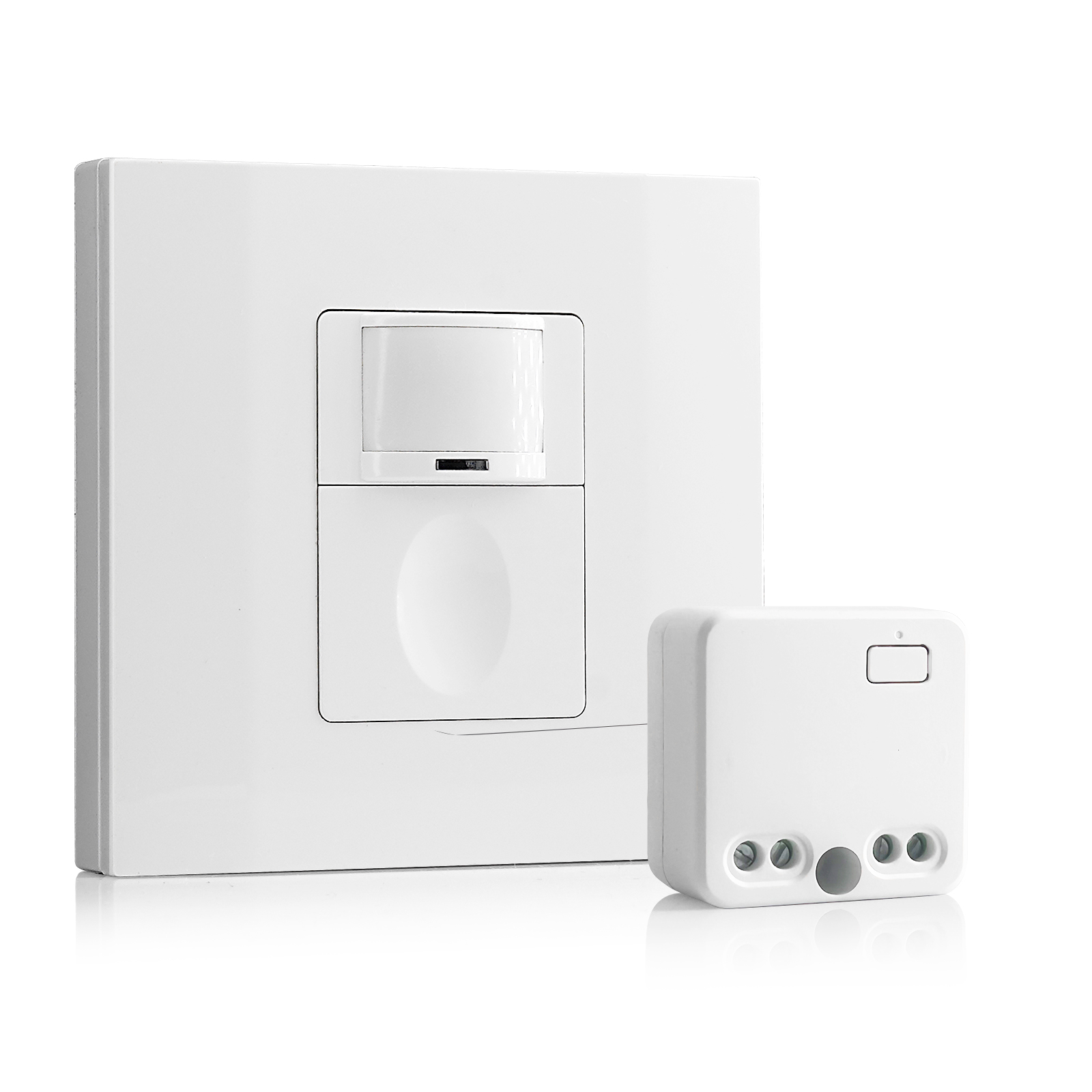
- 100V-230VAC
- Jarak Transmisi: hingga 20m
- Sensor gerak nirkabel
- Kontrol berkabel
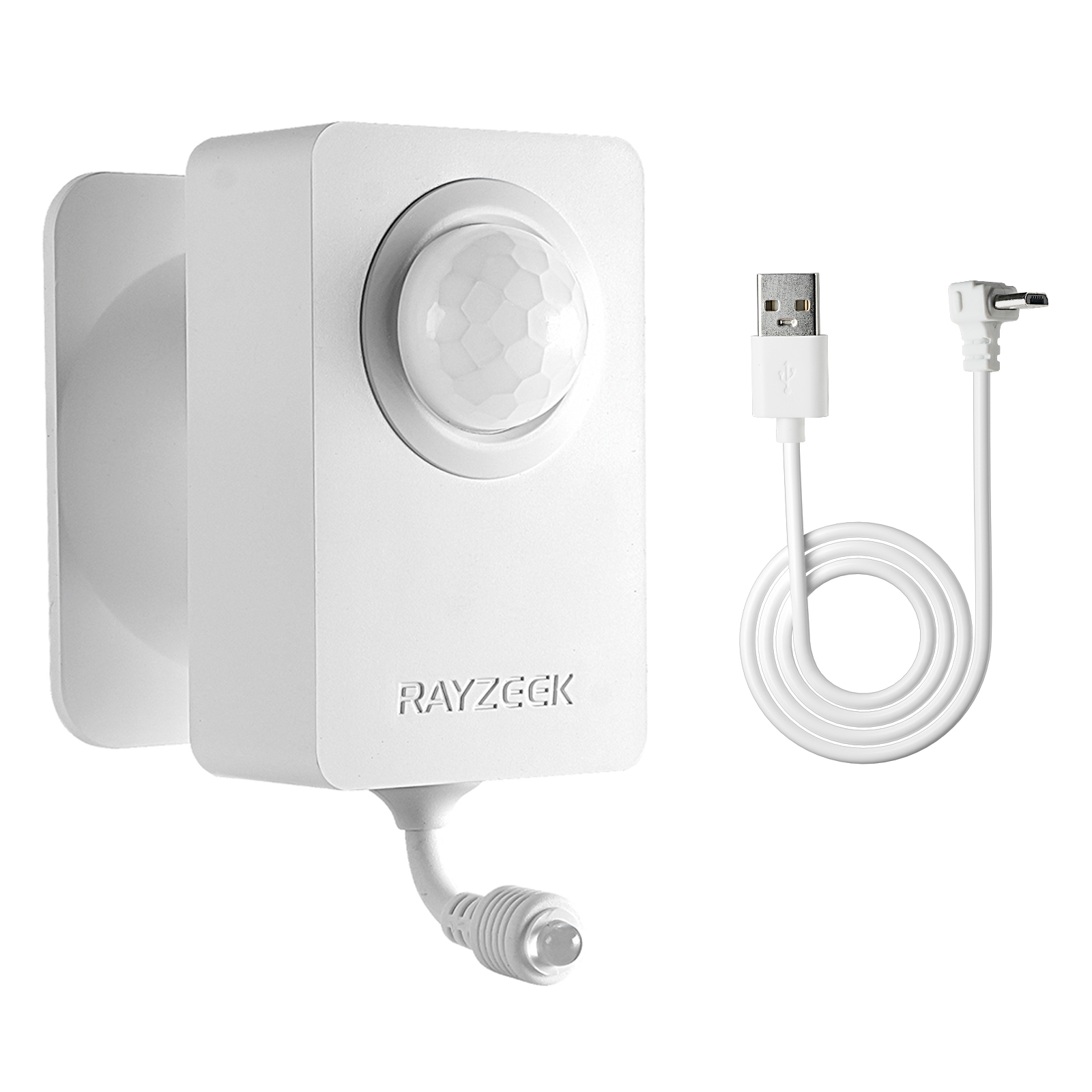
- Tegangan: 2x Baterai AAA / 5V DC (Micro USB)
- Mode Siang/Malam
- Jeda waktu: 15mnt, 30mnt, 1j (bawaan), 2j
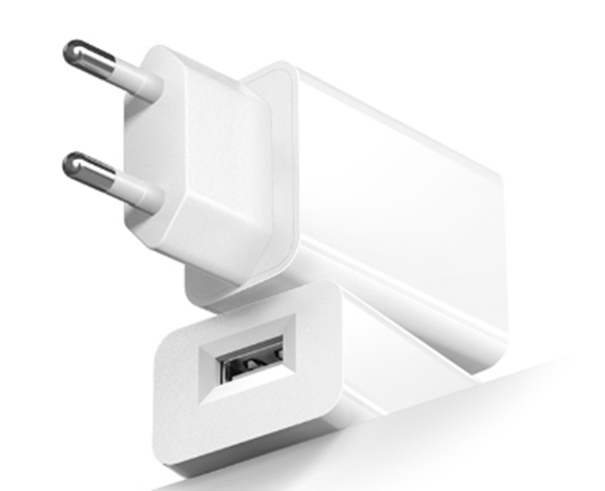
- Adaptor daya colokan UE
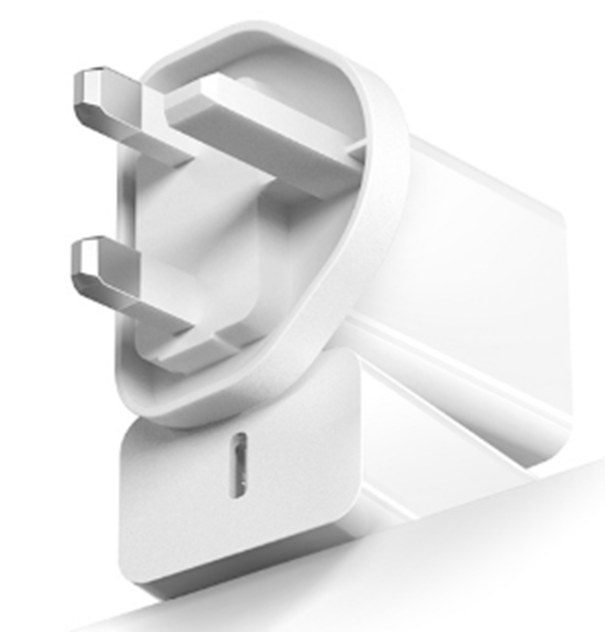
- Adaptor daya colokan Inggris
Frequently Asked Questions
How Many LED Lights Can Be on One Dimmer Switch
Varilight suggests that it is best to have a maximum of 10 LED lamps connected to one dimmer module. However, if you have a three gang dimmer plate, you can have a total of thirty LED lamps on the plate, with ten lamps connected to each module.
What Happens if You Use a Regular Dimmer on a LED Bulb
So, what occurs if you utilize a standard dimmer with an LED bulb? Well, at most, the bulb will not dim correctly. However, in the worst-case scenario, it could potentially harm the bulb. The reason for this is that dimmable LEDs contain specific circuitry that enables them to adjust to fluctuating current levels or “pulsing” current waves in order to create a dimming effect.
What Happens if You Use a Dimmer Switch for LED Lights
Once you install a dimmer switch specifically designed for LED lights, you will enhance your lighting experience. This modern dimmer switch is designed to efficiently control the electricity flow to the LED bulbs, allowing you to easily adjust the brightness levels and create the desired ambiance in your space.
What Is the Most Common Form of Dimming
Also referred to as “Triac Dimming,” “SCR Dimming,” and Forward Phase control dimming, the most prevalent method of dimming is Forward Phase dimming control. This technique utilizes a silicon device, typically an SCR or a Triac, to activate the mains waveform partially through its cycle.
What Is the Difference Between a Dimmer and LED Dimmer
Use a specialized LED dimmer switch. A regular dimmer switch is not suitable for LED lights as it cannot effectively dim them. LED lights require their own electronic dimmer switch in order to achieve proper dimming functionality.
Do LED Bulbs Require a Special Dimmer
LED bulbs cannot be dimmed using a standard dimmer switch. To achieve proper dimming functionality, LED lights require a dedicated electronic dimmer switch designed specifically for them.
Do TRIAC Dimmers Save Energy
Not only do TRIAC dimmers save energy, but they also increase the lifespan of light bulbs. By utilizing a “Triac Switch,” dimmers rapidly alternate the light circuit on and off, effectively reducing the energy consumption of the light bulb. This switch can interrupt the energy flow to the fixture up to 120 times per second.







