

What is Color Temperature
Color temperature, also referred to as Correlated Color Temperature (CCT), is a measurement used to describe the perceived color appearance of light emitted by a light source. It is measured in degrees of Kelvin (K) and indicates whether the light appears warm (yellowish) or cool (bluish) to the human eye. Color temperature is based on the principle of blackbody radiation, where the temperature of a theoretical “blackbody” determines the color of the light it emits. The Kelvin scale is used to quantify the color appearance of light, with lower values indicating warmer colors and higher values indicating cooler colors.
Light sources with lower color temperatures, typically ranging from 2200K to 3000K, emit warm light that appears more yellow, orange, or red. This warm light is often associated with a cozy and inviting ambiance, similar to the glow of a fire or the dim lighting in a high-end restaurant. Light sources with higher color temperatures, typically above 4000K, emit cool light that appears more blue. This cool light is often associated with a crisp and energetic atmosphere, like the bright white or blue light found in school hallways or hospitals.
Ces produits pourraient vous intéresser

- Détecteur de présence PIR pour montage au plafond avec sortie relais à contact sec
- Alimentation basse tension 12/24VDC ou 12/24VAC
- Contacts de relais isolés COM, NO et NC pour les entrées de gestion technique des bâtiments (GTB), de CVC et de contrôle des bâtiments

- Interrupteur détecteur de mouvement à micro-ondes basse tension DC encastrable au plafond
- Entrée 12 VDC / 24 VDC avec une plage de 10-30 VDC
- Courant de fonctionnement max de 10A avec temporisation, seuil Lux et sensibilité réglables
- Interrupteur détecteur de mouvement à micro-ondes encastrable au plafond pour charges plus élevées
- Entrée de tension secteur 100-265 VAC, modèle 10A
- Détection micro-ondes 5,8 GHz avec temporisation, seuil Lux et sensibilité réglables
- Interrupteur détecteur de mouvement à micro-ondes encastrable au plafond
- Entrée de tension secteur 100-265 VAC, modèle 5A
- Détection micro-ondes 5,8 GHz avec temporisation, seuil Lux et sensibilité réglables
- Variateur détecteur de présence PIR RZ037 pour montage au plafond pour alimentation 220V
- Courant de fonctionnement maximum de 3A avec charge nominale de 660W
- Le bouton LUX contrôle l'activation/désactivation du capteur de lumière et la luminosité de variation définie par l'utilisateur
- Variateur détecteur de présence PIR RZ037 pour montage au plafond pour alimentation 110V
- Courant de fonctionnement maximum de 3A avec charge nominale de 330W
- Le bouton LUX contrôle l'activation/désactivation du capteur de lumière et la luminosité de variation définie par l'utilisateur

- Interrupteur de détecteur de mouvement à micro-ondes pour montage au plafond, CC basse tension
- Entrée 12 VDC / 24 VDC avec une plage de 10-30 VDC
- Courant de fonctionnement max de 10A avec temporisation, seuil Lux et sensibilité réglables
- Interrupteur de détecteur de mouvement à micro-ondes pour montage au plafond à charge plus élevée
- Entrée de tension secteur 100-265 VAC, modèle 10A
- Détection micro-ondes 5,8 GHz avec temporisation, seuil Lux et sensibilité réglables
- Interrupteur de détecteur de mouvement à micro-ondes pour montage au plafond
- Entrée de tension secteur 100-265 VAC, modèle 5A
- Détection micro-ondes 5,8 GHz avec temporisation, seuil Lux et sensibilité réglables

- Interrupteur de détecteur de mouvement PIR encastré au plafond, CC basse tension
- Entrée 12 VDC / 24 VDC avec une plage de 10-30 VDC
- Courant de fonctionnement max. 10A avec temporisation, seuil Lux et sensibilité réglables

- Interrupteur de détecteur de mouvement PIR encastré au plafond à charge plus élevée
- Entrée de tension secteur 100-265 VAC, modèle 10A
- Détection à 360 degrés avec temporisation, seuil Lux et sensibilité réglables
- Interrupteur de détecteur de mouvement PIR encastré au plafond
- Entrée de tension secteur 100-265 VAC, modèle 5A
- Détection à 360 degrés avec temporisation, seuil Lux et sensibilité réglables

- Kit d'interrupteur et récepteur sans fil pour le contrôle de l'éclairage intérieur ON/OFF
- Récepteur 100-230VAC, 50/60Hz avec courant nominal de 5A
- Interrupteur sans fil alimenté par pile CR2032 avec communication 2.4GHz
- Mode d'occupation (Auto-ON/Auto-OFF)
- 12–24V DC (10–30VDC), jusqu'à 10A
- Couverture à 360°, diamètre de 8–12 m
- Temporisation de 15 s à 30 min
- Capteur de lumière Désactivé/15/25/35 Lux
- Sensibilité Haute/Basse
- Mode d'occupation Auto-ON/Auto-OFF
- 100–265V AC, 10A (neutre requis)
- Couverture à 360° ; diamètre de détection de 8–12 m
- Temporisation de 15 s à 30 min ; Lux DÉSACTIVÉ/15/25/35 ; Sensibilité Haute/Basse
- Mode d'occupation Auto-ON/Auto-OFF
- 100–265V AC, 5A (neutre requis)
- Couverture à 360° ; diamètre de détection de 8–12 m
- Temporisation de 15 s à 30 min ; Lux DÉSACTIVÉ/15/25/35 ; Sensibilité Haute/Basse
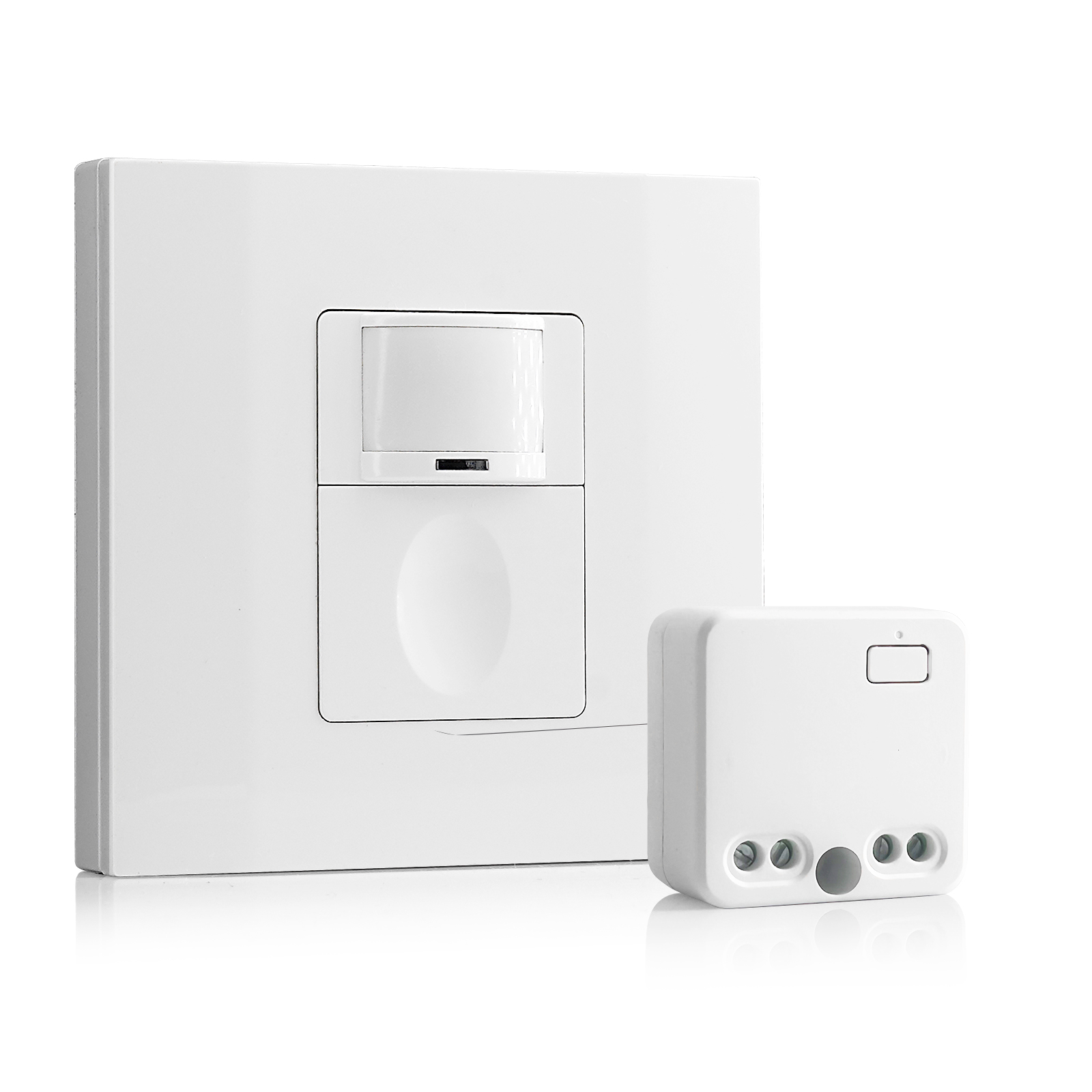
- 100V-230VAC
- Distance de transmission : jusqu'à 20m
- Détecteur de mouvement sans fil
- Contrôle filaire
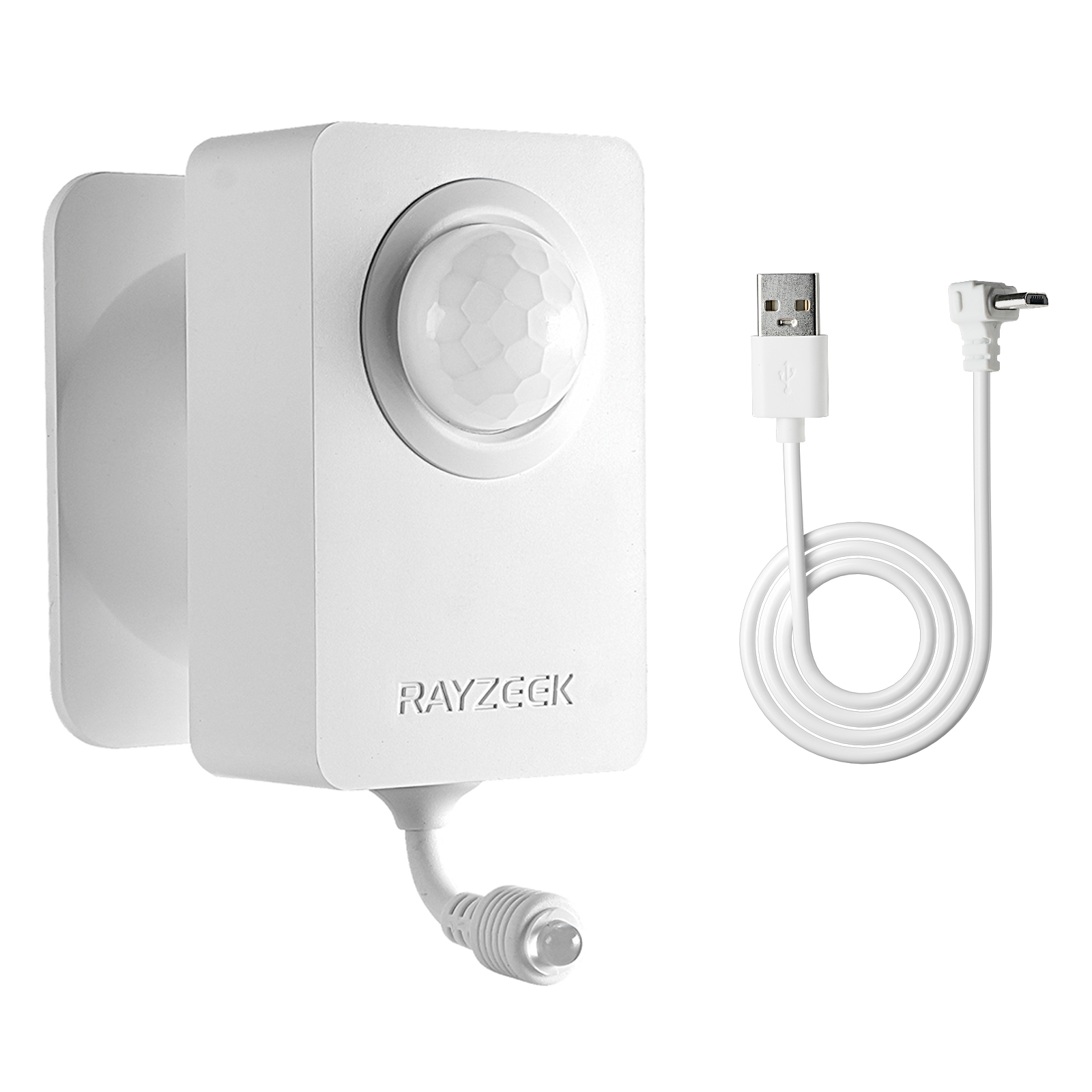
- Tension : 2x piles AAA / 5V DC (Micro USB)
- Mode Jour/Nuit
- Temporisation : 15min, 30min, 1h (par défaut), 2h
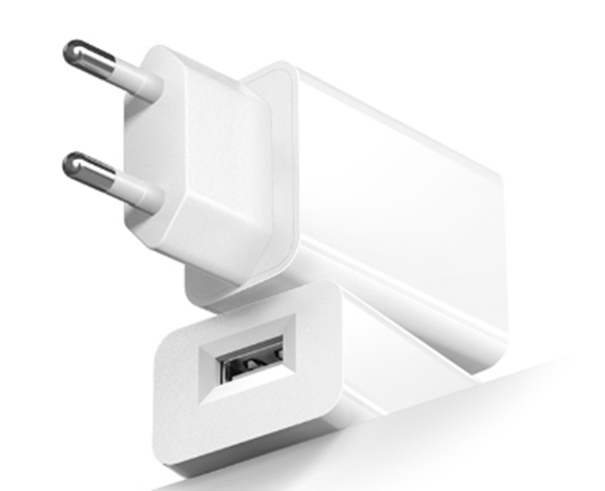
- Adaptateur secteur prise UE
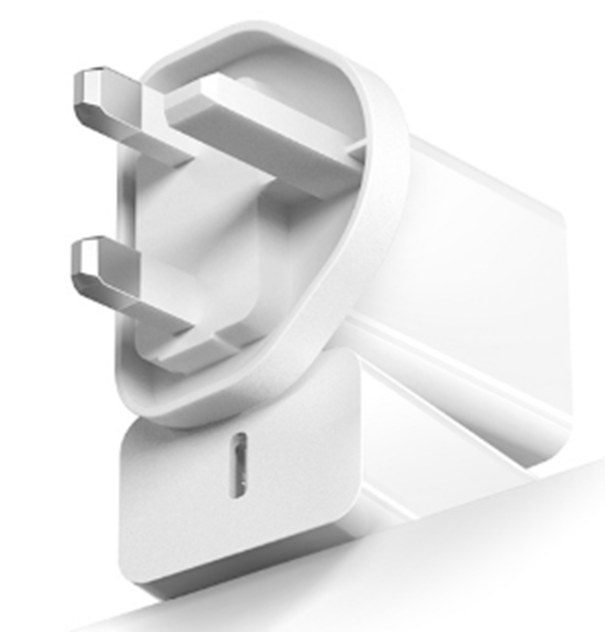
- Adaptateur secteur prise UK
Color temperature plays a crucial role in lighting design as it can significantly impact the look and feel of a space. It is important to consider the desired lighting effect when selecting light bulbs or fixtures, ensuring that the color temperature aligns with the intended ambiance.
Laissez-vous inspirer par les gammes de capteurs de mouvement Rayzeek.
Vous ne trouvez pas ce que vous cherchez ? Ne vous inquiétez pas. Il existe toujours d'autres solutions pour résoudre vos problèmes. L'une de nos gammes de produits pourra peut-être vous aider.
Frequently Asked Questions
What Is the Most Harmful Light for Eyes
High energy short wave blue light with wavelengths between 415 and 455 nm is considered the most damaging to the eyes. This type of light can directly penetrate the retina and cause irreversible photochemical retinal damage.
Is 5000K Better for Your Eyes
The optimal solution for eyes that promotes comfortable work is the natural light range of 4,900 to 6,500 K. This lighting range allows for a more relaxed reading experience and better rest afterwards.
Is 5000K Too White
5000K is considered as “natural white” on the color temperature scale. According to the graph, this shade of white has a subtle hint of yellow. Those who opt for 5000K are typically seeking a more gentle and less glaring white light that appears more natural to the eye.
How Do I Choose the Temperature of My LED Light
Deciding on the appropriate LED color temperature involves considering several factors. It is crucial to consider the existing natural lighting in the area, the purpose of the space, and the desired atmosphere or mood that you wish to achieve with the lighting.
How Do I Know if My LED Is Warm or Cool
The cool lighting is indicated by the white color, while the warm lighting is distinguished by a gentler yellow tint. The Correlated Color Temperature (CCT) is utilized to describe the color of the light produced by various lighting fixtures.
Can You Use 4000K in a Living Room
4000K is an ideal temperature with a balanced color spectrum that is neither too warm nor too cool. This versatile lighting option is suitable for various residential areas such as kitchens, living rooms, and bathrooms, as well as commercial spaces.
What Color Light Is Best for Living Room
For living room lights, it is recommended to use warm white light with a color temperature between 2,700 and 3,300 Kelvin. This type of light is considered to be especially pleasant in the lounge.
What Is the Best Lighting for Color Accuracy
Higher color temperature lamps in the range of 5000K to 5500K are the most suitable for achieving color accuracy. These lamps closely mimic the color temperature of summer sunlight, resulting in a more precise representation of colors and allowing for better color matching under natural outdoor lighting conditions.
Is 3000K or 4000K Better for Bedroom
4000K LED lights are typically chosen for areas that require a cooler and brighter color temperature, like offices or kitchens. However, for a bedroom, it is more appropriate to opt for a warmer color temperature such as 2700K or 3000K.







