

What is Color Temperature
Color temperature, also referred to as Correlated Color Temperature (CCT), is a measurement used to describe the perceived color appearance of light emitted by a light source. It is measured in degrees of Kelvin (K) and indicates whether the light appears warm (yellowish) or cool (bluish) to the human eye. Color temperature is based on the principle of blackbody radiation, where the temperature of a theoretical “blackbody” determines the color of the light it emits. The Kelvin scale is used to quantify the color appearance of light, with lower values indicating warmer colors and higher values indicating cooler colors.
Light sources with lower color temperatures, typically ranging from 2200K to 3000K, emit warm light that appears more yellow, orange, or red. This warm light is often associated with a cozy and inviting ambiance, similar to the glow of a fire or the dim lighting in a high-end restaurant. Light sources with higher color temperatures, typically above 4000K, emit cool light that appears more blue. This cool light is often associated with a crisp and energetic atmosphere, like the bright white or blue light found in school hallways or hospitals.
Quizás le interese

- Sensor de presencia PIR para montaje en techo con salida de relé de contacto seco
- Alimentación de bajo voltaje de 12/24VDC o 12/24VAC
- Contactos de relé aislados COM, NO y NC para entradas de EMS, HVAC y control de edificios

- Interruptor sensor de movimiento por microondas empotrable en techo de bajo voltaje DC
- Entrada de 12 VDC / 24 VDC con rango de 10-30 VDC
- Corriente de funcionamiento máxima de 10A con retardo de tiempo, umbral de Lux y sensibilidad ajustables
- Interruptor sensor de movimiento por microondas empotrable en techo para cargas más altas
- Entrada de voltaje de línea de 100-265 VAC, modelo de 10A
- Detección por microondas de 5.8 GHz con retardo de tiempo, umbral de Lux y sensibilidad ajustables
- Interruptor sensor de movimiento por microondas empotrable en techo
- Entrada de voltaje de línea de 100-265 VAC, modelo de 5A
- Detección por microondas de 5.8 GHz con retardo de tiempo, umbral de Lux y sensibilidad ajustables
- Dimmer sensor de presencia PIR RZ037 para montaje en techo para alimentación de 220V
- Corriente de funcionamiento máxima de 3A con carga nominal de 660W
- El botón LUX controla el encendido/apagado del sensor de luz y el brillo de regulación establecido por el usuario
- Dimmer sensor de presencia PIR RZ037 para montaje en techo para alimentación de 110V
- Corriente de funcionamiento máxima de 3A con carga nominal de 330W
- El botón LUX controla el encendido/apagado del sensor de luz y el brillo de regulación establecido por el usuario

- Interruptor de sensor de movimiento por microondas de techo de CC de bajo voltaje
- Entrada de 12 VDC / 24 VDC con rango de 10-30 VDC
- Corriente de funcionamiento máxima de 10A con retardo de tiempo, umbral de Lux y sensibilidad ajustables
- Interruptor de sensor de movimiento por microondas de techo para cargas más altas
- Entrada de voltaje de línea de 100-265 VAC, modelo de 10A
- Detección por microondas de 5.8 GHz con retardo de tiempo, umbral de Lux y sensibilidad ajustables
- Interruptor de sensor de movimiento por microondas de techo
- Entrada de voltaje de línea de 100-265 VAC, modelo de 5A
- Detección por microondas de 5.8 GHz con retardo de tiempo, umbral de Lux y sensibilidad ajustables

- Interruptor de sensor de movimiento PIR de techo empotrado de CC de bajo voltaje
- Entrada de 12 VDC / 24 VDC con rango de 10-30 VDC
- Corriente de trabajo máxima de 10A con retardo de tiempo, umbral de Lux y sensibilidad ajustables

- Interruptor de sensor de movimiento PIR de techo empotrado para cargas más altas
- Entrada de voltaje de línea de 100-265 VAC, modelo de 10A
- Detección de 360 grados con retardo de tiempo, umbral de Lux y sensibilidad ajustables
- Interruptor de sensor de movimiento PIR de techo empotrado
- Entrada de voltaje de línea de 100-265 VAC, modelo de 5A
- Detección de 360 grados con retardo de tiempo, umbral de Lux y sensibilidad ajustables

- Kit de receptor e interruptor inalámbrico para control de iluminación de encendido/apagado en interiores
- Receptor de 100-230VAC, 50/60Hz con corriente nominal de 5A
- Interruptor inalámbrico alimentado por CR2032 con comunicación de 2.4GHz
- Presencia (Encendido automático/Apagado automático)
- 12–24V DC (10–30VDC), hasta 10A
- Cobertura de 360°, 8–12 m de diámetro
- Retardo de tiempo de 15 s–30 min
- Sensor de luz Apagado/15/25/35 Lux
- Sensibilidad Alta/Baja
- Modo de presencia de encendido automático/apagado automático
- 100–265V AC, 10A (requiere neutro)
- Cobertura de 360°; diámetro de detección de 8–12 m
- Retardo de tiempo de 15 s–30 min; Lux APAGADO/15/25/35; Sensibilidad Alta/Baja
- Modo de presencia de encendido automático/apagado automático
- 100–265V CA, 5A (se requiere neutro)
- Cobertura de 360°; diámetro de detección de 8–12 m
- Retardo de tiempo de 15 s–30 min; Lux APAGADO/15/25/35; Sensibilidad Alta/Baja
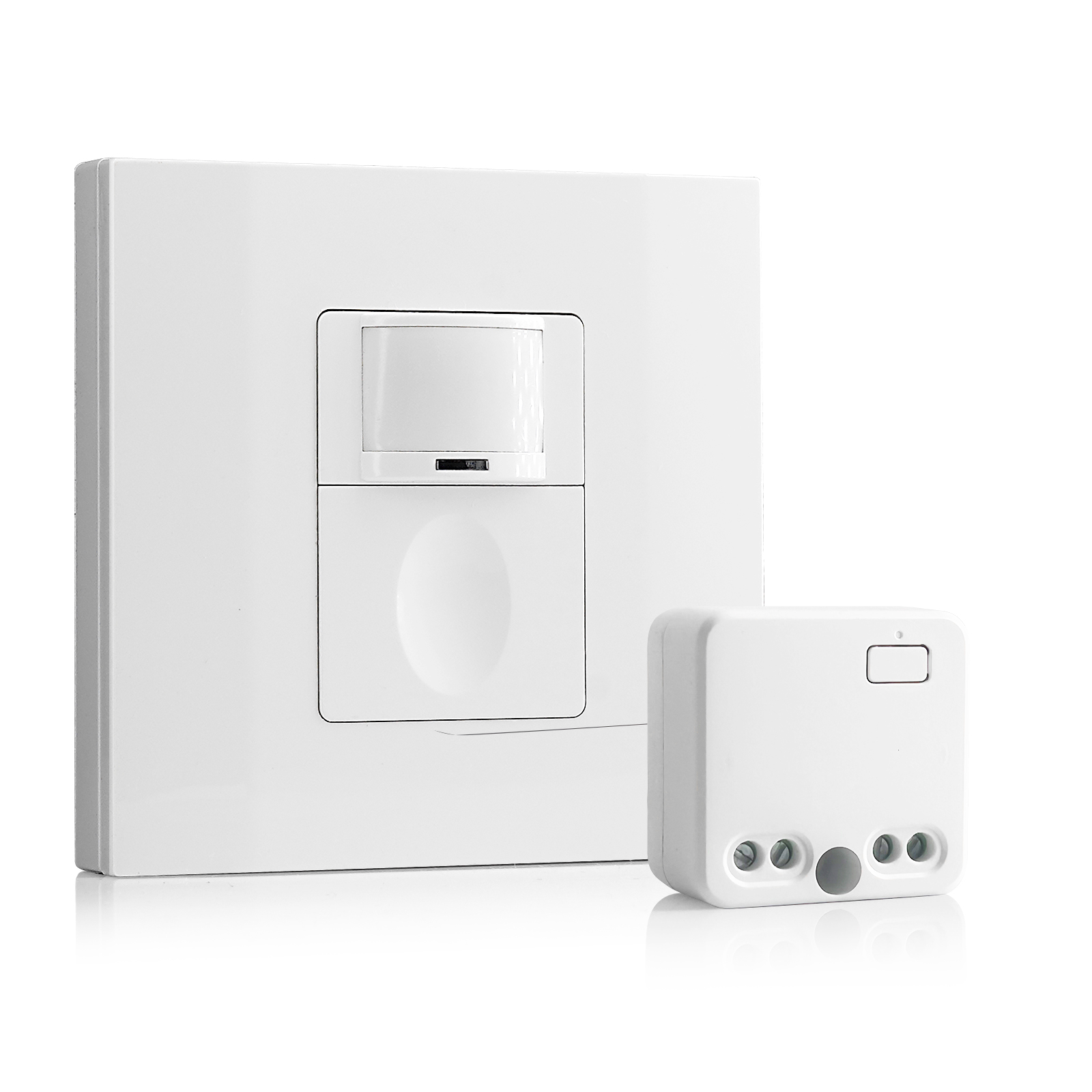
- 100V-230V CA
- Distancia de transmisión: hasta 20 m
- Sensor de movimiento inalámbrico
- Control cableado
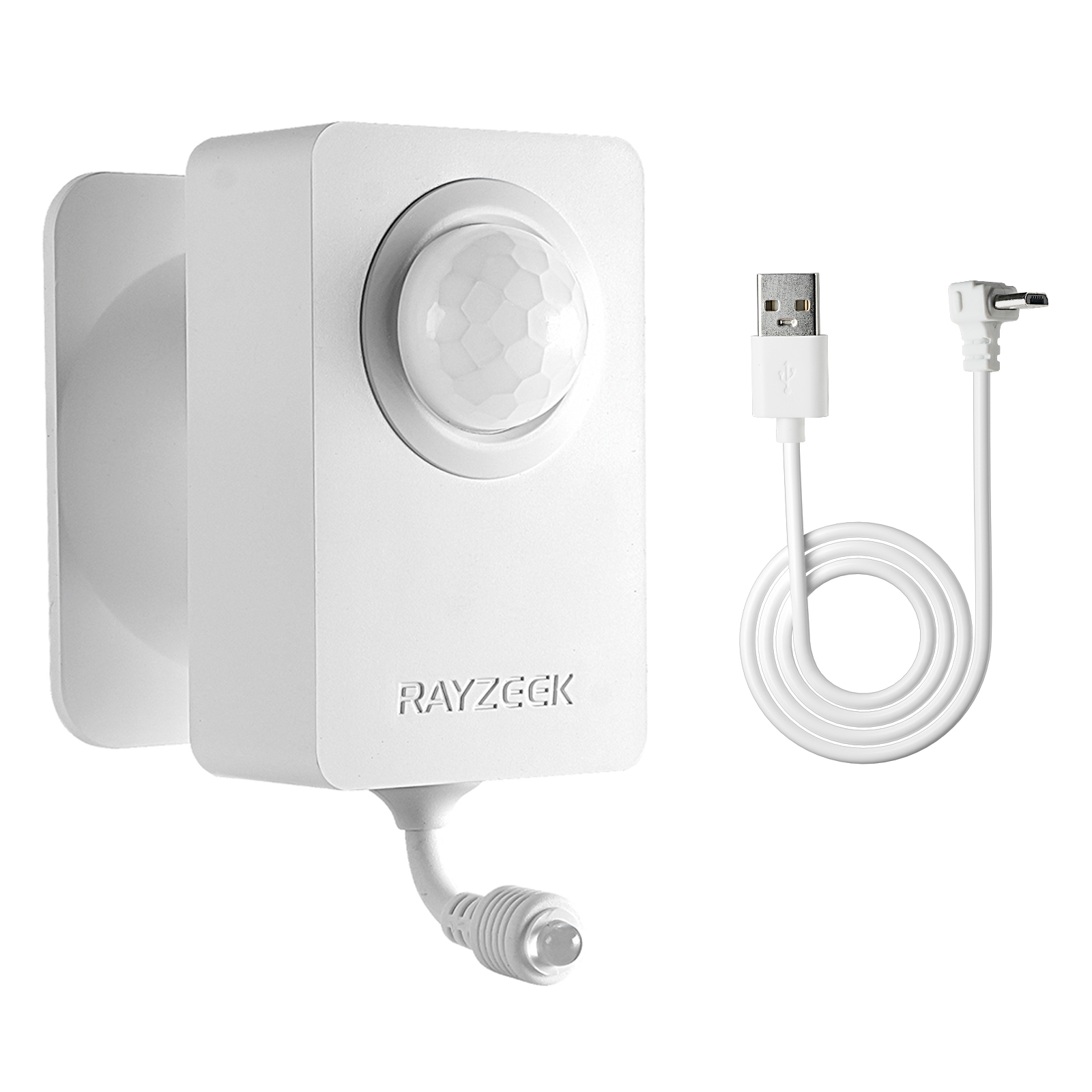
- Voltaje: 2 baterías AAA / 5V CC (Micro USB)
- Modo día/noche
- Tiempo de retardo: 15 min, 30 min, 1 h (por defecto), 2 h
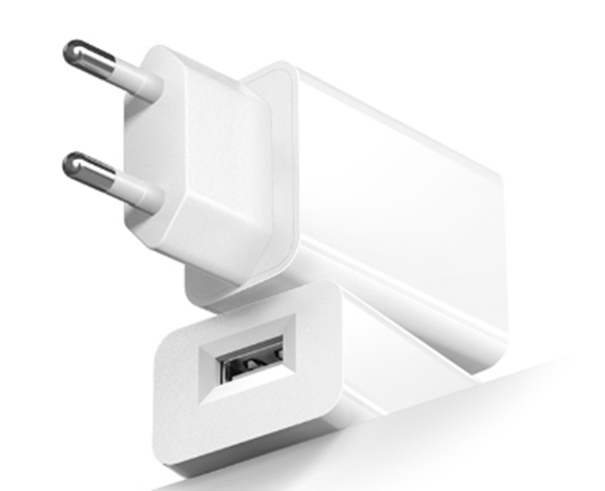
- Adaptador de corriente con enchufe de la UE
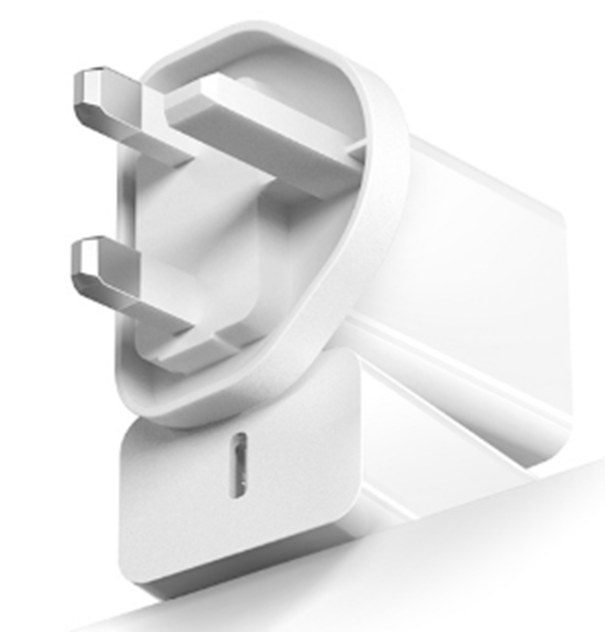
- Adaptador de corriente con enchufe del Reino Unido
Color temperature plays a crucial role in lighting design as it can significantly impact the look and feel of a space. It is important to consider the desired lighting effect when selecting light bulbs or fixtures, ensuring that the color temperature aligns with the intended ambiance.
Inspírese con los catálogos de sensores de movimiento de Rayzeek.
¿No encuentra lo que busca? No se preocupe. Siempre hay formas alternativas de resolver sus problemas. Quizás uno de nuestros catálogos pueda ayudarle.
Frequently Asked Questions
What Is the Most Harmful Light for Eyes
High energy short wave blue light with wavelengths between 415 and 455 nm is considered the most damaging to the eyes. This type of light can directly penetrate the retina and cause irreversible photochemical retinal damage.
Is 5000K Better for Your Eyes
The optimal solution for eyes that promotes comfortable work is the natural light range of 4,900 to 6,500 K. This lighting range allows for a more relaxed reading experience and better rest afterwards.
Is 5000K Too White
5000K is considered as “natural white” on the color temperature scale. According to the graph, this shade of white has a subtle hint of yellow. Those who opt for 5000K are typically seeking a more gentle and less glaring white light that appears more natural to the eye.
How Do I Choose the Temperature of My LED Light
Deciding on the appropriate LED color temperature involves considering several factors. It is crucial to consider the existing natural lighting in the area, the purpose of the space, and the desired atmosphere or mood that you wish to achieve with the lighting.
How Do I Know if My LED Is Warm or Cool
The cool lighting is indicated by the white color, while the warm lighting is distinguished by a gentler yellow tint. The Correlated Color Temperature (CCT) is utilized to describe the color of the light produced by various lighting fixtures.
Can You Use 4000K in a Living Room
4000K is an ideal temperature with a balanced color spectrum that is neither too warm nor too cool. This versatile lighting option is suitable for various residential areas such as kitchens, living rooms, and bathrooms, as well as commercial spaces.
What Color Light Is Best for Living Room
For living room lights, it is recommended to use warm white light with a color temperature between 2,700 and 3,300 Kelvin. This type of light is considered to be especially pleasant in the lounge.
What Is the Best Lighting for Color Accuracy
Higher color temperature lamps in the range of 5000K to 5500K are the most suitable for achieving color accuracy. These lamps closely mimic the color temperature of summer sunlight, resulting in a more precise representation of colors and allowing for better color matching under natural outdoor lighting conditions.
Is 3000K or 4000K Better for Bedroom
4000K LED lights are typically chosen for areas that require a cooler and brighter color temperature, like offices or kitchens. However, for a bedroom, it is more appropriate to opt for a warmer color temperature such as 2700K or 3000K.







