

Work & Inspection Light PCBA.
PCB assembly for portable work lights, inspection lamps, area lights and handheld spotlights. Discuss emitter, driver, power and control boards from your design.
Practical Lighting.
Defined Electronics.
We assemble the emitter, driver/control and power boards used in portable work lights, inspection lamps, area lights and handheld spotlights. The service turns your released design into populated boards for integration into the light.
An inspection wand, a hanging work lamp, a portable area light and a focused spotlight can use different board shapes and connections. Bring the actual emitter arrangement, power source and mounting references. We’ll review the assembly and checking requirements around the design you need built.
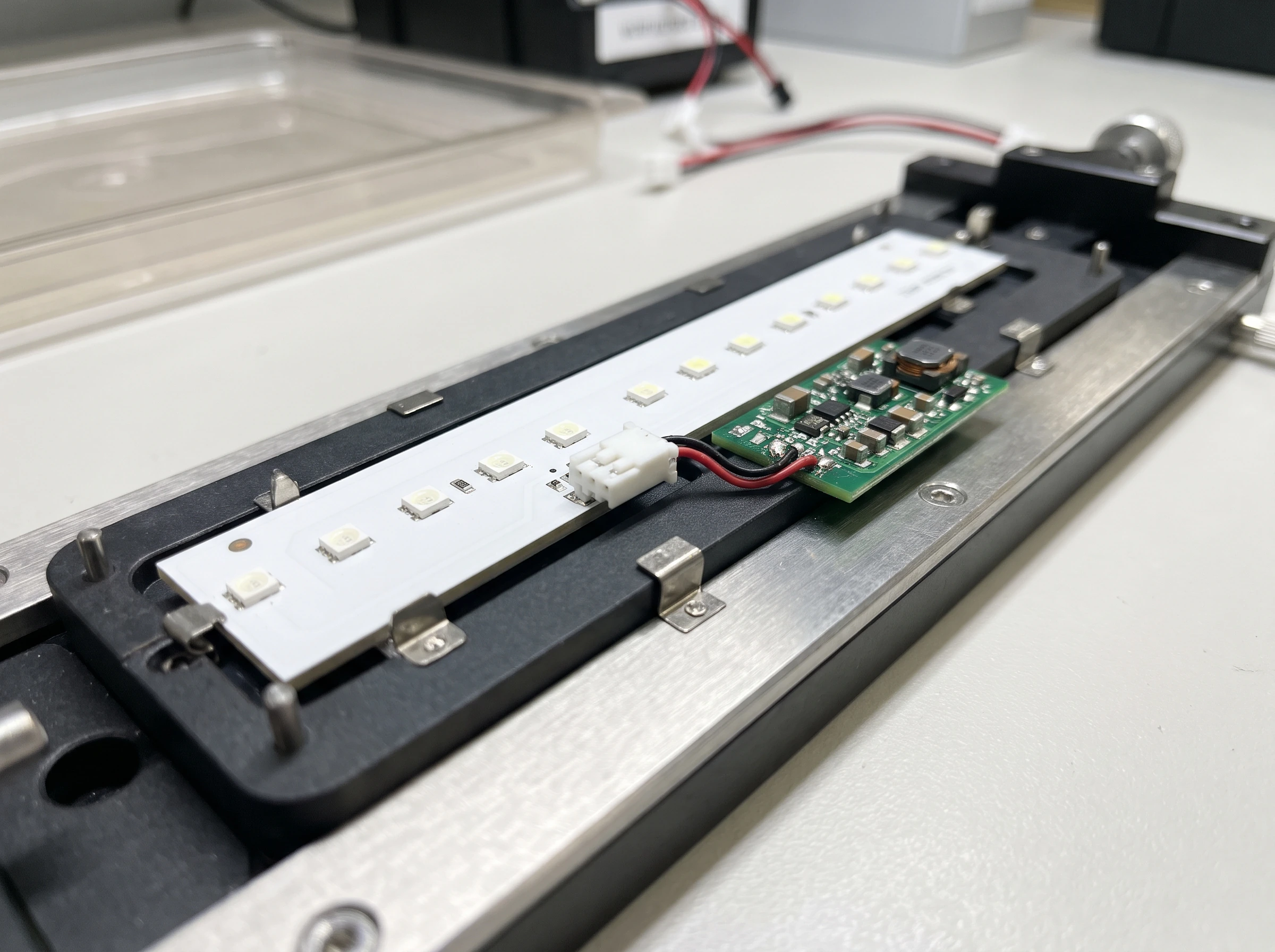
A Build Around Your Design.
Keep the product family, board arrangement and power interface clear. A useful assembly brief identifies the load and the conditions the order needs to check.
01
Inspection & Handheld Work Lights
Inspection & Handheld Work Lights
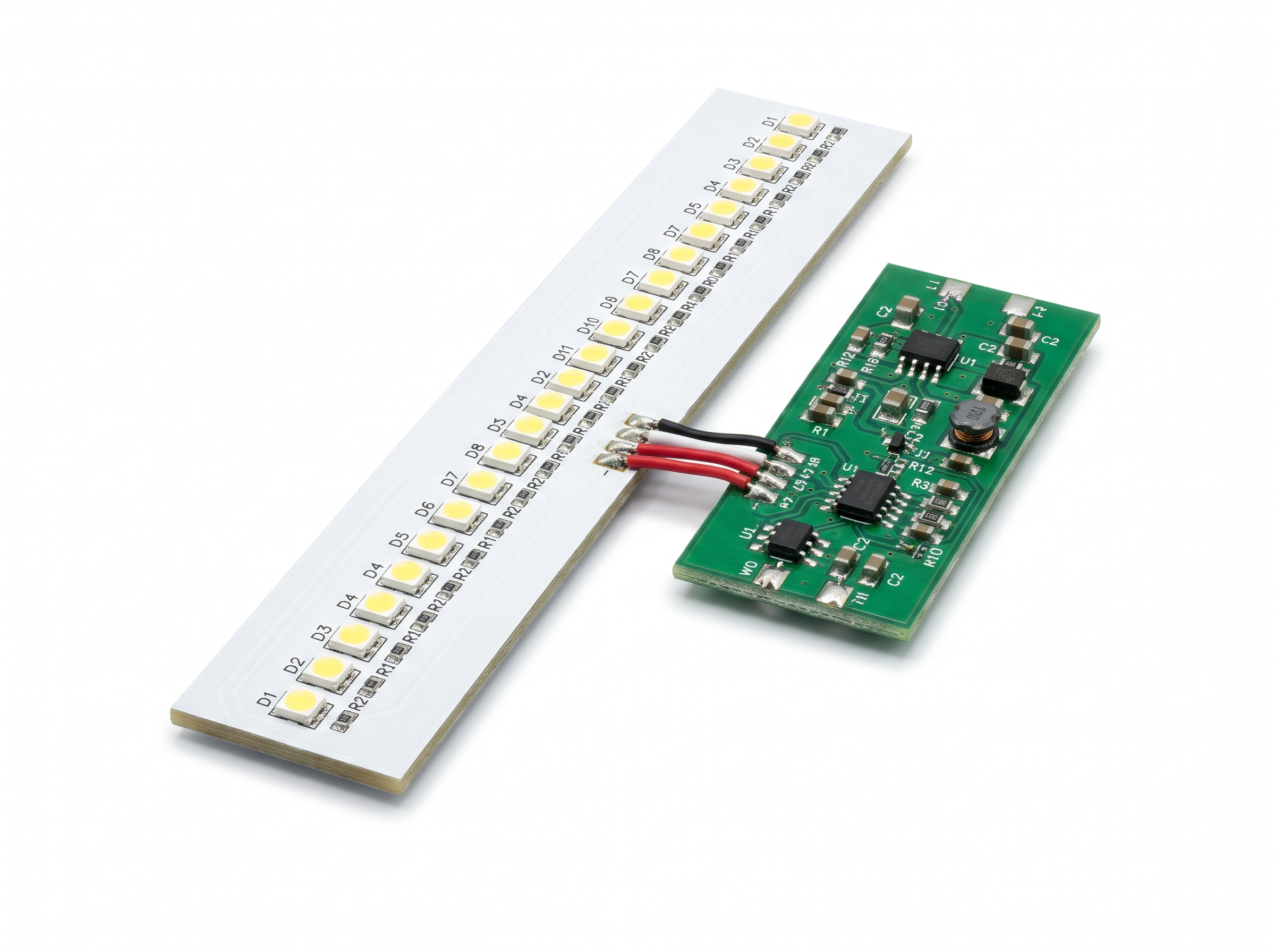
Share narrow or shaped emitter-board outlines, driver placement and switch locations. Identify separate work-light and tip-light channels where the design includes them.
02
Portable Area Lights & Spotlights
Portable Area Lights & Spotlights
Identify panel or concentrated-emitter arrangements and their driver connections. Supply the mounting and heat-sink references that affect board handling and component fitting.
03
Battery & External Power
Battery & External Power
Provide the supply circuit and connectors for internal batteries, external packs or other input arrangements. A tool-battery interface needs its actual pack requirements and protection responsibilities defined for review.
04
Approved Modes & Thermal Logic
Approved Modes & Thermal Logic
Include the firmware and settings for brightness, status indication and temperature response where fitted. Proposed changes need assessment against the existing design and the agreed project scope.
The Details Behind the Assembly.
Your released design defines the components, interfaces and intended behaviour. Our assembly methods and agreed checking scope connect that information with the boards your team receives.
Emitter & Power Component Identity
Specify the LEDs, driver parts and approved alternatives in the BOM. An LED’s published colour or output rating belongs to that part under its stated conditions, rather than to every assembled light.
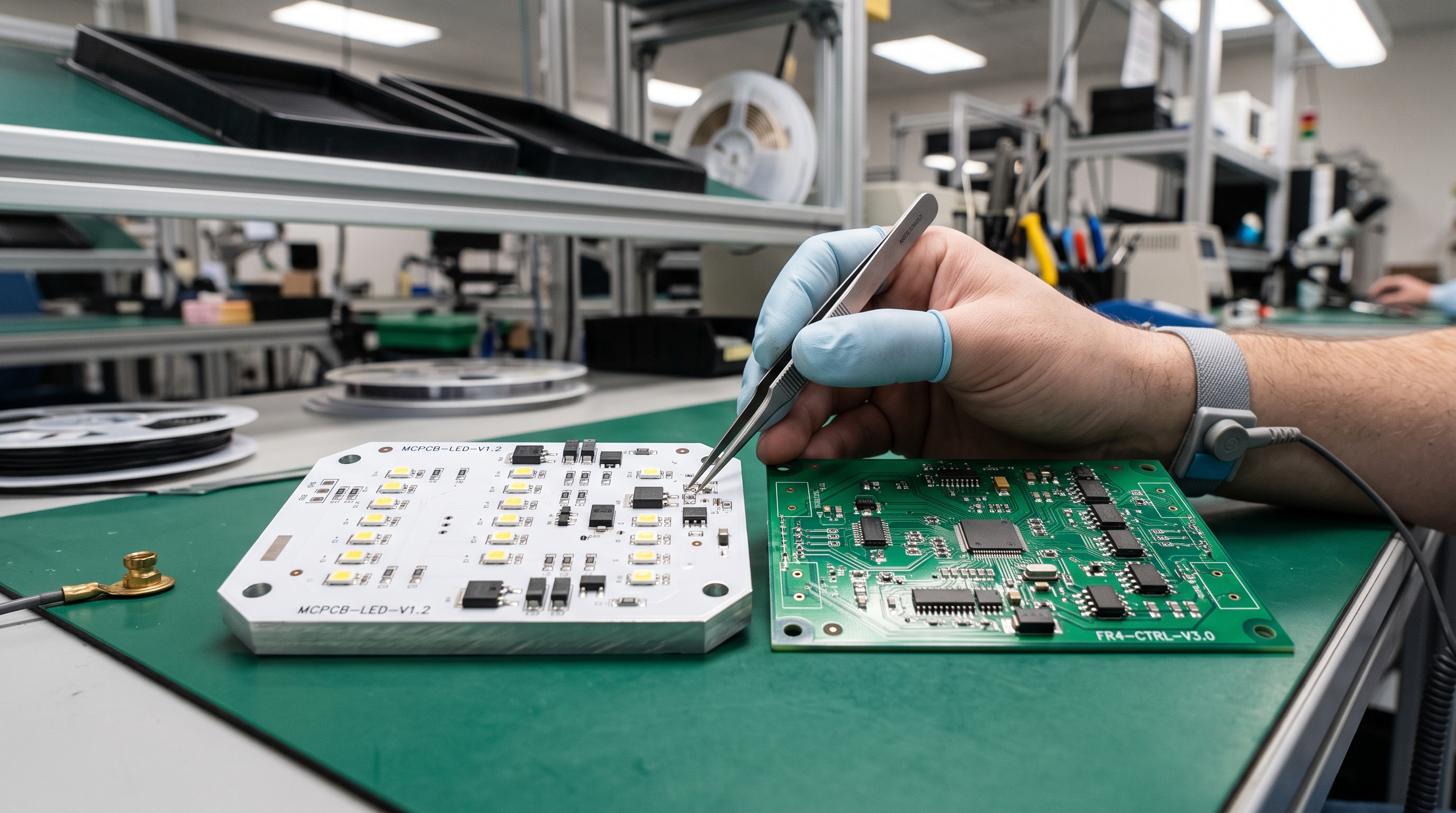
Rigid Board Assembly
Suitable FR-4 and aluminum-core boards with single-sided component mounting fit our general scope. Include board geometry, mounting holes and component-height information for the actual light.
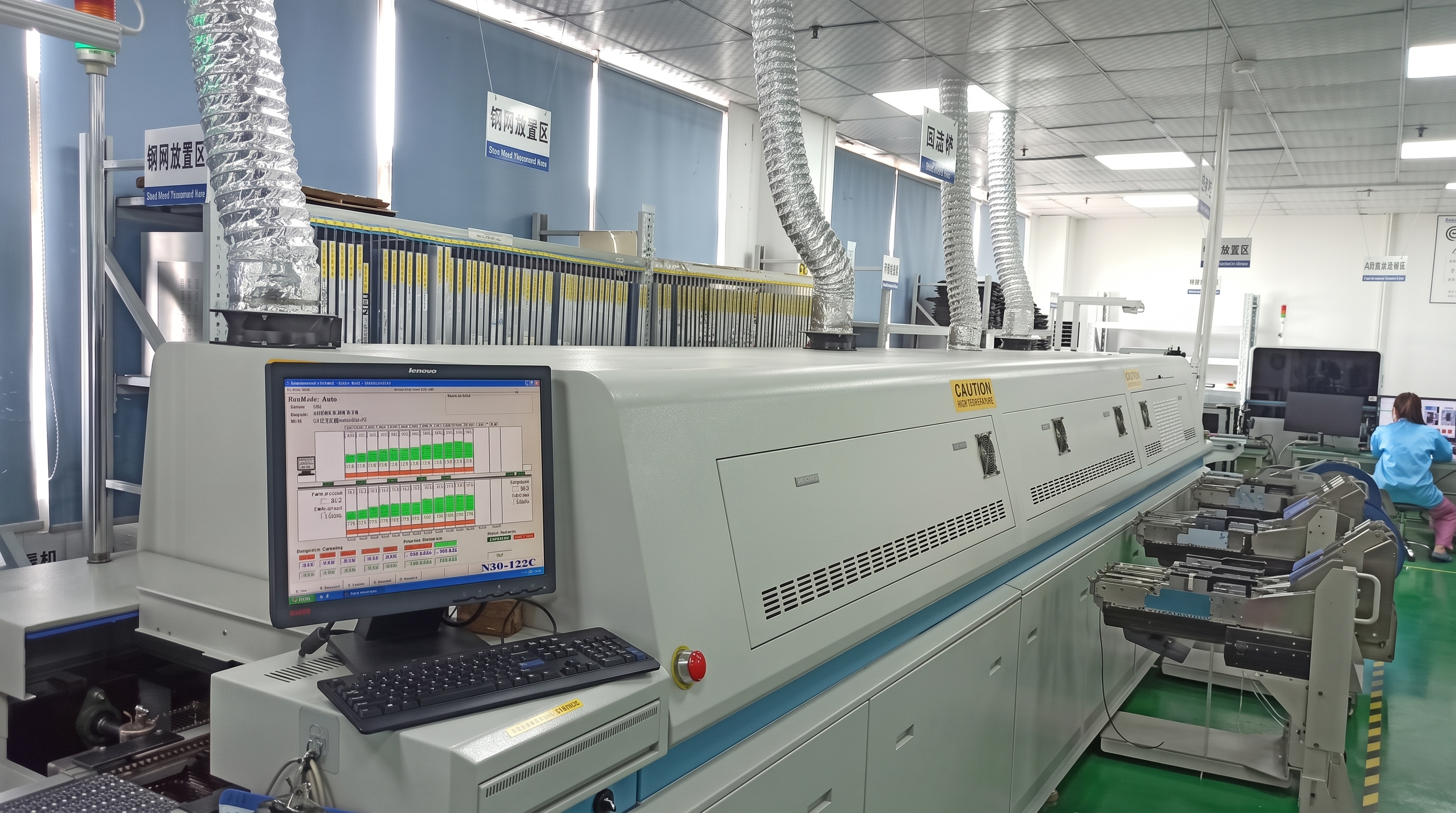
SMT Placement & Reflow
The component and board requirements guide preparation for SMT placement and lead-free reflow. Include orientation and applicable handling instructions for the emitters and power components.
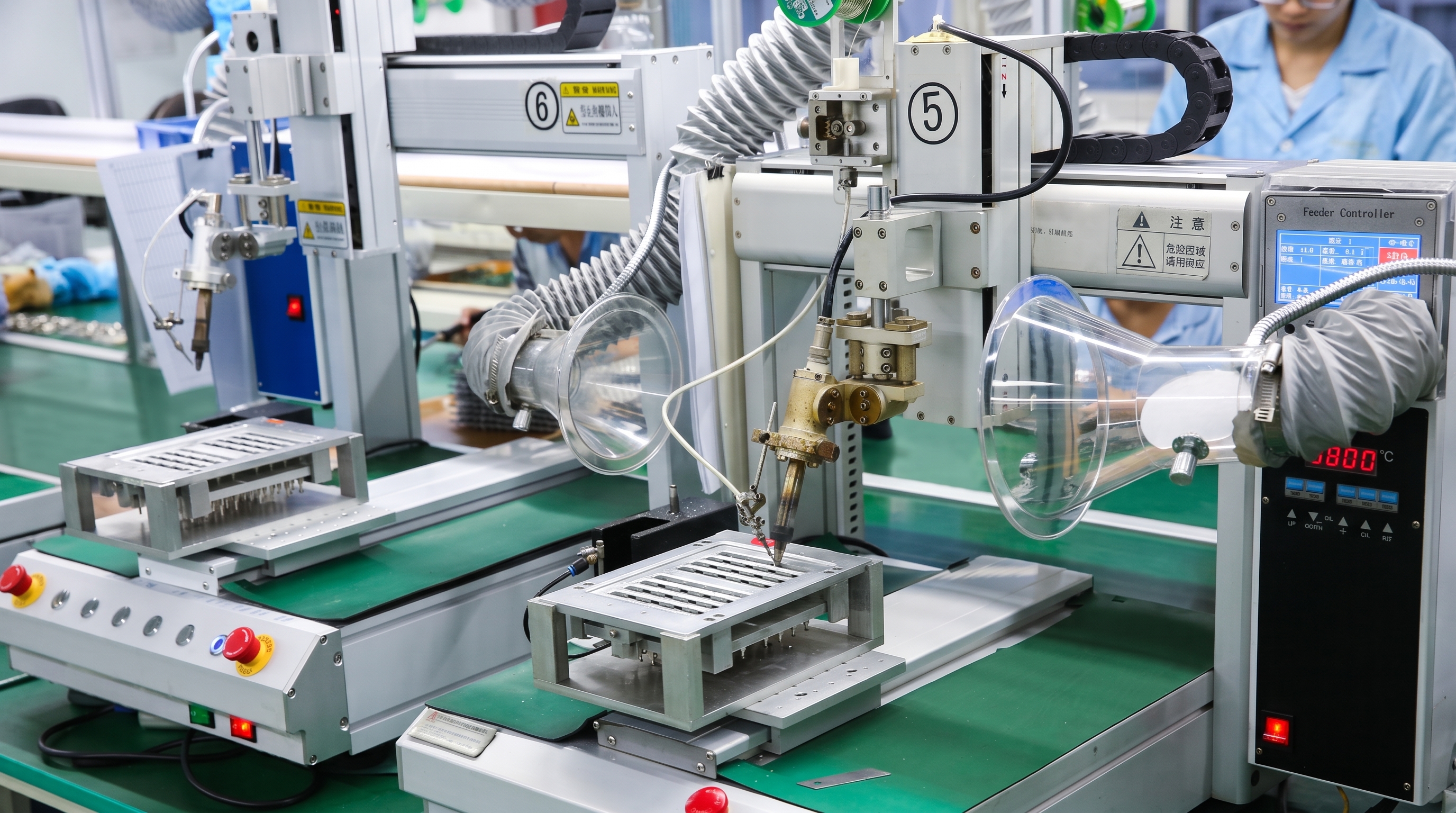
Power Contacts & Mixed Assembly
Leaded switches, connectors and other specified parts can be included alongside SMT circuitry. Define their direction, mounting height and current-path requirements in the released design.
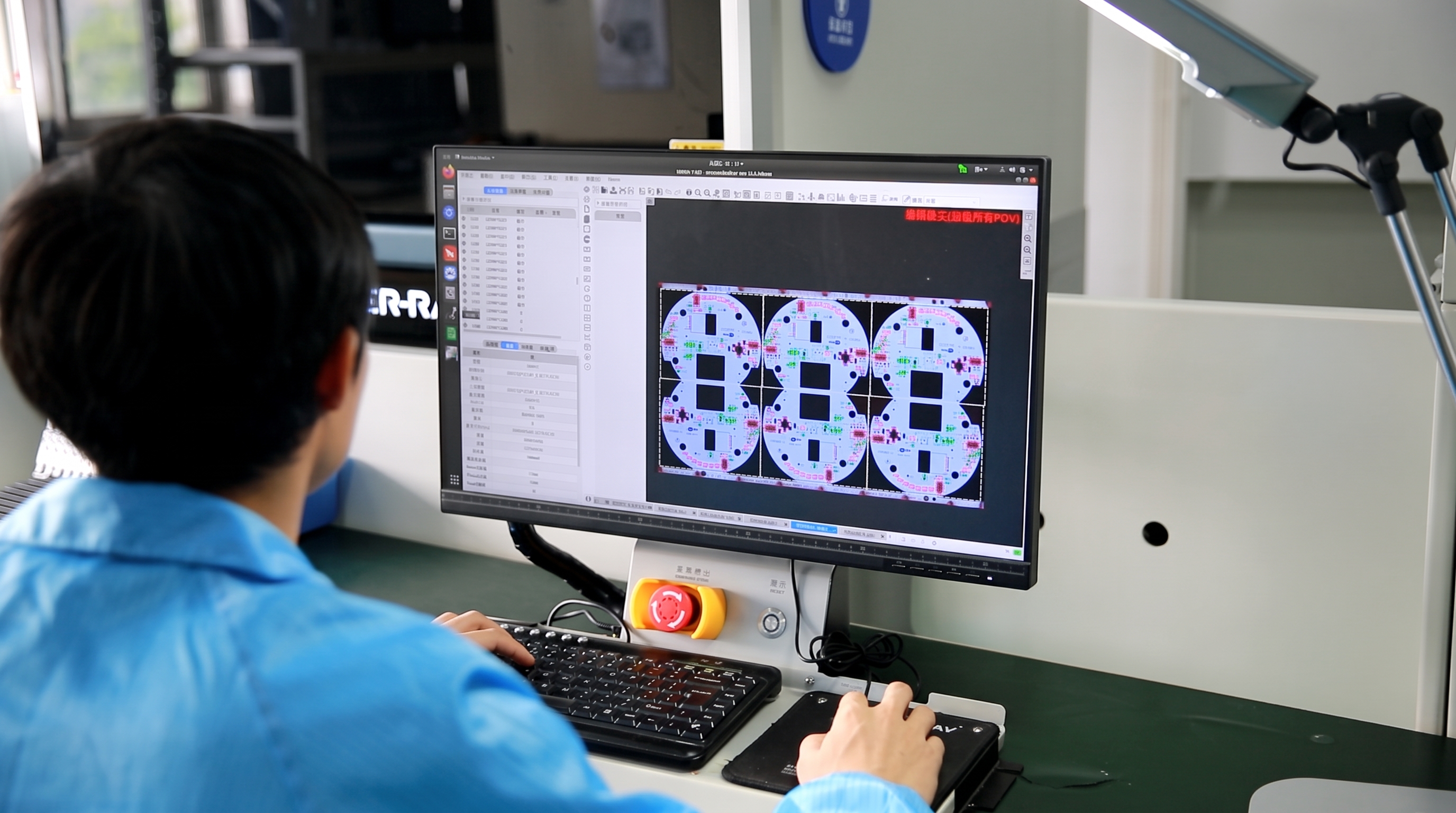
First Article & AOI
Initial review and optical inspection examine applicable physical build features. They address the assembly’s visible workmanship, while the operating checks have their own procedure and acceptance limits.
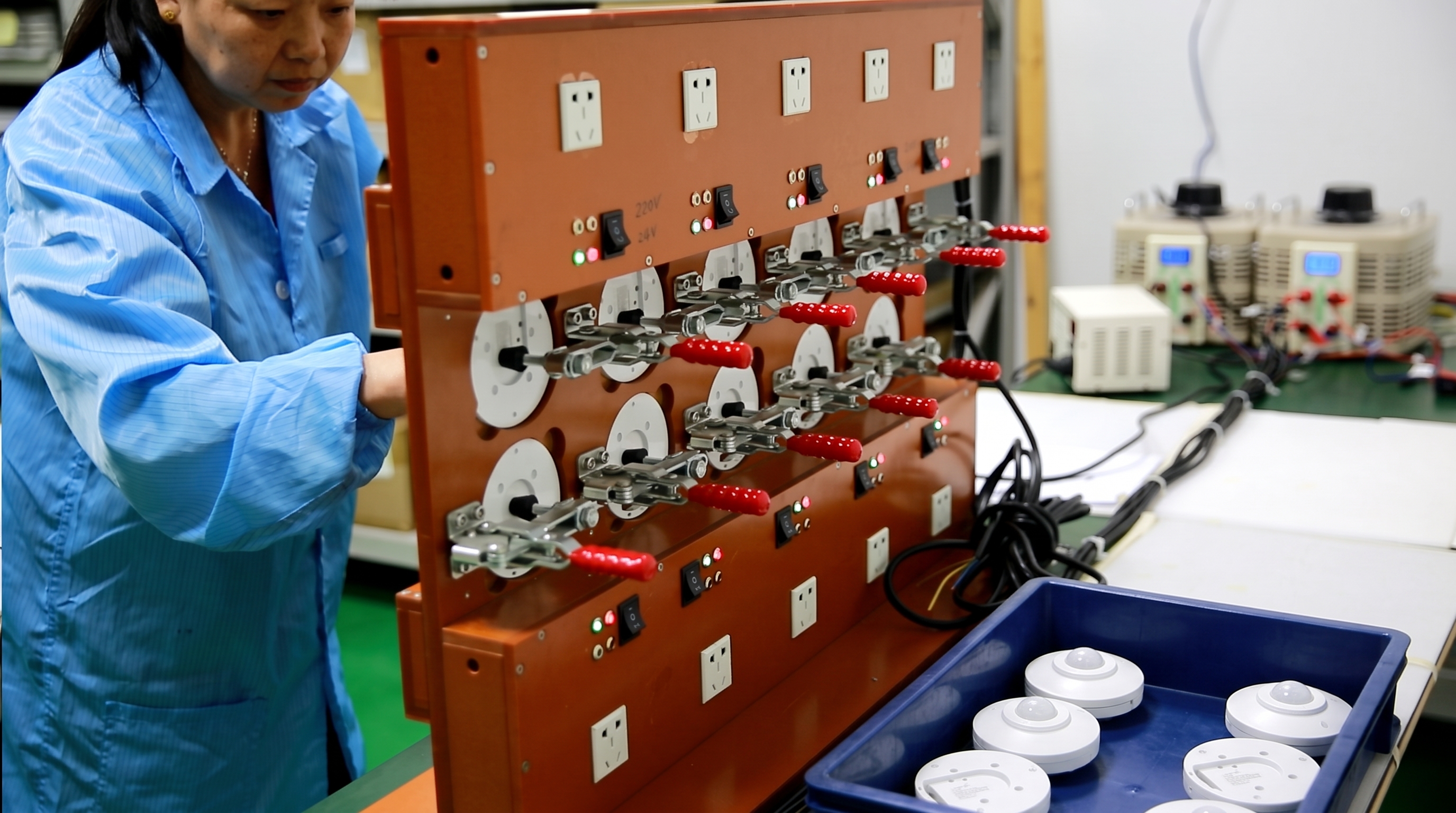
Checks With the Intended Supply
Agree the supply, representative LED load, operating modes and charging checks where needed. Beam intensity, colour rendering, runtime and finished-product thermal behaviour require their own evaluation.
The Assembly Behind Your Boards.
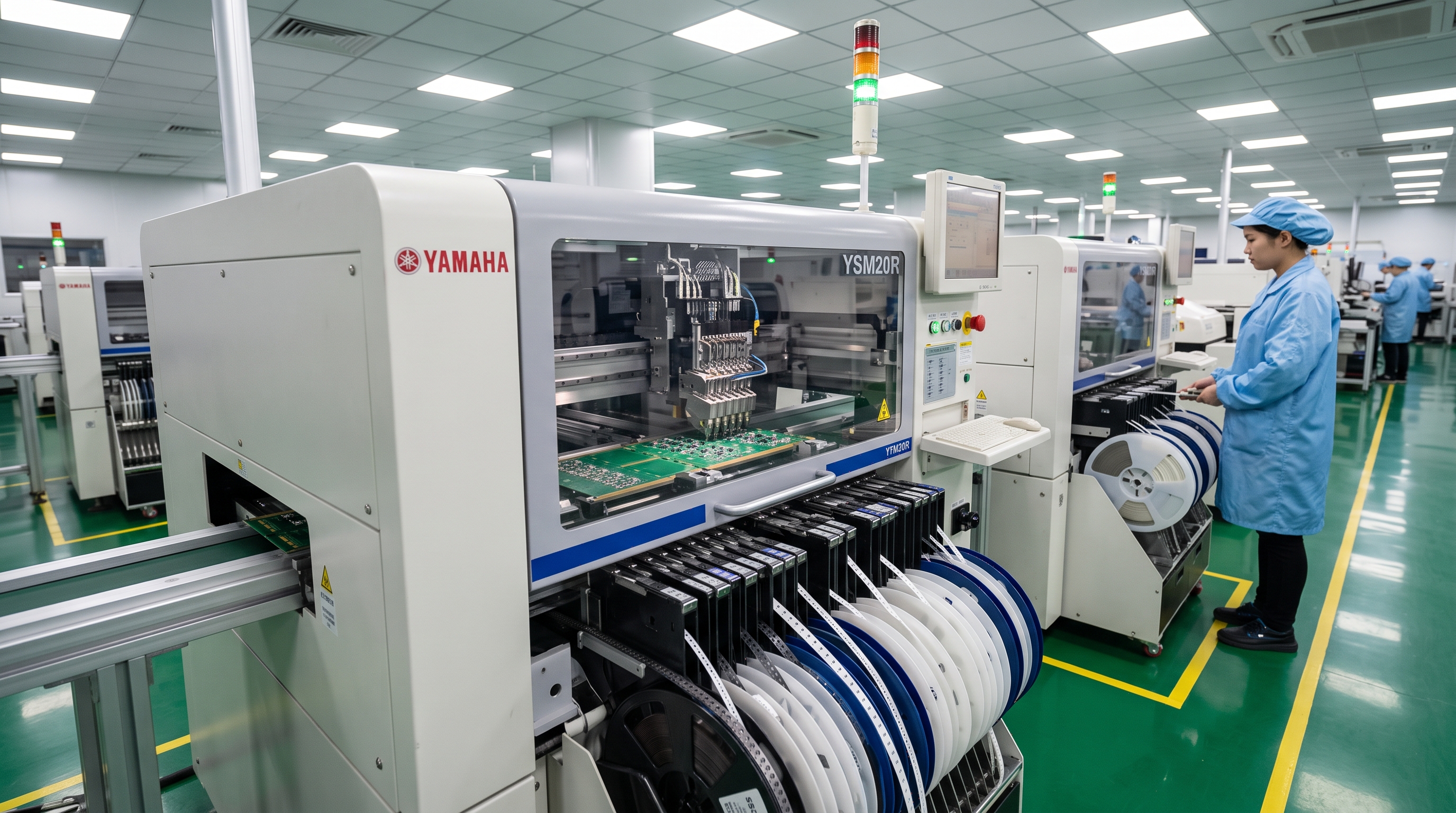
Component placement, soldering and inspection provide the manufacturing context for your order. The images here show general board-assembly work; your project’s operation and acceptance requirements are defined around its actual design.

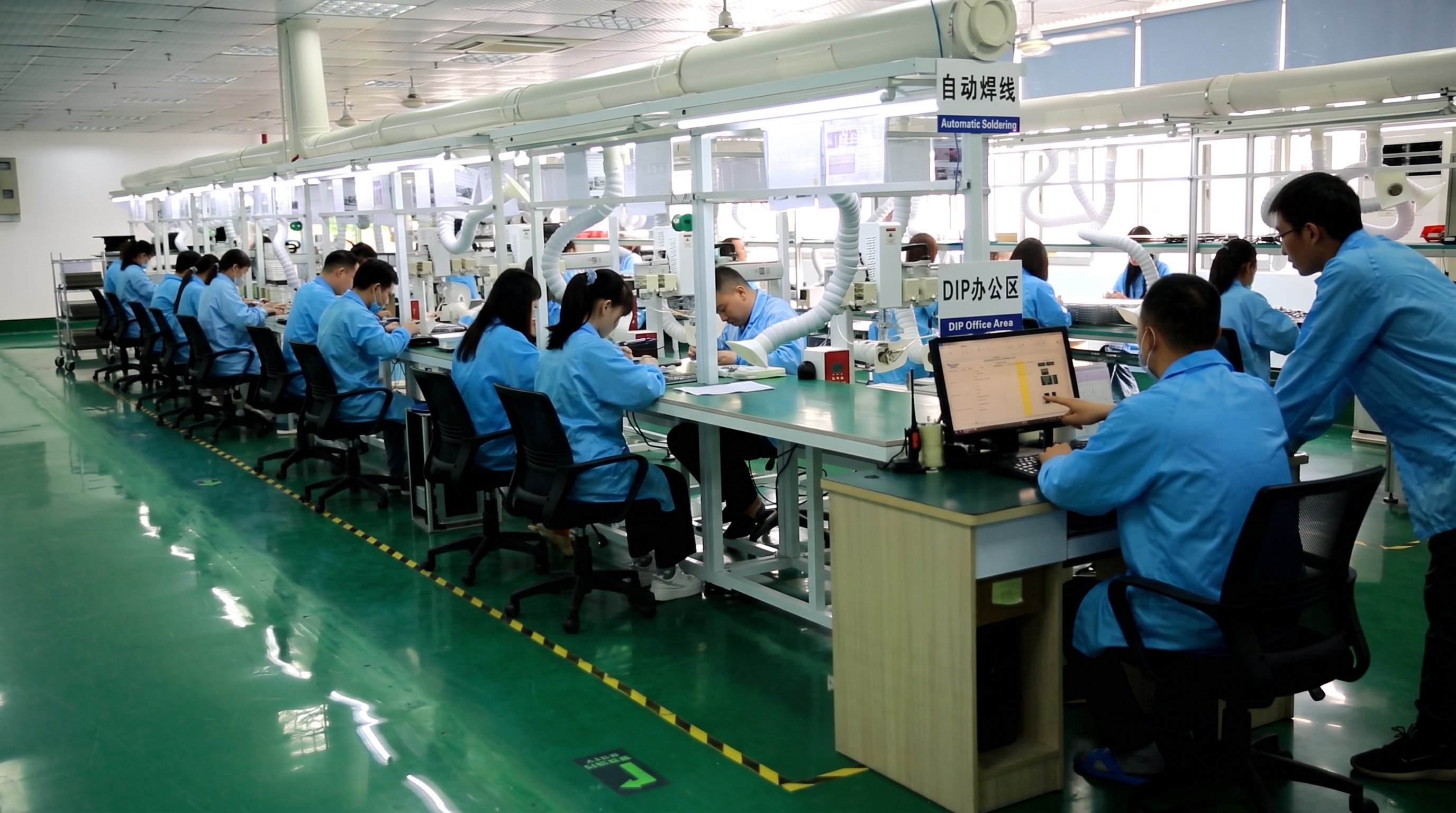
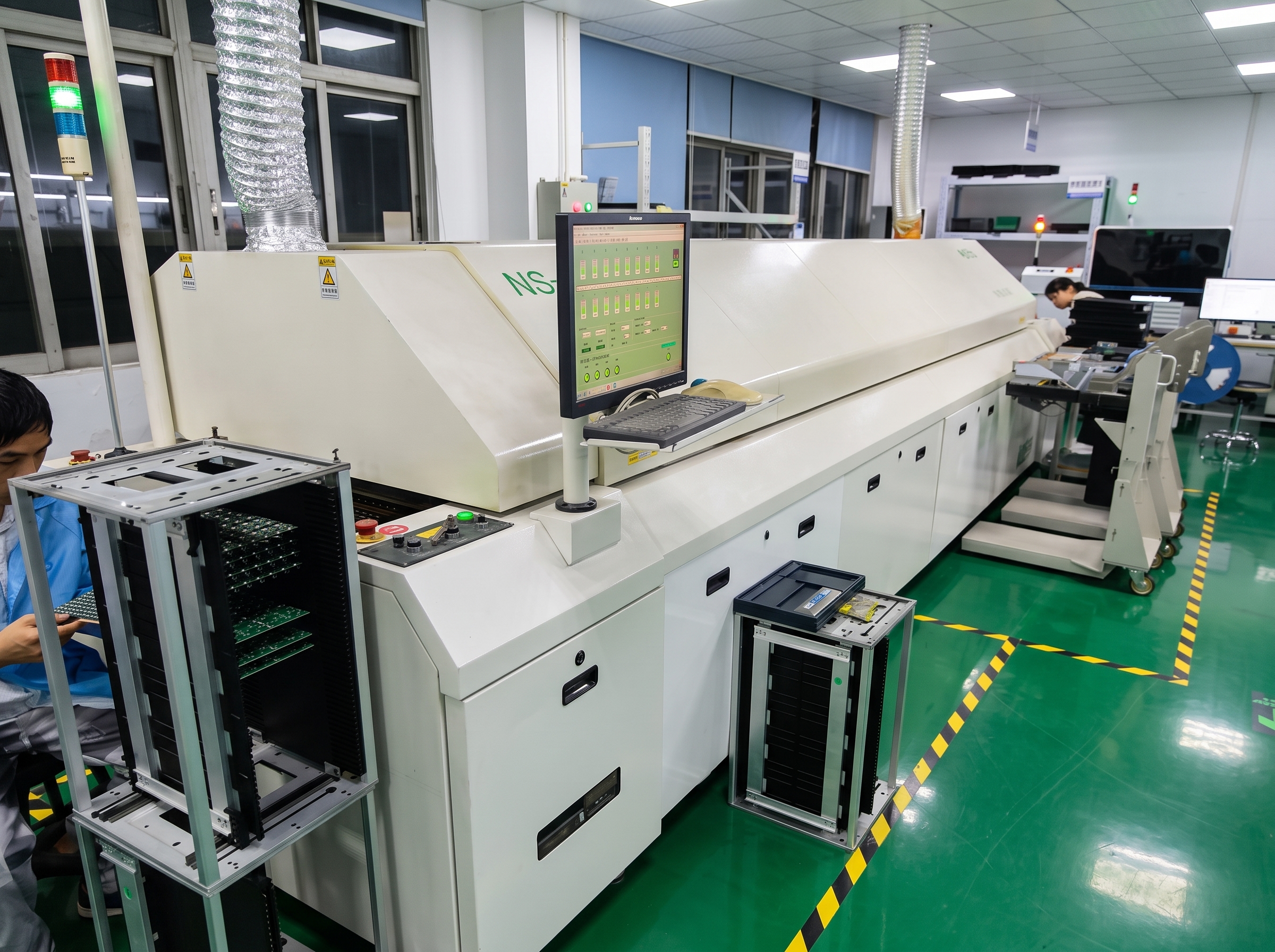
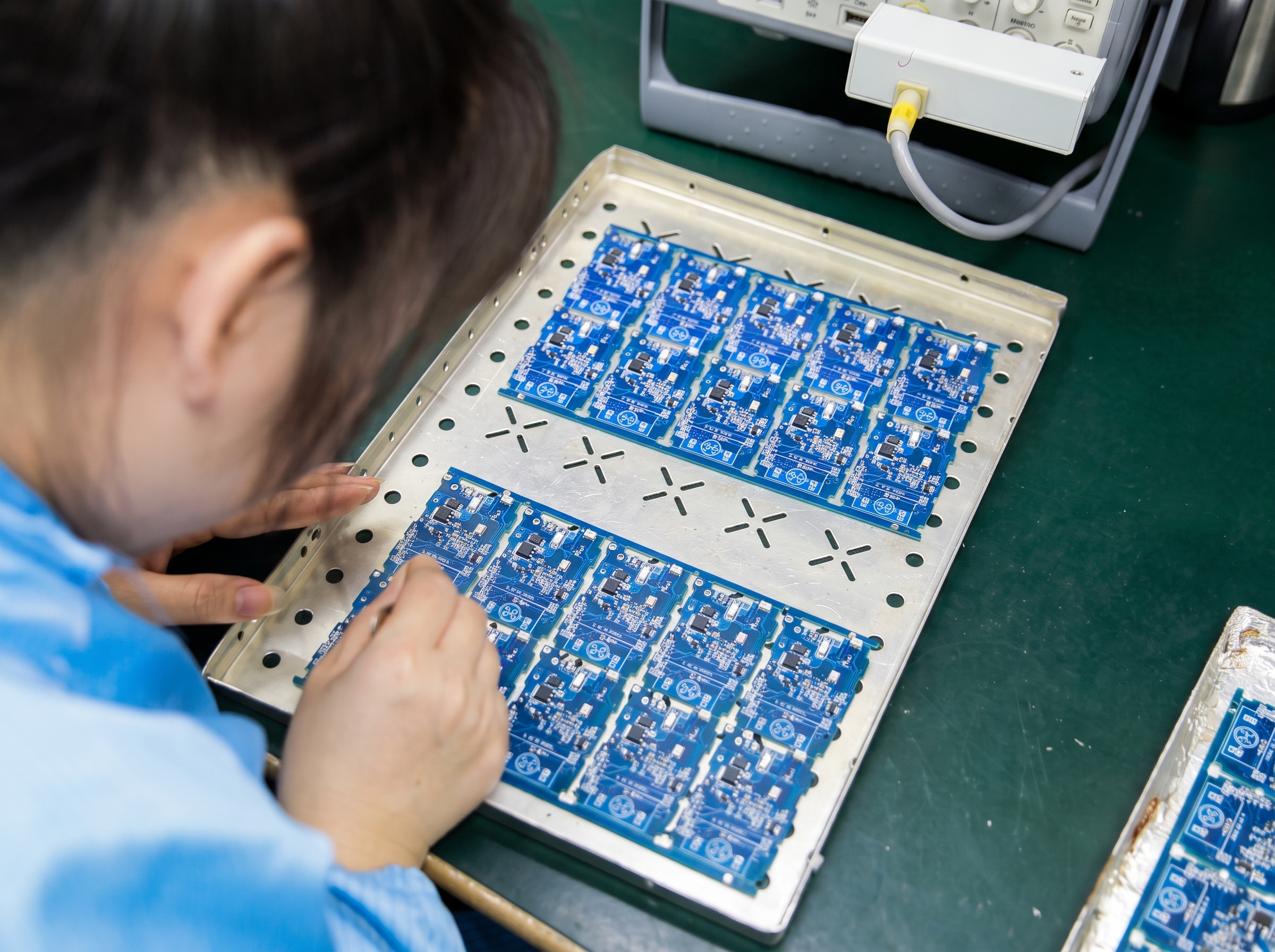
Surface-Mount Assembly Lines
The SMT line brings the specified components to their intended board positions. Part identity, placement information and orientation give the build its production reference.
Through-Hole & Mixed Assembly
Leaded components can complete a board alongside its surface-mount parts. Fitting details and connector direction help preserve the assembly your product needs.
Lead-Free Reflow Soldering
After surface-mount placement, the board proceeds through reflow soldering. Board materials and relevant component requirements belong in preparation for this stage.
First-Article & Inspection Review
First-article review examines the initial assembly against the intended build. Optical inspection and the electrical or functional checks specified for the order address their respective parts of the result.
Work-Light Applications.
Slim inspection lamps, area lights and portable spotlights use different emitter and driver arrangements. We assemble the released boards around your light, power interface and agreed checking brief. Related assembly: LED Driver PCBA · LED Module / Array PCBA · Flashlight & Recreational Headlamp PCBA.
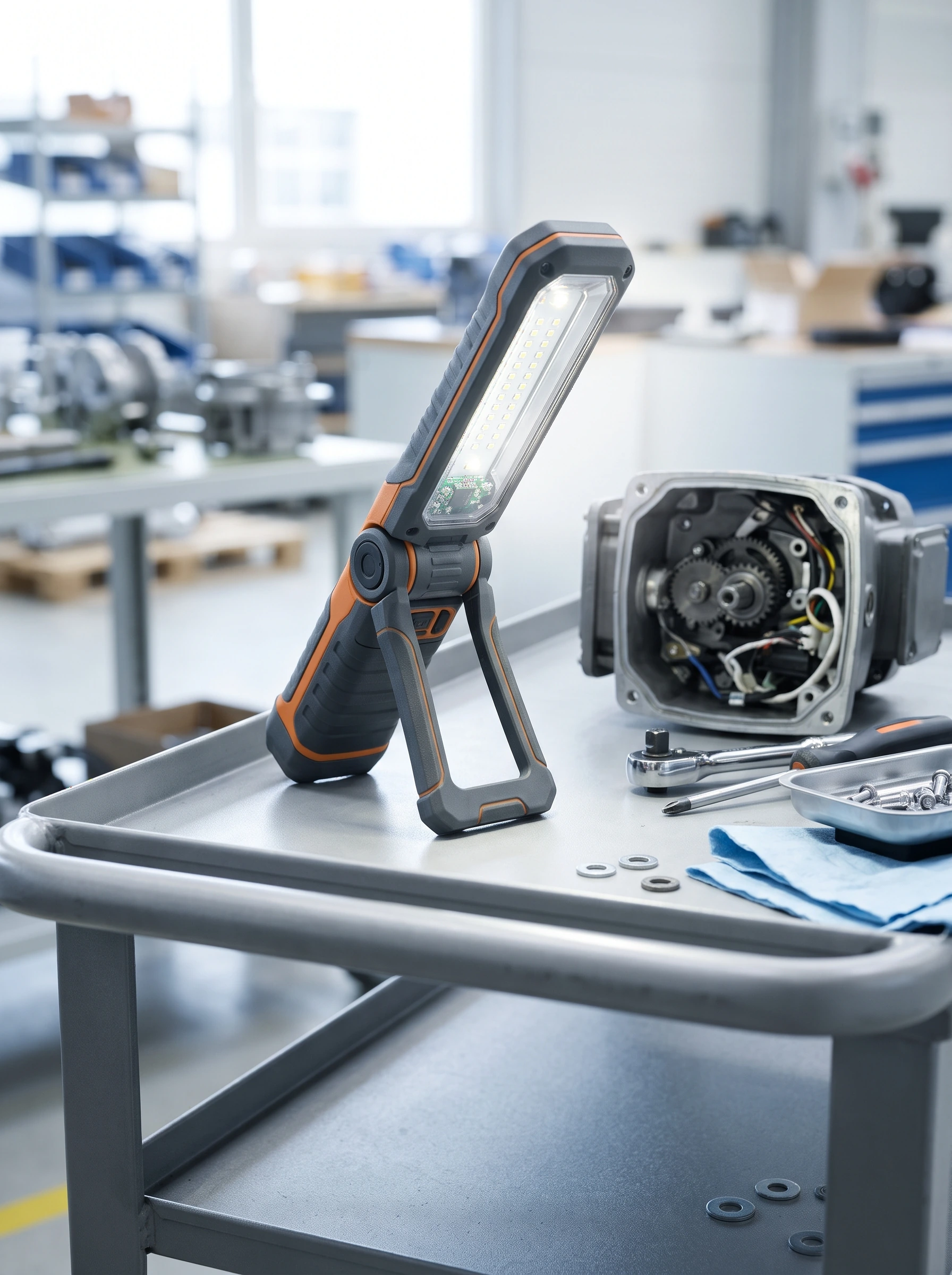
Inspection Lamps
Handheld Formats · Narrow Emitter Boards
Inspection Lamps
Share shaped or narrow emitter outlines, driver placement and switch access. Identify separate work-light or tip-light channels where the design includes them.
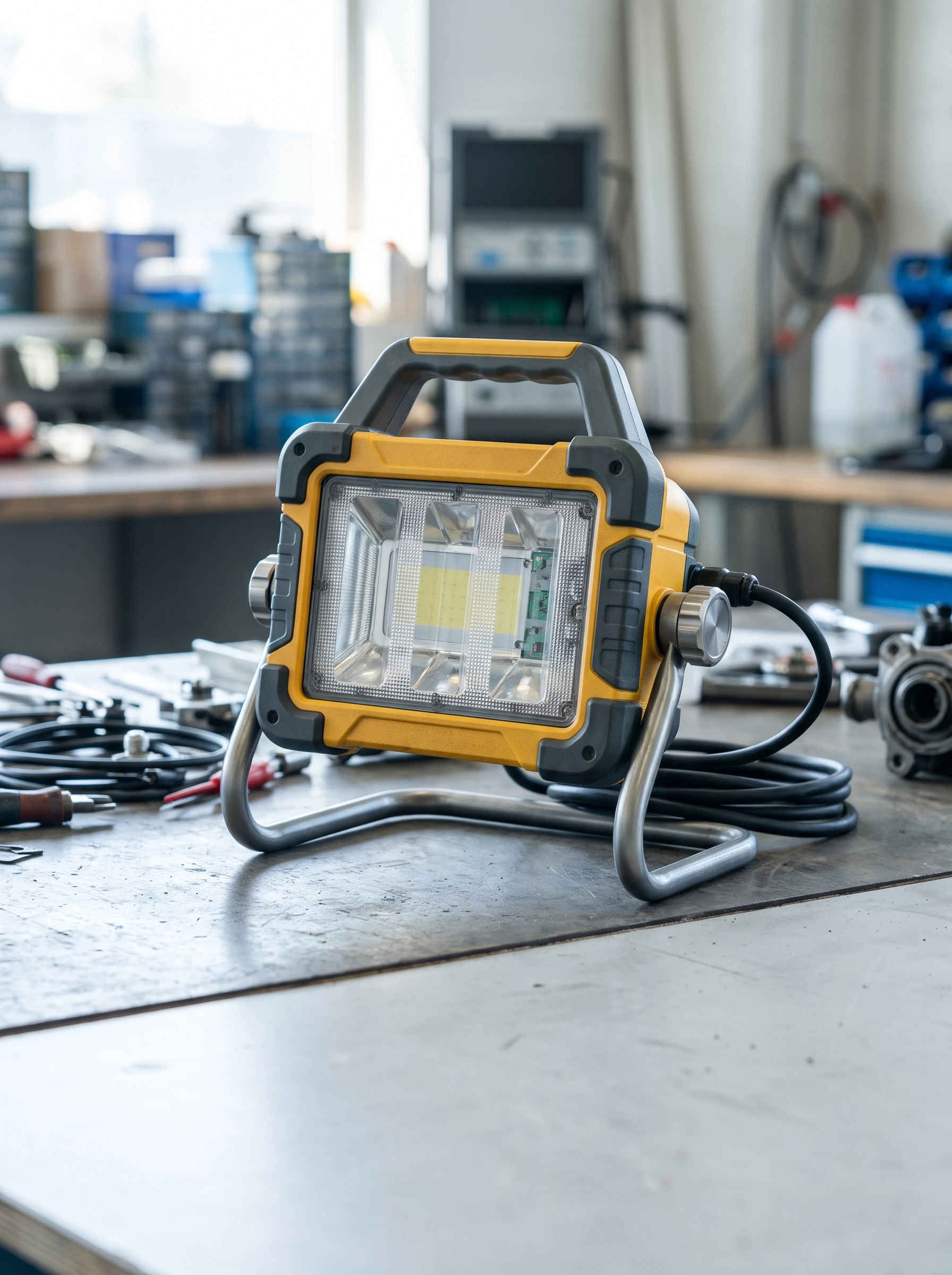
Portable Area Lights
Panel Formats · Emitter & Driver Boards
Portable Area Lights
For area lights, include the emitter-panel layout and driver connections. Mounting and heat-sink references help define handling and component fitting for the board build.
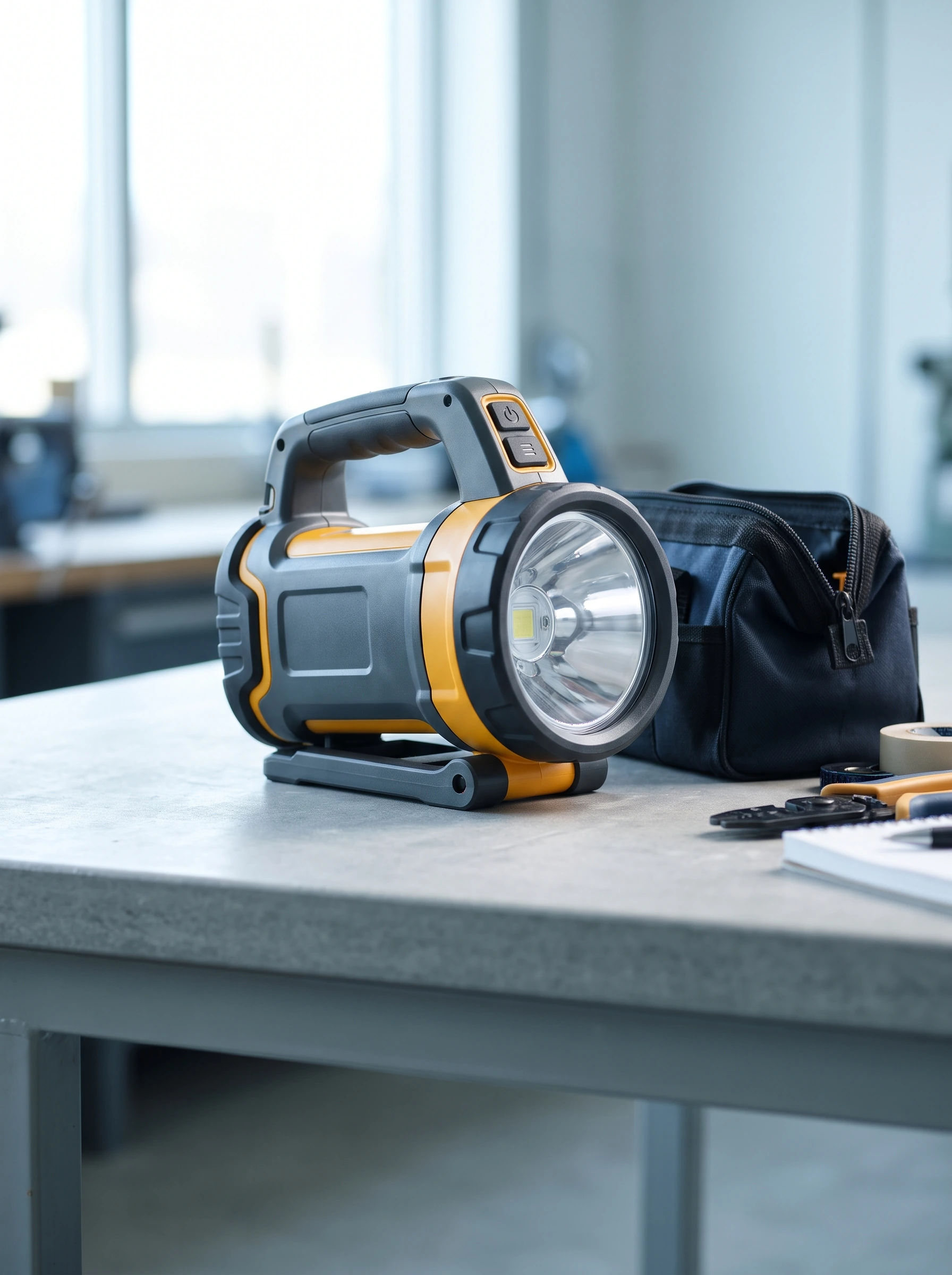
Handheld Spotlights
Focused Formats · Driver & Power Boards
Handheld Spotlights
Specify the concentrated-emitter arrangement, power supply and controls for the spotlight. The finished beam and thermal result depend on the complete optics, housing and cooling setup.
From Released Files to Boards.
Keep the design revision, material decisions and checks together from the first discussion through the completed order.
Share the Intended Assembly
Identify the inspection, work, area or spotlight boards, with emitter loads, supply/pack interface, mounting drawing, firmware and requested checks. Identify the revision, quantity and any available sample.
Resolve the Build Details
Review material responsibilities, approved part choices, mounting requirements and any firmware-loading needs. Resolve open questions before preparing the build.
Assemble & Review
The order follows the agreed build information, with first-article review and applicable optical inspection. Your design and component requirements guide the assembly operations.
Check & Complete the Handoff
Complete the procedure agreed for the supply, representative LED load, operating modes and charging checks where fitted. Your team can then evaluate the boards in the intended product and bring any revision into the next-build discussion.
Manufacturing Experience. Direct Cooperation.
Long-term Fortune Global 500 supplier relationships and demanding customer audits are part of our factory’s experience. That manufacturing background supports a direct discussion of sample builds, small batches and recurring orders.
Long-term supplier to Fortune Global 500 customers.
Our factory’s experience includes supplying Fortune Global 500 customers over the long term. Bring your own assembly requirements into a direct manufacturing discussion.
Passed demanding supplier audits and customer reviews.
Demanding supplier audits have put our factory’s practices under scrutiny. Your quality requirements and acceptance expectations belong in preparation for the build.
First-article, AOI, and agreed build checks.
First-article review, AOI and selected electrical or functional checks examine different aspects of the assembly. Establishing those requirements helps your team understand what will be checked.
Long-term relationships.
Global brands.




Let’s Prepare
Your Board Build.
Identify the inspection, work, area or spotlight boards, with emitter loads, supply/pack interface, mounting drawing, firmware and requested checks. Send the available files and quantity, and tell us which decisions still need discussion. We’ll work through the manufacturing requirements with you.
Start With the Current Design
Bring available board files, a BOM and the assembly question you need to resolve.
Define the Board Checks
Share the operating procedure, intended setup and results the order needs to check.
Plan Samples & Repeat Builds
Identify the current revision, populated variants, quantities and the next product stage.