

Camping & Task Light PCBA.
PCB assembly for camping lanterns, tent lights, portable camp strings and small reading or task lights. Build your released emitter, control and power boards.
Portable Lights.
Defined Board Builds.
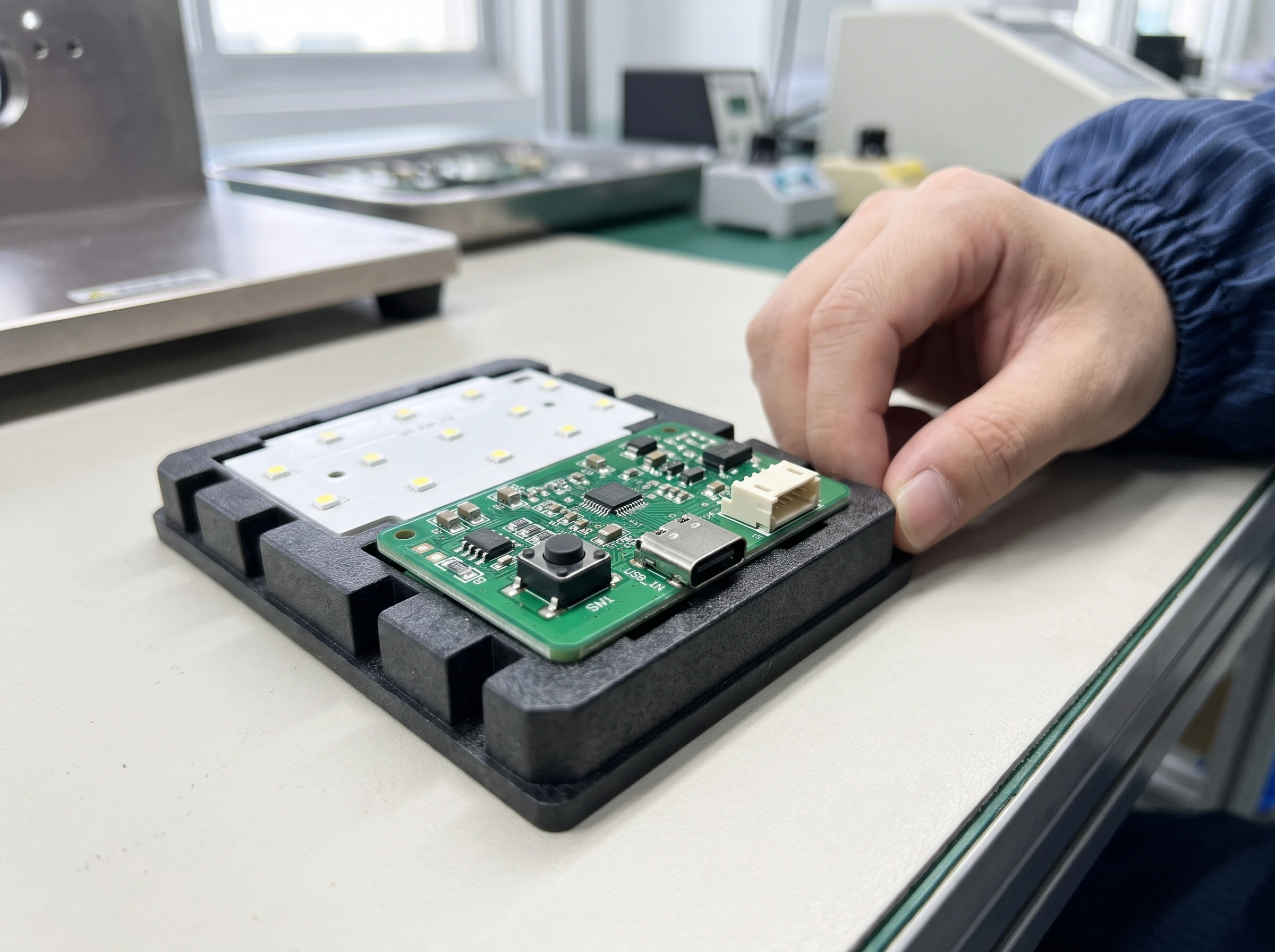
We assemble the emitter, control and power boards inside camping lanterns, tent lights, portable camp strings and small reading or task lights. Your released design defines the populated board supplied for integration into the finished light.
These families share lighting electronics but connect to their loads in different ways. A lantern may have separate emitter and control boards; a camp-string controller connects to an external light string; a book or clip light brings compact controls close to its emitters. Share the arrangement you actually need built.
A Build Around Your Design.
Keep each product family recognizable while defining the same practical handoff: board files, intended load, power source and approved operating behaviour.
01
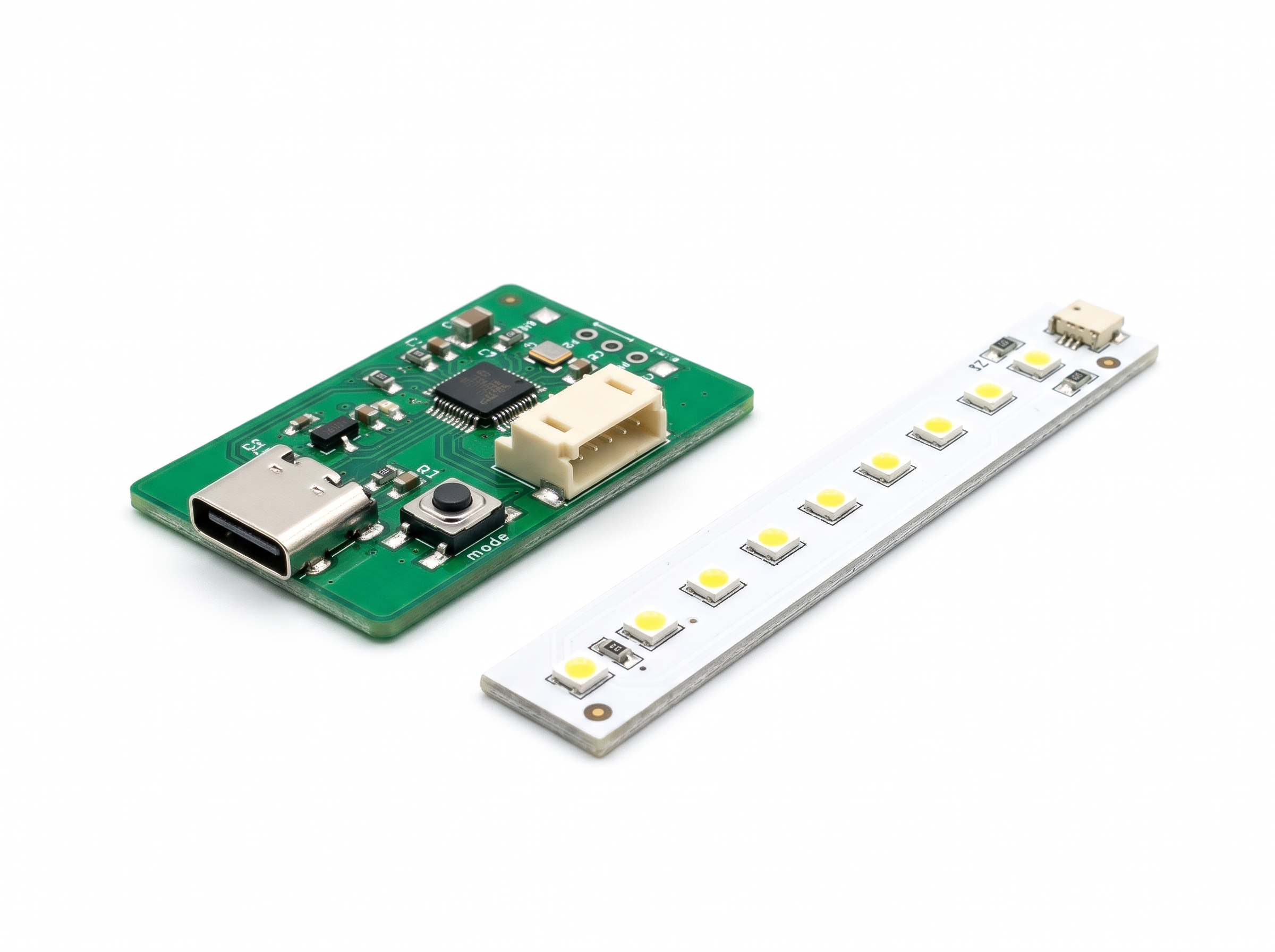
Lantern & Tent-Light Boards
Lantern & Tent-Light Boards
Identify the emitter arrangement, control board and power connections in the lantern or hanging light. Include channel assignments, buttons and any indicator or charging functions in the released design.
02
Portable Camp-String Controllers
Portable Camp-String Controllers
Provide the controller-board files and intended string load, connector pinout and cable arrangement. A populated controller board is distinct from manufacturing the wired string or a flexible LED strip.
03
Reading, Book & Clip Lights
Reading, Book & Clip Lights
Share the compact emitter and control layout, switch or touch-interface details and power source. Include brightness or colour-channel settings where the design uses them.
04
Approved Modes & Repeat Builds
Approved Modes & Repeat Builds
Provide the firmware and settings for dimming, timers, memory or indicators where present. Identify each population variant and quantity so samples and repeat orders follow the intended configuration.
The Details Behind the Assembly.
Your released design defines the components, interfaces and intended behaviour. Our assembly methods and agreed checking scope connect that information with the boards your team receives.
Emitter & Control Components
Exact LEDs, driver components and switching parts establish the population. Approved sourcing alternatives should remain consistent with the circuit and the specified emitter requirements.
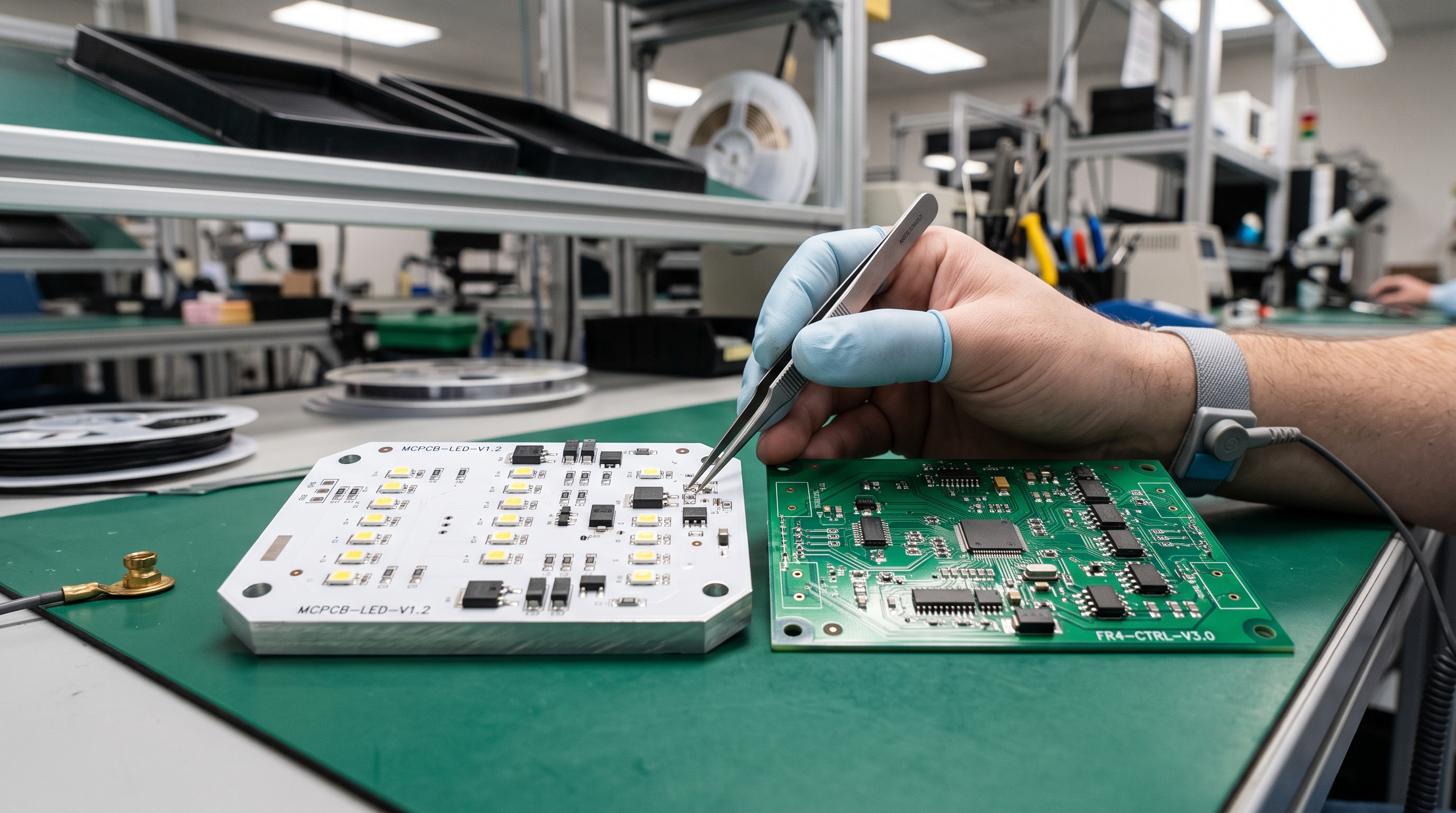
Rigid FR-4 & Aluminum-Core Boards
Our general assembly scope covers these board materials with single-sided component mounting. Supply the released outlines and separate board identities where the product uses multiple assemblies.
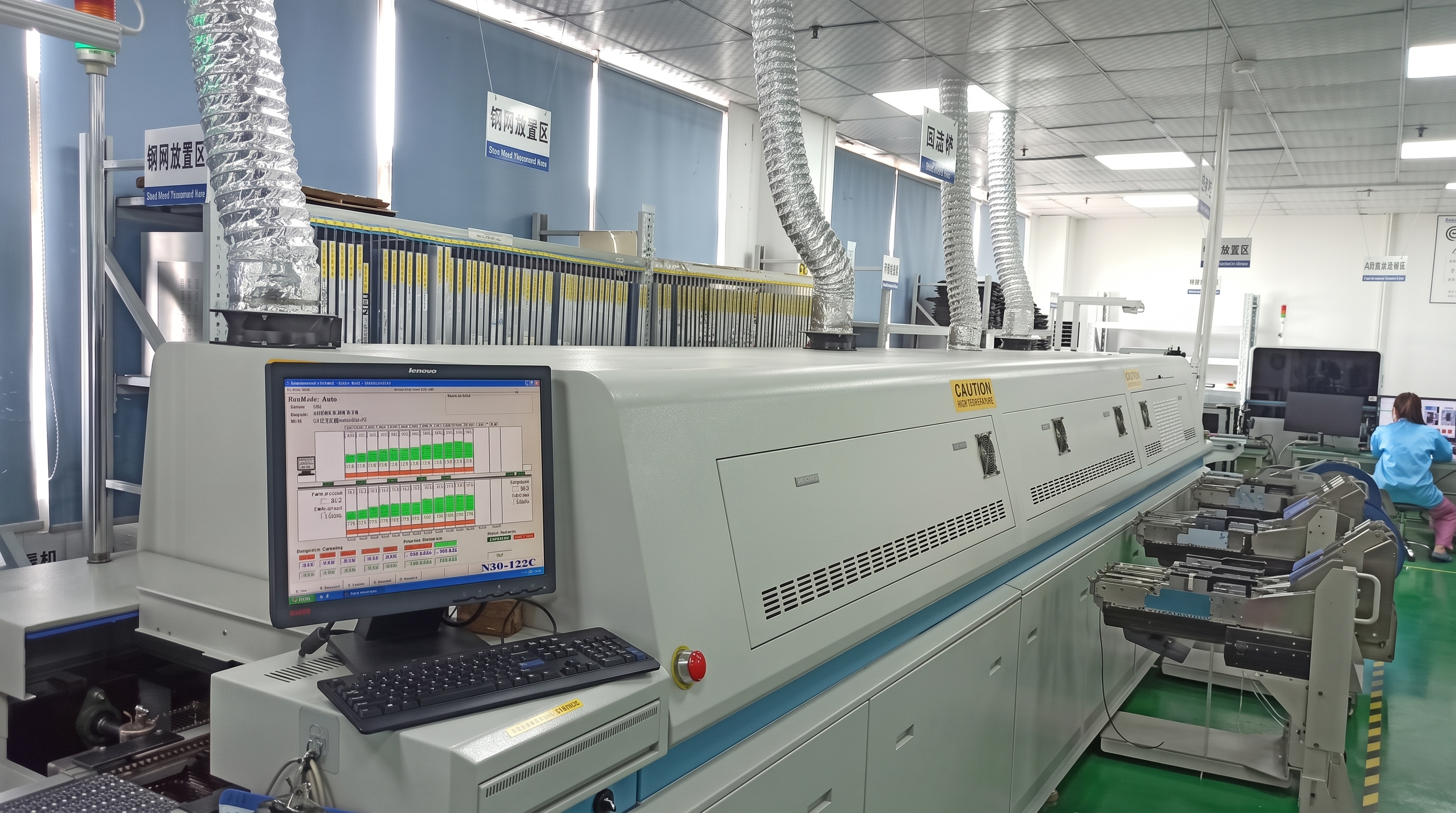
SMT & Lead-Free Reflow
The build uses the placement information and applicable component handling instructions. Emitters and power parts need the orientation and soldering references selected for your design.
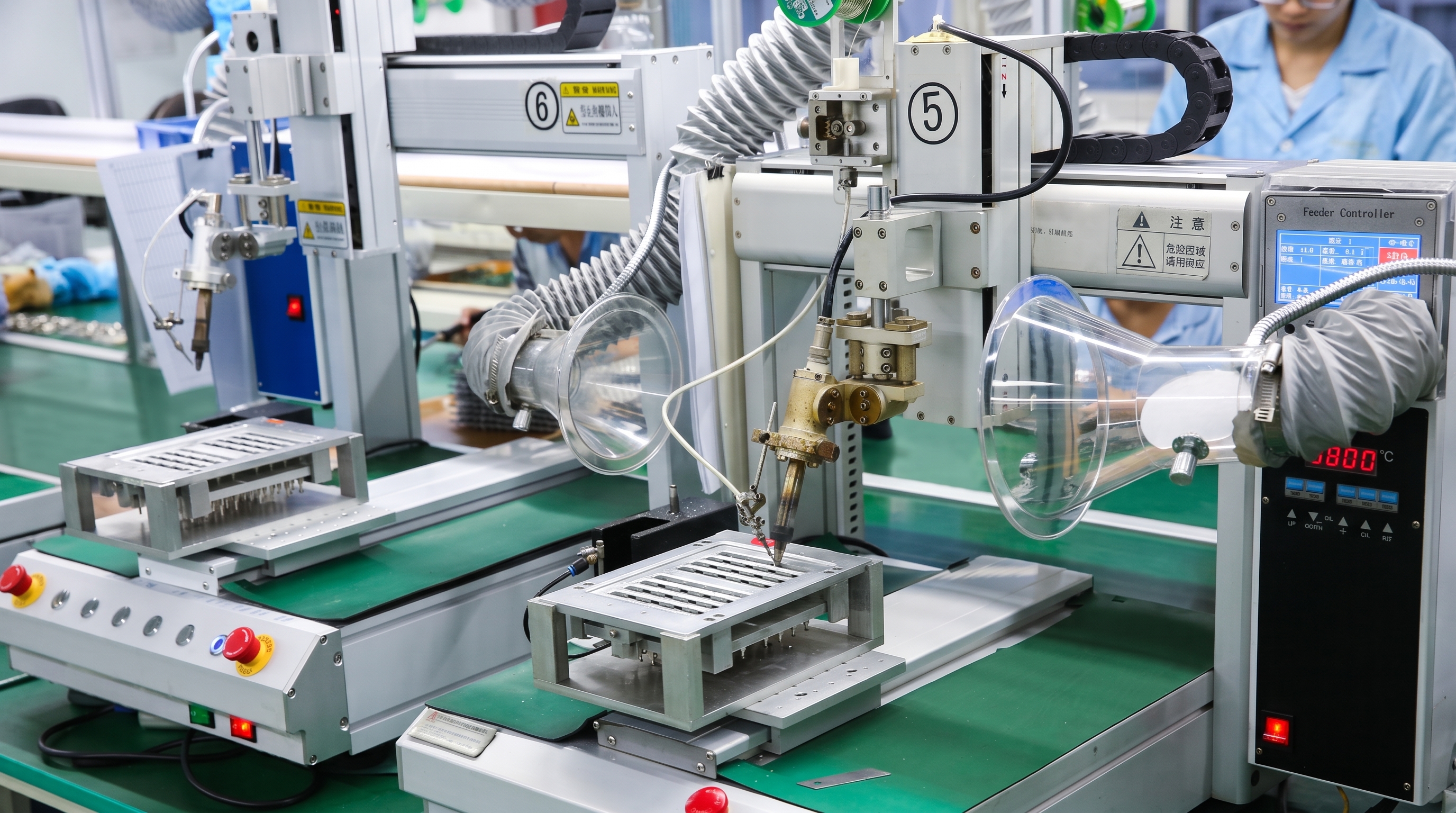
Power & Load Connections
Identify battery contacts, charging input, switches and the light-load connector. For solar or USB variants, provide the actual circuit requirements; the connector name alone does not define charging behaviour.
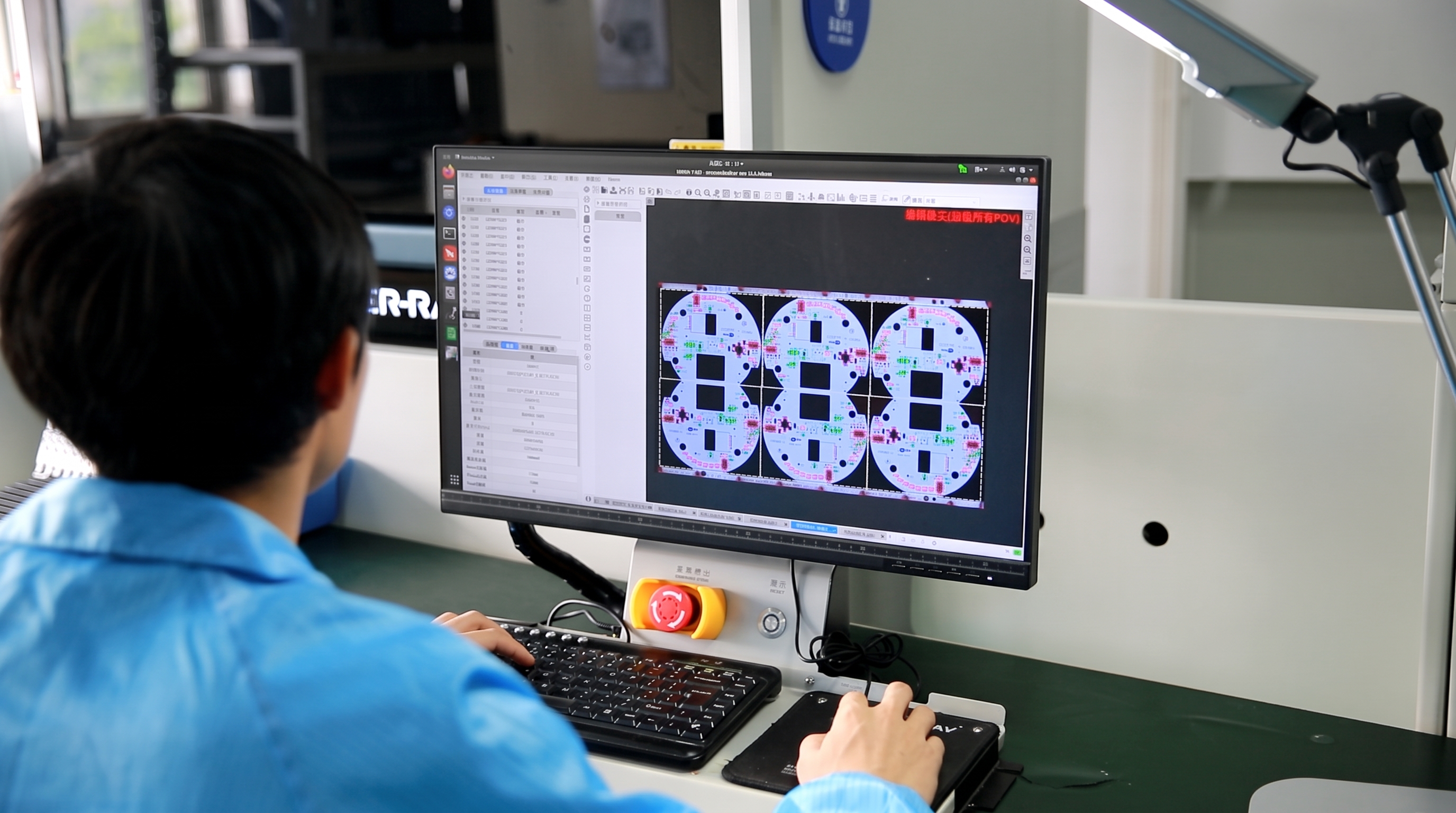
First-Article & AOI Review
Initial assembly review and automated optical inspection address applicable physical build features. Include connector orientation and any fitting details that matter to the portable product.
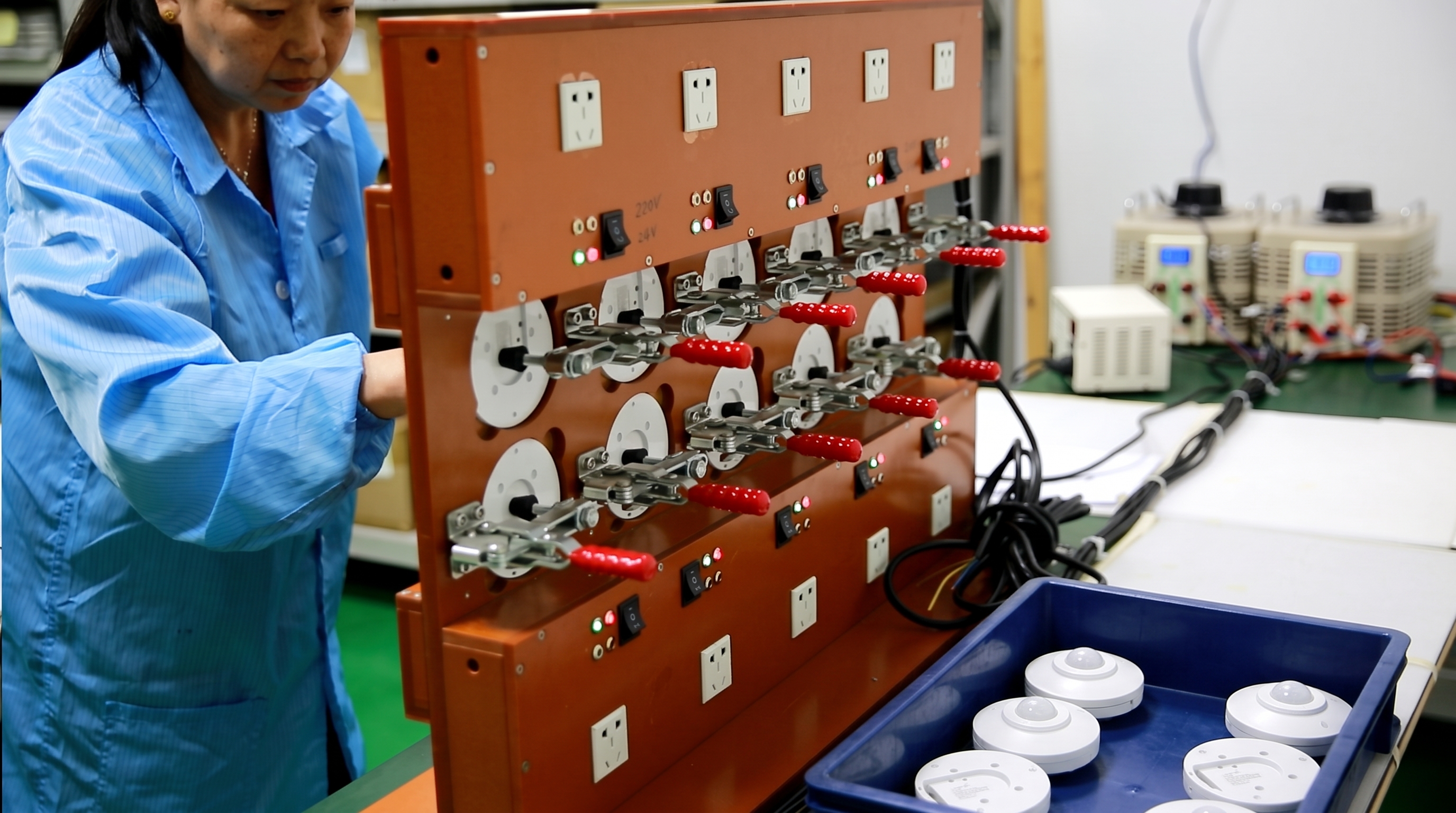
Agreed Mode & Power Checks
Define the supply, representative light load, mode sequence and any timer or charging checks. These selected checks prepare the boards for your evaluation of finished-light output and runtime.
The Assembly Behind Your Boards.
Component placement, soldering and inspection provide the manufacturing context for your order. The images here show general board-assembly work; your project’s operation and acceptance requirements are defined around its actual design.

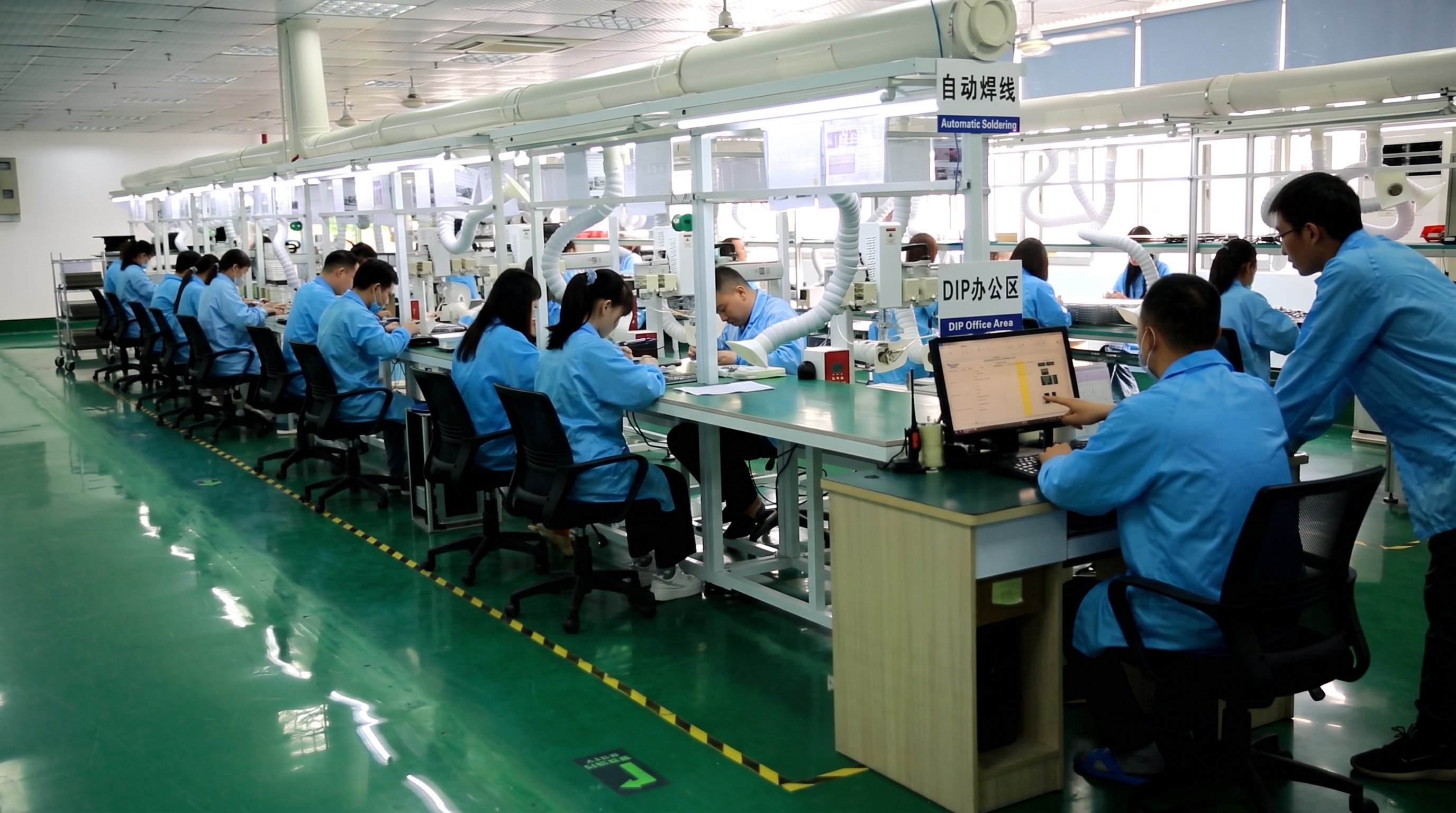
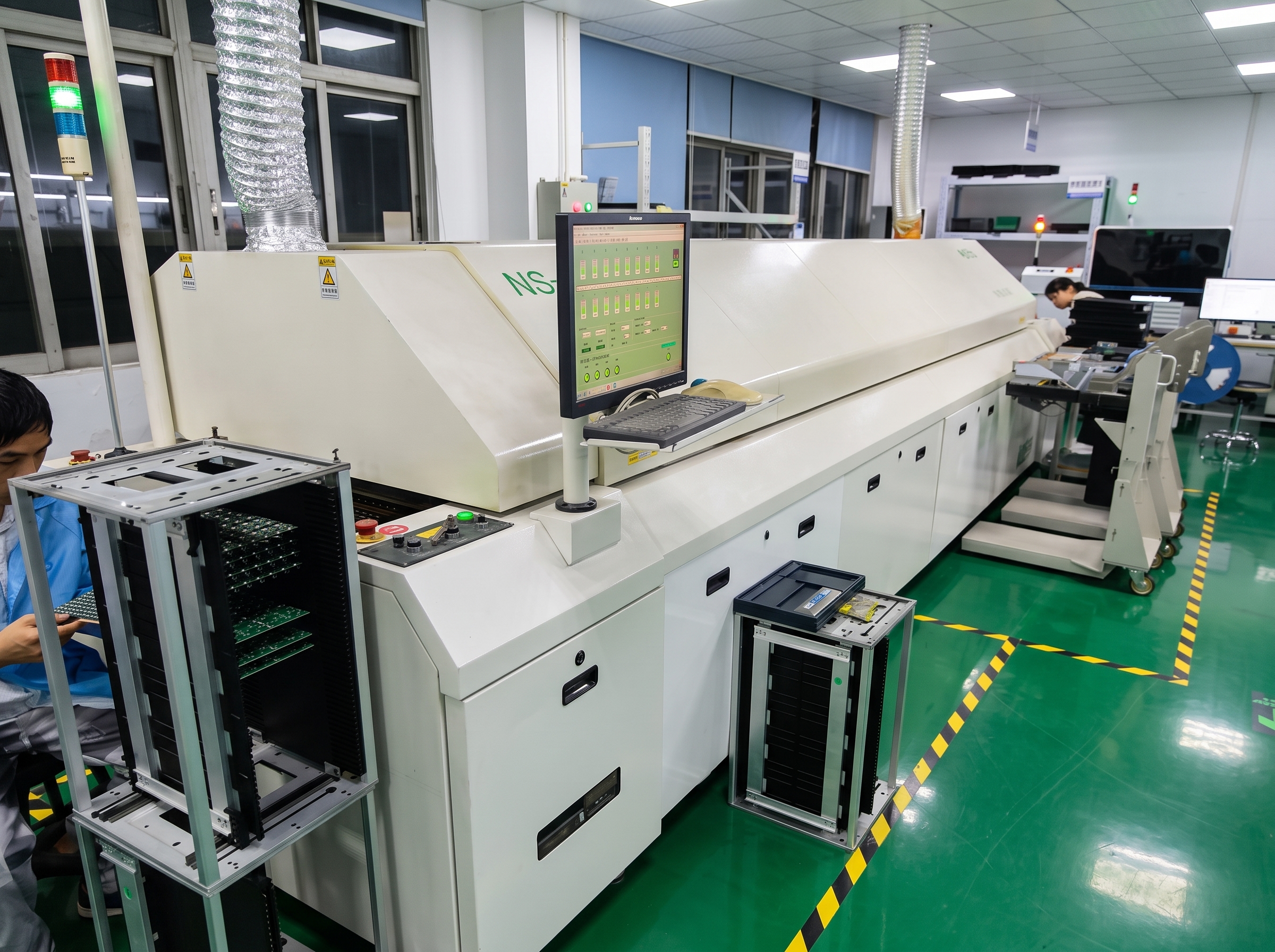
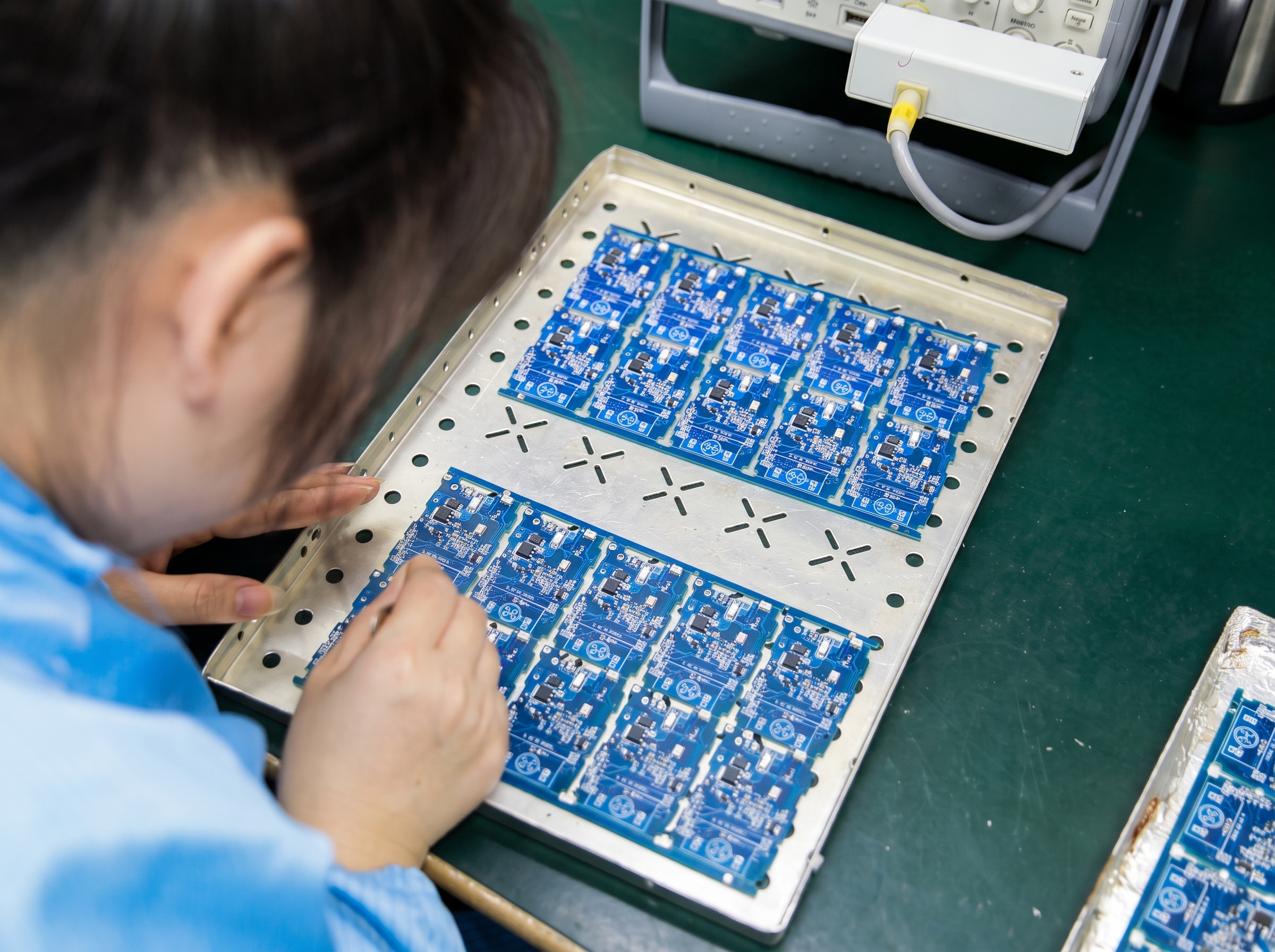
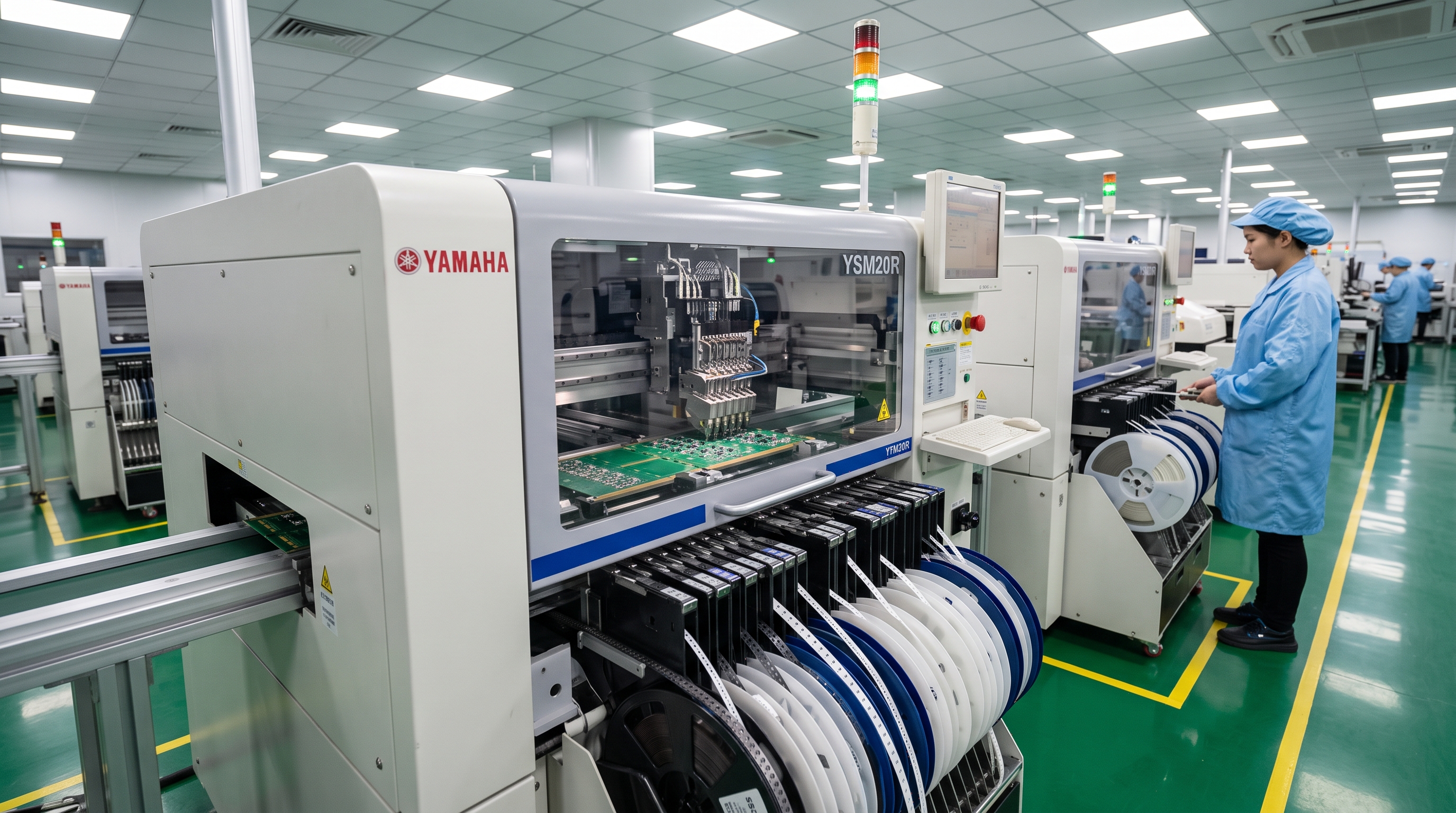
Surface-Mount Assembly Lines
The SMT line brings the specified components to their intended board positions. Part identity, placement information and orientation give the build its production reference.
Through-Hole & Mixed Assembly
Leaded components can complete a board alongside its surface-mount parts. Fitting details and connector direction help preserve the assembly your product needs.
Lead-Free Reflow Soldering
After surface-mount placement, the board proceeds through reflow soldering. Board materials and relevant component requirements belong in preparation for this stage.
First-Article & Inspection Review
First-article review examines the initial assembly against the intended build. Optical inspection and the electrical or functional checks specified for the order address their respective parts of the result.
Camping & Task-Light Applications.
Different portable lights call for distinct emitter, control and power arrangements. Share the released board files for the product family you need, along with its intended load and approved modes. Related assembly: Flashlight & Recreational Headlamp PCBA · LED Driver PCBA · LED Module / Array PCBA.
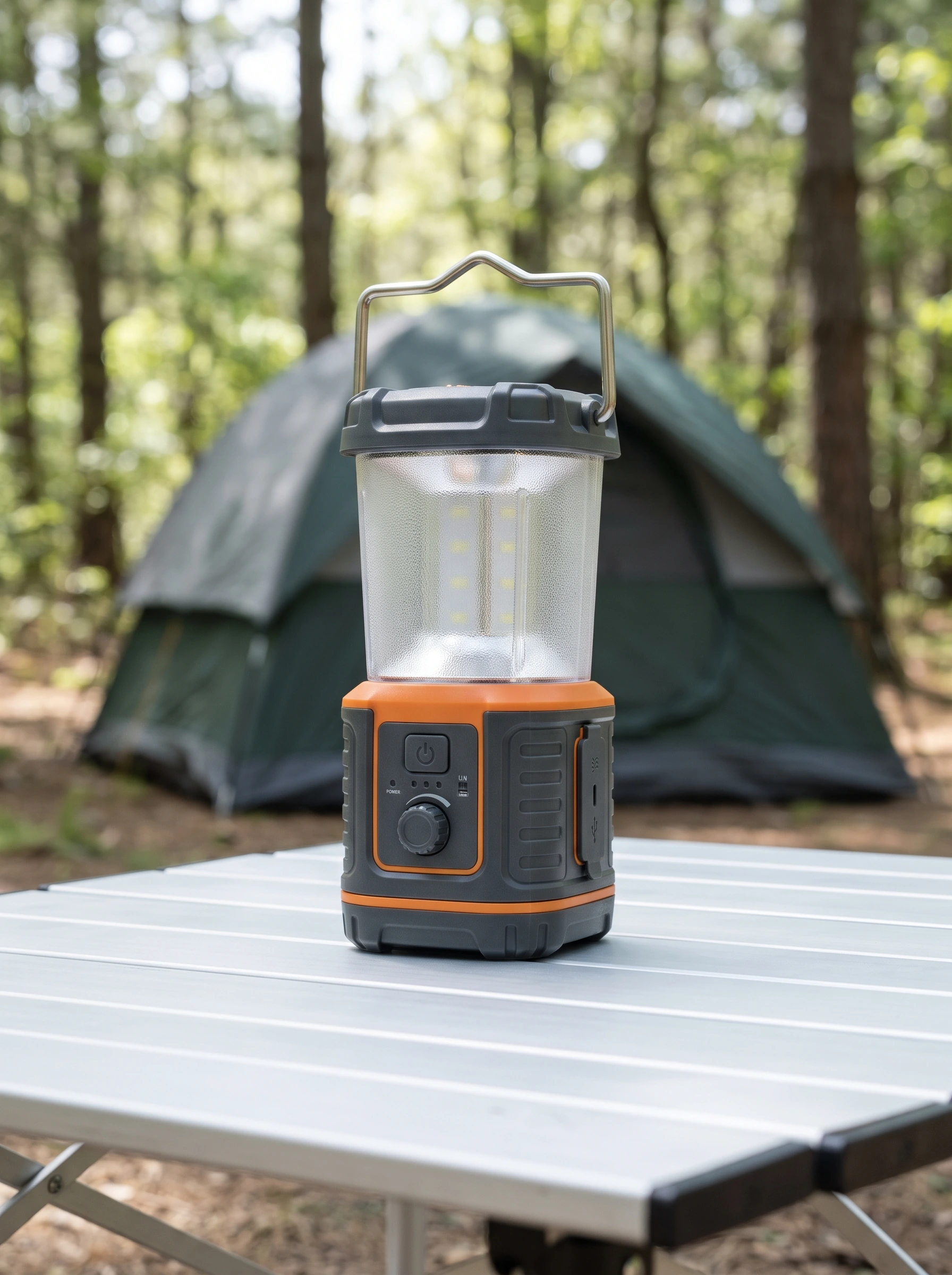
Camping Lanterns
Portable Lanterns · Emitter & Control Boards
Camping Lanterns
Lantern builds may combine emitter boards, controls and charging or indicator functions. Include the released channel assignments, buttons and power connections.
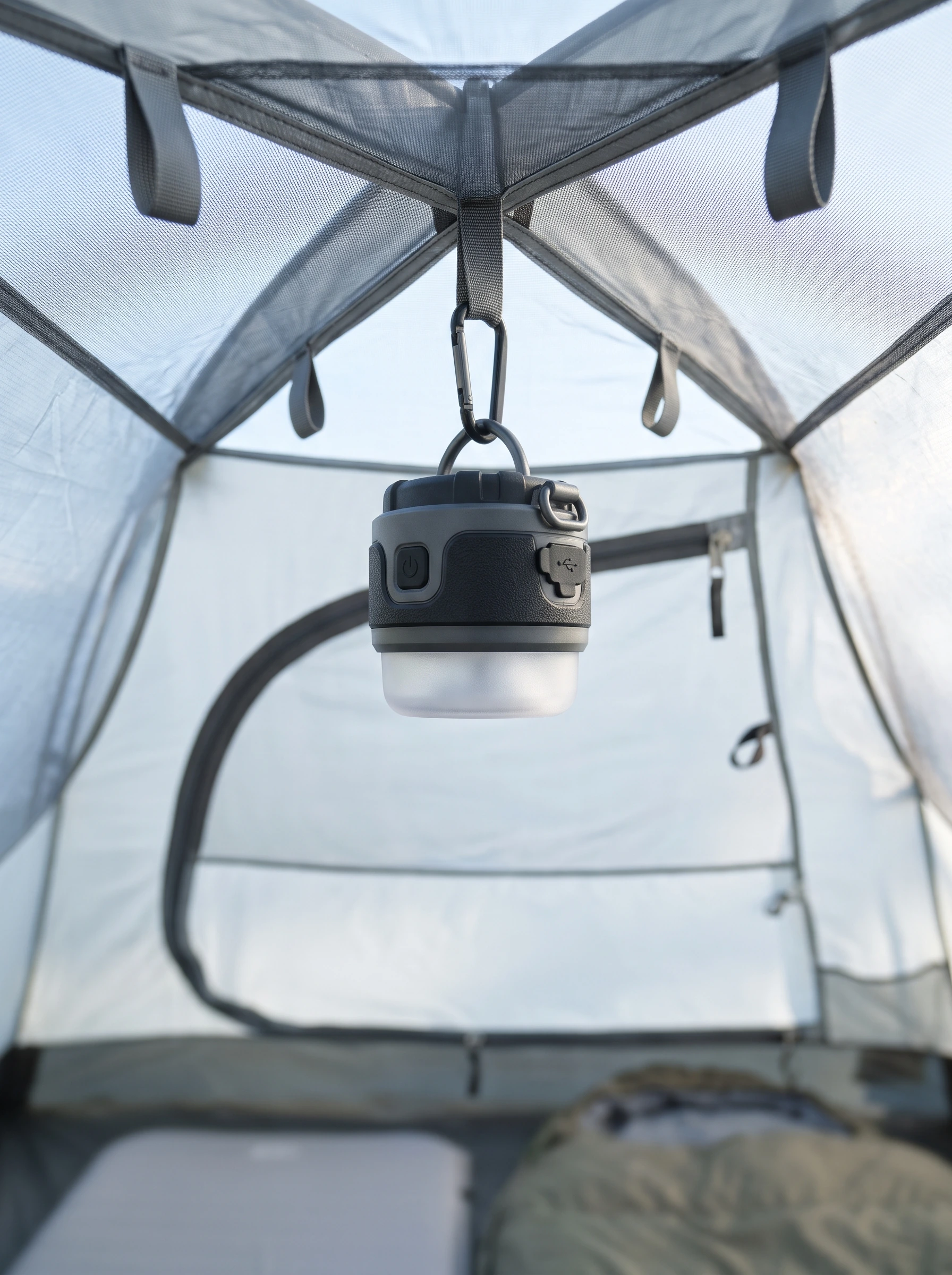
Tent Lights
Hanging Formats · Compact Controls
Tent Lights
For hanging tent lights, share mounting references, emitter positions and switch access. Define the power circuit and approved mode behaviour around the intended enclosure.
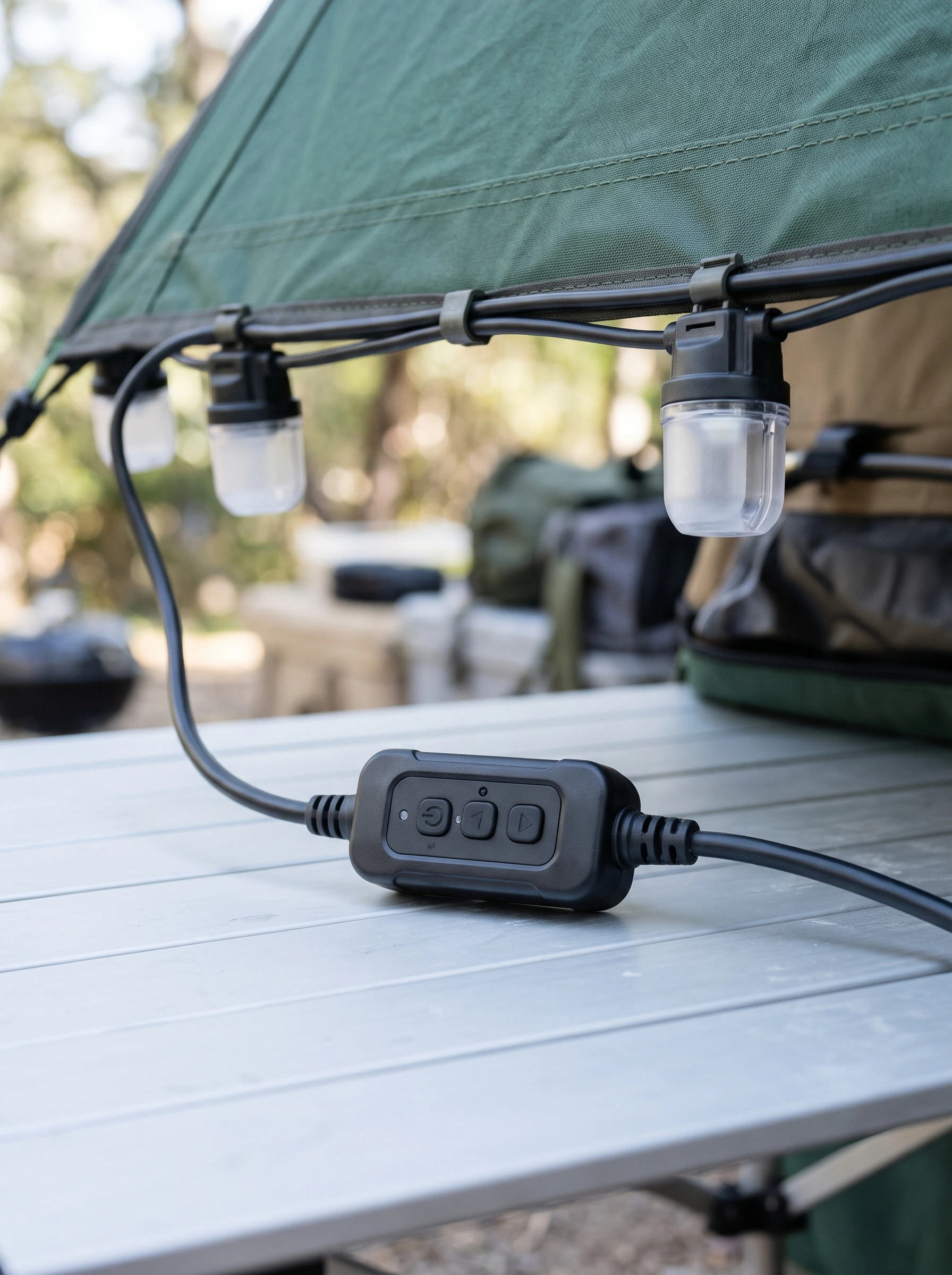
Camp-String Controllers
Portable Strings · Controller Assemblies
Camp-String Controllers
We assemble the released controller board for your specified light-string load. Include connector pinouts and cable references; the controller PCBA is distinct from making the wired string.
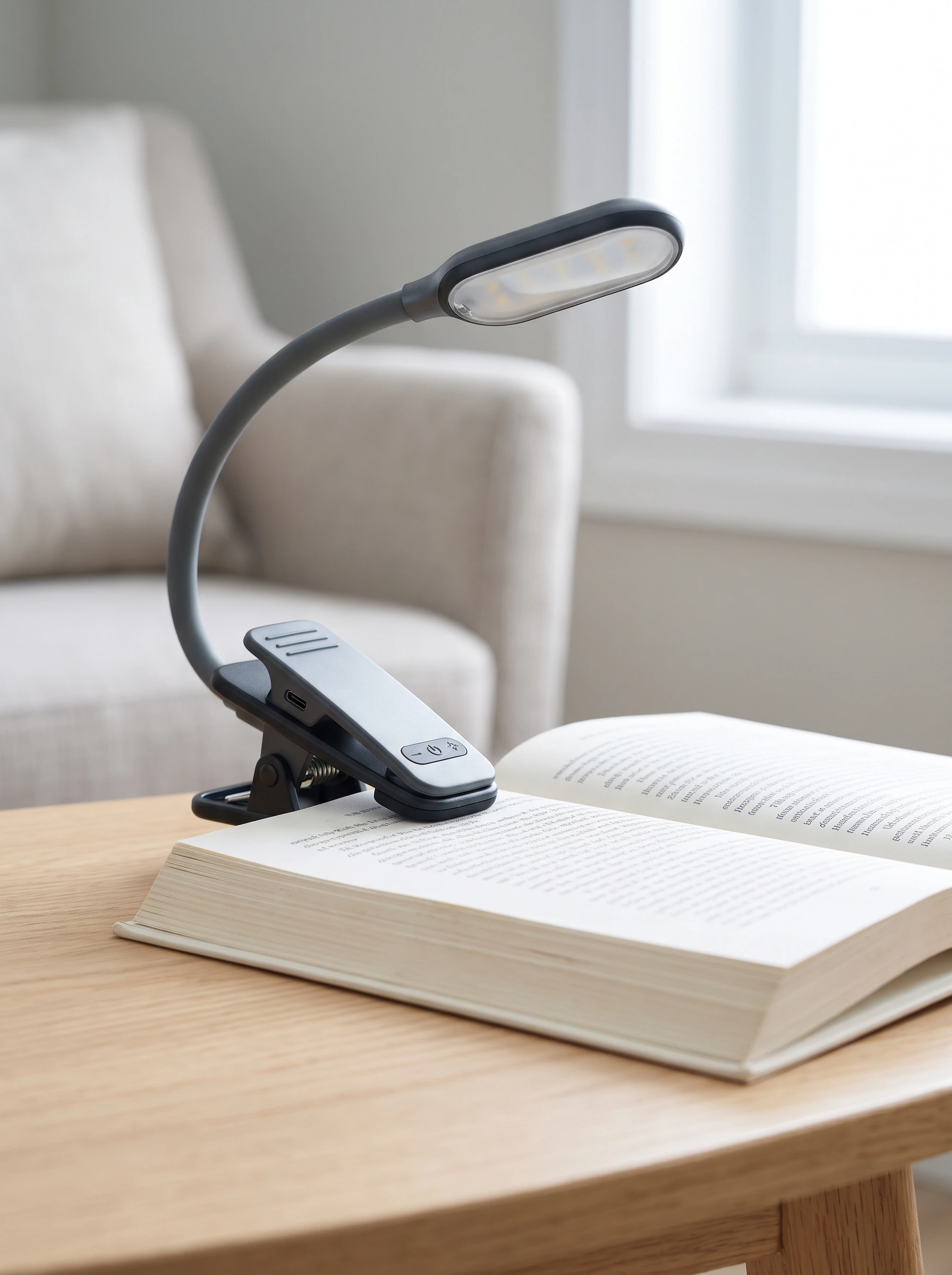
Reading & Clip Lights
Books · Small Task Lighting
Reading & Clip Lights
Compact reading lights need the specified emitter, button or touch-interface layout and power circuit. Share brightness or colour-channel settings where they are part of the released design.
From Released Files to Boards.
Keep the design revision, material decisions and checks together from the first discussion through the completed order.
Share the Intended Assembly
Identify lantern/tent, camp-string or reading-light boards, with the load/cable arrangement, power source, firmware and requested checks. Identify the revision, quantity and any available sample.
Resolve the Build Details
Review material responsibilities, approved part choices, mounting requirements and any firmware-loading needs. Resolve open questions before preparing the build.
Assemble & Review
The order follows the agreed build information, with first-article review and applicable optical inspection. Your design and component requirements guide the assembly operations.
Check & Complete the Handoff
Complete the procedure agreed for the supply, lantern or string load, dimming modes and timer/charging checks where fitted. Your team can then evaluate the boards in the intended product and bring any revision into the next-build discussion.
Manufacturing Experience. Direct Cooperation.
Long-term Fortune Global 500 supplier relationships and demanding customer audits are part of our factory’s experience. That manufacturing background supports a direct discussion of sample builds, small batches and recurring orders.
Long-term supplier to Fortune Global 500 customers.
Our factory’s experience includes supplying Fortune Global 500 customers over the long term. Bring your own assembly requirements into a direct manufacturing discussion.
Passed demanding supplier audits and customer reviews.
Demanding supplier audits have put our factory’s practices under scrutiny. Your quality requirements and acceptance expectations belong in preparation for the build.
First-article, AOI, and agreed build checks.
First-article review, AOI and selected electrical or functional checks examine different aspects of the assembly. Establishing those requirements helps your team understand what will be checked.
Long-term relationships.
Global brands.




Let’s Prepare
Your Board Build.
Identify lantern/tent, camp-string or reading-light boards, with the load/cable arrangement, power source, firmware and requested checks. Send the available files and quantity, and tell us which decisions still need discussion. We’ll work through the manufacturing requirements with you.
Start With the Current Design
Bring available board files, a BOM and the assembly question you need to resolve.
Define the Board Checks
Share the operating procedure, intended setup and results the order needs to check.
Plan Samples & Repeat Builds
Identify the current revision, populated variants, quantities and the next product stage.