
What is Acrylic and Polycarbonate
Acrylic and polycarbonate are two types of plastic widely used in various industries due to their unique properties. Both plastics are polymers, which means they are made up of different molecules linked together in long chains through a process called polymerization. Acrylic is produced by synthesizing methyl methacrylate, while polycarbonate is created by the reaction between bisphenol A and phosgene COCl2.
ربما تكون مهتماً بـ

- مستشعر إشغال PIR يثبت على السقف مع مخرج ريليه تلامس جاف
- مزود طاقة بجهد منخفض 12/24VDC أو 12/24VAC
- نقاط تلامس ريليه معزولة COM و NO و NC لمدخلات أنظمة إدارة الطاقة (EMS) والتكييف (HVAC) والتحكم في المباني

- مفتاح مستشعر حركة ميكروويف غاطس يثبت على السقف بجهد تيار مستمر منخفض
- مدخل 12 VDC / 24 VDC مع نطاق 10-30 VDC
- تيار عمل أقصى 10A مع تأخير زمني قابل للتعديل، وعتبة Lux، والحساسية
- مفتاح مستشعر حركة ميكروويف غاطس يثبت على السقف للأحمال العالية
- مدخل جهد الخط 100-265 VAC، موديل 10A
- استشعار ميكروويف بتردد 5.8 جيجاهرتز مع تأخير زمني قابل للتعديل، وعتبة Lux، والحساسية
- مفتاح مستشعر حركة ميكروويف غاطس يثبت على السقف
- مدخل جهد الخط 100-265 VAC، موديل 5A
- استشعار ميكروويف بتردد 5.8 جيجاهرتز مع تأخير زمني قابل للتعديل، وعتبة Lux، والحساسية
- ديمر مستشعر إشغال RZ037 PIR يثبت على السقف لجهد 220V
- تيار عمل أقصى 3A مع حمل مقدر 660W
- تحكم بزر LUX لتشغيل/إطفاء مستشعر الضوء وسطوع التعتيم المحدد من قبل المستخدم
- ديمر مستشعر إشغال RZ037 PIR يثبت على السقف لجهد 110V
- تيار عمل أقصى 3A مع حمل مقدر 330W
- تحكم بزر LUX لتشغيل/إطفاء مستشعر الضوء وسطوع التعتيم المحدد من قبل المستخدم

- مفتاح مستشعر حركة بالموجات الدقيقة يركب على السقف بتيار مستمر جهد منخفض
- مدخل 12 VDC / 24 VDC مع نطاق 10-30 VDC
- تيار عمل أقصى 10A مع تأخير زمني قابل للتعديل، وعتبة Lux، والحساسية
- مفتاح مستشعر حركة بالموجات الدقيقة يركب على السقف للحمولات العالية
- مدخل جهد الخط 100-265 VAC، موديل 10A
- استشعار ميكروويف بتردد 5.8 جيجاهرتز مع تأخير زمني قابل للتعديل، وعتبة Lux، والحساسية
- مفتاح مستشعر حركة بالموجات الدقيقة يركب على السقف
- مدخل جهد الخط 100-265 VAC، موديل 5A
- استشعار ميكروويف بتردد 5.8 جيجاهرتز مع تأخير زمني قابل للتعديل، وعتبة Lux، والحساسية

- مفتاح مستشعر حركة بالأشعة تحت الحمراء PIR مدمج في السقف بتيار مستمر جهد منخفض
- مدخل 12 VDC / 24 VDC مع نطاق 10-30 VDC
- أقصى تيار تشغيل 10A مع إمكانية ضبط تأخير الوقت، وعتبة الإضاءة (Lux)، والحساسية

- مفتاح مستشعر حركة بالأشعة تحت الحمراء PIR مدمج في السقف للحمولات العالية
- مدخل جهد الخط 100-265 VAC، موديل 10A
- تغطية ورصد بزاوية 360 درجة مع إمكانية ضبط تأخير الوقت، وعتبة الإضاءة (Lux)، والحساسية
- مفتاح مستشعر حركة بالأشعة تحت الحمراء PIR مدمج في السقف
- مدخل جهد الخط 100-265 VAC، موديل 5A
- تغطية ورصد بزاوية 360 درجة مع إمكانية ضبط تأخير الوقت، وعتبة الإضاءة (Lux)، والحساسية

- طقم مفتاح لاسلكي وجهاز مستقبل للتحكم في تشغيل وإيقاف الإضاءة الداخلية
- مستقبل بجهد 100-230VAC وتردد 50/60Hz مع تيار مقنن 5A
- مفتاح لاسلكي يعمل ببطارية CR2032 مع اتصال بتردد 2.4GHz
- وضع الإشغال (تشغيل تلقائي/إيقاف تلقائي)
- 12–24V DC (10–30VDC)، حتى 10A
- تغطية 360 درجة، بقطر 8–12 متر
- تأخير الوقت من 15 ثانية إلى 30 دقيقة
- مستشعر الإضاءة: إيقاف/15/25/35 لوكس (Lux)
- حساسية عالية/منخفضة
- وضع الإشغال (تشغيل تلقائي/إيقاف تلقائي)
- 100–265V AC، بقوة 10A (يتطلب خط محايد)
- تغطية 360 درجة، قطر رصد 8–12 متر
- تأخير الوقت من 15 ثانية إلى 30 دقيقة، عتبة اللوكس: إيقاف/15/25/35، الحساسية: عالية/منخفضة
- وضع الإشغال (تشغيل تلقائي/إيقاف تلقائي)
- 100–265V AC, 5A (يتطلب خط محايد)
- تغطية 360 درجة، قطر رصد 8–12 متر
- تأخير الوقت من 15 ثانية إلى 30 دقيقة، عتبة اللوكس: إيقاف/15/25/35، الحساسية: عالية/منخفضة
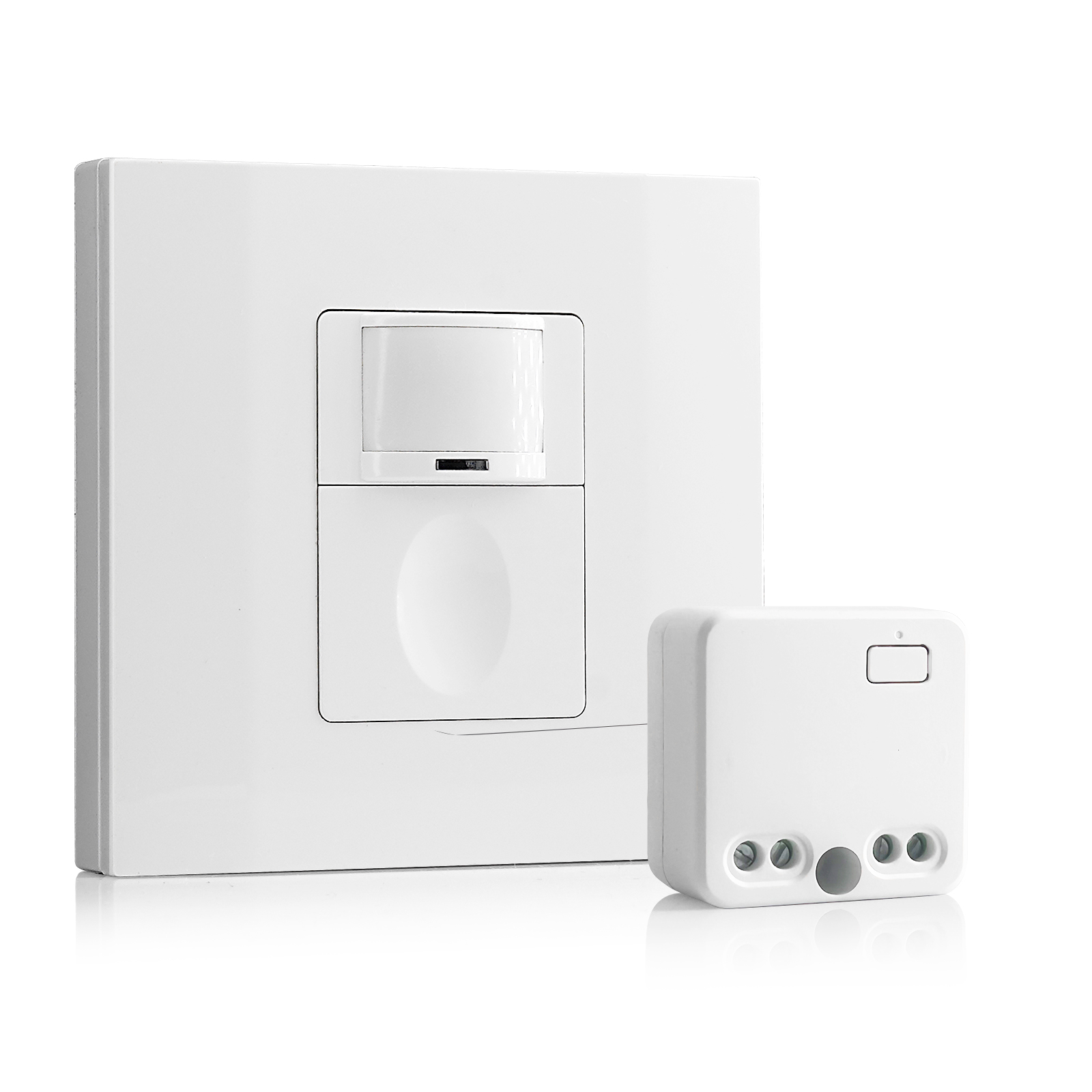
- 100V-230VAC
- مسافة الإرسال: تصل إلى 20m
- حساس حركة لاسلكي
- تحكم سلكي ثابت
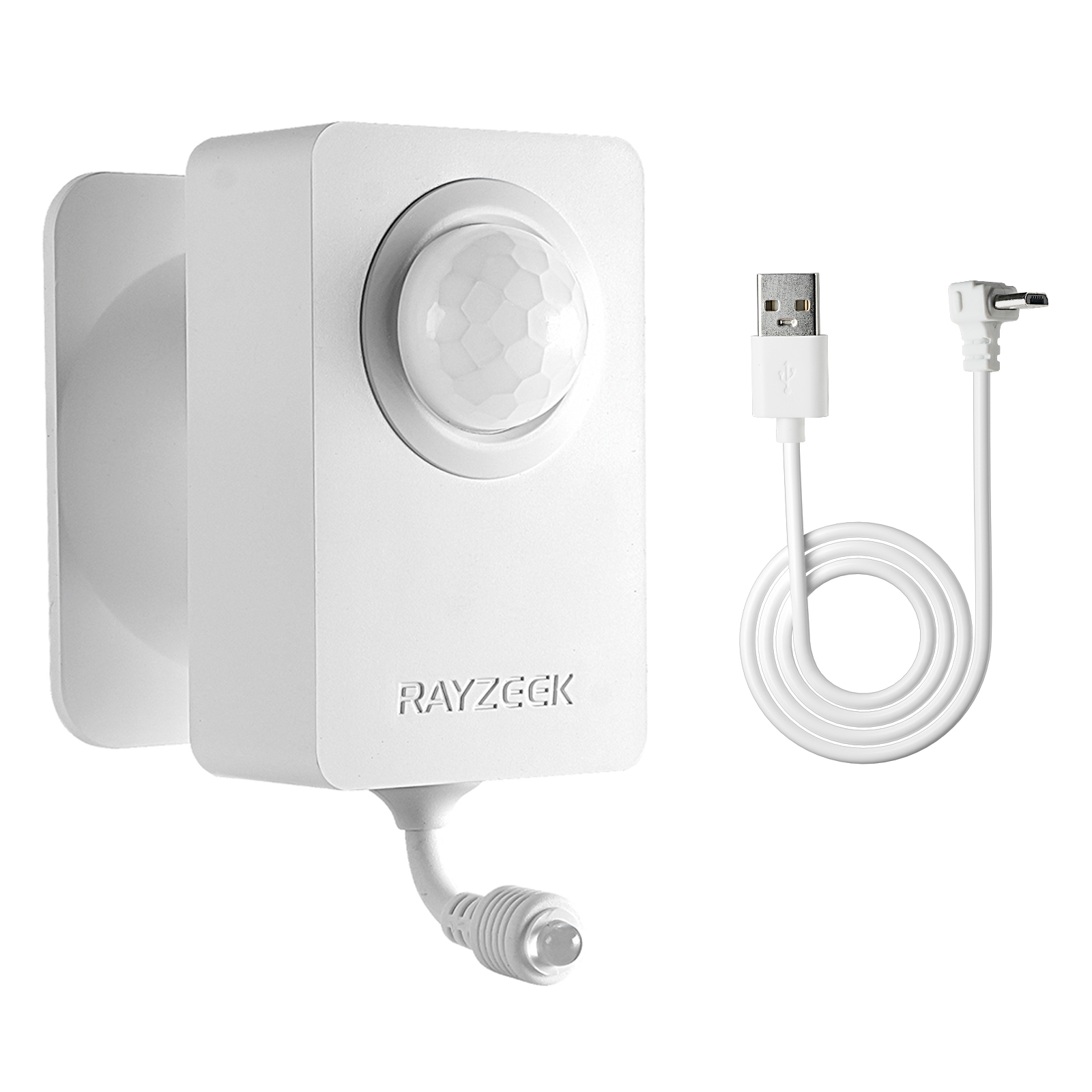
- الجهد الكهربائي: بطاريتان 2x AAA / 5V DC (Micro USB)
- الوضع الليلي/النهاري
- تأخير الوقت: 15min، 30min، 1h (افتراضي)، 2h
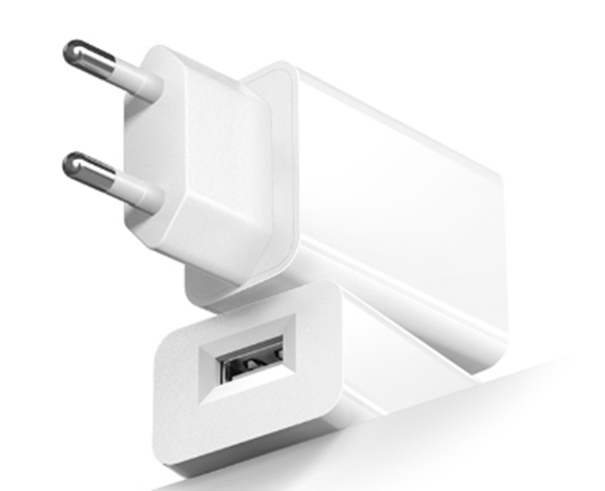
- محول طاقة بمقبس أوروبي
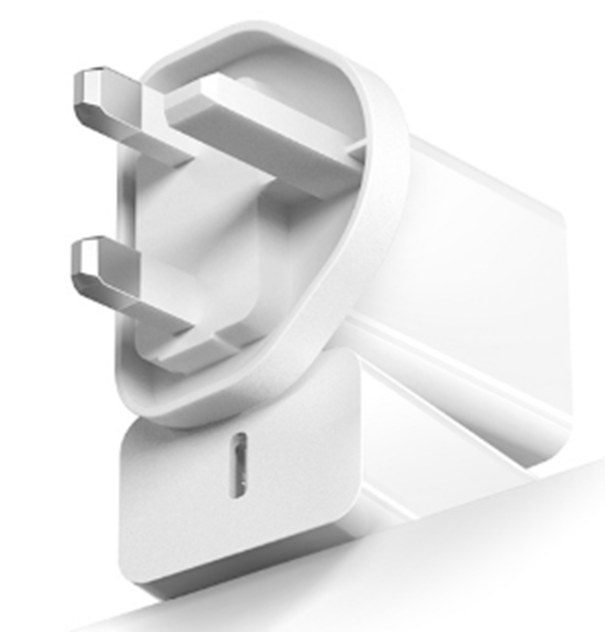
- محول طاقة بمقبس بريطاني
Polycarbonate is also known as Lexan or Makrolon and is more expensive than acrylic, costing on average about 35% more. However, it has exceptional qualities such as being 250 times more impact-resistant than glass and 30 times stronger than acrylic. It is also highly resistant to chemicals, durable against chips and cracks, and can be drilled without worry of cracking. Polycarbonate is commonly used in applications such as safety windows, machinery guards, and riot control vehicles.
On the other hand, acrylic is less expensive than polycarbonate and is commonly used for furniture, signage, and light covers. It is also available in a variety of colors and can be easily shaped and molded. Acrylic has a lower impact resistance than polycarbonate but is still stronger than glass. It is also highly transparent, with excellent light transmission and optical clarity. Acrylic is commonly used in applications such as point-of-purchase displays, skylights, and residential and commercial aquariums.
In summary, acrylic and polycarbonate are versatile plastics with unique properties that make them suitable for various applications across different industries. While polycarbonate is more expensive, it has exceptional strength and durability, while acrylic is less expensive and highly transparent with excellent optical clarity.
هل تبحث عن حلول لتوفير الطاقة تعمل بالحركة؟
اتصل بنا للحصول على حساسات حركة PIR متكاملة، ومنتجات توفير الطاقة التي تعمل بالحركة، ومفاتيح حساسات الحركة، والحلول التجارية للتحكم بالإشغال/الخلو.
Frequently Asked Questions
Which Is Better Acrylic or Polycarbonate Light Lens
Although polycarbonate is stronger, acrylic is more scratch-resistant and less prone to scuff marks. To enhance their durability and scratch resistance, polycarbonate eyeglass lenses are frequently coated with an anti-scratch layer.
What Is Acrylic Used for Lighting
Acrylic is a popular choice for lighting applications due to its exceptional optical properties, high light transmission, and natural UV stability. Typically, it is utilized in various applications such as commercial lighting fixtures, backlit signs, and POS displays.
What Is Polycarbonate Lights
Polycarbonate lights are made of a material that is widely used as a substitute for glass due to its numerous advantages. This material is much lighter in weight, less expensive, and highly durable and impact-resistant, making it an excellent choice for lighting applications. Additionally, it offers a high level of light transmission, making it an ideal material for producing high-quality lights.
What Is Difference Between Polycarbonate and Acrylic
Polycarbonate and acrylic differ in their flexibility. While acrylic is generally stiffer, polycarbonate is available in different flexible grades. However, both plastics can be bent using heat. Additionally, polycarbonate is known to be more durable than acrylic and less prone to cracking when subjected to stress.
Should I Use Acrylic or Polycarbonate
If you are seeking transparency and optimal light transmission, acrylic sheets are the superior option compared to polycarbonate sheets. However, if you require exceptional resistance to impact, then polycarbonate sheeting is the more suitable choice. Ultimately, the decision between the two materials should be based on the specific requirements of your application.
Why Is Acrylic Good for Lights
Acrylic plastic is a great material for lights because of its exceptional transparency. It has excellent light transmission properties and provides remarkable optical clarity, similar to glass. When polished with either MOP or vapor, it can transmit up to 92 percent of white light.
Is Acrylic a Non-Glare
Acrylic not only reduces glare but also provides protection against ultraviolet light, which is a major cause of fading over time.
What Are the Disadvantages of Polycarbonate
Polycarbonate’s primary drawback is its susceptibility to scratches. In the event of a branch falling on a polycarbonate patio canopy, it may get scratched. However, this issue can be resolved by polishing the polycarbonate surface.
What Is So Special About Polycarbonate
Polycarbonate is a highly durable material that is known for its exceptional strength, being virtually indestructible and 250 times stronger than glass. This makes it an ideal choice for applications that require protection from harsh weather conditions, flying debris, or intentional damage. Additionally, polycarbonate offers excellent light transmission properties, making it a popular choice for skylights and other similar applications.
Are Headlights Acrylic or Polycarbonate
The majority of headlight lenses are composed of polycarbonate material.
Is Acrylic or Polycarbonate More UV Resistant
Acrylic and polycarbonate both offer UV resistance, but acrylic has a slightly higher light transmittance of 92% compared to polycarbonate’s 88%. This means that acrylic is slightly clearer and also provides UV resistance.
What Is Acrylic Used For
Acrylic is a versatile material that finds its application in various fields due to its inherent transparency and impact resistance. It is commonly used for making paint, furniture, security barriers, medical devices, LCD screens, lenses, and acrylic nails.
What Is Another Name for Polycarbonate
Polycarbonate is alternatively known as Lexan (a name trademarked by GE Plastics) or Makrolon.
Does Acrylic Turn Yellow in the Sun
Acrylic, which is derived from natural gas, is chemically inactive when it is in a solid state. Acrylic manufactured in the United States does not turn yellow when exposed to sunlight. This is evident from the clear canopies and bubbles on the World War II bombers, which have remained transparent even after being in the sun for 50 years.
Which Is Clearer Acrylic or Polycarbonate
Acrylic is known for its exceptional transparency, surpassing both polycarbonate and glass. While it may not have the same level of impact resistance as polycarbonate, which is 250 times that of glass, it still boasts a high level of toughness, with 17 times the impact resistance of silicate glass. Additionally, acrylic has superior tensile strength and UV resistance when compared to polycarbonate.







