Motion Detection in High-Bay Garages and Workshops: Why Height Changes Everything

Motion sensors in high-bay garages and workshops often fail not because they are defective, but due to a fundamental geometry problem. As mounting height increases, the sensor’s detection cone narrows, leaving large areas uncovered. Simply increasing sensitivity backfires, leading to false triggers from HVAC systems or swaying equipment. The real solution involves strategic placement, correct lens selection, and multi-sensor zoning to ensure reliable coverage.
อ่านเพิ่มเติม »
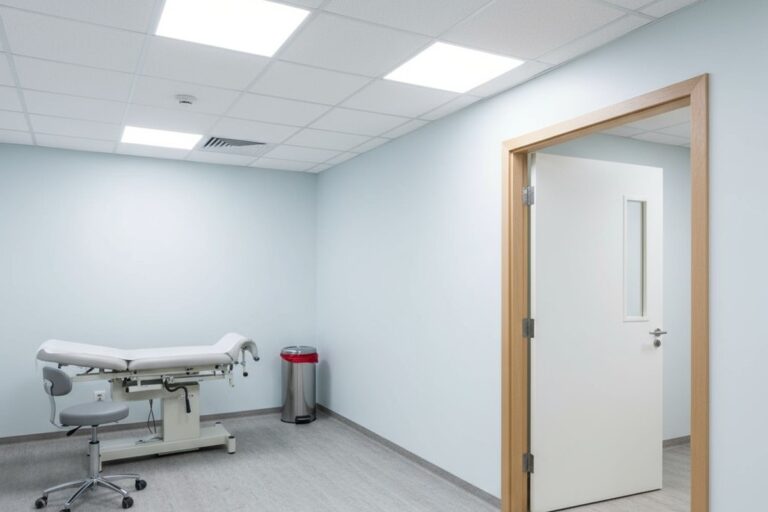
A small, round, white motion sensor is mounted on the ceiling near the doorway of a medical exam room, with the examination table visible in the background.

Privacy-Sensitive Clinics and Exam Rooms: Motion Control Without Awkward Moments

Standard motion sensors can create awkward, uncomfortable moments in clinics and exam rooms, eroding patient trust. To preserve patient dignity, lighting automation must be implemented with care, using principles like indirect line-of-sight placement, vacancy mode operation, and extended timeouts to ensure the environment feels safe and reliable.

อ่านเพิ่มเติม »
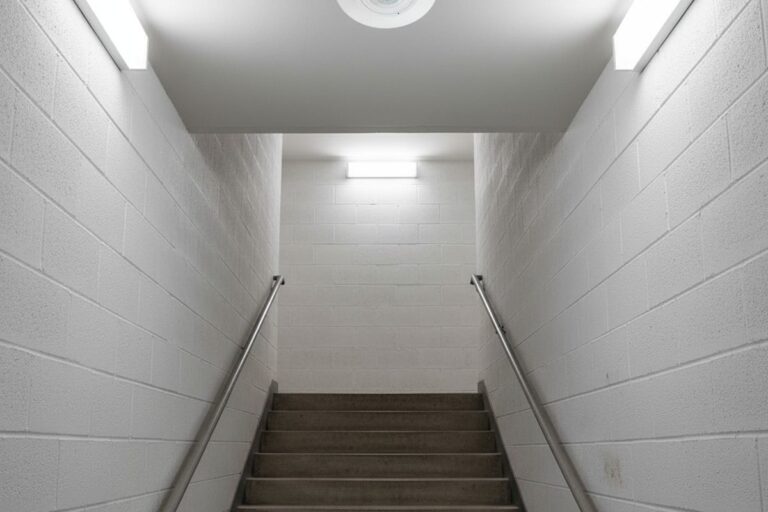
A single, ceiling-mounted motion sensor on a stairwell landing, with the descending stairs clearly outside its likely detection range, creating a dead zone.

Stairwells That Stop Strobing: How to End the On-Off Flicker in Seldom-Used Stairs

Motion-activated stairwell lights often create a dangerous strobing effect when default settings are used. This on-off flicker is a fall risk caused by timeouts too short for vertical transit. By extending timeout durations, ensuring proper retriggering, and creating overlapping sensor zones, you can eliminate strobing, enhance safety, and still achieve significant energy savings.

อ่านเพิ่มเติม »
From a low angle on a covered wooden porch, the view looks out into a gentle rainstorm, with wet floorboards in the foreground and blurred green trees in the background.

Covered Porches and Damp Locations: Where Rayzeek Sensors Thrive and Where They Fail

Placing a motion sensor outdoors seems simple, but moisture, condensation, and temperature extremes cause gradual failure. This guide explains the critical difference between covered and exposed locations, decodes IP ratings (IP44 vs. IP65), and helps you choose the right Rayzeek sensor to ensure reliable performance for years, preventing frustrating false triggers and premature device death.

อ่านเพิ่มเติม »
An empty modern office with floor-to-ceiling windows is filled with bright sunlight, while overhead linear LED fixtures are also fully illuminated.

Big Windows, Bright Days: Balancing Daylight with Occupancy Sensing Without a Building Automation System

Standard occupancy sensors waste energy by turning on lights in already sunlit rooms. By integrating a photocell, these sensors can make a smarter decision, checking for both motion and ambient light levels. This dual-logic approach saves energy without needing a complex building automation system, but requires careful field tuning of lux thresholds and time delays to be truly effective.

อ่านเพิ่มเติม »
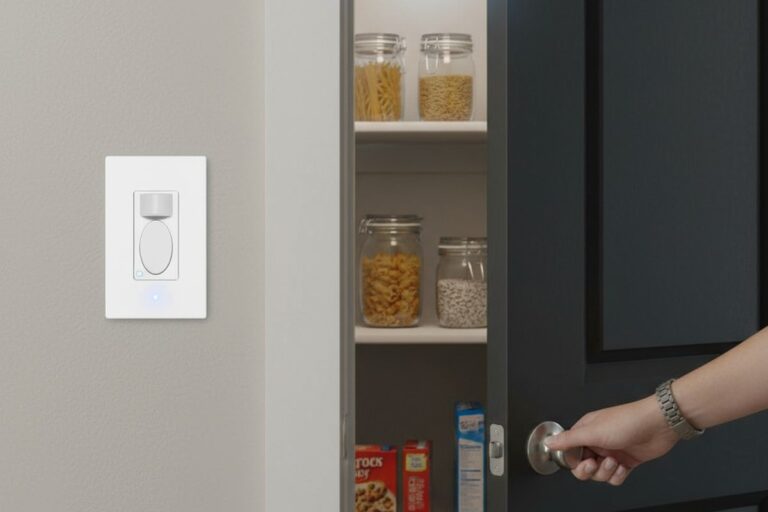
A person's hand reaches for a pantry doorknob, and a motion sensor switch on the wall has just turned on the bright light inside.

No Neutral Wire? These Rayzeek Motion Sensors Still Work

Upgrading an older home often reveals a missing neutral wire, a common roadblock for installing modern motion sensor switches. This guide explains how certain Rayzeek motion sensors overcome this limitation by using an innovative two-wire design. Learn the principles behind no-neutral operation, which Rayzeek models to choose, and how to solve common issues like LED flicker for a successful smart lighting retrofit.

อ่านเพิ่มเติม »
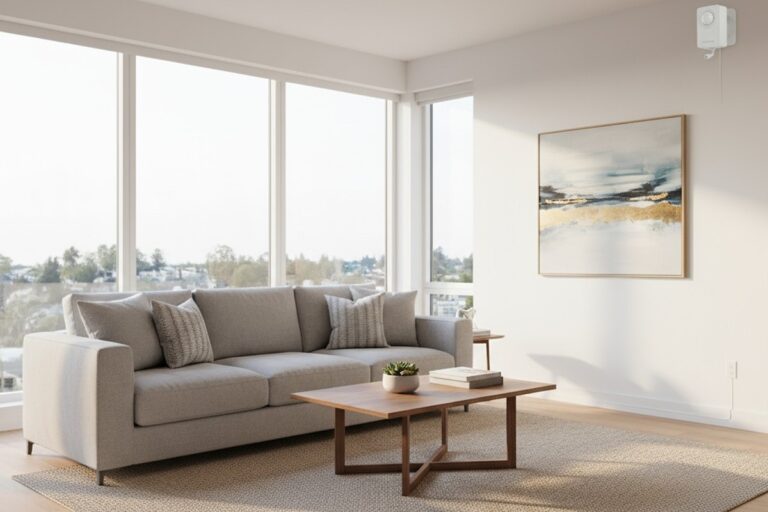
A wide shot of a tidy, modern living room with a small, white motion sensor discreetly mounted on the wall to monitor the space.

Motion-Based AC Control for Short-Term Rentals: Cutting Waste Without Wi-Fi

Wi-Fi smart thermostats often fail in short-term rentals due to network instability and guest friction. A more reliable solution is a motion-based AC cutoff system, which operates offline to automatically reduce energy waste when a unit is empty. This self-contained approach saves hosts money on electricity bills and reduces HVAC wear without compromising the guest experience or requiring complex setup.

อ่านเพิ่มเติม »
Thai