
What is Smart Lighting
Smart lighting, also known as adaptive lighting, is a technology that integrates intelligence and logic into lamps or luminaires, enabling communication and interaction with the surrounding environment, occupants of a building, and other devices in an automated manner. This innovative lighting solution brings flexibility and automation to lighting infrastructure, allowing for control over various lighting features, ranging from simple on/off switching to complex adaptive lighting.
The primary objective of smart lighting is to provide an intelligent translation of the lighting needs and preferences of the environment and its occupants with minimal human intervention. It aims to maximize energy savings in commercial facilities and enhance convenience for users in private residences. Smart lighting systems can be implemented at different scales, from individual luminaires with a point-to-point connection structure to a network of interconnected luminaires forming a mesh network. These systems are designed to work across projects of all sizes and can communicate using a wide range of protocols over various communication channels.
Kanske är du intresserad av

- Takmonterad PIR-upptagningssensor med torrkontaktreläutgång
- 12/24VDC eller 12/24VAC lågspänningsmatning
- COM, NO och NC isolerade reläkontakter för EMS, HVAC och byggnadskontrollingångar

- Lågspännings-DC inbyggd takmonterad mikrovågsrörelsesensorbrytare
- 12 VDC / 24 VDC-ingång med 10-30 VDC-område
- 10A max arbetsström med justerbar tidsfördröjning, Lux-tröskel och känslighet
- Högre lastad inbyggd takmonterad mikrovågsrörelsesensorbrytare
- 100-265 VAC nätnivåingång, 10A-modell
- 5.8 GHz mikrovågskänslighet med justerbar tidsfördröjning, Lux-tröskel och känslighet
- Inbyggd takmonterad mikrovågsrörelsesensorbrytare
- 100-265 VAC nätnivåingång, 5A-modell
- 5.8 GHz mikrovågskänslighet med justerbar tidsfördröjning, Lux-tröskel och känslighet
- Takmonterad RZ037 PIR-rörelsesensor med dimmer för 220V
- 3A maximal arbetsström med 660W nominell last
- LUX-knapp styr ljussensor PÅ/AV och användarinställd dimmerljusstyrka
- Takmonterad RZ037 PIR-rörelsesensor med dimmer för 110V
- 3A maximal arbetsström med 330W nominell last
- LUX-knapp styr ljussensor PÅ/AV och användarinställd dimmerljusstyrka

- Lågspännings DC takmonterad mikrovågsrörelsesensor
- 12 VDC / 24 VDC-ingång med 10-30 VDC-område
- 10A max arbetsström med justerbar tidsfördröjning, Lux-tröskel och känslighet
- Högre last takmonterad mikrovågsrörelsesensor
- 100-265 VAC nätnivåingång, 10A-modell
- 5.8 GHz mikrovågskänslighet med justerbar tidsfördröjning, Lux-tröskel och känslighet
- Takmonterad mikrovågsrörelsesensor
- 100-265 VAC nätnivåingång, 5A-modell
- 5.8 GHz mikrovågskänslighet med justerbar tidsfördröjning, Lux-tröskel och känslighet

- Lågspännings DC inbyggd tak-PIR-rörelsesensor
- 12 VDC / 24 VDC-ingång med 10-30 VDC-område
- Max arbetsström 10A med justerbar tidsfördröjning, Lux-tröskel och känslighet

- Högre last inbyggd tak-PIR-rörelsesensor
- 100-265 VAC nätnivåingång, 10A-modell
- 360-graders detektering med justerbar tidsfördröjning, Lux-tröskel och känslighet
- Inbyggd tak-PIR-rörelsesensor
- 100-265 VAC nätnivåingång, 5A-modell
- 360-graders detektering med justerbar tidsfördröjning, Lux-tröskel och känslighet

- Trådlöst strömbrytare- och mottagarkit för inomhus PÅ/AV-belysningskontroll
- 100-230VAC, 50/60Hz mottagare med 5A nominell ström
- CR2032-driven trådlös strömbrytare med 2,4GHz kommunikation
- Ockupation (Auto-ON/Auto-OFF)
- 12–24V DC (10–30VDC), upp till 10A
- 360° täckning, 8–12 m diameter
- Tidsfördröjning 15 s–30 min
- Ljussensor Av/15/25/35 Lux
- Hög/Låg känslighet
- Auto-ON/Auto-OFF ockuperingsläge
- 100–265V AC, 10A (neutral krävs)
- 360° täckning; 8–12 m detekteringsdiameter
- Tidsfördröjning 15 s–30 min; Lux AV/15/25/35; Känslighet Hög/Låg
- Auto-ON/Auto-OFF ockuperingsläge
- 100–265V AC, 5A (neutral krävs)
- 360° täckning; 8–12 m detekteringsdiameter
- Tidsfördröjning 15 s–30 min; Lux AV/15/25/35; Känslighet Hög/Låg
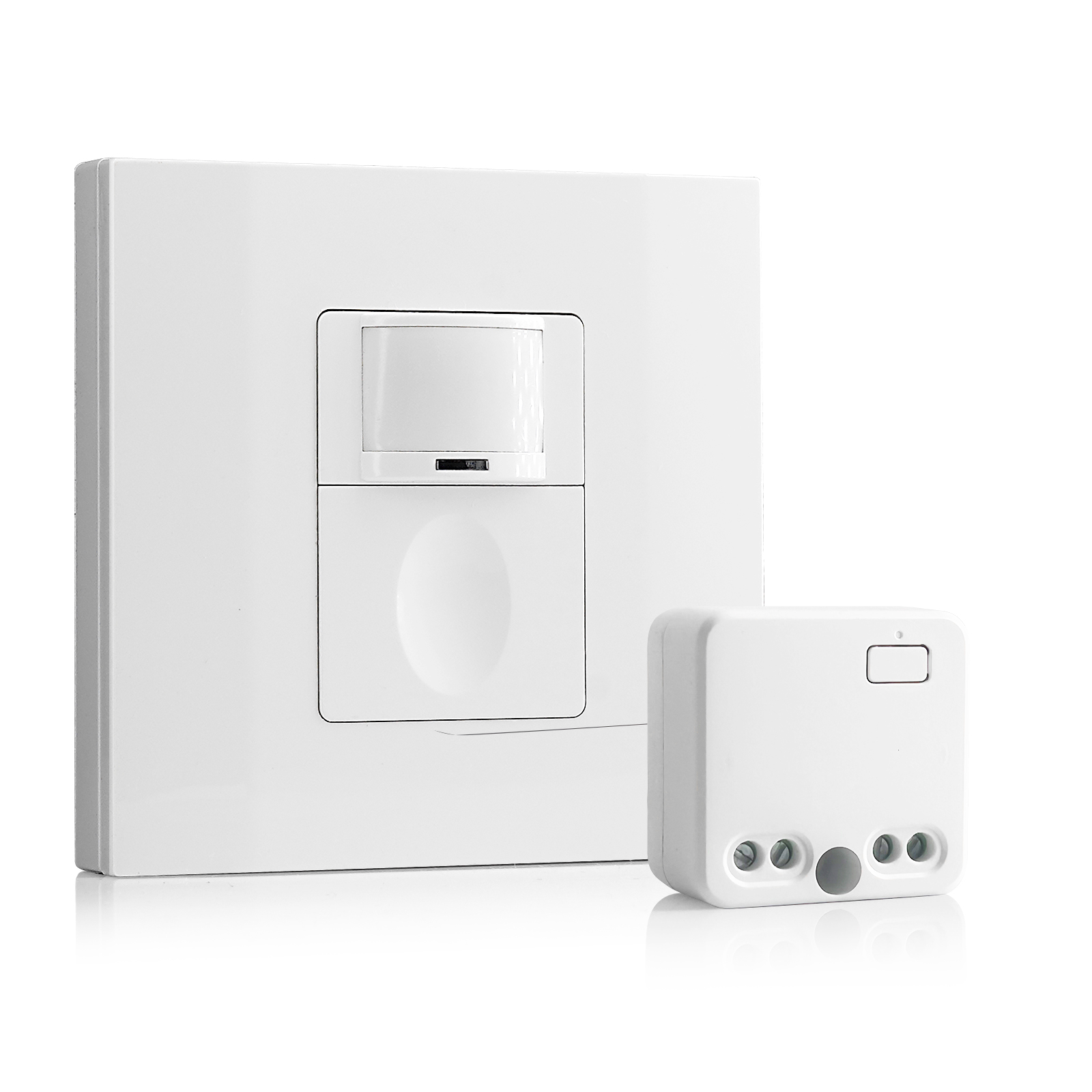
- 100V-230VAC
- Överföringsavstånd: upp till 20m
- Trådlös rörelsesensor
- Hårdtrådad kontroll
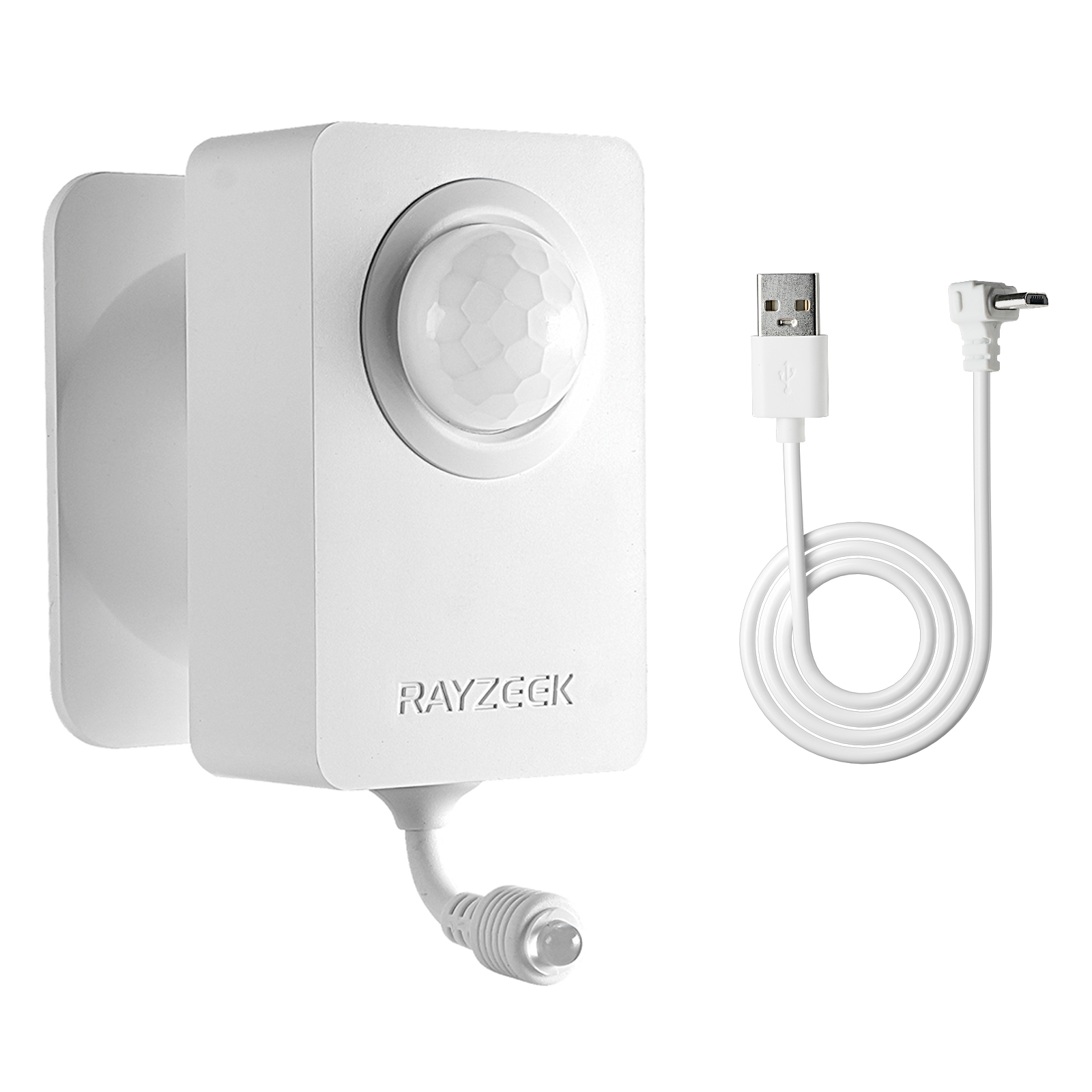
- Spänning: 2x AAA-batterier / 5V DC (Micro USB)
- Dag/Natt-läge
- Tidsfördröjning: 15min, 30min, 1h (standard), 2h
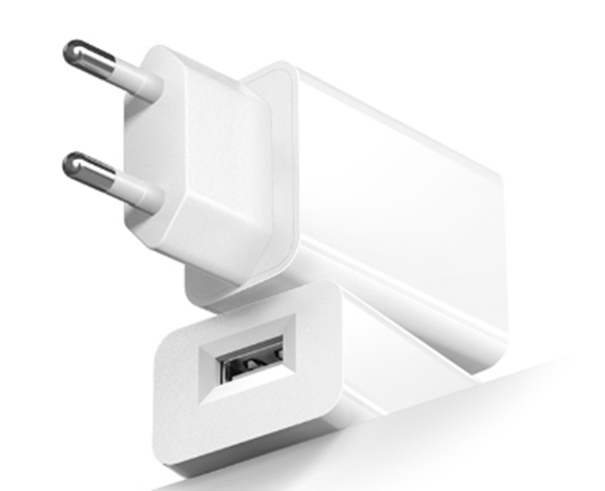
- EU-kontakt strömadapter
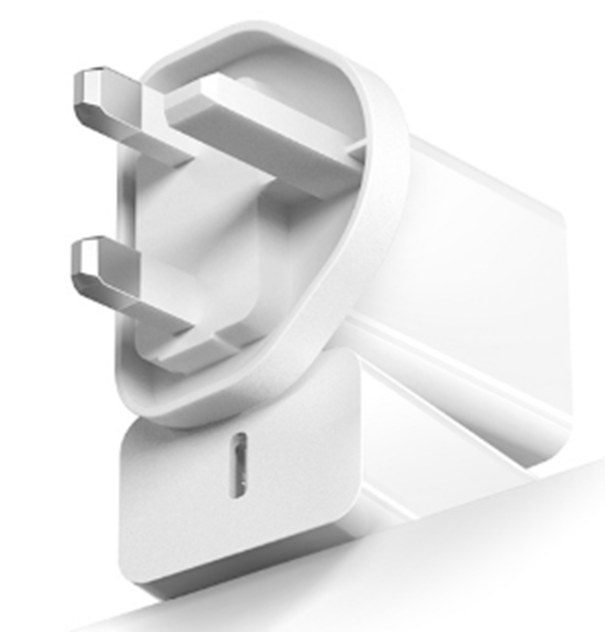
- UK-kontaktströmadapter
By incorporating intelligence and connectivity into lighting systems, smart lighting enables a range of advanced functionalities. These functionalities include energy efficiency, personalization, automation, integration with other systems, data collection and analysis, remote control and monitoring, and maintenance and fault detection.
Hämta inspiration från Rayzeeks rörelsesensorportföljer.
Hittar du inte det du vill? Oroa dig inte. Det finns alltid alternativa sätt att lösa dina problem. Kanske kan en av våra portföljer hjälpa.
Frequently Asked Questions
What Is the Difference Between Smart Light and Normal Light
They differ in terms of energy efficiency and lifespan. LED Smart Lights are designed to produce more brightness while consuming less energy compared to regular lights. Additionally, they have a longer lifespan. LED Smart Lights also feature an advanced control system that enables convenient operation through a mobile app or voice commands.
What Are the Benefits of Smart Lighting
Smart lighting offers the advantage of incorporating motion sensors in any room equipped with either a smart light switch or smart light bulb. By programming the bulbs to turn off when a room is unoccupied and only activate when motion is detected, energy conservation is further enhanced, especially when utilizing LED bulbs.
Do Smart Lights Increase Your Electric Bill
Smart lights are more energy-efficient compared to CFL light bulbs and incandescent bulbs. They consume less electricity and produce less heat while maintaining the same level of light quality. Therefore, using smart lights will not increase your electric bill.
Is Smart Lighting Expensive
Ordinary LED bulbs from well-known brands such as GE and Philips typically range in price from $1 to $3. However, when it comes to smart bulbs from these same brands, you’ll notice that their prices begin at $8 per bulb and can reach up to $15. But what is the reason behind the higher cost of smart light bulbs? Let’s delve into why smart lighting tends to be more expensive.
Do Smart Lights Require Wi-Fi
Smart lights do not require Wi-Fi to function. They operate similarly to regular LED lighting and still possess energy-saving features. Additionally, many smart lights are equipped with Bluetooth connectivity, allowing you to control them using your mobile phone, even if the Wi-Fi is unavailable.
Do Smart Lights Have Memory
The power-off memory function allows a smart light to retain information about its light status, color, and color temperature even after it has been turned off.







