
What is Ampere
An Ampere, commonly referred to as an amp, is a fundamental unit of measurement used to quantify the flow of electrical current. It represents the rate at which electrons pass through a specific point in a circuit per second. The term “Ampere” is derived from the name of the French physicist André-Marie Ampère, who made significant contributions to the study of electromagnetism.
Kanske är du intresserad av

- Takmonterad PIR-upptagningssensor med torrkontaktreläutgång
- 12/24VDC eller 12/24VAC lågspänningsmatning
- COM, NO och NC isolerade reläkontakter för EMS, HVAC och byggnadskontrollingångar

- Lågspännings-DC inbyggd takmonterad mikrovågsrörelsesensorbrytare
- 12 VDC / 24 VDC-ingång med 10-30 VDC-område
- 10A max arbetsström med justerbar tidsfördröjning, Lux-tröskel och känslighet
- Högre lastad inbyggd takmonterad mikrovågsrörelsesensorbrytare
- 100-265 VAC nätnivåingång, 10A-modell
- 5.8 GHz mikrovågskänslighet med justerbar tidsfördröjning, Lux-tröskel och känslighet
- Inbyggd takmonterad mikrovågsrörelsesensorbrytare
- 100-265 VAC nätnivåingång, 5A-modell
- 5.8 GHz mikrovågskänslighet med justerbar tidsfördröjning, Lux-tröskel och känslighet
- Takmonterad RZ037 PIR-rörelsesensor med dimmer för 220V
- 3A maximal arbetsström med 660W nominell last
- LUX-knapp styr ljussensor PÅ/AV och användarinställd dimmerljusstyrka
- Takmonterad RZ037 PIR-rörelsesensor med dimmer för 110V
- 3A maximal arbetsström med 330W nominell last
- LUX-knapp styr ljussensor PÅ/AV och användarinställd dimmerljusstyrka

- Lågspännings DC takmonterad mikrovågsrörelsesensor
- 12 VDC / 24 VDC-ingång med 10-30 VDC-område
- 10A max arbetsström med justerbar tidsfördröjning, Lux-tröskel och känslighet
- Högre last takmonterad mikrovågsrörelsesensor
- 100-265 VAC nätnivåingång, 10A-modell
- 5.8 GHz mikrovågskänslighet med justerbar tidsfördröjning, Lux-tröskel och känslighet
- Takmonterad mikrovågsrörelsesensor
- 100-265 VAC nätnivåingång, 5A-modell
- 5.8 GHz mikrovågskänslighet med justerbar tidsfördröjning, Lux-tröskel och känslighet

- Lågspännings DC inbyggd tak-PIR-rörelsesensor
- 12 VDC / 24 VDC-ingång med 10-30 VDC-område
- Max arbetsström 10A med justerbar tidsfördröjning, Lux-tröskel och känslighet

- Högre last inbyggd tak-PIR-rörelsesensor
- 100-265 VAC nätnivåingång, 10A-modell
- 360-graders detektering med justerbar tidsfördröjning, Lux-tröskel och känslighet
- Inbyggd tak-PIR-rörelsesensor
- 100-265 VAC nätnivåingång, 5A-modell
- 360-graders detektering med justerbar tidsfördröjning, Lux-tröskel och känslighet

- Trådlöst strömbrytare- och mottagarkit för inomhus PÅ/AV-belysningskontroll
- 100-230VAC, 50/60Hz mottagare med 5A nominell ström
- CR2032-driven trådlös strömbrytare med 2,4GHz kommunikation
- Ockupation (Auto-ON/Auto-OFF)
- 12–24V DC (10–30VDC), upp till 10A
- 360° täckning, 8–12 m diameter
- Tidsfördröjning 15 s–30 min
- Ljussensor Av/15/25/35 Lux
- Hög/Låg känslighet
- Auto-ON/Auto-OFF ockuperingsläge
- 100–265V AC, 10A (neutral krävs)
- 360° täckning; 8–12 m detekteringsdiameter
- Tidsfördröjning 15 s–30 min; Lux AV/15/25/35; Känslighet Hög/Låg
- Auto-ON/Auto-OFF ockuperingsläge
- 100–265V AC, 5A (neutral krävs)
- 360° täckning; 8–12 m detekteringsdiameter
- Tidsfördröjning 15 s–30 min; Lux AV/15/25/35; Känslighet Hög/Låg
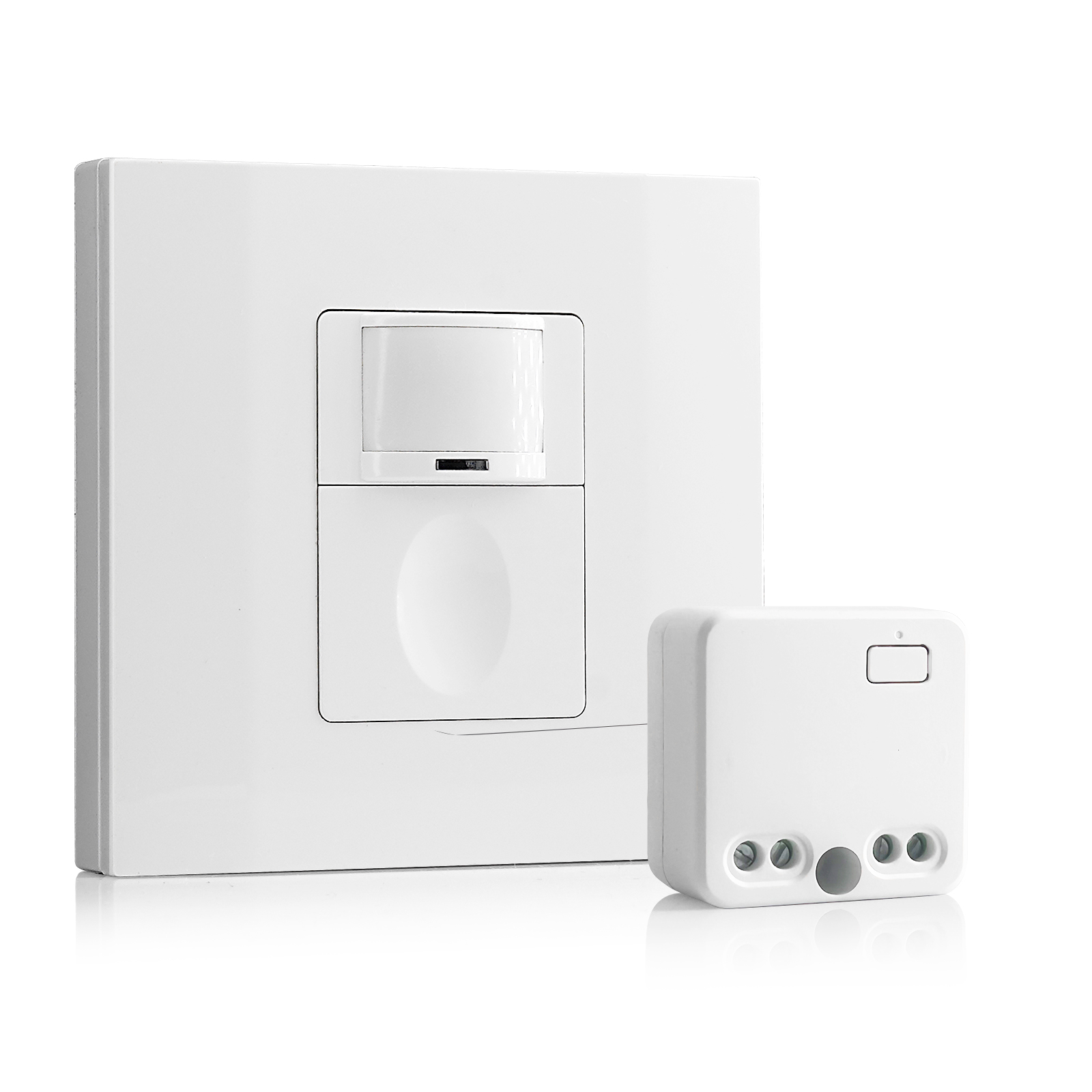
- 100V-230VAC
- Överföringsavstånd: upp till 20m
- Trådlös rörelsesensor
- Hårdtrådad kontroll
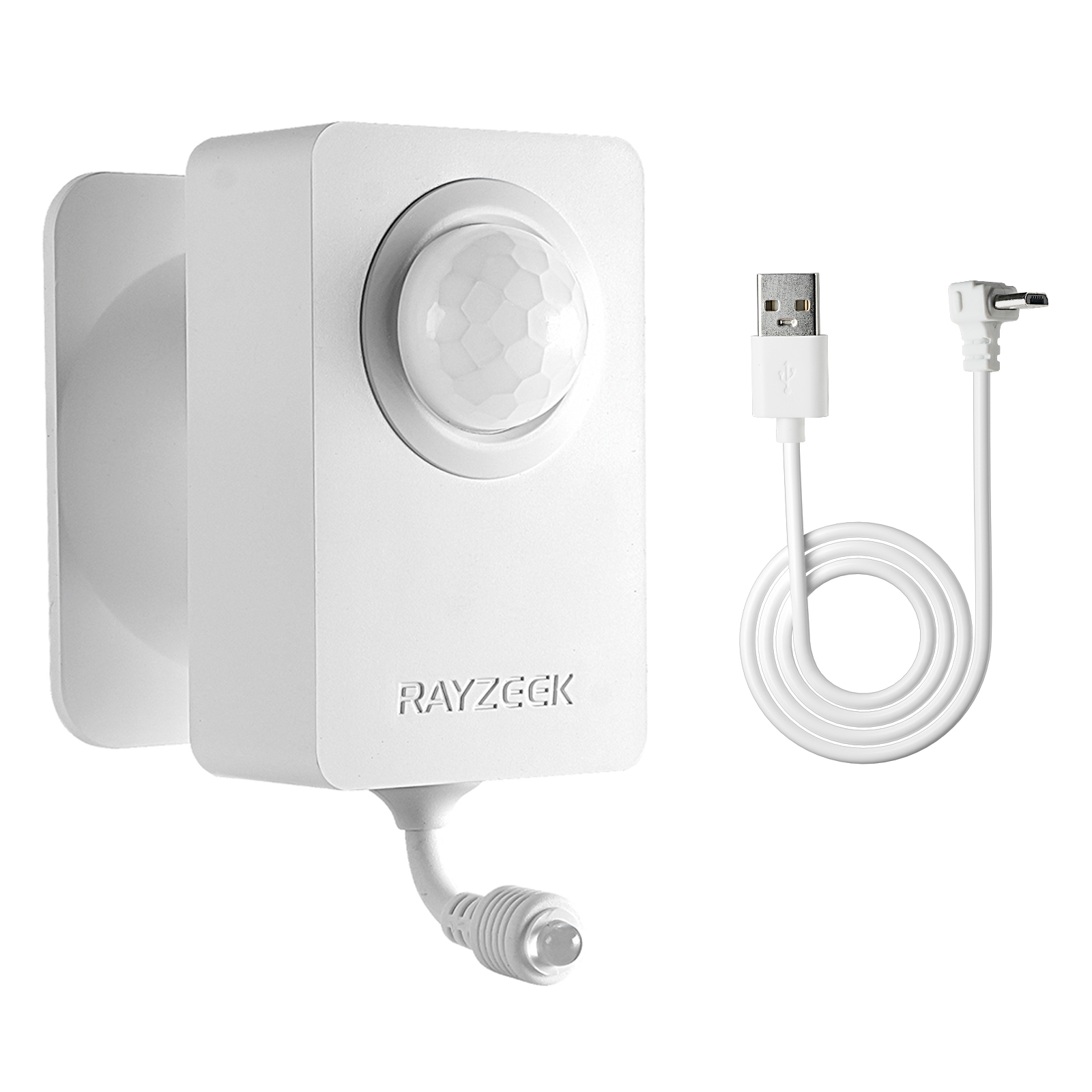
- Spänning: 2x AAA-batterier / 5V DC (Micro USB)
- Dag/Natt-läge
- Tidsfördröjning: 15min, 30min, 1h (standard), 2h
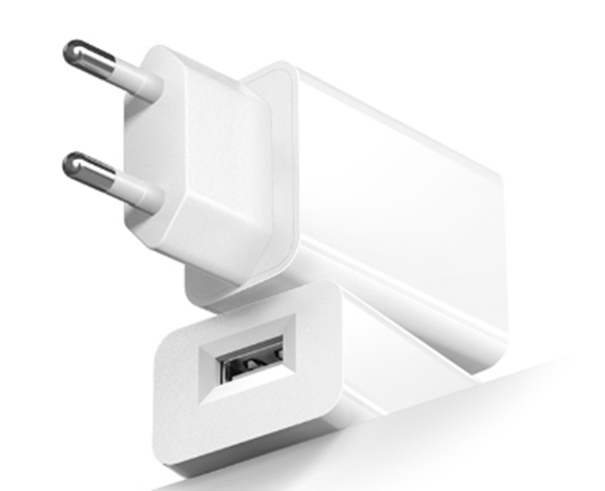
- EU-kontakt strömadapter
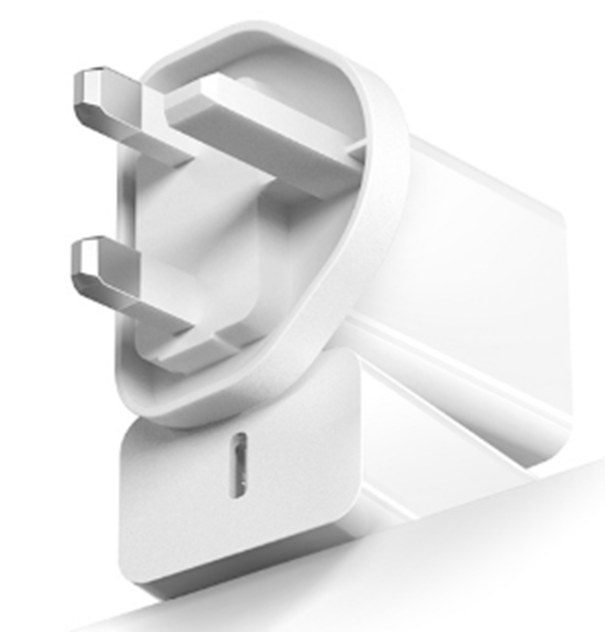
- UK-kontaktströmadapter
Amps play a crucial role in determining the amperage of a lighting fixture. Each fixture has a designated amp rating, which indicates the amount of current it requires to function properly. Using a power supply with the correct amp rating ensures that the fixture operates at its maximum capacity. If the amp rating is too low, the lighting may not function properly, while using a power supply with a higher amp rating than necessary will result in the fixture only using the amount of current it requires.
Understanding the ampere rating is essential for selecting the appropriate fixtures for a given electrical circuit and ensuring their safe and efficient operation. It is also closely related to voltage and resistance, as defined by Ohm’s Law, which states that the current flowing through a conductor is directly proportional to the voltage applied across it and inversely proportional to the resistance of the conductor.
Hämta inspiration från Rayzeeks rörelsesensorportföljer.
Hittar du inte det du vill? Oroa dig inte. Det finns alltid alternativa sätt att lösa dina problem. Kanske kan en av våra portföljer hjälpa.
Frequently Asked Questions
How Many Amps Is a 100 Watt Bulb
Divide the wattage of the bulb by the voltage of the system to determine the amperage. For instance, in a 12-volt system, a 100-watt bulb will draw approximately 8.3 amps.
How Many Amps Does a 60W LED Bulb Use
A 60W LED bulb typically consumes around 0.54 amps of current.
How Many Amps Does a 200 Watt LED Light Draw
The 200W LED light draws a current of 2.5 amps, which is significantly lower compared to the 1000W Halogen light that draws slightly over 8 amps. These LED lights have a long lifespan of up to 120,000 hours per light cell and can be plugged into any 110W outlet for instant restrike. They are an excellent choice for both year-round and highly mobile applications.
Do Amps Matter for Lights
All lighting fixtures have specific amp requirements, and using the correct amp power supply is essential for proper functionality. If you use a power supply with lower amps, your lighting may not reach its maximum capacity. Conversely, if you use a power supply with higher amps than your fixture requires, the light will only draw the amount it needs.
How Do You Calculate Amps for LED Lights
To calculate the amperage for LED lights, you can use a straightforward formula: divide the wattage by the voltage. For example, if you have a lighting fixture with a wattage of 60 and a voltage of 12, divide 60 by 12 to get five amps.







