
What is American National Standards Institute (ANSI)
ANSI (American National Standards Institute) is a private, not-for-profit organization in the development of voluntary standards and conformity assessment systems across various industries, including the lighting industry. While ANSI does not directly create American National Standards, it provides the necessary support and accreditation to standard development organizations (SDOs) responsible for their creation.
Hämta inspiration från Rayzeeks rörelsesensorportföljer.
Hittar du inte det du vill? Oroa dig inte. Det finns alltid alternativa sätt att lösa dina problem. Kanske kan en av våra portföljer hjälpa.
ANSI monitors the standardization process and ensures its fairness and transparency by accrediting SDOs. By doing so, ANSI ensures that interested parties have the opportunity to participate in the standards development process. Additionally, ANSI collaborates with these organizations to establish consistent and rigorous assessment processes, ensuring that the standards are developed using a reliable methodology.
With a membership of over 1,000 organizations representing more than 270,000 companies, professional societies, trade associations, government agencies, and consumer and labor organizations, ANSI holds significant influence and represents the interests of millions of professionals worldwide. The standards developed by ANSI not only benefit businesses but also prioritize public safety and support the overall economy.
In the lighting industry, ANSI accredits SDOs such as ASTM International, Underwriters Laboratories, Inc., NFPA International, ASME International, ASHRAE, CSA America, Inc., and NSF International. These organizations play a vital role in developing and maintaining standards related to lighting products, installation, safety, energy efficiency, and other crucial aspects.
Kanske är du intresserad av

- Takmonterad PIR-upptagningssensor med torrkontaktreläutgång
- 12/24VDC eller 12/24VAC lågspänningsmatning
- COM, NO och NC isolerade reläkontakter för EMS, HVAC och byggnadskontrollingångar

- Lågspännings-DC inbyggd takmonterad mikrovågsrörelsesensorbrytare
- 12 VDC / 24 VDC-ingång med 10-30 VDC-område
- 10A max arbetsström med justerbar tidsfördröjning, Lux-tröskel och känslighet
- Högre lastad inbyggd takmonterad mikrovågsrörelsesensorbrytare
- 100-265 VAC nätnivåingång, 10A-modell
- 5.8 GHz mikrovågskänslighet med justerbar tidsfördröjning, Lux-tröskel och känslighet
- Inbyggd takmonterad mikrovågsrörelsesensorbrytare
- 100-265 VAC nätnivåingång, 5A-modell
- 5.8 GHz mikrovågskänslighet med justerbar tidsfördröjning, Lux-tröskel och känslighet
- Takmonterad RZ037 PIR-rörelsesensor med dimmer för 220V
- 3A maximal arbetsström med 660W nominell last
- LUX-knapp styr ljussensor PÅ/AV och användarinställd dimmerljusstyrka
- Takmonterad RZ037 PIR-rörelsesensor med dimmer för 110V
- 3A maximal arbetsström med 330W nominell last
- LUX-knapp styr ljussensor PÅ/AV och användarinställd dimmerljusstyrka

- Lågspännings DC takmonterad mikrovågsrörelsesensor
- 12 VDC / 24 VDC-ingång med 10-30 VDC-område
- 10A max arbetsström med justerbar tidsfördröjning, Lux-tröskel och känslighet
- Högre last takmonterad mikrovågsrörelsesensor
- 100-265 VAC nätnivåingång, 10A-modell
- 5.8 GHz mikrovågskänslighet med justerbar tidsfördröjning, Lux-tröskel och känslighet
- Takmonterad mikrovågsrörelsesensor
- 100-265 VAC nätnivåingång, 5A-modell
- 5.8 GHz mikrovågskänslighet med justerbar tidsfördröjning, Lux-tröskel och känslighet

- Lågspännings DC inbyggd tak-PIR-rörelsesensor
- 12 VDC / 24 VDC-ingång med 10-30 VDC-område
- Max arbetsström 10A med justerbar tidsfördröjning, Lux-tröskel och känslighet

- Högre last inbyggd tak-PIR-rörelsesensor
- 100-265 VAC nätnivåingång, 10A-modell
- 360-graders detektering med justerbar tidsfördröjning, Lux-tröskel och känslighet
- Inbyggd tak-PIR-rörelsesensor
- 100-265 VAC nätnivåingång, 5A-modell
- 360-graders detektering med justerbar tidsfördröjning, Lux-tröskel och känslighet

- Trådlöst strömbrytare- och mottagarkit för inomhus PÅ/AV-belysningskontroll
- 100-230VAC, 50/60Hz mottagare med 5A nominell ström
- CR2032-driven trådlös strömbrytare med 2,4GHz kommunikation
- Ockupation (Auto-ON/Auto-OFF)
- 12–24V DC (10–30VDC), upp till 10A
- 360° täckning, 8–12 m diameter
- Tidsfördröjning 15 s–30 min
- Ljussensor Av/15/25/35 Lux
- Hög/Låg känslighet
- Auto-ON/Auto-OFF ockuperingsläge
- 100–265V AC, 10A (neutral krävs)
- 360° täckning; 8–12 m detekteringsdiameter
- Tidsfördröjning 15 s–30 min; Lux AV/15/25/35; Känslighet Hög/Låg
- Auto-ON/Auto-OFF ockuperingsläge
- 100–265V AC, 5A (neutral krävs)
- 360° täckning; 8–12 m detekteringsdiameter
- Tidsfördröjning 15 s–30 min; Lux AV/15/25/35; Känslighet Hög/Låg
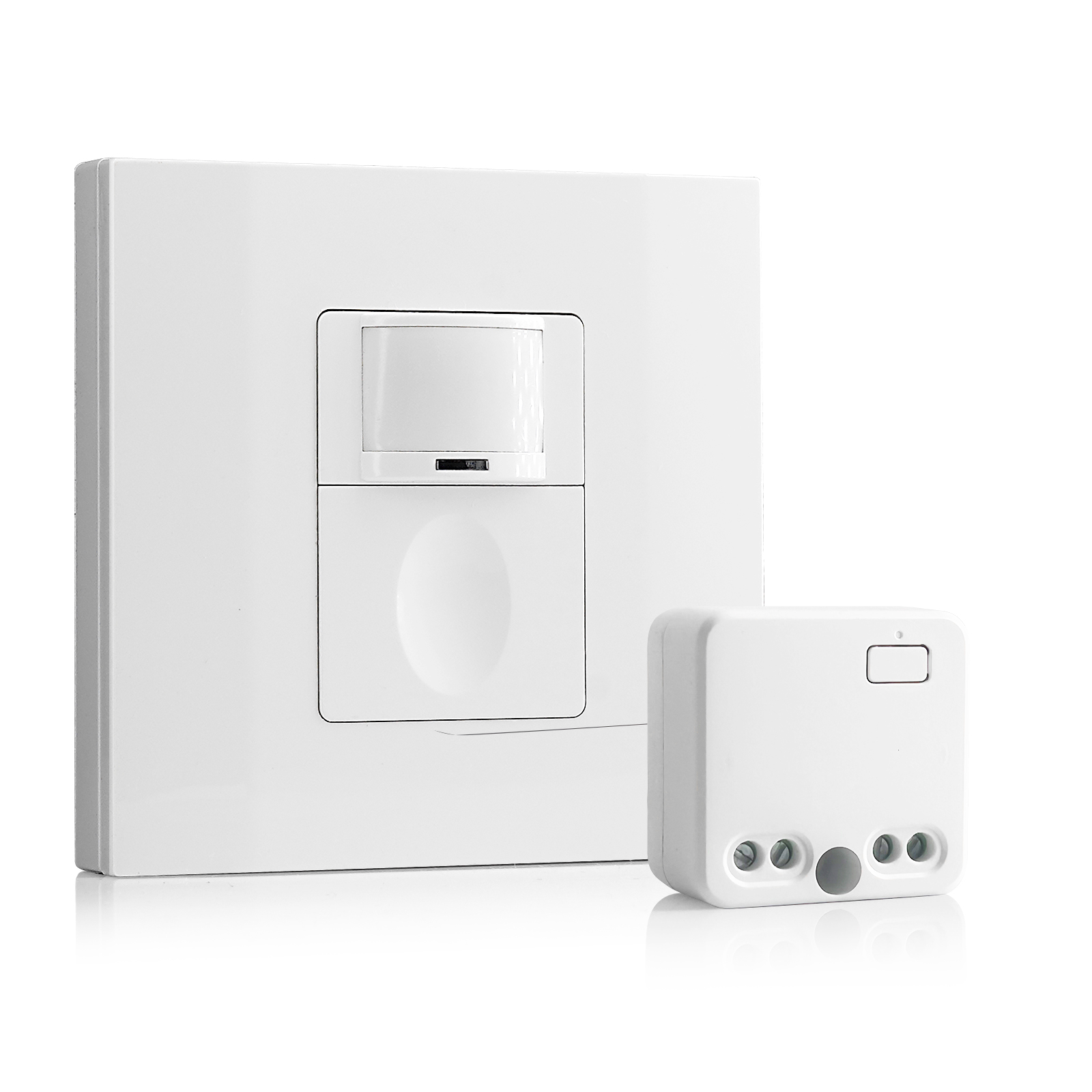
- 100V-230VAC
- Överföringsavstånd: upp till 20m
- Trådlös rörelsesensor
- Hårdtrådad kontroll
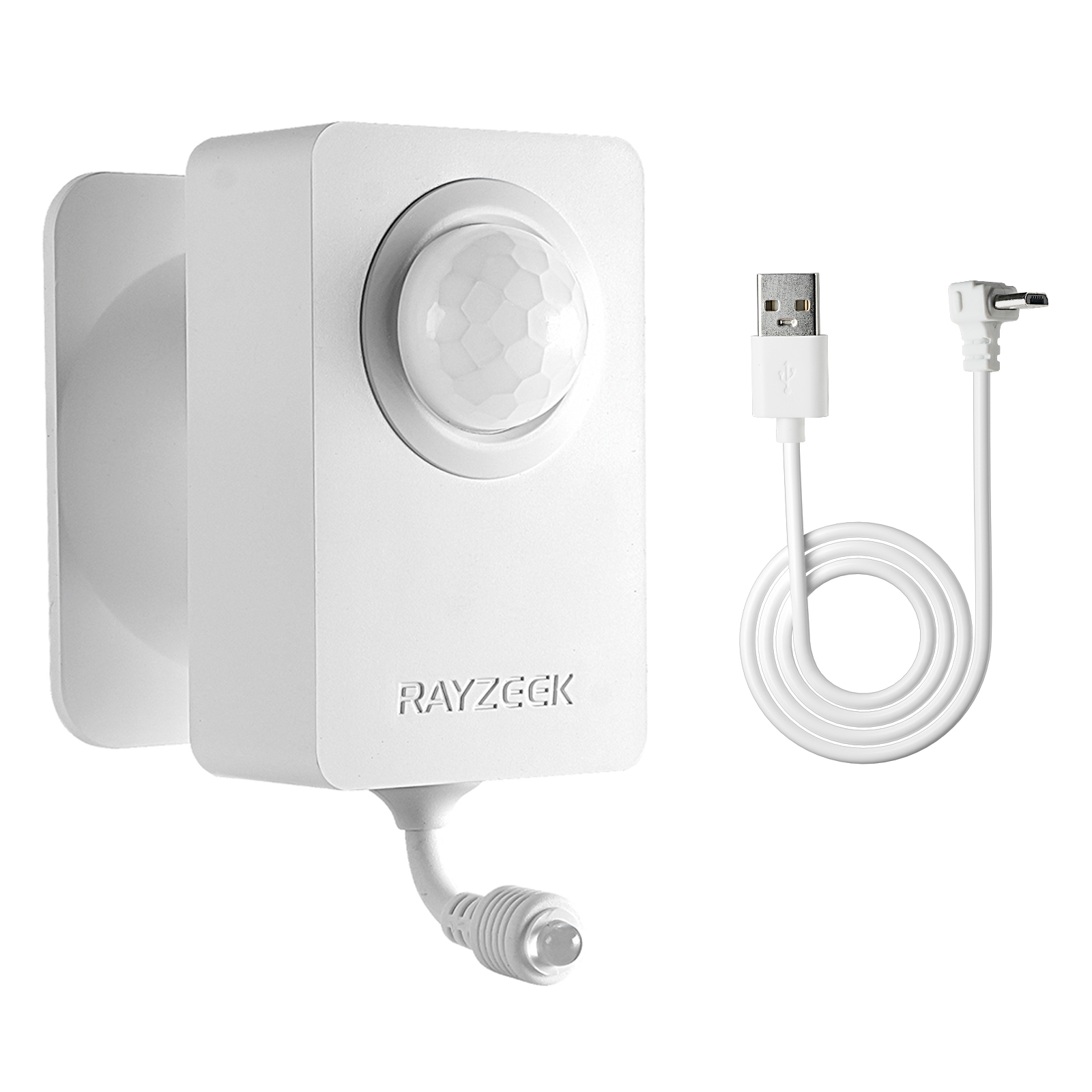
- Spänning: 2x AAA-batterier / 5V DC (Micro USB)
- Dag/Natt-läge
- Tidsfördröjning: 15min, 30min, 1h (standard), 2h
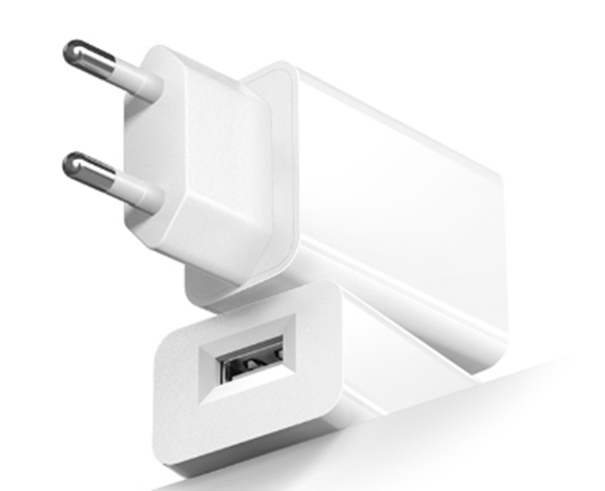
- EU-kontakt strömadapter
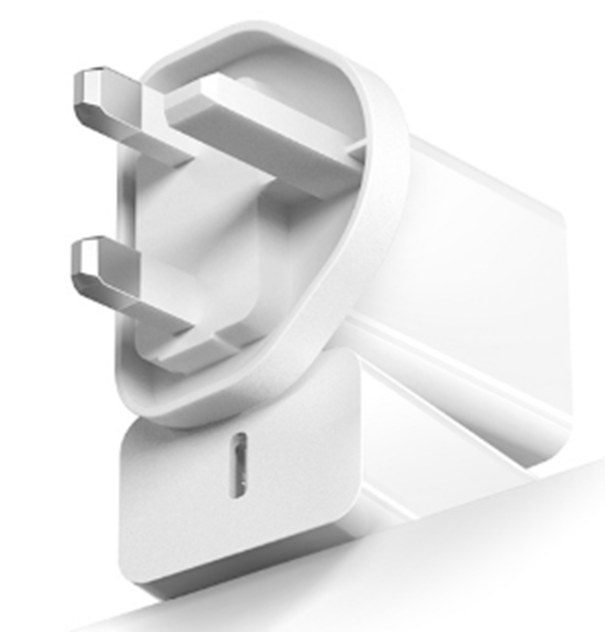
- UK-kontaktströmadapter
Frequently Asked Questions
What Does the American National Standards Institute ANSI Do
The American National Standards Institute is responsible for supervising and managing standards and conformity assessment activities within the United States.
What Does It Mean to Be ANSI Certified
Becoming ANSI certified signifies that the CCIFP certification adheres to the most rigorous standards. This instills an extra level of trust in the certification and those who possess the CCIFP designation. It also safeguards the credibility of ICCIFP and its legal defensibility.
Are ANSI Standards Mandatory
ANSI Standards are typically not mandatory, unlike OSHA laws and government standards which are always mandatory.
Who Do ANSI Standards Apply To
The ANSI standard is applicable to all types of detached single-family homes, including manufactured housing.
What Are the Benefits of ANSI Accreditation
Going through the process of ANSI accreditation can have several advantages. It can lead to cost reduction and increased efficiency in the global supply chain by implementing best practices, streamlining processes, and minimizing the need for multiple audits. Additionally, obtaining ANSI accreditation can provide an extra level of legal protection against unfounded claims.
Does OSHA Recognize ANSI Standards
ANSI standards can be adopted by OSHA and become legally binding in two main ways. One way is when OSHA explicitly references specific ANSI (or any other organization’s) standards in their regulations. This is known as “incorporation by reference”.
Does OSHA Use ANSI or ISO
The main distinction between OSHA, ANSI, and ISO standards lies in their enforceability. OSHA is a legally binding standard, whereas ANSI and ISO are voluntary standards.







