

What is Anode
In the lighting industry, anode refers to the positive terminal of an electrical component, specifically in relation to LEDs (Light Emitting Diodes). It is one of the two terminals on each diode through which electrical current flows. The anode serves as the entry point for the current, while the other terminal, known as the cathode, acts as the exit point. It attracts a negative charge, despite being positively charged itself. This is because the anode acts as an electron acceptor, facilitating the process of oxidation to attract the negative charge. As a result, the anode is where the oxidation occurs within the LED.
Identifying the anode and cathode correctly is crucial for proper LED polarity marking and connection. If the terminals are not correctly identified, the LED will not function as intended. Therefore, understanding the concept of the anode is essential in the lighting industry, particularly when working with LEDs.
Возможно, вас заинтересует

- Потолочный PIR-датчик присутствия с выходом реле с сухим контактом
- Низковольтное питание 12/24VDC или 12/24VAC
- Изолированные контакты реле COM, NO и NC для входов систем управления энергопотреблением (EMS), HVAC и диспетчеризации зданий

- Низковольтный встраиваемый потолочный микроволновый датчик движения-выключатель постоянного тока
- Входное напряжение 12 VDC / 24 VDC с диапазоном 10-30 VDC
- Максимальный рабочий ток 10А с регулируемой задержкой времени, порогом освещенности Lux и чувствительностью
- Встраиваемый потолочный микроволновый датчик движения-выключатель для более высокой нагрузки
- Сетевое входное напряжение 100-265 VAC, модель на 10А
- Микроволновое обнаружение 5.8 GHz с регулируемой задержкой времени, порогом освещенности Lux и чувствительностью
- Встраиваемый потолочный микроволновый датчик движения-выключатель
- Сетевое входное напряжение 100-265 VAC, модель на 5А
- Микроволновое обнаружение 5.8 GHz с регулируемой задержкой времени, порогом освещенности Lux и чувствительностью
- Потолочный PIR-датчик присутствия-диммер RZ037 для сети 220V
- Максимальный рабочий ток 3А с номинальной нагрузкой 660W
- Кнопка LUX управляет включением/выключением датчика освещенности и установленной пользователем яркостью диммирования
- Потолочный PIR-датчик присутствия-диммер RZ037 для сети 110V
- Максимальный рабочий ток 3А с номинальной нагрузкой 330W
- Кнопка LUX управляет включением/выключением датчика освещенности и установленной пользователем яркостью диммирования

- Низковольтный потолочный микроволновый датчик движения DC
- Входное напряжение 12 VDC / 24 VDC с диапазоном 10-30 VDC
- Максимальный рабочий ток 10А с регулируемой задержкой времени, порогом освещенности Lux и чувствительностью
- Потолочный микроволновый датчик движения для повышенной нагрузки
- Сетевое входное напряжение 100-265 VAC, модель на 10А
- Микроволновое обнаружение 5.8 GHz с регулируемой задержкой времени, порогом освещенности Lux и чувствительностью
- Потолочный микроволновый датчик движения
- Сетевое входное напряжение 100-265 VAC, модель на 5А
- Микроволновое обнаружение 5.8 GHz с регулируемой задержкой времени, порогом освещенности Lux и чувствительностью

- Низковольтный встраиваемый потолочный PIR-датчик движения DC
- Входное напряжение 12 VDC / 24 VDC с диапазоном 10-30 VDC
- Максимальный рабочий ток 10А с регулируемой задержкой времени, порогом освещенности (Lux) и чувствительностью

- Встраиваемый потолочный PIR-датчик движения для повышенной нагрузки
- Сетевое входное напряжение 100-265 VAC, модель на 10А
- Обнаружение на 360 градусов с регулируемой задержкой времени, порогом освещенности (Lux) и чувствительностью
- Встраиваемый потолочный PIR-датчик движения
- Сетевое входное напряжение 100-265 VAC, модель на 5А
- Обнаружение на 360 градусов с регулируемой задержкой времени, порогом освещенности (Lux) и чувствительностью

- Комплект из беспроводного выключателя и приемника для управления внутренним освещением (вкл/выкл)
- Приемник 100-230VAC, 50/60Hz с номинальным током 5A
- Беспроводной выключатель с питанием от батарейки CR2032 и связью 2.4GHz
- Режим присутствия (автоматическое включение / автоматическое выключение)
- 12–24V DC (10–30VDC), до 10A
- Зона покрытия 360°, диаметр обнаружения 8–12 м
- Задержка времени от 15 с до 30 мин
- Датчик освещенности Выкл/15/25/35 Lux
- Высокая/низкая чувствительность
- Режим присутствия с авто-включением и авто-выключением
- 100–265V AC, 10A (требуется нейтральный провод)
- Зона покрытия 360°; диаметр обнаружения 8–12 м
- Задержка времени 15 с–30 мин; освещенность Выкл/15/25/35 Lux; чувствительность Высокая/Низкая
- Режим присутствия с авто-включением и авто-выключением
- 100–265V AC, 5A (требуется нейтральный провод)
- Зона покрытия 360°; диаметр обнаружения 8–12 м
- Задержка времени 15 с–30 мин; освещенность Выкл/15/25/35 Lux; чувствительность Высокая/Низкая
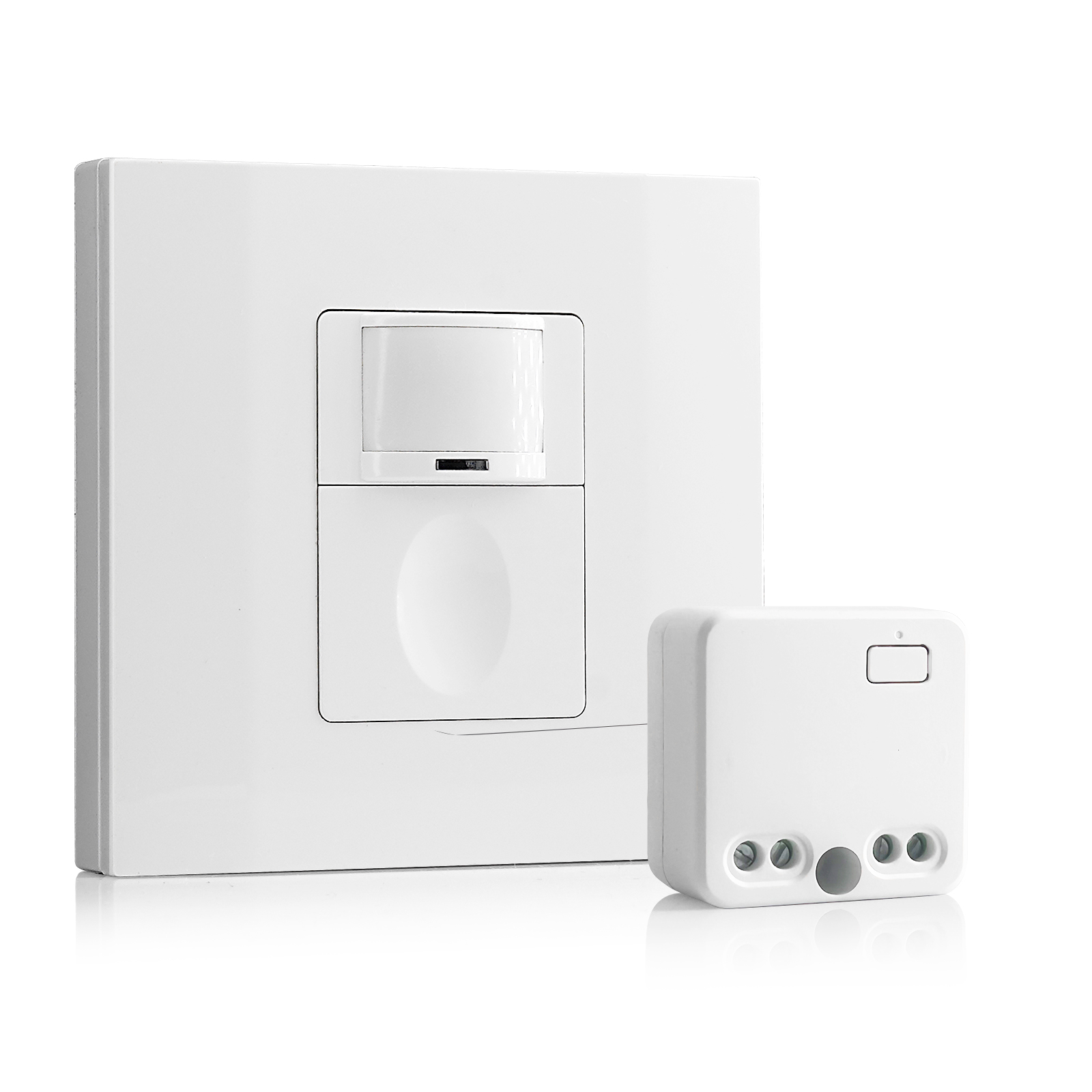
- 100V-230VAC
- Дальность передачи: до 20m
- Беспроводной датчик движения
- Проводное управление
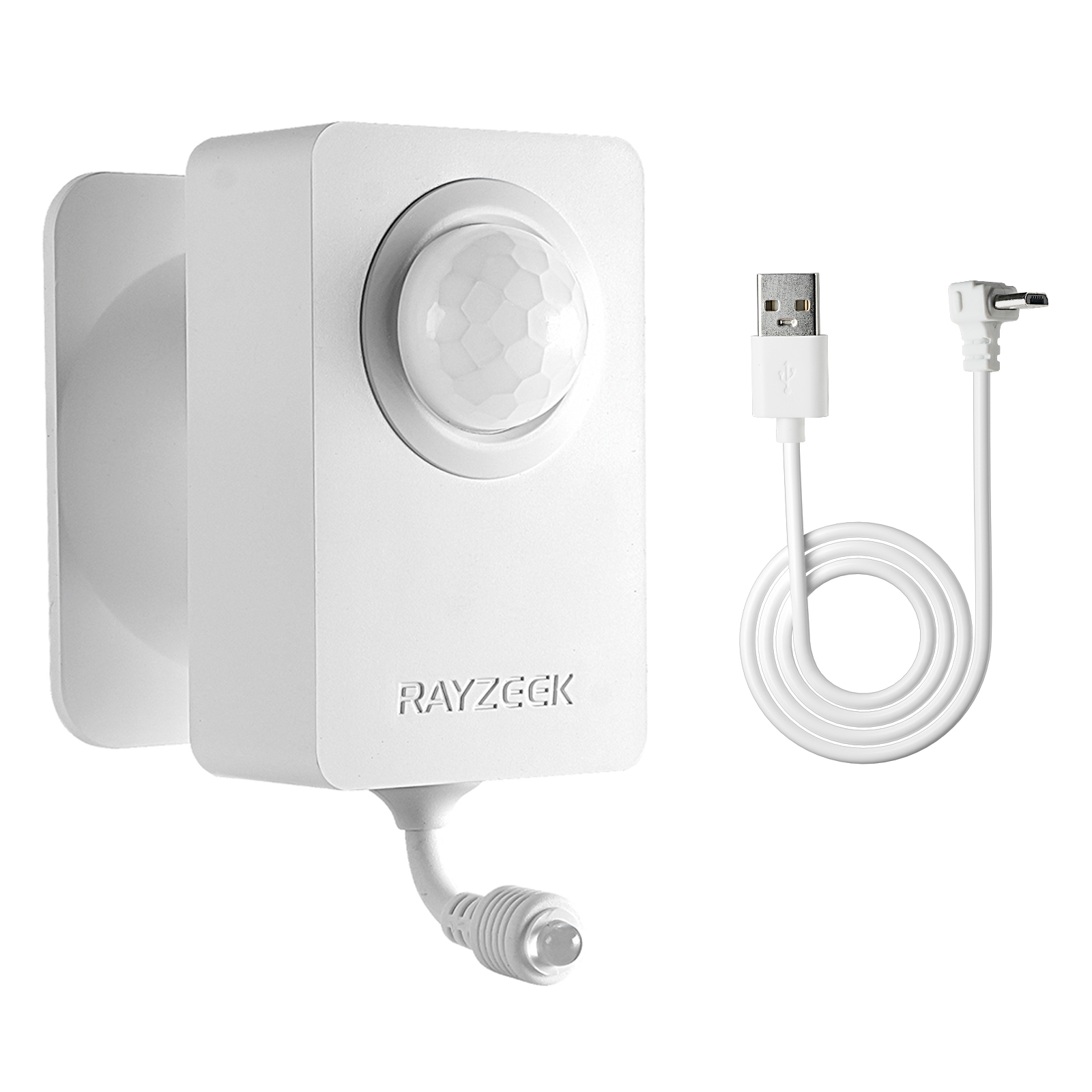
- Напряжение: 2x AAA батарейки / 5V DC (Micro USB)
- Режим День/Ночь
- Задержка времени: 15min, 30min, 1h (по умолчанию), 2h
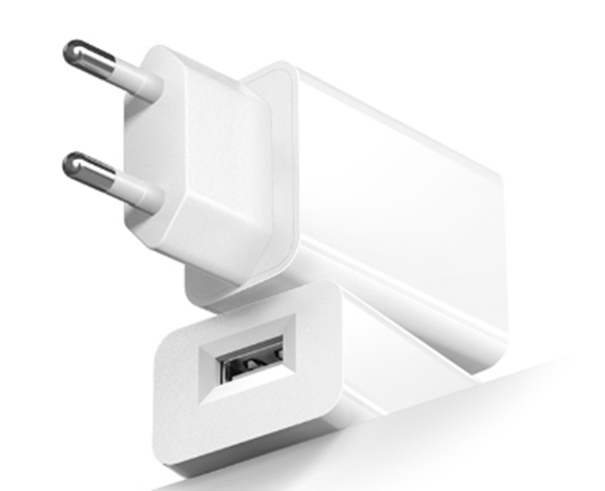
- Адаптер питания с евровилкой
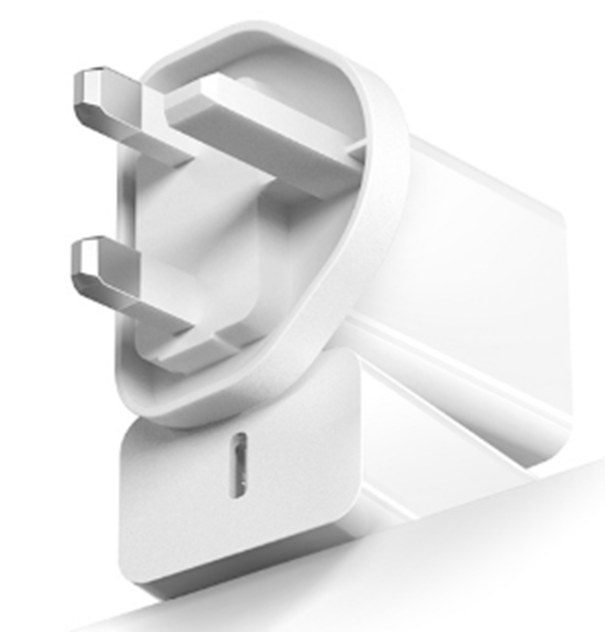
- Адаптер питания с британской вилкой
Frequently Asked Questions
What Is the Difference Between a LED Anode and Cathode
LED polarity refers to the positive (+) and negative (-) sides of LEDs and other diodes. To ensure proper functioning, an LED must be connected to a voltage source with the correct side. The positive (+) side, known as the anode, is the voltage supply side of the diode. Conversely, the negative side is referred to as the cathode.
Is the Anode Longer on LED
The anode, which is the positive terminal of an LED, is identified by the longer lead. Conversely, the cathode, which has negative polarity, is indicated by the shorter lead.
How Can You Recognize the Anode of an LED
To facilitate the identification of the leads, LEDs are designed with two distinguishing characteristics. One of these characteristics is that LEDs have a lead that is longer than the other. This longer lead corresponds to the anode (+), while the shorter lead corresponds to the cathode (-).
Why Is the Anode Positive in an LED
For an LED to function and produce light, the current needs to flow out of the cathode, which is the pointed end in the diagram. In the case of charging a battery, the positive terminal becomes the anode.
How Do You Tell if It’s a Cathode or Anode
The cathode and anode can be distinguished based on their potential. The electrode with a higher potential is the positive electrode. When the battery is being discharged, the positive electrode functions as the cathode, while the negative electrode functions as the anode. Conversely, during the charging process, the positive electrode acts as the anode, and the negative electrode acts as the cathode.
Does Anode or Cathode Go to Ground
Current flows into the LED through the anode and exits through the cathode. As a result, it is important to position the anode (Long Leg) towards the positive terminal of the breadboard, while the cathode (Short Leg) should be directed towards the ground (negative terminal).
Does Anode Go to Positive or Negative
The Anode is the electrode that releases electrons to the external circuit and undergoes oxidation during an electrochemical reaction. It is considered the negative or reducing electrode. On the other hand, the Cathode is the electrode that acquires electrons from the external circuit and undergoes reduction during the electrochemical reaction. It is considered the positive or oxidizing electrode.







