

What is Anode
In the lighting industry, anode refers to the positive terminal of an electrical component, specifically in relation to LEDs (Light Emitting Diodes). It is one of the two terminals on each diode through which electrical current flows. The anode serves as the entry point for the current, while the other terminal, known as the cathode, acts as the exit point. It attracts a negative charge, despite being positively charged itself. This is because the anode acts as an electron acceptor, facilitating the process of oxidation to attract the negative charge. As a result, the anode is where the oxidation occurs within the LED.
Identifying the anode and cathode correctly is crucial for proper LED polarity marking and connection. If the terminals are not correctly identified, the LED will not function as intended. Therefore, understanding the concept of the anode is essential in the lighting industry, particularly when working with LEDs.
Ces produits pourraient vous intéresser

- Détecteur de présence PIR pour montage au plafond avec sortie relais à contact sec
- Alimentation basse tension 12/24VDC ou 12/24VAC
- Contacts de relais isolés COM, NO et NC pour les entrées de gestion technique des bâtiments (GTB), de CVC et de contrôle des bâtiments

- Interrupteur détecteur de mouvement à micro-ondes basse tension DC encastrable au plafond
- Entrée 12 VDC / 24 VDC avec une plage de 10-30 VDC
- Courant de fonctionnement max de 10A avec temporisation, seuil Lux et sensibilité réglables
- Interrupteur détecteur de mouvement à micro-ondes encastrable au plafond pour charges plus élevées
- Entrée de tension secteur 100-265 VAC, modèle 10A
- Détection micro-ondes 5,8 GHz avec temporisation, seuil Lux et sensibilité réglables
- Interrupteur détecteur de mouvement à micro-ondes encastrable au plafond
- Entrée de tension secteur 100-265 VAC, modèle 5A
- Détection micro-ondes 5,8 GHz avec temporisation, seuil Lux et sensibilité réglables
- Variateur détecteur de présence PIR RZ037 pour montage au plafond pour alimentation 220V
- Courant de fonctionnement maximum de 3A avec charge nominale de 660W
- Le bouton LUX contrôle l'activation/désactivation du capteur de lumière et la luminosité de variation définie par l'utilisateur
- Variateur détecteur de présence PIR RZ037 pour montage au plafond pour alimentation 110V
- Courant de fonctionnement maximum de 3A avec charge nominale de 330W
- Le bouton LUX contrôle l'activation/désactivation du capteur de lumière et la luminosité de variation définie par l'utilisateur

- Interrupteur de détecteur de mouvement à micro-ondes pour montage au plafond, CC basse tension
- Entrée 12 VDC / 24 VDC avec une plage de 10-30 VDC
- Courant de fonctionnement max de 10A avec temporisation, seuil Lux et sensibilité réglables
- Interrupteur de détecteur de mouvement à micro-ondes pour montage au plafond à charge plus élevée
- Entrée de tension secteur 100-265 VAC, modèle 10A
- Détection micro-ondes 5,8 GHz avec temporisation, seuil Lux et sensibilité réglables
- Interrupteur de détecteur de mouvement à micro-ondes pour montage au plafond
- Entrée de tension secteur 100-265 VAC, modèle 5A
- Détection micro-ondes 5,8 GHz avec temporisation, seuil Lux et sensibilité réglables

- Interrupteur de détecteur de mouvement PIR encastré au plafond, CC basse tension
- Entrée 12 VDC / 24 VDC avec une plage de 10-30 VDC
- Courant de fonctionnement max. 10A avec temporisation, seuil Lux et sensibilité réglables

- Interrupteur de détecteur de mouvement PIR encastré au plafond à charge plus élevée
- Entrée de tension secteur 100-265 VAC, modèle 10A
- Détection à 360 degrés avec temporisation, seuil Lux et sensibilité réglables
- Interrupteur de détecteur de mouvement PIR encastré au plafond
- Entrée de tension secteur 100-265 VAC, modèle 5A
- Détection à 360 degrés avec temporisation, seuil Lux et sensibilité réglables

- Kit d'interrupteur et récepteur sans fil pour le contrôle de l'éclairage intérieur ON/OFF
- Récepteur 100-230VAC, 50/60Hz avec courant nominal de 5A
- Interrupteur sans fil alimenté par pile CR2032 avec communication 2.4GHz
- Mode d'occupation (Auto-ON/Auto-OFF)
- 12–24V DC (10–30VDC), jusqu'à 10A
- Couverture à 360°, diamètre de 8–12 m
- Temporisation de 15 s à 30 min
- Capteur de lumière Désactivé/15/25/35 Lux
- Sensibilité Haute/Basse
- Mode d'occupation Auto-ON/Auto-OFF
- 100–265V AC, 10A (neutre requis)
- Couverture à 360° ; diamètre de détection de 8–12 m
- Temporisation de 15 s à 30 min ; Lux DÉSACTIVÉ/15/25/35 ; Sensibilité Haute/Basse
- Mode d'occupation Auto-ON/Auto-OFF
- 100–265V AC, 5A (neutre requis)
- Couverture à 360° ; diamètre de détection de 8–12 m
- Temporisation de 15 s à 30 min ; Lux DÉSACTIVÉ/15/25/35 ; Sensibilité Haute/Basse
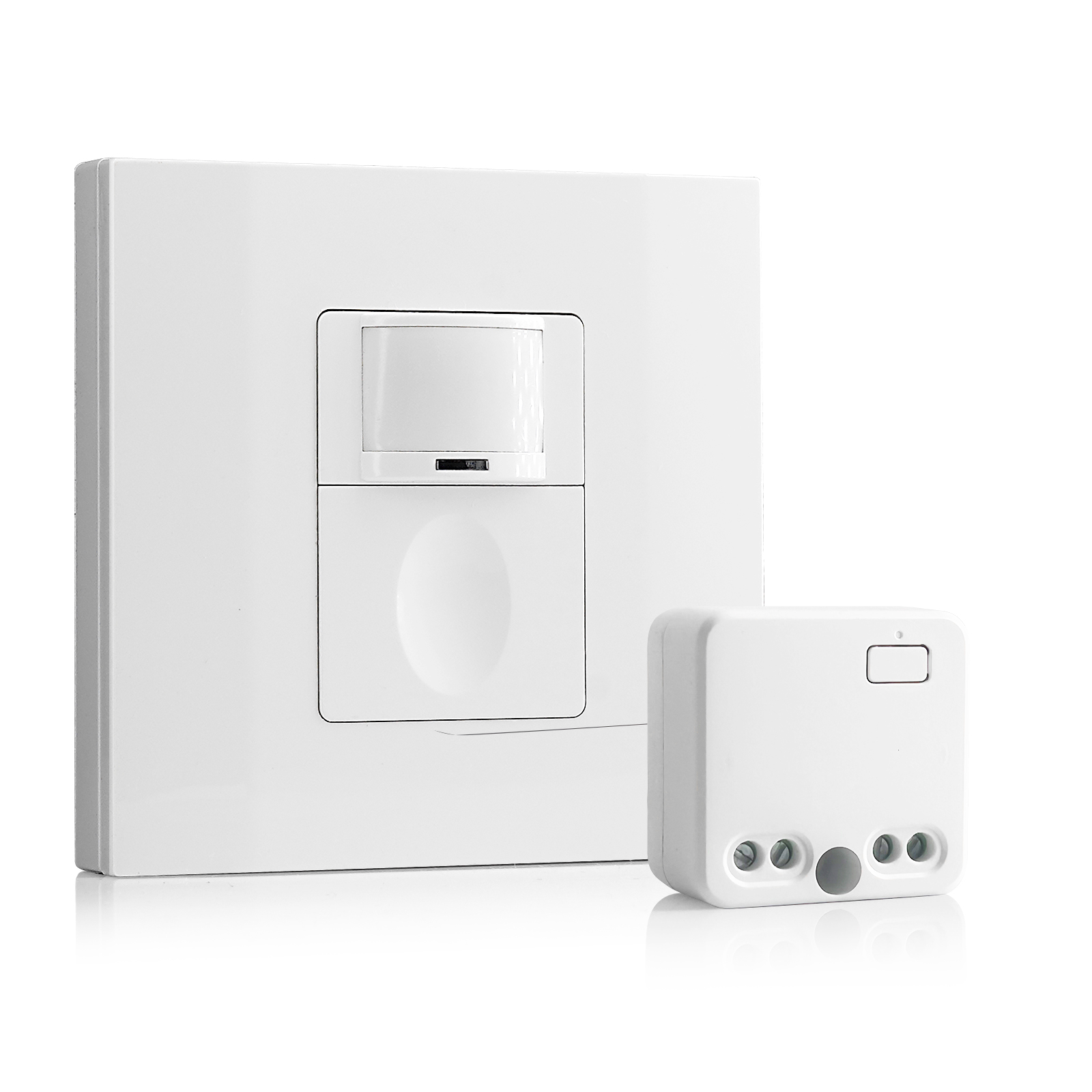
- 100V-230VAC
- Distance de transmission : jusqu'à 20m
- Détecteur de mouvement sans fil
- Contrôle filaire
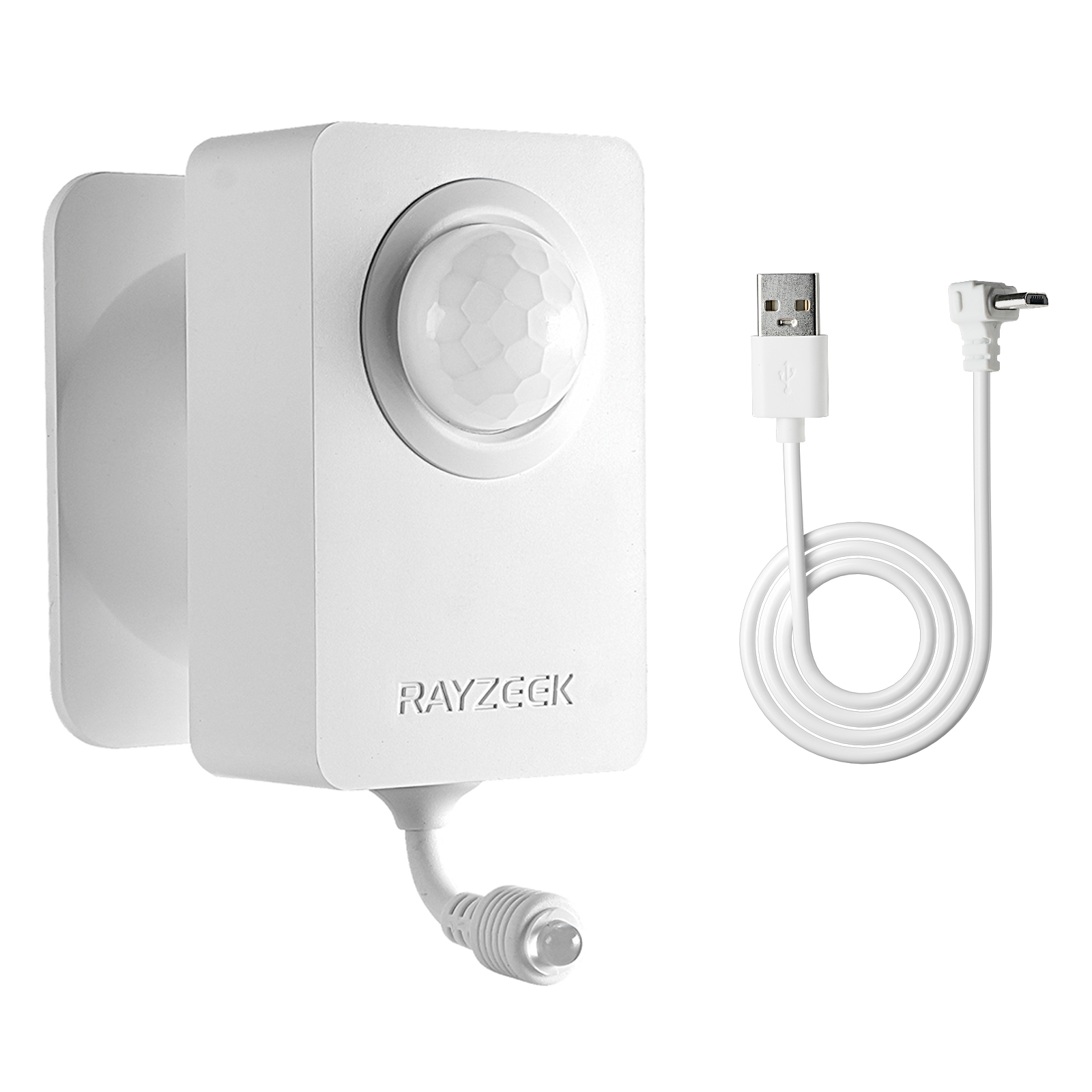
- Tension : 2x piles AAA / 5V DC (Micro USB)
- Mode Jour/Nuit
- Temporisation : 15min, 30min, 1h (par défaut), 2h
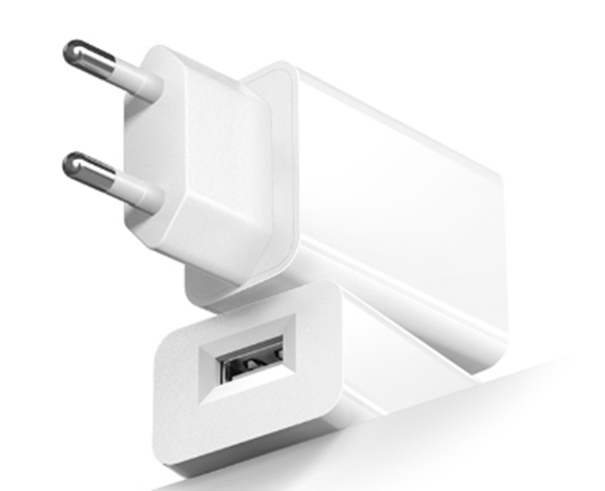
- Adaptateur secteur prise UE
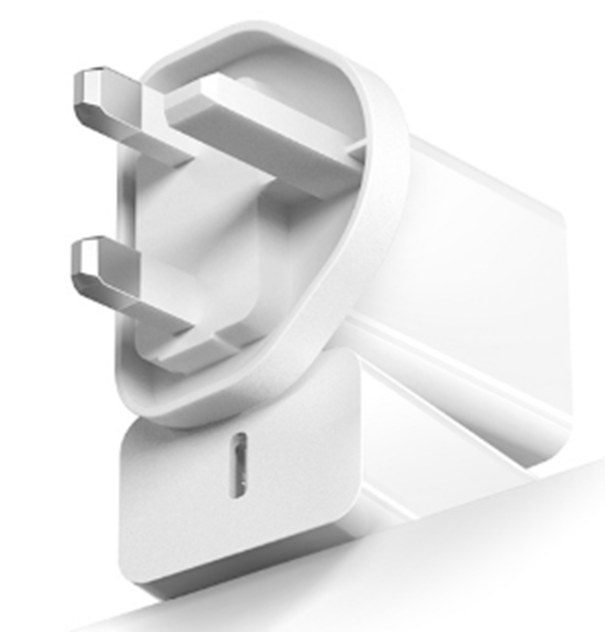
- Adaptateur secteur prise UK
Frequently Asked Questions
What Is the Difference Between a LED Anode and Cathode
LED polarity refers to the positive (+) and negative (-) sides of LEDs and other diodes. To ensure proper functioning, an LED must be connected to a voltage source with the correct side. The positive (+) side, known as the anode, is the voltage supply side of the diode. Conversely, the negative side is referred to as the cathode.
Is the Anode Longer on LED
The anode, which is the positive terminal of an LED, is identified by the longer lead. Conversely, the cathode, which has negative polarity, is indicated by the shorter lead.
How Can You Recognize the Anode of an LED
To facilitate the identification of the leads, LEDs are designed with two distinguishing characteristics. One of these characteristics is that LEDs have a lead that is longer than the other. This longer lead corresponds to the anode (+), while the shorter lead corresponds to the cathode (-).
Why Is the Anode Positive in an LED
For an LED to function and produce light, the current needs to flow out of the cathode, which is the pointed end in the diagram. In the case of charging a battery, the positive terminal becomes the anode.
How Do You Tell if It’s a Cathode or Anode
The cathode and anode can be distinguished based on their potential. The electrode with a higher potential is the positive electrode. When the battery is being discharged, the positive electrode functions as the cathode, while the negative electrode functions as the anode. Conversely, during the charging process, the positive electrode acts as the anode, and the negative electrode acts as the cathode.
Does Anode or Cathode Go to Ground
Current flows into the LED through the anode and exits through the cathode. As a result, it is important to position the anode (Long Leg) towards the positive terminal of the breadboard, while the cathode (Short Leg) should be directed towards the ground (negative terminal).
Does Anode Go to Positive or Negative
The Anode is the electrode that releases electrons to the external circuit and undergoes oxidation during an electrochemical reaction. It is considered the negative or reducing electrode. On the other hand, the Cathode is the electrode that acquires electrons from the external circuit and undergoes reduction during the electrochemical reaction. It is considered the positive or oxidizing electrode.







