

What is Instant Start (IS)
Instant Start (IS) is a starting method used for fluorescent lamps. It involves the use of electronic ballasts that apply a high voltage directly to the lamp’s electrodes without preheating the cathode. This immediate application of voltage allows the lamp to ignite instantly, hence the name “Instant Start.”
Talvez esteja interessado em

- Sensor de ocupação PIR de montagem no teto com saída de relé de contacto seco
- Alimentação de baixa tensão de 12/24VDC ou 12/24VAC
- Contactos de relé isolados COM, NO e NC para entradas de EMS, AVAC e controlo de edifícios

- Interruptor com sensor de movimento micro-ondas de teto embutido de baixa tensão DC
- Entrada de 12 VDC / 24 VDC com intervalo de 10-30 VDC
- Corrente máxima de funcionamento de 10A com temporizador, limite de Lux e sensibilidade ajustáveis
- Interruptor com sensor de movimento micro-ondas de teto embutido para cargas mais elevadas
- Entrada de tensão de linha de 100-265 VAC, modelo de 10A
- Deteção por micro-ondas de 5.8 GHz com temporizador, limite de Lux e sensibilidade ajustáveis
- Interruptor com sensor de movimento micro-ondas de teto embutido
- Entrada de tensão de linha de 100-265 VAC, modelo de 5A
- Deteção por micro-ondas de 5.8 GHz com temporizador, limite de Lux e sensibilidade ajustáveis
- Regulador de intensidade com sensor de ocupação PIR RZ037 de montagem no teto para alimentação de 220V
- Corrente máxima de funcionamento de 3A com carga nominal de 660W
- O botão LUX controla o LIGAR/DESLIGAR do sensor de luz e o brilho de regulação definido pelo utilizador
- Regulador de intensidade com sensor de ocupação PIR RZ037 de montagem no teto para alimentação de 110V
- Corrente máxima de funcionamento de 3A com carga nominal de 330W
- O botão LUX controla o LIGAR/DESLIGAR do sensor de luz e o brilho de regulação definido pelo utilizador

- Interruptor com sensor de movimento micro-ondas de teto DC de baixa tensão
- Entrada de 12 VDC / 24 VDC com intervalo de 10-30 VDC
- Corrente máxima de funcionamento de 10A com temporizador, limite de Lux e sensibilidade ajustáveis
- Interruptor com sensor de movimento micro-ondas de teto para carga mais alta
- Entrada de tensão de linha de 100-265 VAC, modelo de 10A
- Deteção por micro-ondas de 5.8 GHz com temporizador, limite de Lux e sensibilidade ajustáveis
- Interruptor com sensor de movimento micro-ondas de teto
- Entrada de tensão de linha de 100-265 VAC, modelo de 5A
- Deteção por micro-ondas de 5.8 GHz com temporizador, limite de Lux e sensibilidade ajustáveis

- Interruptor com sensor de movimento PIR de encastrar no teto DC de baixa tensão
- Entrada de 12 VDC / 24 VDC com intervalo de 10-30 VDC
- Corrente máxima de funcionamento de 10A com atraso de tempo, limiar de Lux e sensibilidade ajustáveis

- Interruptor com sensor de movimento PIR de encastrar no teto para carga mais alta
- Entrada de tensão de linha de 100-265 VAC, modelo de 10A
- Deteção de 360 graus com atraso de tempo, limiar de Lux e sensibilidade ajustáveis
- Interruptor com sensor de movimento PIR de encastrar no teto
- Entrada de tensão de linha de 100-265 VAC, modelo de 5A
- Deteção de 360 graus com atraso de tempo, limiar de Lux e sensibilidade ajustáveis

- Kit de interruptor sem fios e recetor para controlo de iluminação ligar/desligar (ON/OFF) em espaços interiores
- Recetor de 100-230VAC, 50/60Hz com corrente nominal de 5A
- Interruptor sem fios alimentado por pilha CR2032 com comunicação de 2.4GHz
- Presença (Ligar automático/Desligar automático)
- 12–24V DC (10–30VDC), até 10A
- Cobertura de 360°, 8–12 m de diâmetro
- Atraso de tempo de 15 s–30 min
- Sensor de luz Desligado/15/25/35 Lux
- Sensibilidade Alta/Baixa
- Modo de presença com Ligar automático/Desligar automático
- 100–265V AC, 10A (necessário neutro)
- Cobertura de 360°; diâmetro de deteção de 8–12 m
- Atraso de tempo de 15 s–30 min; Lux DESLIGADO/15/25/35; Sensibilidade Alta/Baixa
- Modo de presença com Ligar automático/Desligar automático
- 100–265V AC, 5A (neutro necessário)
- Cobertura de 360°; diâmetro de deteção de 8–12 m
- Atraso de tempo de 15 s–30 min; Lux DESLIGADO/15/25/35; Sensibilidade Alta/Baixa
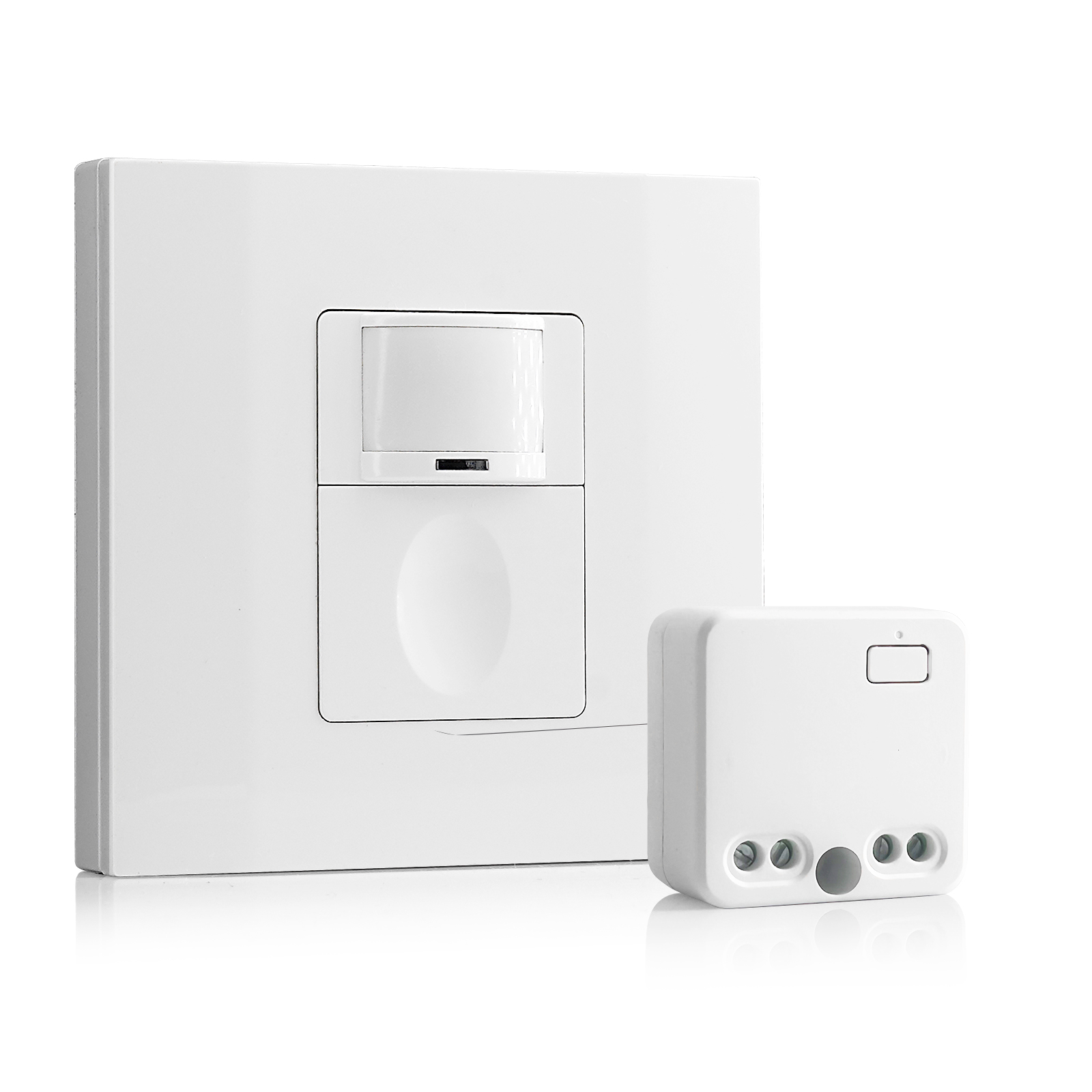
- 100V-230VAC
- Distância de Transmissão: até 20m
- Sensor de movimento sem fios
- Controlo com fios
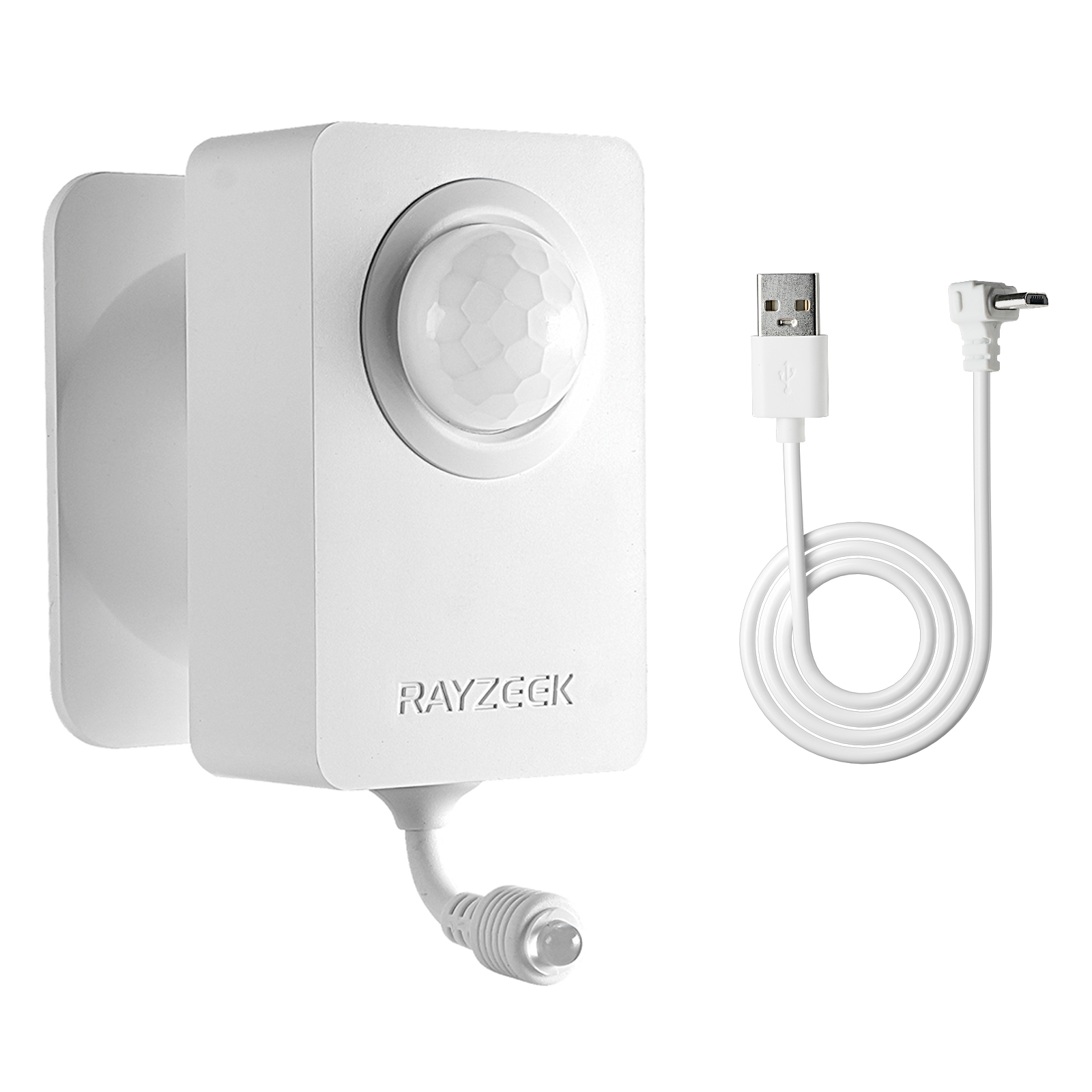
- Tensão: 2x Pilhas AAA / 5V DC (Micro USB)
- Modo Dia/Noite
- Temporização: 15min, 30min, 1h(predefinido), 2h
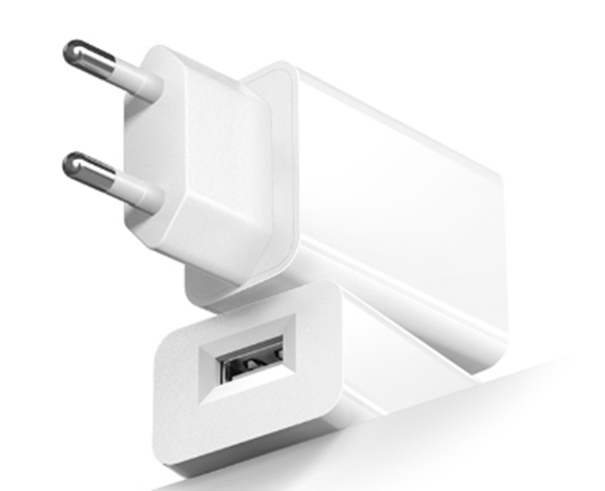
- Adaptador de alimentação com ficha UE
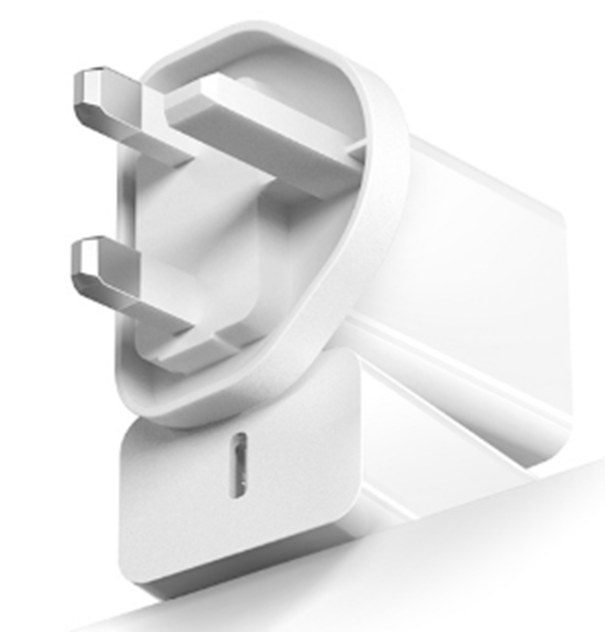
- Adaptador de alimentação com ficha UK
One of the key advantages of instant start ballasts is their energy efficiency. Compared to other ballast types, such as rapid start ballasts, Instant Start ballasts consume 1.5 to 2 watts less per lamp. This energy-saving feature makes them a preferred choice for various lighting applications. Another benefit of instant start ballasts is their parallel lamp circuitry. This means that if one lamp fails, the others on the circuit remain lit. This feature ensures uninterrupted lighting and prevents damage to the ballast or the remaining lamps. Instant start ballasts also offer longer remote wiring distance, making them suitable for installations where the ballast is located far away from the lamps. This flexibility in design and installation allows for more versatile lighting setups.
In terms of installation, instant start ballasts are known for their simplicity. They have less complicated wiring requirements, making the installation process easier and more efficient. Additionally, instant start ballasts have the capability to start lamps at lower temperatures. While other ballast types may require a minimum temperature of 50 degrees Fahrenheit, they can start lamps even at 0 degrees Fahrenheit. This makes them ideal for applications in cold environments where low-temperature starting is necessary.
Inspire-se nos portfólios de sensores de movimento Rayzeek.
Não encontra o que procura? Não se preocupe. Há sempre formas alternativas de resolver os seus problemas. Talvez um dos nossos portfólios possa ajudar.
Frequently Asked Questions
What Happens if You Don’t Use a Ballast
Without a ballast, a lamp or bulb will experience a significant increase in its current draw, leading to uncontrollable behavior. The absence of a ballast prevents the power from stabilizing, which can be problematic when these lamps are connected to high power sources. However, with a ballast in place, the energy is regulated, preventing any sudden rise in current.
Should I Replace Ballast or Buy New Fixture
For improved energy efficiency, reliability, and durability, it is recommended to replace the ballasts rather than purchasing new fixtures. Older ballasts not only have energy efficiency concerns but also lack the reflective geometry that newer options provide.
What Happens if You Put LED Bulbs in a Fluorescent Fixture
In summary, the answer is affirmative. The installation of linear LED tube bulbs in a fluorescent fixture is a straightforward process. All you need to do is remove the existing fluorescent bulb and replace it with the LED light. Further details are provided below to assist you in making an informed decision to switch from linear fluorescent light bulbs to tube LEDs.
What Is One Disadvantage of a Fluorescent Light Is That It Requires a Ballast
Disadvantages of fluorescent lights include the need for a separate ballast to operate, which not only consumes energy but can also be expensive to replace. Additionally, the wattage of fluorescent lights is limited by the existing ballast installed in the fixture, making it costly to switch to higher or lower output bulbs.
Are T8 and T12 Ballast Interchangeable
Waveform Lighting’s T8 LED tube lights are compatible with various ballast configurations, including ballast, ballast bypass single ended, and ballast bypass double ended. Therefore, they can be safely utilized in T12 fixtures as long as the T12 ballast is bypassed or removed.
Can I Put a T8 Ballast in a T12 Fixture
The primary distinction between T8 and T12 tubes lies in their diameter. T12 tubes have a diameter of 1.5 inches, whereas T8 tubes are only one inch in diameter. However, when it comes to socket sizes, lengths, and the distance between pins, both types are identical. Therefore, it is safe to say that T8 LED tubes can be installed in a T12 fixture without any issues or concerns.
Is It Worth Replacing Fluorescent Tubes With LED
Compared to fluorescent tubes, LED lights offer a significant advantage in terms of efficiency. LED lights are able to convert 95% of their energy into light, resulting in up to 80% more efficiency compared to fluorescent bulbs. Additionally, LED lights provide a strong and consistent output at a lower wattage, making them a worthwhile replacement for fluorescent tubes.
Will LED Bulbs Work if Ballast Is Bad
Yes, LED lamps can still function even if the ballast is faulty, as long as they are equipped with an internal driver that is capable of operating without the need for a functioning ballast. For instance, Philips has developed a tube that is specifically designed to be compatible with an existing electronic ballast, allowing for a seamless plug-and-play experience.







