

What is Instant Start (IS)
Instant Start (IS) is a starting method used for fluorescent lamps. It involves the use of electronic ballasts that apply a high voltage directly to the lamp’s electrodes without preheating the cathode. This immediate application of voltage allows the lamp to ignite instantly, hence the name “Instant Start.”
Mungkin Anda Tertarik Dengan

- Ceiling-mounted PIR occupancy sensor dengan output dry-contact relay
- Suplai tegangan rendah 12/24VDC atau 12/24VAC
- Kontak relai terisolasi COM, NO, dan NC untuk input EMS, HVAC, dan kontrol gedung

- Low-voltage DC recessed ceiling-mounted microwave motion sensor switch
- Input 12 VDC / 24 VDC dengan rentang 10-30 VDC
- Arus kerja maks 10A dengan waktu tunda (time delay), ambang batas Lux, dan sensitivitas yang dapat disesuaikan
- Higher-load recessed ceiling-mounted microwave motion sensor switch
- Input tegangan jala-jala 100-265 VAC, model 10A
- Penginderaan gelombang mikro 5.8 GHz dengan waktu tunda (time delay), ambang batas Lux, dan sensitivitas yang dapat disesuaikan
- Recessed ceiling-mounted microwave motion sensor switch
- Input tegangan jala-jala 100-265 VAC, model 5A
- Penginderaan gelombang mikro 5.8 GHz dengan waktu tunda (time delay), ambang batas Lux, dan sensitivitas yang dapat disesuaikan
- Ceiling-mounted RZ037 PIR occupancy sensor dimmer untuk daya 220V
- Arus kerja maksimum 3A dengan beban pengenal 660W
- Tombol LUX mengontrol ON/OFF sensor cahaya dan kecerahan peredupan yang diatur pengguna
- Ceiling-mounted RZ037 PIR occupancy sensor dimmer untuk daya 110V
- Arus kerja maksimum 3A dengan beban pengenal 330W
- Tombol LUX mengontrol ON/OFF sensor cahaya dan kecerahan peredupan yang diatur pengguna

- Sakelar sensor gerak gelombang mikro plafon DC tegangan rendah
- Input 12 VDC / 24 VDC dengan rentang 10-30 VDC
- Arus kerja maks 10A dengan waktu tunda (time delay), ambang batas Lux, dan sensitivitas yang dapat disesuaikan
- Sakelar sensor gerak gelombang mikro plafon beban lebih tinggi
- Input tegangan jala-jala 100-265 VAC, model 10A
- Penginderaan gelombang mikro 5.8 GHz dengan waktu tunda (time delay), ambang batas Lux, dan sensitivitas yang dapat disesuaikan
- Sakelar sensor gerak gelombang mikro plafon
- Input tegangan jala-jala 100-265 VAC, model 5A
- Penginderaan gelombang mikro 5.8 GHz dengan waktu tunda (time delay), ambang batas Lux, dan sensitivitas yang dapat disesuaikan

- Sakelar sensor gerak PIR tanam plafon DC tegangan rendah
- Input 12 VDC / 24 VDC dengan rentang 10-30 VDC
- Arus kerja maks 10A dengan jeda waktu, ambang batas Lux, dan sensitivitas yang dapat disesuaikan

- Sakelar sensor gerak PIR tanam plafon beban lebih tinggi
- Input tegangan jala-jala 100-265 VAC, model 10A
- Deteksi 360 derajat dengan jeda waktu, ambang batas Lux, dan sensitivitas yang dapat disesuaikan
- Sakelar sensor gerak PIR tanam plafon
- Input tegangan jala-jala 100-265 VAC, model 5A
- Deteksi 360 derajat dengan jeda waktu, ambang batas Lux, dan sensitivitas yang dapat disesuaikan

- Kit penerima dan sakelar nirkabel untuk kontrol pencahayaan ON/OFF dalam ruangan
- Penerima 100-230VAC, 50/60Hz dengan arus nominal 5A
- Sakelar nirkabel bertenaga CR2032 dengan komunikasi 2.4GHz
- Okupansi (Auto-ON/Auto-OFF)
- 12–24V DC (10–30VDC), hingga 10A
- Cakupan 360°, diameter 8–12 m
- Jeda waktu 15 dtk–30 mnt
- Sensor cahaya Mati/15/25/35 Lux
- Sensitivitas Tinggi/Rendah
- Mode okupansi Auto-ON/Auto-OFF
- 100–265V AC, 10A (diperlukan kabel netral)
- Cakupan 360°; diameter deteksi 8–12 m
- Jeda waktu 15 dtk–30 mnt; Lux MATI/15/25/35; Sensitivitas Tinggi/Rendah
- Mode okupansi Auto-ON/Auto-OFF
- 100–265V AC, 5A (diperlukan kabel netral)
- Cakupan 360°; diameter deteksi 8–12 m
- Jeda waktu 15 dtk–30 mnt; Lux MATI/15/25/35; Sensitivitas Tinggi/Rendah
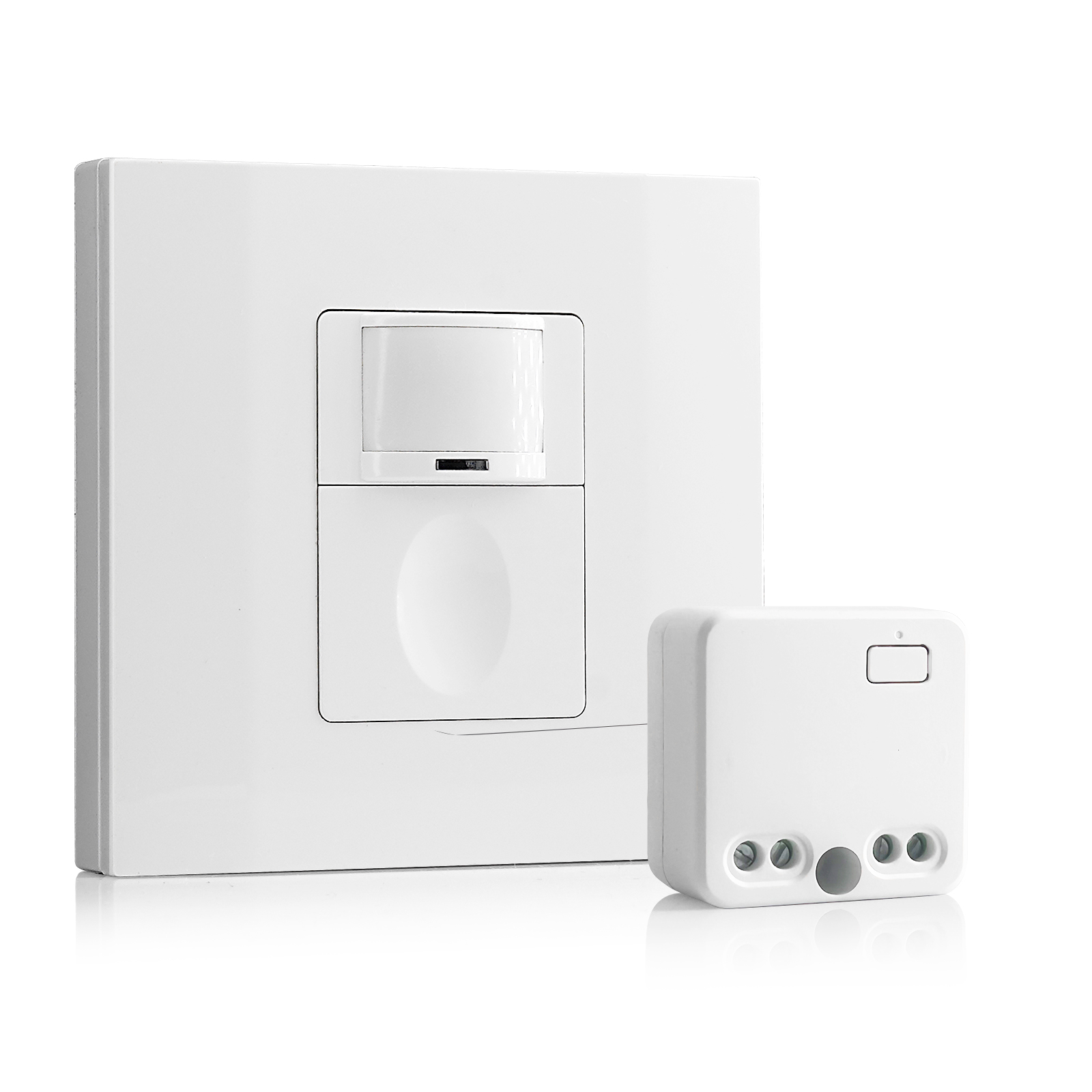
- 100V-230VAC
- Jarak Transmisi: hingga 20m
- Sensor gerak nirkabel
- Kontrol berkabel
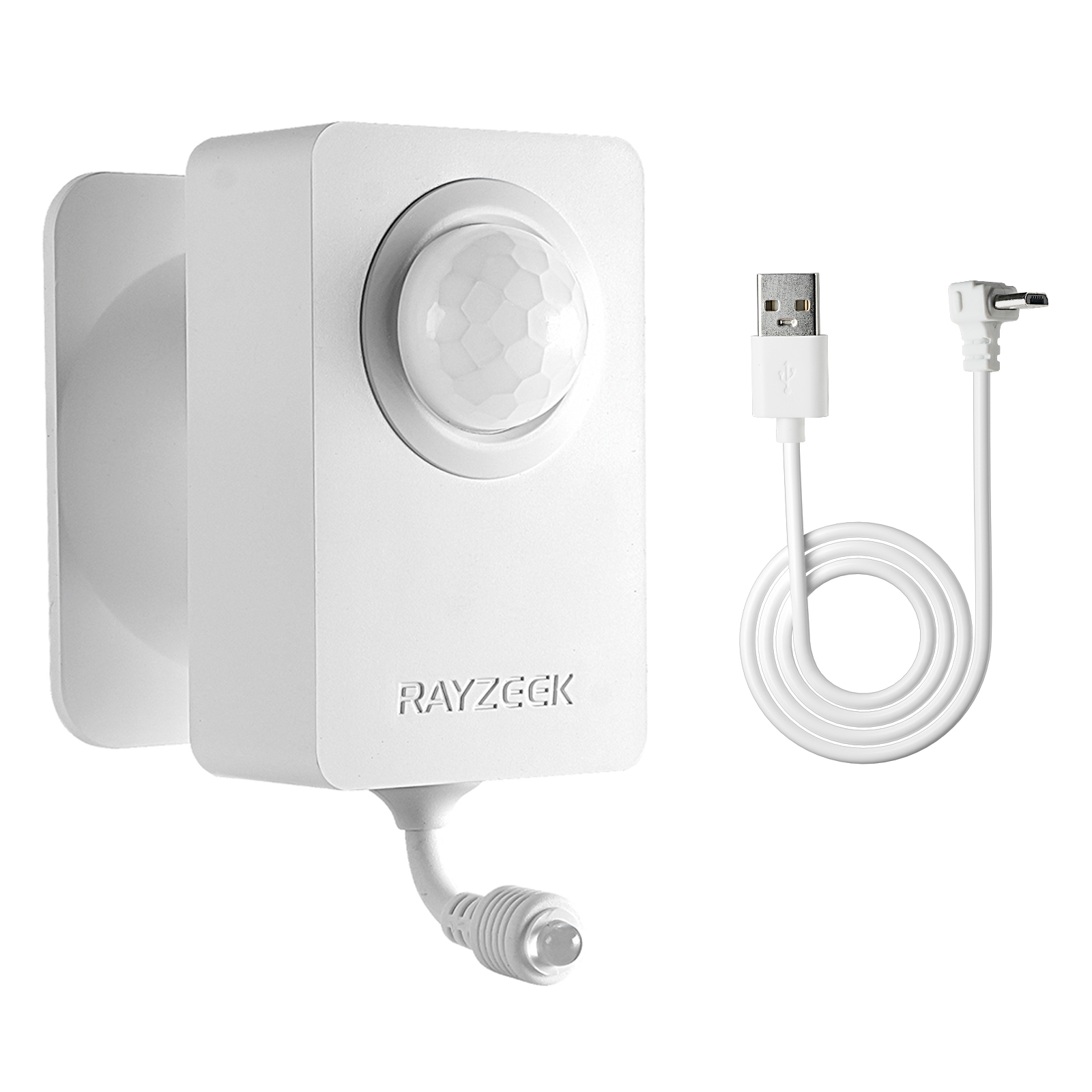
- Tegangan: 2x Baterai AAA / 5V DC (Micro USB)
- Mode Siang/Malam
- Jeda waktu: 15mnt, 30mnt, 1j (bawaan), 2j
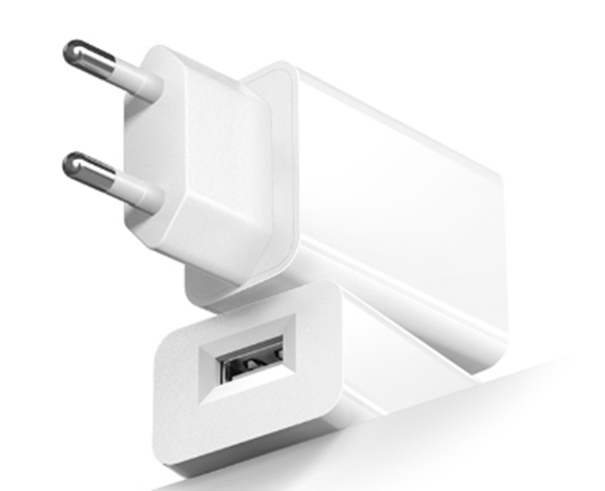
- Adaptor daya colokan UE
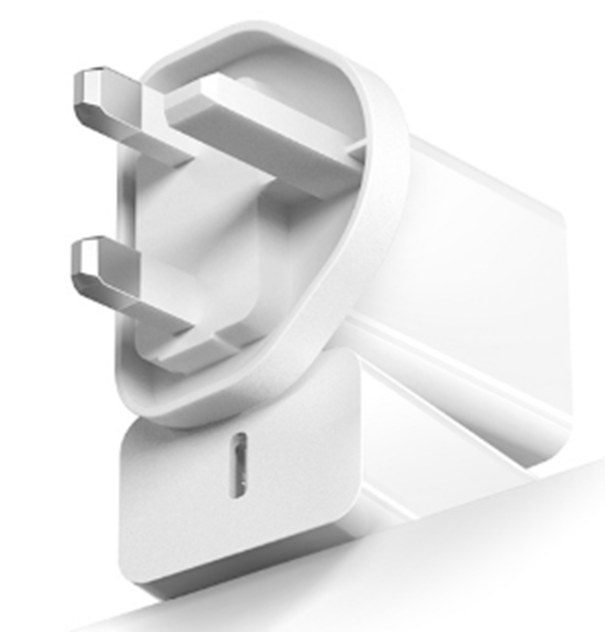
- Adaptor daya colokan Inggris
One of the key advantages of instant start ballasts is their energy efficiency. Compared to other ballast types, such as rapid start ballasts, Instant Start ballasts consume 1.5 to 2 watts less per lamp. This energy-saving feature makes them a preferred choice for various lighting applications. Another benefit of instant start ballasts is their parallel lamp circuitry. This means that if one lamp fails, the others on the circuit remain lit. This feature ensures uninterrupted lighting and prevents damage to the ballast or the remaining lamps. Instant start ballasts also offer longer remote wiring distance, making them suitable for installations where the ballast is located far away from the lamps. This flexibility in design and installation allows for more versatile lighting setups.
In terms of installation, instant start ballasts are known for their simplicity. They have less complicated wiring requirements, making the installation process easier and more efficient. Additionally, instant start ballasts have the capability to start lamps at lower temperatures. While other ballast types may require a minimum temperature of 50 degrees Fahrenheit, they can start lamps even at 0 degrees Fahrenheit. This makes them ideal for applications in cold environments where low-temperature starting is necessary.
Dapatkan Inspirasi dari Portofolio Sensor Gerakan Rayzeek.
Tidak menemukan apa yang Anda inginkan? Jangan khawatir. Selalu ada cara alternatif untuk menyelesaikan masalah Anda. Mungkin salah satu portofolio kami dapat membantu.
Frequently Asked Questions
What Happens if You Don’t Use a Ballast
Without a ballast, a lamp or bulb will experience a significant increase in its current draw, leading to uncontrollable behavior. The absence of a ballast prevents the power from stabilizing, which can be problematic when these lamps are connected to high power sources. However, with a ballast in place, the energy is regulated, preventing any sudden rise in current.
Should I Replace Ballast or Buy New Fixture
For improved energy efficiency, reliability, and durability, it is recommended to replace the ballasts rather than purchasing new fixtures. Older ballasts not only have energy efficiency concerns but also lack the reflective geometry that newer options provide.
What Happens if You Put LED Bulbs in a Fluorescent Fixture
In summary, the answer is affirmative. The installation of linear LED tube bulbs in a fluorescent fixture is a straightforward process. All you need to do is remove the existing fluorescent bulb and replace it with the LED light. Further details are provided below to assist you in making an informed decision to switch from linear fluorescent light bulbs to tube LEDs.
What Is One Disadvantage of a Fluorescent Light Is That It Requires a Ballast
Disadvantages of fluorescent lights include the need for a separate ballast to operate, which not only consumes energy but can also be expensive to replace. Additionally, the wattage of fluorescent lights is limited by the existing ballast installed in the fixture, making it costly to switch to higher or lower output bulbs.
Are T8 and T12 Ballast Interchangeable
Waveform Lighting’s T8 LED tube lights are compatible with various ballast configurations, including ballast, ballast bypass single ended, and ballast bypass double ended. Therefore, they can be safely utilized in T12 fixtures as long as the T12 ballast is bypassed or removed.
Can I Put a T8 Ballast in a T12 Fixture
The primary distinction between T8 and T12 tubes lies in their diameter. T12 tubes have a diameter of 1.5 inches, whereas T8 tubes are only one inch in diameter. However, when it comes to socket sizes, lengths, and the distance between pins, both types are identical. Therefore, it is safe to say that T8 LED tubes can be installed in a T12 fixture without any issues or concerns.
Is It Worth Replacing Fluorescent Tubes With LED
Compared to fluorescent tubes, LED lights offer a significant advantage in terms of efficiency. LED lights are able to convert 95% of their energy into light, resulting in up to 80% more efficiency compared to fluorescent bulbs. Additionally, LED lights provide a strong and consistent output at a lower wattage, making them a worthwhile replacement for fluorescent tubes.
Will LED Bulbs Work if Ballast Is Bad
Yes, LED lamps can still function even if the ballast is faulty, as long as they are equipped with an internal driver that is capable of operating without the need for a functioning ballast. For instance, Philips has developed a tube that is specifically designed to be compatible with an existing electronic ballast, allowing for a seamless plug-and-play experience.







