
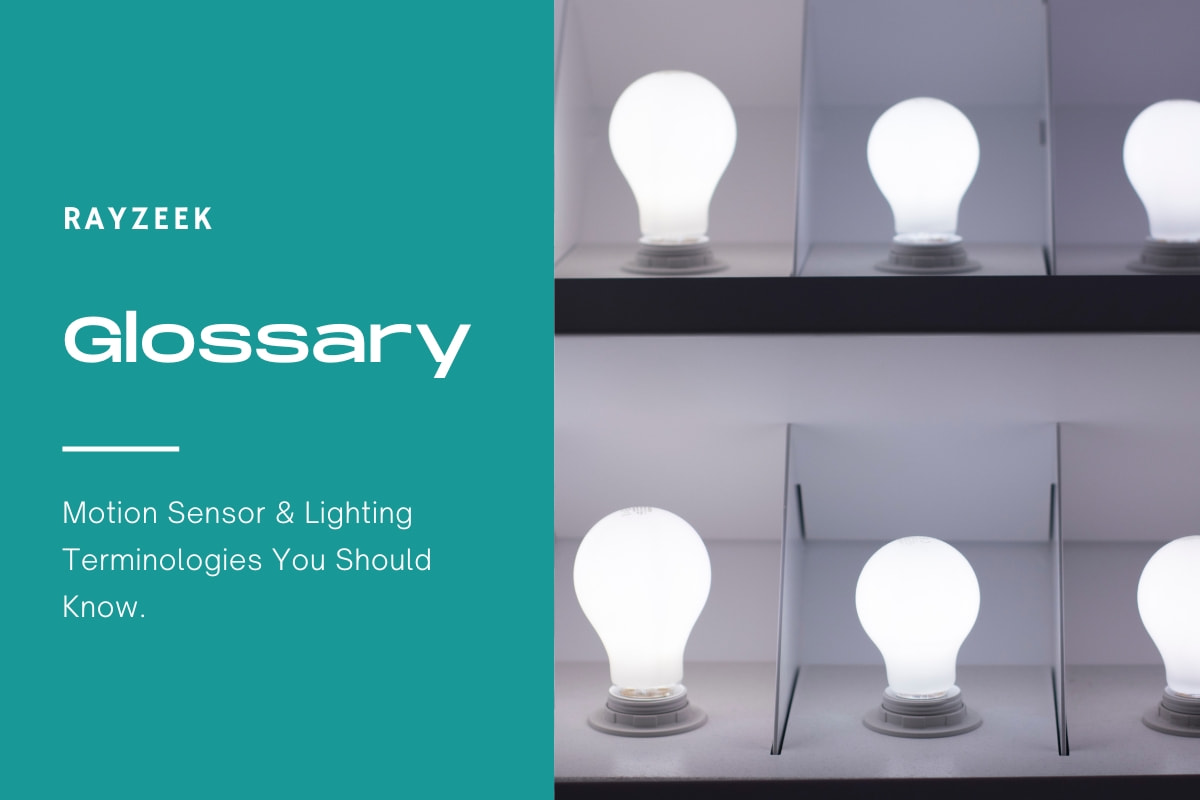
What is incandescent filament lamp
An incandescent filament lamp, also known as an incandescent lamp or bulb, is an electric light source that operates based on the principle of incandescence. Incandescence refers to the emission of light caused by heating a filament. These lamps are commonly used in various lighting applications and are known for their affordability.
The construction of an incandescent filament lamp involves several components. The lamp consists of a glass bulb that encloses a tungsten filament. The bulb is filled with an inert gas, typically argon or nitrogen, to reduce the evaporation of the filament and extend the lamp’s lifespan. The filament itself is made of tungsten, a metal with a high melting point and heat resistance.
The base of the lamp contains contact wires, which provide electrical connections to the filament. Support wires are also present to give support to the filament. The lamp includes a glass mount or support that is connected to the base, allowing electrical contacts to pass through the envelope without any air or gas leaks. The base of the lamp is typically made of brass, protected with plaster of Paris or porcelain, and may have an outer layer of aluminum for added strength. The lamp’s electrical foot contacts, located at the base, are coated with a material to protect against electricity.
Talvez esteja interessado em

- Sensor de ocupação PIR de montagem no teto com saída de relé de contacto seco
- Alimentação de baixa tensão de 12/24VDC ou 12/24VAC
- Contactos de relé isolados COM, NO e NC para entradas de EMS, AVAC e controlo de edifícios

- Interruptor com sensor de movimento micro-ondas de teto embutido de baixa tensão DC
- Entrada de 12 VDC / 24 VDC com intervalo de 10-30 VDC
- Corrente máxima de funcionamento de 10A com temporizador, limite de Lux e sensibilidade ajustáveis
- Interruptor com sensor de movimento micro-ondas de teto embutido para cargas mais elevadas
- Entrada de tensão de linha de 100-265 VAC, modelo de 10A
- Deteção por micro-ondas de 5.8 GHz com temporizador, limite de Lux e sensibilidade ajustáveis
- Interruptor com sensor de movimento micro-ondas de teto embutido
- Entrada de tensão de linha de 100-265 VAC, modelo de 5A
- Deteção por micro-ondas de 5.8 GHz com temporizador, limite de Lux e sensibilidade ajustáveis
- Regulador de intensidade com sensor de ocupação PIR RZ037 de montagem no teto para alimentação de 220V
- Corrente máxima de funcionamento de 3A com carga nominal de 660W
- O botão LUX controla o LIGAR/DESLIGAR do sensor de luz e o brilho de regulação definido pelo utilizador
- Regulador de intensidade com sensor de ocupação PIR RZ037 de montagem no teto para alimentação de 110V
- Corrente máxima de funcionamento de 3A com carga nominal de 330W
- O botão LUX controla o LIGAR/DESLIGAR do sensor de luz e o brilho de regulação definido pelo utilizador

- Interruptor com sensor de movimento micro-ondas de teto DC de baixa tensão
- Entrada de 12 VDC / 24 VDC com intervalo de 10-30 VDC
- Corrente máxima de funcionamento de 10A com temporizador, limite de Lux e sensibilidade ajustáveis
- Interruptor com sensor de movimento micro-ondas de teto para carga mais alta
- Entrada de tensão de linha de 100-265 VAC, modelo de 10A
- Deteção por micro-ondas de 5.8 GHz com temporizador, limite de Lux e sensibilidade ajustáveis
- Interruptor com sensor de movimento micro-ondas de teto
- Entrada de tensão de linha de 100-265 VAC, modelo de 5A
- Deteção por micro-ondas de 5.8 GHz com temporizador, limite de Lux e sensibilidade ajustáveis

- Interruptor com sensor de movimento PIR de encastrar no teto DC de baixa tensão
- Entrada de 12 VDC / 24 VDC com intervalo de 10-30 VDC
- Corrente máxima de funcionamento de 10A com atraso de tempo, limiar de Lux e sensibilidade ajustáveis

- Interruptor com sensor de movimento PIR de encastrar no teto para carga mais alta
- Entrada de tensão de linha de 100-265 VAC, modelo de 10A
- Deteção de 360 graus com atraso de tempo, limiar de Lux e sensibilidade ajustáveis
- Interruptor com sensor de movimento PIR de encastrar no teto
- Entrada de tensão de linha de 100-265 VAC, modelo de 5A
- Deteção de 360 graus com atraso de tempo, limiar de Lux e sensibilidade ajustáveis

- Kit de interruptor sem fios e recetor para controlo de iluminação ligar/desligar (ON/OFF) em espaços interiores
- Recetor de 100-230VAC, 50/60Hz com corrente nominal de 5A
- Interruptor sem fios alimentado por pilha CR2032 com comunicação de 2.4GHz
- Presença (Ligar automático/Desligar automático)
- 12–24V DC (10–30VDC), até 10A
- Cobertura de 360°, 8–12 m de diâmetro
- Atraso de tempo de 15 s–30 min
- Sensor de luz Desligado/15/25/35 Lux
- Sensibilidade Alta/Baixa
- Modo de presença com Ligar automático/Desligar automático
- 100–265V AC, 10A (necessário neutro)
- Cobertura de 360°; diâmetro de deteção de 8–12 m
- Atraso de tempo de 15 s–30 min; Lux DESLIGADO/15/25/35; Sensibilidade Alta/Baixa
- Modo de presença com Ligar automático/Desligar automático
- 100–265V AC, 5A (neutro necessário)
- Cobertura de 360°; diâmetro de deteção de 8–12 m
- Atraso de tempo de 15 s–30 min; Lux DESLIGADO/15/25/35; Sensibilidade Alta/Baixa
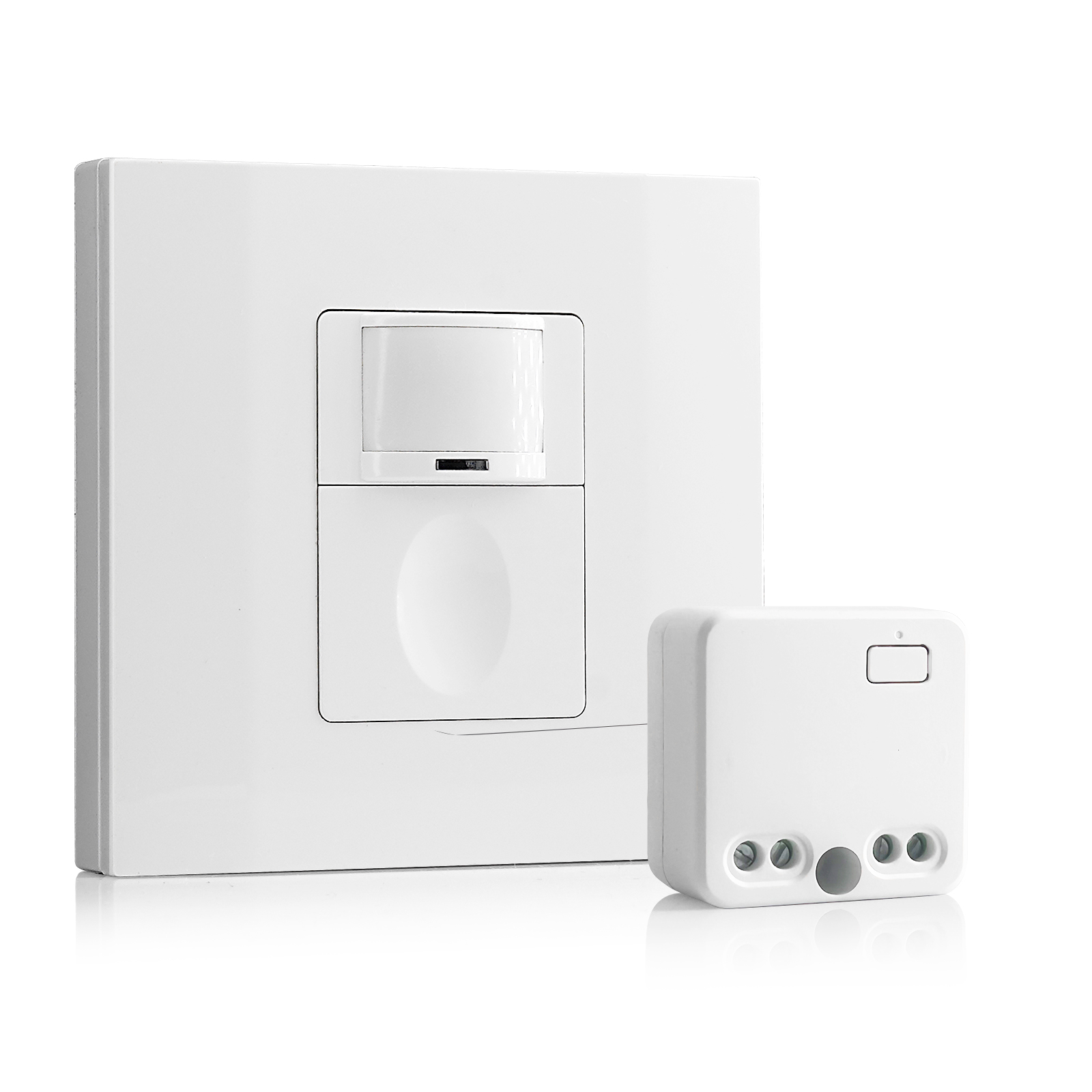
- 100V-230VAC
- Distância de Transmissão: até 20m
- Sensor de movimento sem fios
- Controlo com fios
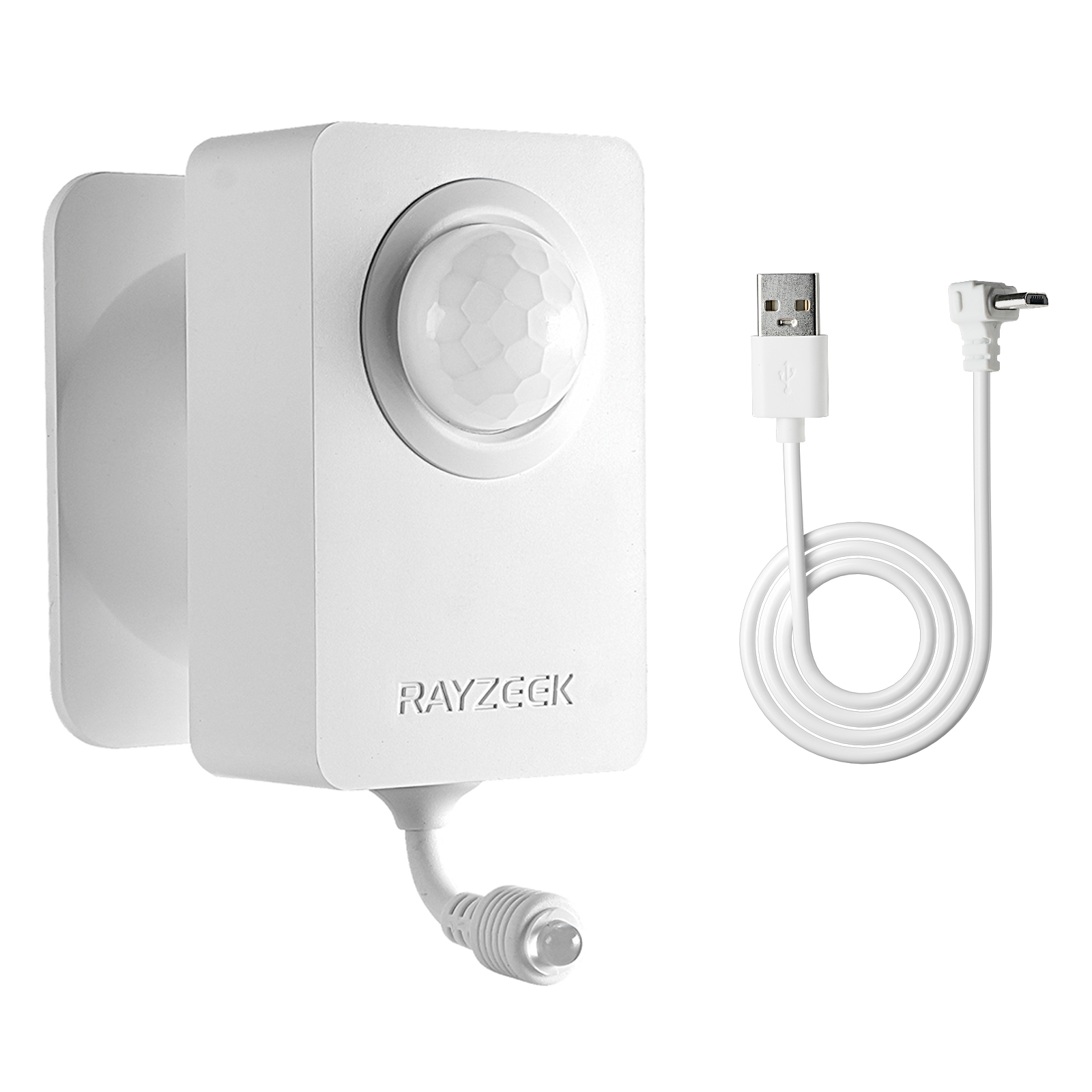
- Tensão: 2x Pilhas AAA / 5V DC (Micro USB)
- Modo Dia/Noite
- Temporização: 15min, 30min, 1h(predefinido), 2h
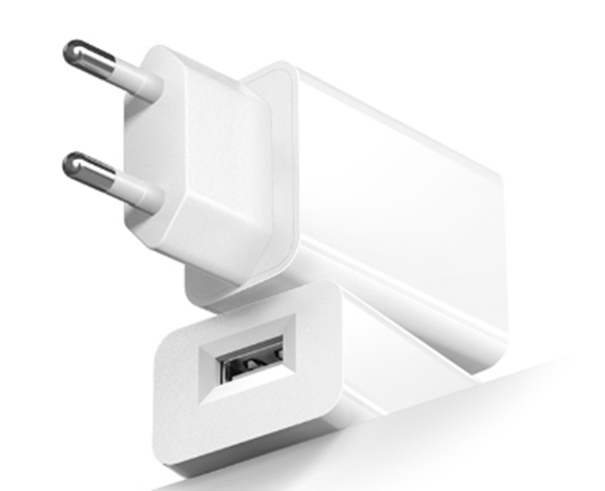
- Adaptador de alimentação com ficha UE
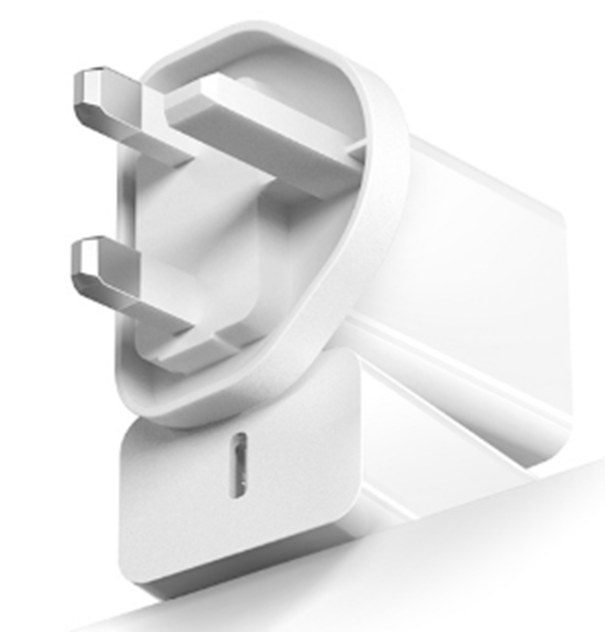
- Adaptador de alimentação com ficha UK
In terms of operation, an incandescent filament lamp works by passing an electric current through the filament. As the filament heats up, it emits light, producing illumination. Tungsten filaments used in these lamps can reach temperatures as high as 4,500 degrees Fahrenheit. The glass enclosure of the lamp prevents oxygen from reaching the filament, preventing it from overheating and oxidizing.
Incandescent filament lamps are commonly used for task lighting and are available in various sizes, voltages, and wattages. They are often used with dimmers in many applications. These lamps have a relatively short lifespan, typically around 800 hours, and are known for their high energy consumption. However, they remain popular due to their low cost and versatility in different lighting scenarios.
Procura Soluções de Poupança de Energia Ativadas por Movimento?
Contacte-nos para sensores de movimento PIR completos, produtos de poupança de energia ativados por movimento, interruptores com sensor de movimento e soluções comerciais de Ocupação/Ausência.
Frequently Asked Questions
What Is Difference Between Incandescent and LED
Incandescent bulbs are the traditional type of bulb that generate light by heating a wire with electricity. On the other hand, LEDs (light-emitting diodes) use semi-conductive material and electrodes to emit visible light when a current passes through them.
Is There a Ban on Incandescent Light Bulbs in 2023
The Department of Energy (DOE) is not implementing a complete ban on incandescent light bulbs. Instead, they are specifically targeting the ones that are commonly used in homes and are not energy efficient. The DOE issued a warning to manufacturers and retailers about this change in January, and it will be fully enforced starting in July 2023.
What Light Bulb Is the Brightest
LED light bulbs are the brightest option available. They utilize a light-emitting diode (LED), which is a solid-state semiconductor that emits light when an electric current passes through it. These bulbs are highly efficient, emitting more lumens per watt, and have a lifespan that is 20 times longer than incandescent bulbs.
What Is the Most Efficient Home Lighting
LED bulbs are considered the most efficient choice for home lighting. In addition to being energy efficient, they provide various advantages such as long lifespan, high brightness, and reduced electricity expenses. LEDs consume less power to produce a significant amount of brightness while operating at a low temperature. On average, LED bulbs can last up to 25,000 hours.
What Is Better LED or Incandescent
LED bulbs are a much more energy-efficient option compared to incandescent lights. According to Energy.gov, LEDs consume 75% less energy than incandescents. Additionally, they have a significantly longer lifespan, lasting up to 25 times longer. Unlike incandescent bulbs, which burn out quickly, LEDs can endure multiple years of regular use.
Is a 60 Watt LED Bulb Brighter Than a 60 Watt Incandescent Bulb
Lumens are used to measure brightness. In the case of a 60-watt incandescent bulb, it produces approximately 800 lumens of light. However, an LED bulb, which only uses about 9 watts, also produces the same 800 lumens.







