

What is HID Lamp
A HID lamp, short for High-Intensity Discharge lamp, is a type of gas discharge lamp which operates by creating an electric arc between two electrodes within an ionized gas. Enclosed in a specialized arc discharge tube made of quartz or sintered alumina, the electrodes, gas, and sometimes metal salts are hermetically sealed. HID lamps are known for their high light output and efficiency.
Talvez esteja interessado em

- Sensor de ocupação PIR de montagem no teto com saída de relé de contacto seco
- Alimentação de baixa tensão de 12/24VDC ou 12/24VAC
- Contactos de relé isolados COM, NO e NC para entradas de EMS, AVAC e controlo de edifícios

- Interruptor com sensor de movimento micro-ondas de teto embutido de baixa tensão DC
- Entrada de 12 VDC / 24 VDC com intervalo de 10-30 VDC
- Corrente máxima de funcionamento de 10A com temporizador, limite de Lux e sensibilidade ajustáveis
- Interruptor com sensor de movimento micro-ondas de teto embutido para cargas mais elevadas
- Entrada de tensão de linha de 100-265 VAC, modelo de 10A
- Deteção por micro-ondas de 5.8 GHz com temporizador, limite de Lux e sensibilidade ajustáveis
- Interruptor com sensor de movimento micro-ondas de teto embutido
- Entrada de tensão de linha de 100-265 VAC, modelo de 5A
- Deteção por micro-ondas de 5.8 GHz com temporizador, limite de Lux e sensibilidade ajustáveis
- Regulador de intensidade com sensor de ocupação PIR RZ037 de montagem no teto para alimentação de 220V
- Corrente máxima de funcionamento de 3A com carga nominal de 660W
- O botão LUX controla o LIGAR/DESLIGAR do sensor de luz e o brilho de regulação definido pelo utilizador
- Regulador de intensidade com sensor de ocupação PIR RZ037 de montagem no teto para alimentação de 110V
- Corrente máxima de funcionamento de 3A com carga nominal de 330W
- O botão LUX controla o LIGAR/DESLIGAR do sensor de luz e o brilho de regulação definido pelo utilizador

- Interruptor com sensor de movimento micro-ondas de teto DC de baixa tensão
- Entrada de 12 VDC / 24 VDC com intervalo de 10-30 VDC
- Corrente máxima de funcionamento de 10A com temporizador, limite de Lux e sensibilidade ajustáveis
- Interruptor com sensor de movimento micro-ondas de teto para carga mais alta
- Entrada de tensão de linha de 100-265 VAC, modelo de 10A
- Deteção por micro-ondas de 5.8 GHz com temporizador, limite de Lux e sensibilidade ajustáveis
- Interruptor com sensor de movimento micro-ondas de teto
- Entrada de tensão de linha de 100-265 VAC, modelo de 5A
- Deteção por micro-ondas de 5.8 GHz com temporizador, limite de Lux e sensibilidade ajustáveis

- Interruptor com sensor de movimento PIR de encastrar no teto DC de baixa tensão
- Entrada de 12 VDC / 24 VDC com intervalo de 10-30 VDC
- Corrente máxima de funcionamento de 10A com atraso de tempo, limiar de Lux e sensibilidade ajustáveis

- Interruptor com sensor de movimento PIR de encastrar no teto para carga mais alta
- Entrada de tensão de linha de 100-265 VAC, modelo de 10A
- Deteção de 360 graus com atraso de tempo, limiar de Lux e sensibilidade ajustáveis
- Interruptor com sensor de movimento PIR de encastrar no teto
- Entrada de tensão de linha de 100-265 VAC, modelo de 5A
- Deteção de 360 graus com atraso de tempo, limiar de Lux e sensibilidade ajustáveis

- Kit de interruptor sem fios e recetor para controlo de iluminação ligar/desligar (ON/OFF) em espaços interiores
- Recetor de 100-230VAC, 50/60Hz com corrente nominal de 5A
- Interruptor sem fios alimentado por pilha CR2032 com comunicação de 2.4GHz
- Presença (Ligar automático/Desligar automático)
- 12–24V DC (10–30VDC), até 10A
- Cobertura de 360°, 8–12 m de diâmetro
- Atraso de tempo de 15 s–30 min
- Sensor de luz Desligado/15/25/35 Lux
- Sensibilidade Alta/Baixa
- Modo de presença com Ligar automático/Desligar automático
- 100–265V AC, 10A (necessário neutro)
- Cobertura de 360°; diâmetro de deteção de 8–12 m
- Atraso de tempo de 15 s–30 min; Lux DESLIGADO/15/25/35; Sensibilidade Alta/Baixa
- Modo de presença com Ligar automático/Desligar automático
- 100–265V AC, 5A (neutro necessário)
- Cobertura de 360°; diâmetro de deteção de 8–12 m
- Atraso de tempo de 15 s–30 min; Lux DESLIGADO/15/25/35; Sensibilidade Alta/Baixa
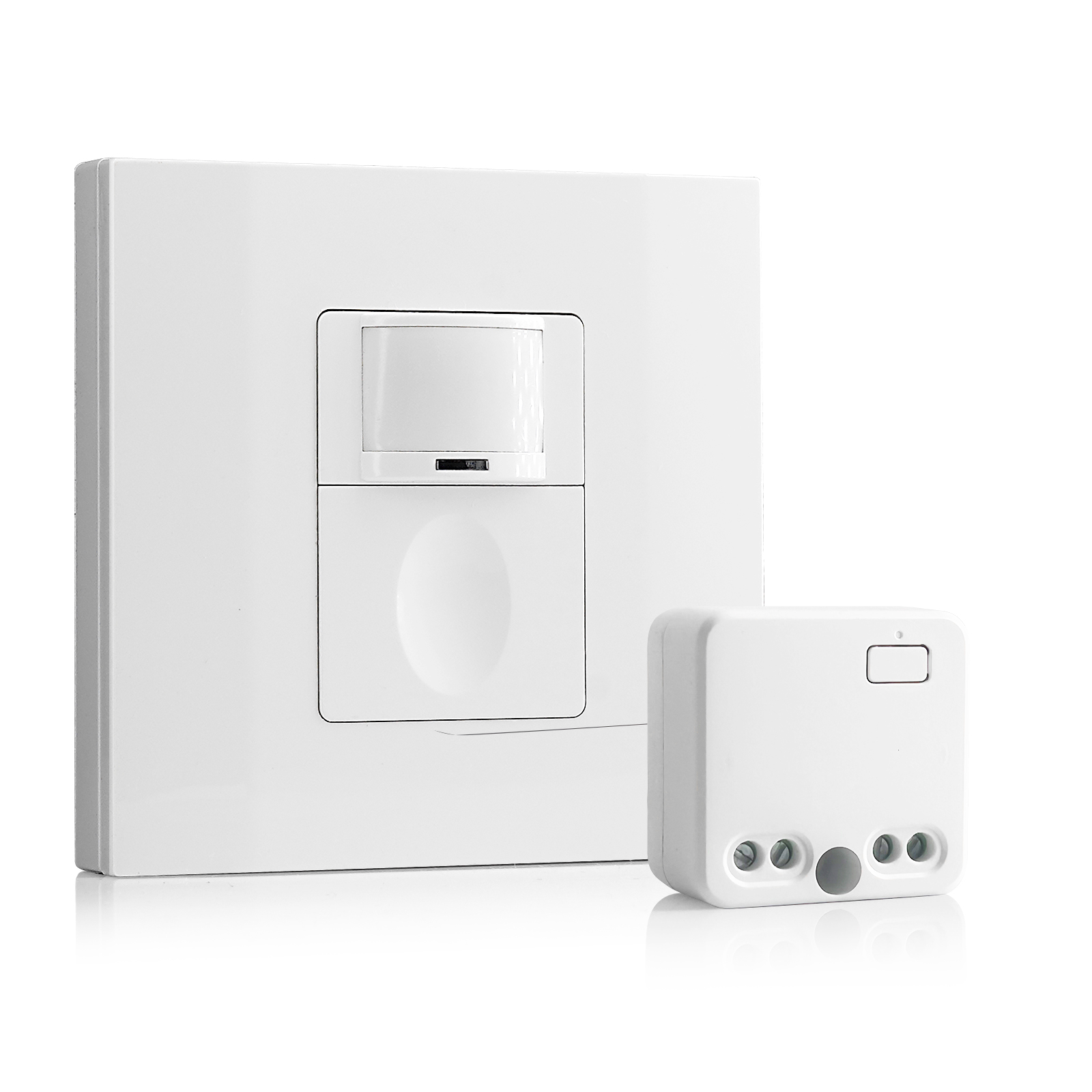
- 100V-230VAC
- Distância de Transmissão: até 20m
- Sensor de movimento sem fios
- Controlo com fios
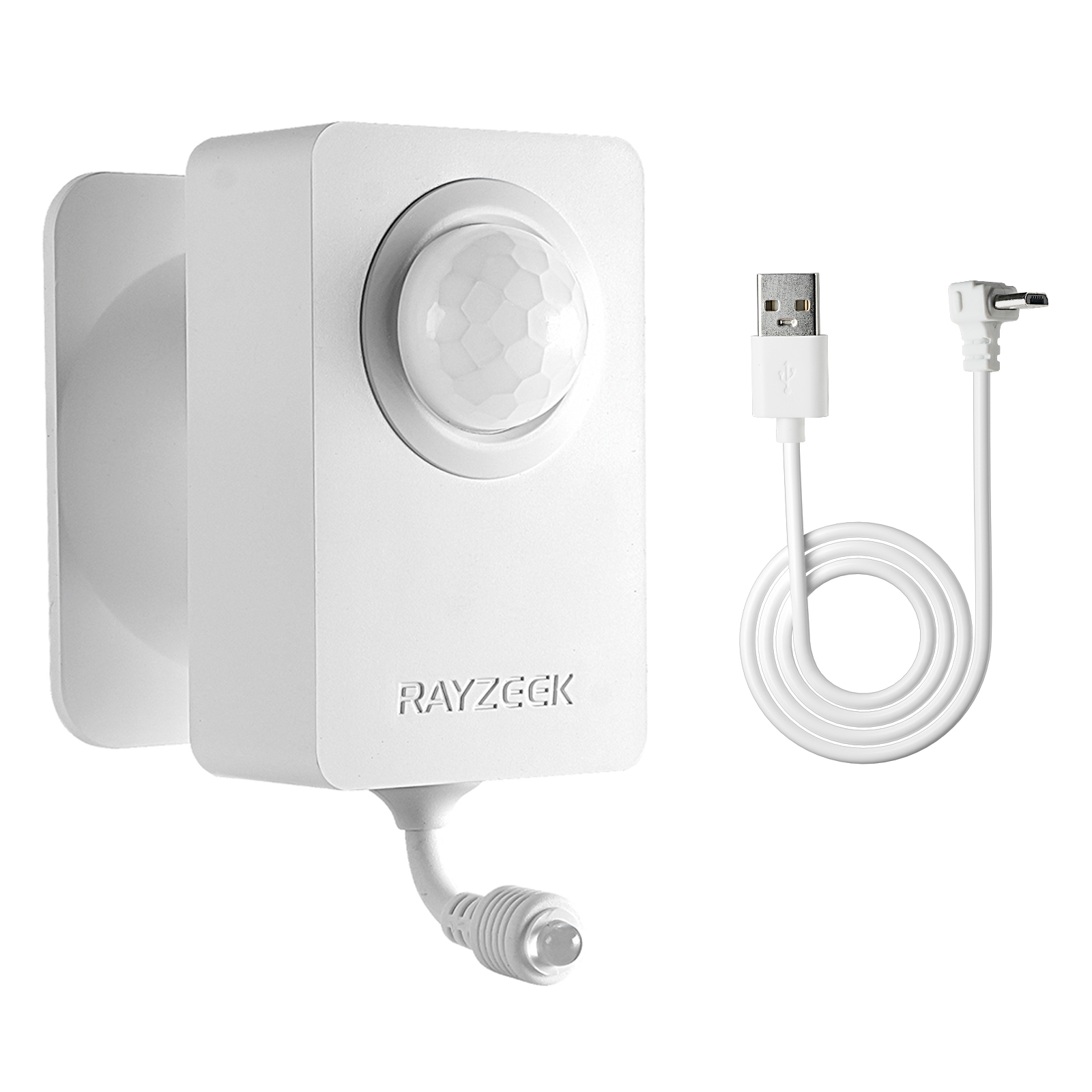
- Tensão: 2x Pilhas AAA / 5V DC (Micro USB)
- Modo Dia/Noite
- Temporização: 15min, 30min, 1h(predefinido), 2h
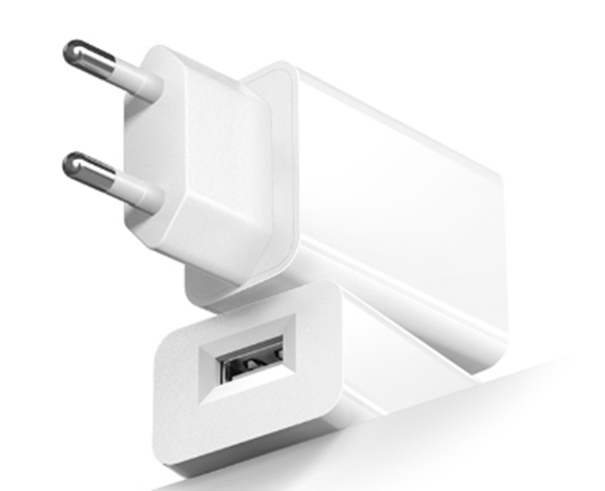
- Adaptador de alimentação com ficha UE
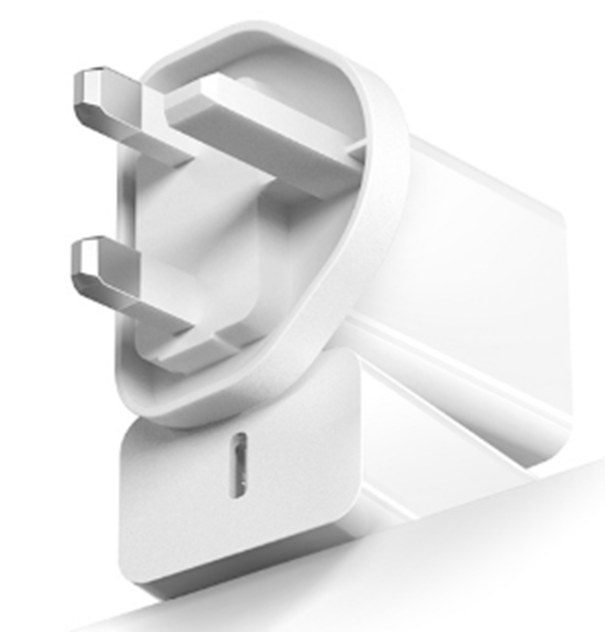
- Adaptador de alimentação com ficha UK
One distinguishing feature of HID lamps is their outer glass bulb, which serves multiple purposes. It safeguards the internal components, blocks ultraviolet light in certain bulb types, retains heat within the lamp, and provides containment in case of potential breakage or explosion. Unlike fluorescent lights that require a phosphor coating to emit visible light, HID lamps do not need any internal coating as the electric arc itself emits visible light. However, some HID lamps, such as metal halide and certain mercury vapor lamps, may have a phosphor coating to enhance the light spectrum and color rendering.
HID lamps come in various wattages, ranging from 25 watts for self-ballasted metal halide lamps and 35 watts for high-intensity sodium vapor lamps to higher wattages like 1000 watts for high-intensity mercury vapor and sodium vapor lamps, and even up to 1500 watts for metal halide lamps. It is important to note that HID lamps require a ballast, a specialized control gear, to operate. The ballast regulates the current supplied to the lamp’s inner tube, facilitates ignition, and supports additional functions like dimming.
Procura Soluções de Poupança de Energia Ativadas por Movimento?
Contacte-nos para sensores de movimento PIR completos, produtos de poupança de energia ativados por movimento, interruptores com sensor de movimento e soluções comerciais de Ocupação/Ausência.
Frequently Asked Questions
What Is the Brightest Headlight Bulb That Is Legal
The Code of Federal Regulations specifies that the brightness of headlights should fall within the range of 500 to 3,000 candelas. To put it simply, this means that drivers should avoid selecting headlights or taillights that exceed 3,000 lumens if they wish to install special lighting.
Which Is Better HID or LED
HID headlights offer a wider coverage area compared to LED headlights. However, if not installed correctly, HID headlights can cause glare for oncoming traffic. Therefore, it is crucial to have them inspected by a skilled professional.
What Is the Difference Between LED and HID Lights
Technology: LED lights operate using electricity, whereas HID lights utilize gas, typically xenon. Energy consumption: Both types of lights have high energy usage compared to halogen lights, but LEDs are slightly more energy-efficient. Lifespan: LED lights can last up to 45,000 hours, while HIDs typically have a lifespan of around 15,000 hours.
What Are the Disadvantages of HID Lamps
Even though HID lamps have been around for a long time, they may not be the most efficient option in every scenario. They have a 30% energy wastage, emit a considerable amount of UV radiation, and take time to warm up. An alternative to HID lamps is LED lighting.
Which Lasts Longer HID or LED
LEDs have a significantly longer lifespan compared to other lighting technologies, including HID. LEDs can last for more than 100,000 hours, while HID bulbs typically have a lifespan that is only 10-25% as long, ranging from 10,000 to 25,000 hours.
How Many Years Do HID Bulbs Last
We have conducted tests comparing the light output of new bulbs with bulbs that are four years old. Our findings indicate a noticeable decrease in light output. Taking this and other tests into consideration, we recommend that technicians suggest replacing xenon HID bulbs every three years.
What Are Two Risks of HID Headlights
Thus, HID headlights can cause increased glare for drivers on curving or hilly two-lane highways, especially when encountered by other drivers. Additionally, older individuals may experience heightened sensitivity to glare and longer recovery times from photostress due to increased intraocular stray light.
Do HID Bulbs Get Weaker Over Time
HID headlight bulbs experience a gradual decrease in brightness over time, but this degradation occurs at a very slow pace. As a result of this slow process, some car owners may find it difficult to determine when it is necessary to replace their headlight bulbs.
Why Do HID Lights Fail
Any HID light can experience erratic performance or fail to start due to an incompatible ballast. It is important to ensure that the ballast label information matches the line voltage and lamp being used. Using an incorrect ballast can often lead to premature failure of the lamp.
Why Are HID Lights So Expensive
The cost of replacing an HID headlight can be quite high, with the bulb alone often exceeding $100. This is because HID lights are significantly more powerful than halogen headlights. Additionally, HID lights are designed to have a longer lifespan compared to halogen headlights, although they can still burn out over time.
How Much Does It Cost to Replace HID Bulb
The price range for replacing a headlight bulb can vary depending on the type of bulb. For a basic halogen bulb, the cost can start as low as $15 for the parts. However, if you have more advanced HID or LED headlights, the price can go up to $100 or even higher per bulb.
Do HID Lights Lose Brightness
Like any other type of headlight bulb, Xenon HID bulbs will gradually lose brightness and color intensity over time. The rate at which this occurs can vary depending on factors such as the quality of the bulbs, the frequency of use, and the conditions in which they are used.
Is It Worth Upgrading Headlights to LED
It is definitely worth upgrading to LED headlights. LED headlights are brighter, have a longer lifespan, and are more energy-efficient compared to halogen bulbs. Additionally, one of the main advantages for most consumers is that LED headlights have a much more appealing appearance than traditional bulbs.







