
What is COB Light
A COB light, short for Chip-On-Board light, is an advanced LED technology widely used in the lighting industry. It involves an array of LED chips that are tightly packed and bonded to a substrate, such as silicon carbide. This arrangement creates a single, large LED chip with exceptional brightness uniformity.
COB lights offer several advantages over traditional LEDs. Firstly, they can produce a significantly brighter beam of light due to the higher number of LED sources packed into a smaller area. This makes COB lights ideal for applications where a brighter light source is required.
Get Inspired by Rayzeek Motion Sensor Portfolios.
Doesn't find what you want? Don't worry. There are always alternate ways to solve your problems. Maybe one of our portfolios can help.
Secondly, COB LEDs have improved heat dissipation capabilities. The design allows for efficient transmission of heat to a heat sink, which helps maintain the LED’s performance and lifespan. Effective heat management is crucial in lighting applications to ensure optimal efficiency and longevity.
Another benefit of COB lights is their wider field of view, enabling them to provide a broader spread of light. This makes them suitable for applications that require a larger area to be illuminated.
Maybe You Are Interested In

- Ceiling-mounted PIR occupancy sensor with dry-contact relay output
- 12/24VDC or 12/24VAC low-voltage supply
- COM, NO, and NC isolated relay contacts for EMS, HVAC, and building control inputs

- Low-voltage DC recessed ceiling-mounted microwave motion sensor switch
- 12 VDC / 24 VDC input with 10-30 VDC range
- 10A max work current with adjustable time delay, Lux threshold, and sensitivity
- Higher-load recessed ceiling-mounted microwave motion sensor switch
- 100-265 VAC line-voltage input, 10A model
- 5.8 GHz microwave sensing with adjustable time delay, Lux threshold, and sensitivity
- Recessed ceiling-mounted microwave motion sensor switch
- 100-265 VAC line-voltage input, 5A model
- 5.8 GHz microwave sensing with adjustable time delay, Lux threshold, and sensitivity
- Ceiling-mounted RZ037 PIR occupancy sensor dimmer for 220V power
- 3A maximum working current with 660W rated load
- LUX button controls light-sensor ON/OFF and user-set dimming brightness
- Ceiling-mounted RZ037 PIR occupancy sensor dimmer for 110V power
- 3A maximum working current with 330W rated load
- LUX button controls light-sensor ON/OFF and user-set dimming brightness

- Low-voltage DC ceiling-mounted microwave motion sensor switch
- 12 VDC / 24 VDC input with 10-30 VDC range
- 10A max work current with adjustable time delay, Lux threshold, and sensitivity
- Higher-load ceiling-mounted microwave motion sensor switch
- 100-265 VAC line-voltage input, 10A model
- 5.8 GHz microwave sensing with adjustable time delay, Lux threshold, and sensitivity
- Ceiling-mounted microwave motion sensor switch
- 100-265 VAC line-voltage input, 5A model
- 5.8 GHz microwave sensing with adjustable time delay, Lux threshold, and sensitivity

- Low-voltage DC recessed ceiling mount PIR motion sensor switch
- 12 VDC / 24 VDC input with 10-30 VDC range
- Max work current 10A with adjustable time delay, Lux threshold, and sensitivity

- Higher-load recessed ceiling mount PIR motion sensor switch
- 100-265 VAC line-voltage input, 10A model
- 360-degree detection with adjustable time delay, Lux threshold, and sensitivity
- Recessed ceiling mount PIR motion sensor switch
- 100-265 VAC line-voltage input, 5A model
- 360-degree detection with adjustable time delay, Lux threshold, and sensitivity

- Wireless switch and receiver kit for indoor ON/OFF lighting control
- 100-230VAC, 50/60Hz receiver with 5A rated current
- CR2032-powered wireless switch with 2.4GHz communication
- Occupancy (Auto-ON/Auto-OFF)
- 12–24V DC (10–30VDC), up to 10A
- 360° coverage, 8–12 m diameter
- Time delay 15 s–30 min
- Light sensor Off/15/25/35 Lux
- High/Low sensitivity
- Auto-ON/Auto-OFF occupancy mode
- 100–265V AC, 10A (neutral required)
- 360° coverage; 8–12 m detection diameter
- Time delay 15 s–30 min; Lux OFF/15/25/35; Sensitivity High/Low
- Auto-ON/Auto-OFF occupancy mode
- 100–265V AC, 5A (neutral required)
- 360° coverage; 8–12 m detection diameter
- Time delay 15 s–30 min; Lux OFF/15/25/35; Sensitivity High/Low
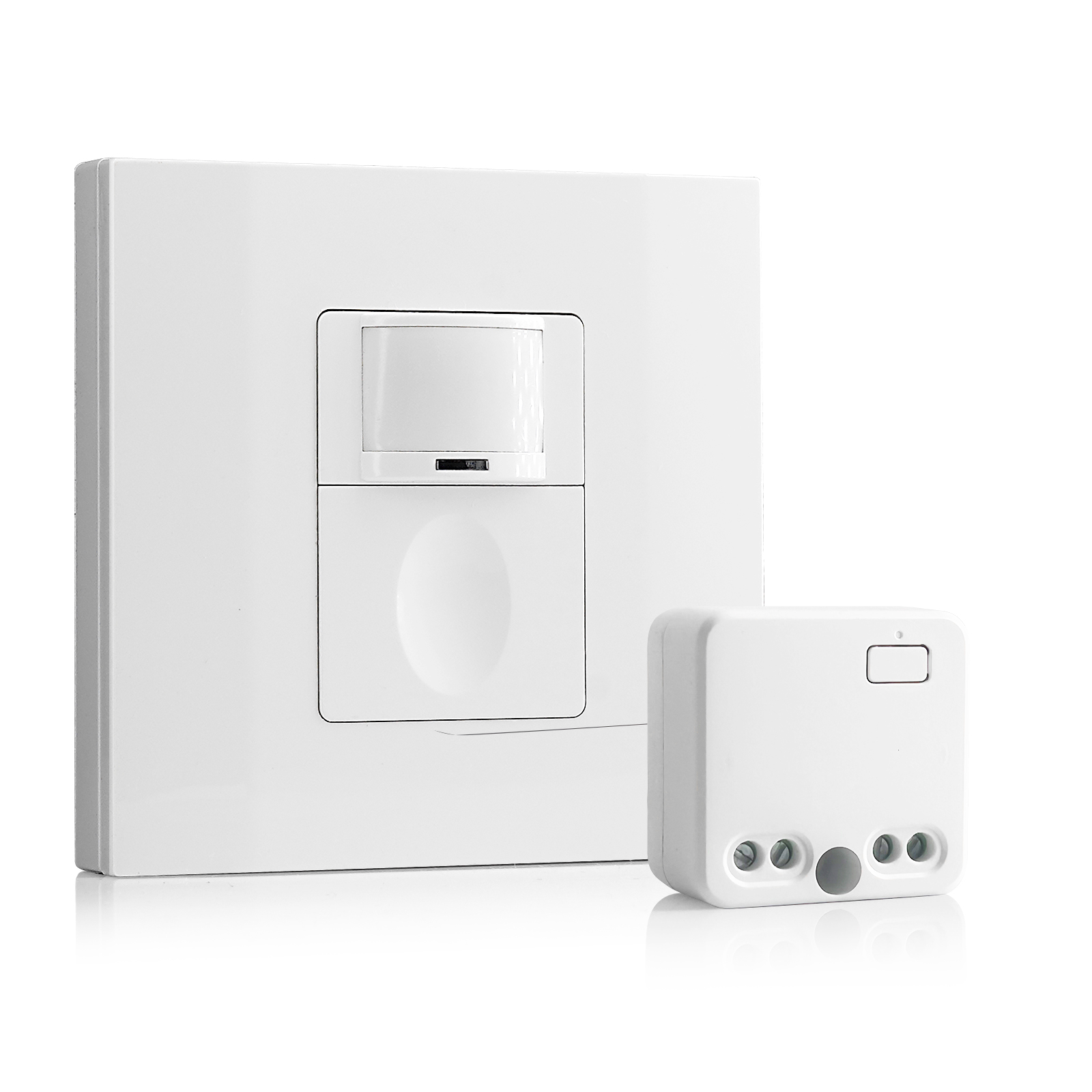
- 100V-230VAC
- Transmission Distance: up to 20m
- Wireless motion sensor
- Hardwired control
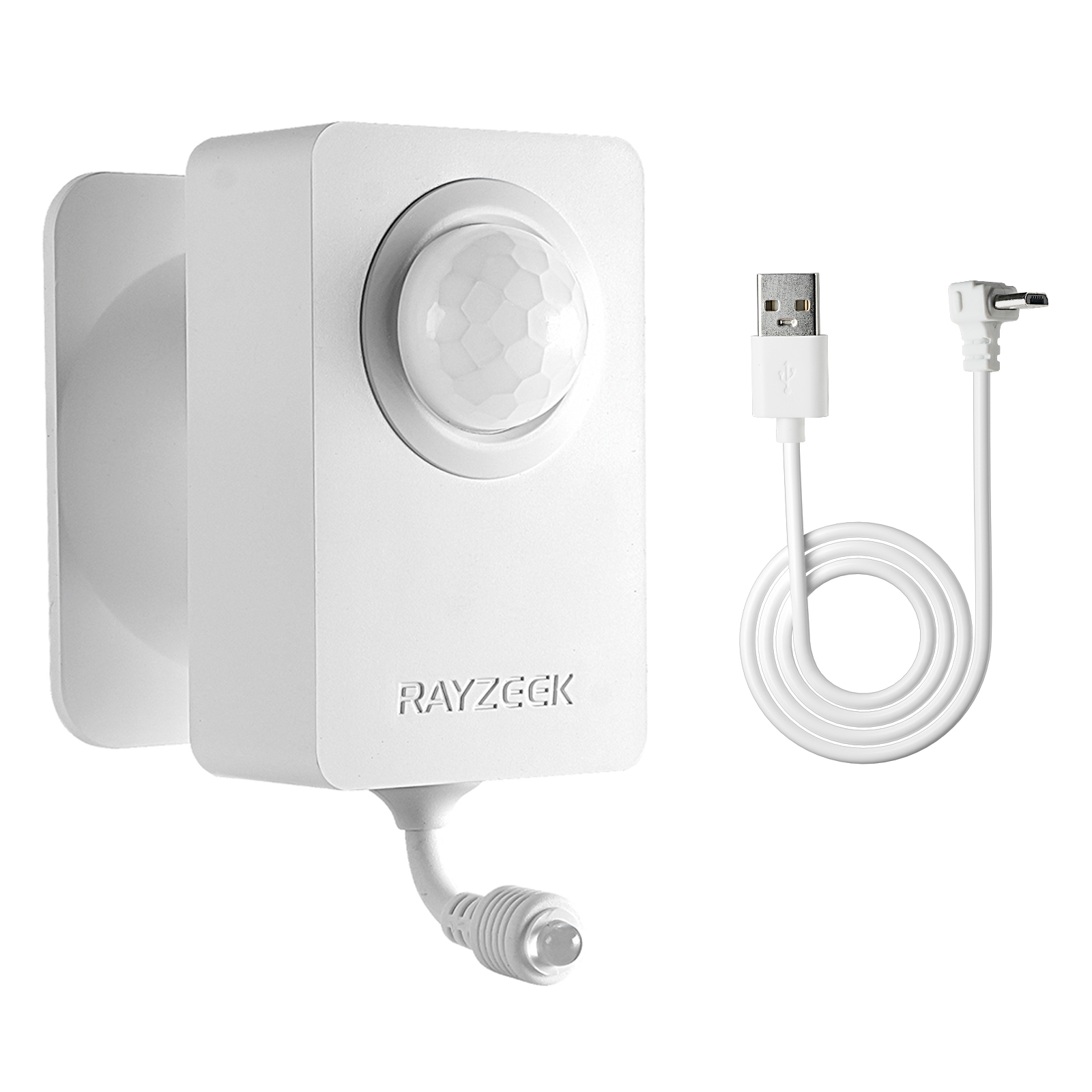
- Voltage: 2x AAA Batteries / 5V DC (Micro USB)
- Day/Night Mode
- Time delay: 15min, 30min, 1h(default), 2h
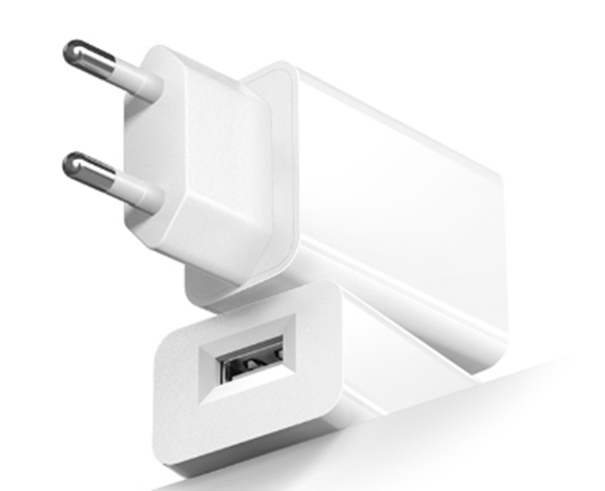
- EU plug power adapter
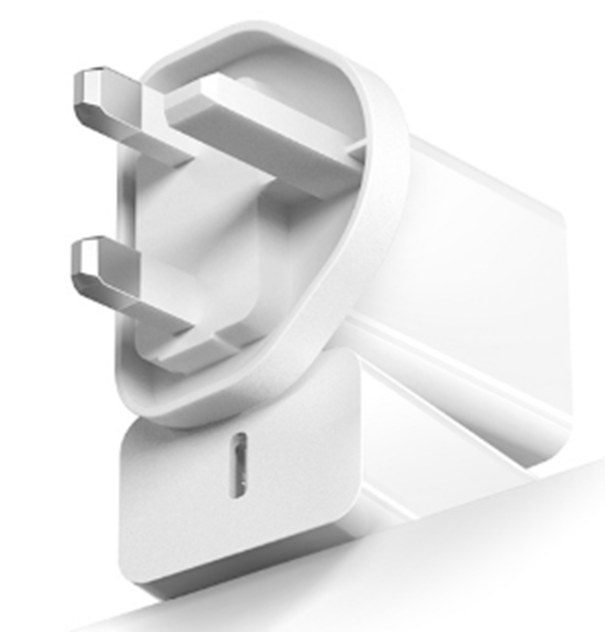
- UK plug power adapter
Additionally, COB LEDs have lower light loss, meaning a higher percentage of the light produced is effectively emitted. This results in more efficient energy usage and a higher-quality beam of light.
Furthermore, the simplified construction of COB LEDs reduces the number of potential points of failure, making them more reliable and durable compared to traditional LEDs. The chip-on-board design eliminates the need for individual LED packages, resulting in lower failure rates.
Frequently Asked Questions
What Are the Pros and Cons of COB LED
COB LED Screen packaging technology offers several advantages over SMD packaging technology. Some of its benefits include smaller LED bead space, improved protection performance, longer service life, and a lower dead light rate. However, it does have some drawbacks, such as difficulties in manufacturing finished products and inconvenience in maintenance.
Do Cob LED Lights Get Hot
COB LEDs are high-power components, which means they can generate significant amounts of heat.
Is COB Light Brighter Than LED
Simply put, COB LEDs are indeed brighter than traditional LED technologies commonly used in trade show lighting. In addition to their superior brightness, COB LEDs also consume less power and produce a higher quality beam of light. Therefore, when searching for exhibit lighting, it is highly recommended to opt for COB LED technology.







