

What is Transparent Material
A transparent material is a substance that allows light to pass through it with minimal obstruction or scattering. It is characterized by its see-through and clear properties, enabling the clear visibility of objects on the other side. Transparent materials transmit the color of light that passes through them, meaning that the emerging light will have the same color as the incident light. Examples of transparent materials mentioned in the given context include air, water, and clear glass.
Unlike translucent materials, which allow some light to pass through but scatter it, transparent materials allow light to pass through without significant diffusion or distortion. This property makes transparent materials ideal for use in the construction of lighting fixtures, such as lenses or covers, as they allow the emitted light to pass through without hindrance.
Op zoek naar bewegingsgeactiveerde energiebesparende oplossingen?
Neem contact met ons op voor complete PIR-bewegingssensoren, bewegingsgeactiveerde energiebesparende producten, bewegingssensorschakelaars en commerciële oplossingen voor aanwezigheid/afwezigheid.
It is important to mention that transparent materials differ from opaque materials, which do not allow any light to pass through them. Opaque materials either reflect or absorb light, converting it into heat. Transparent materials, on the other hand, transmit most of the light that strikes them, allowing for clear visibility of objects on the other side.
Misschien bent u geïnteresseerd in

- Plafondgemonteerde PIR-aanwezigheidssensor met potentiaalvrije relaisuitgang
- 12/24VDC of 12/24VAC laagspanningsvoeding
- Geïsoleerde relaiscontacten (COM, NO en NC) voor EMS-, HVAC- en gebouwbeheersystemen

- Laagspannings DC microwave inbouw-plafondbewegingsmelder
- 12 VDC / 24 VDC ingang met een bereik van 10-30 VDC
- Max. 10A werkstroom met instelbare uitschakelvertraging, lichtgevoeligheid (Lux) en gevoeligheid
- Microwave inbouw-plafondbewegingsmelder voor hogere belastingen
- 100-265 VAC netspanningsingang, 10A-model
- 5,8 GHz microwave-detectie met instelbare uitschakelvertraging, lichtgevoeligheid (Lux) en gevoeligheid
- Microwave inbouw-plafondbewegingsmelder
- 100-265 VAC netspanningsingang, 5A-model
- 5,8 GHz microwave-detectie met instelbare uitschakelvertraging, lichtgevoeligheid (Lux) en gevoeligheid
- Plafondgemonteerde RZ037 PIR aanwezigheidsmelder met dimmer voor 220V-stroomvoorziening
- Maximale werkstroom van 3A met een nominale belasting van 660W
- LUX-knop regelt de AAN/UIT-functie van de lichtsensor en de door de gebruiker ingestelde dimhelderheid
- Plafondgemonteerde RZ037 PIR aanwezigheidsmelder met dimmer voor 110V-stroomvoorziening
- Maximale werkstroom van 3A met een nominale belasting van 330W
- LUX-knop regelt de AAN/UIT-functie van de lichtsensor en de door de gebruiker ingestelde dimhelderheid

- Laagspannings DC microwave plafondbewegingsmelder
- 12 VDC / 24 VDC ingang met een bereik van 10-30 VDC
- Max. 10A werkstroom met instelbare uitschakelvertraging, lichtgevoeligheid (Lux) en gevoeligheid
- Microwave plafondbewegingsmelder voor hogere belastingen
- 100-265 VAC netspanningsingang, 10A-model
- 5,8 GHz microwave-detectie met instelbare uitschakelvertraging, lichtgevoeligheid (Lux) en gevoeligheid
- Microwave plafondbewegingsmelder
- 100-265 VAC netspanningsingang, 5A-model
- 5,8 GHz microwave-detectie met instelbare uitschakelvertraging, lichtgevoeligheid (Lux) en gevoeligheid

- Laagspannings DC PIR inbouw-plafondbewegingsmelder
- 12 VDC / 24 VDC ingang met een bereik van 10-30 VDC
- Max. werkstroom 10A met instelbare uitschakelvertraging, lichtgevoeligheid (Lux) en gevoeligheid

- Inbouw plafond PIR-bewegingssensor schakelaar voor hogere belastingen
- 100-265 VAC netspanningsingang, 10A-model
- 360-graden detectie met aanpasbare tijdvertraging, lux-drempelwaarde en gevoeligheid
- Inbouw plafond PIR-bewegingssensor schakelaar
- 100-265 VAC netspanningsingang, 5A-model
- 360-graden detectie met aanpasbare tijdvertraging, lux-drempelwaarde en gevoeligheid

- Draadloze schakelaar- en ontvangerkit voor ON/OFF-verlichtingsregeling binnenshuis
- 100-230VAC, 50/60Hz ontvanger met 5A nominale stroom
- CR2032-aangedreven draadloze schakelaar met 2.4GHz communicatie
- Aanwezigheid (Auto-ON/Auto-OFF)
- 12–24V DC (10–30VDC), tot 10A
- 360°-bereik, 8–12 m diameter
- Tijdvertraging 15 s–30 min
- Lichtsensor Off/15/25/35 Lux
- Hoge/Lage gevoeligheid
- Auto-ON/Auto-OFF aanwezigheidsmodus
- 100–265V AC, 10A (nuldraad vereist)
- 360°-bereik; 8–12 m detectiediameter
- Tijdvertraging 15 s–30 min; Lux OFF/15/25/35; Gevoeligheid Hoog/Laag
- Auto-ON/Auto-OFF aanwezigheidsmodus
- 100–265V AC, 5A (nuldraad vereist)
- 360°-bereik; 8–12 m detectiediameter
- Tijdvertraging 15 s–30 min; Lux OFF/15/25/35; Gevoeligheid Hoog/Laag
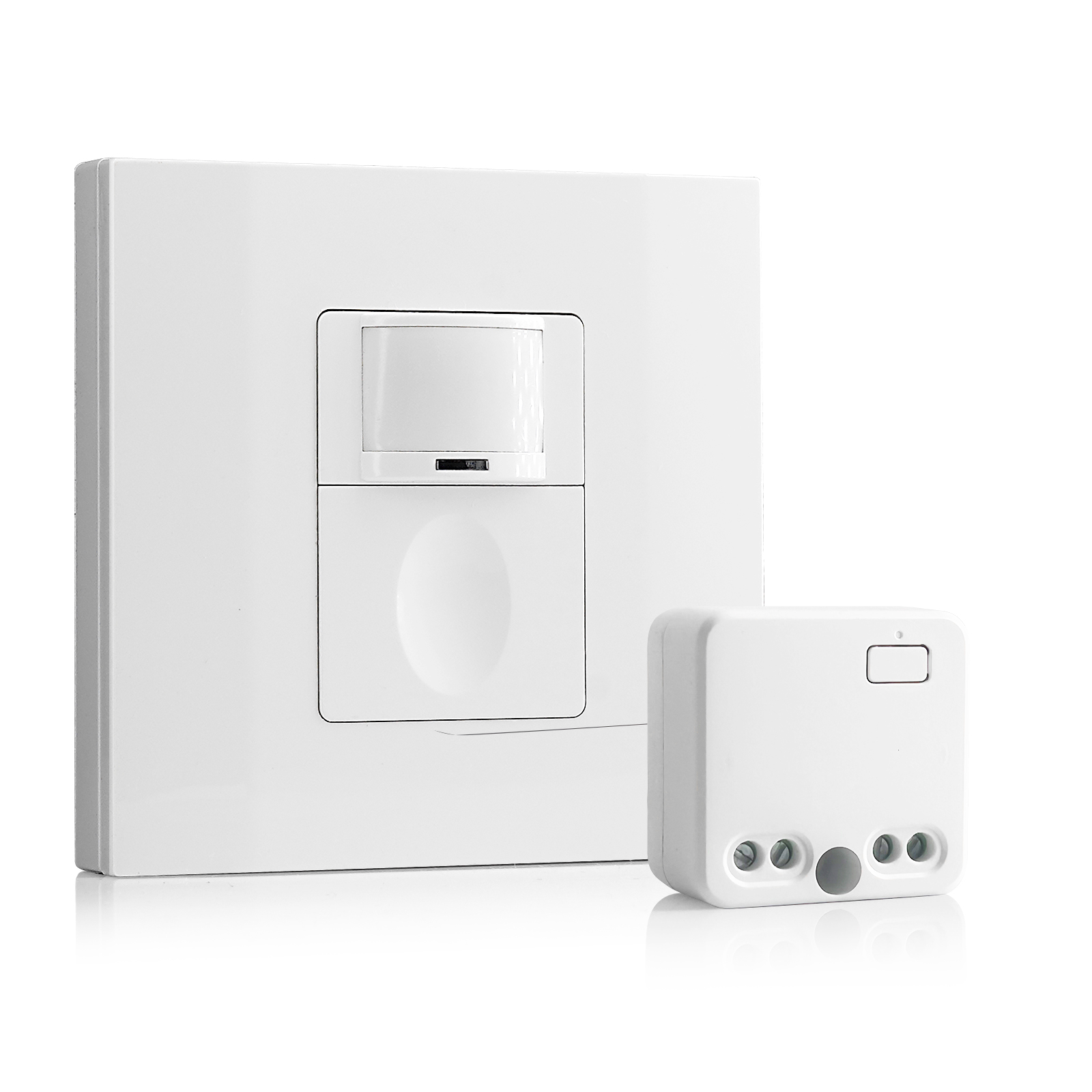
- 100V-230VAC
- Transmissieafstand: tot 20m
- Draadloze bewegingssensor
- Bedrade bediening
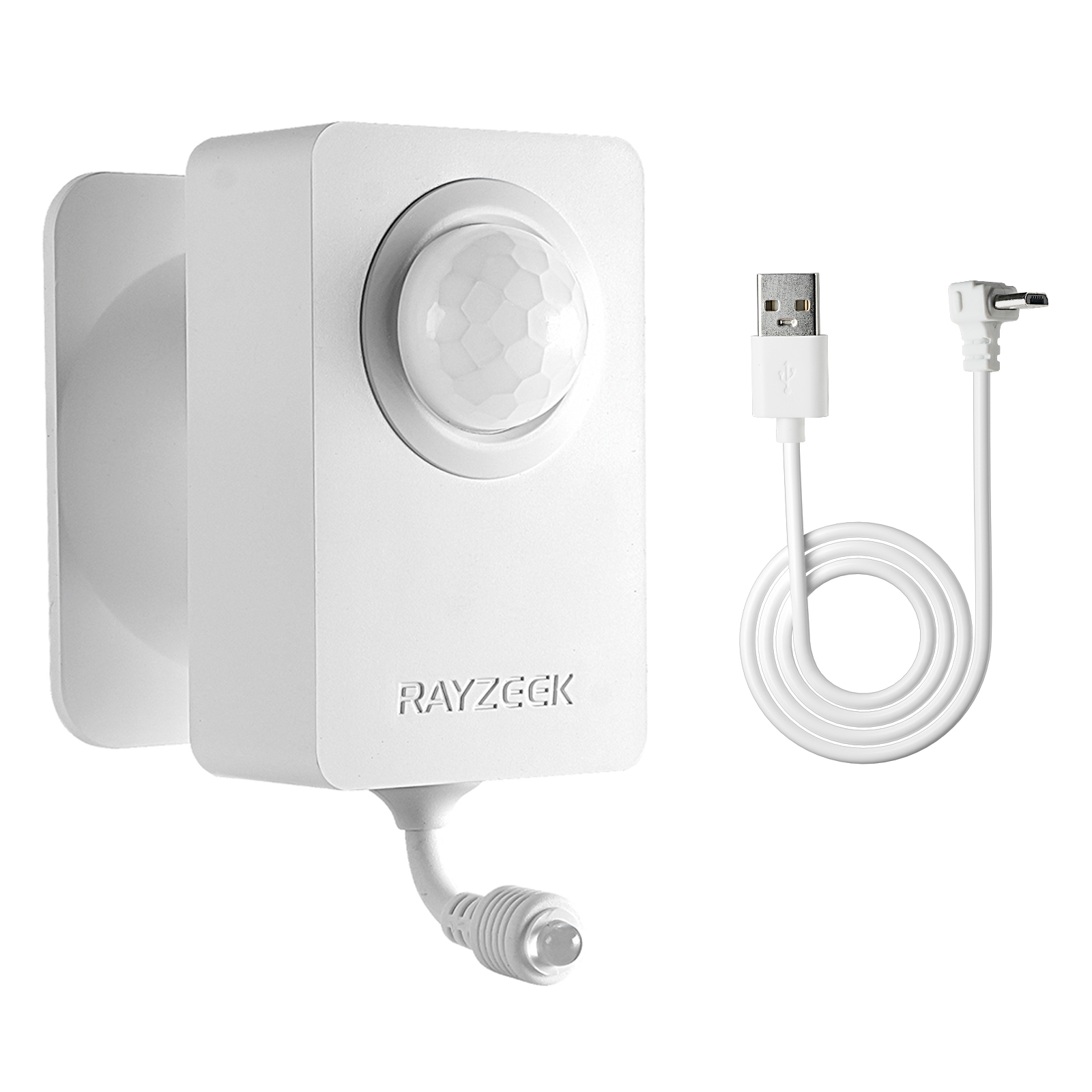
- Spanning: 2x AAA-batterijen / 5V DC (Micro USB)
- Dag/Nacht-modus
- Tijdvertraging: 15 min, 30 min, 1 u (standaard), 2 u
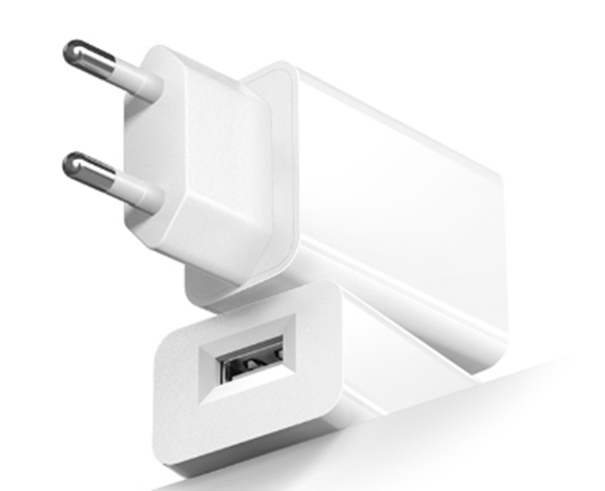
- EU-stekker voedingsadapter
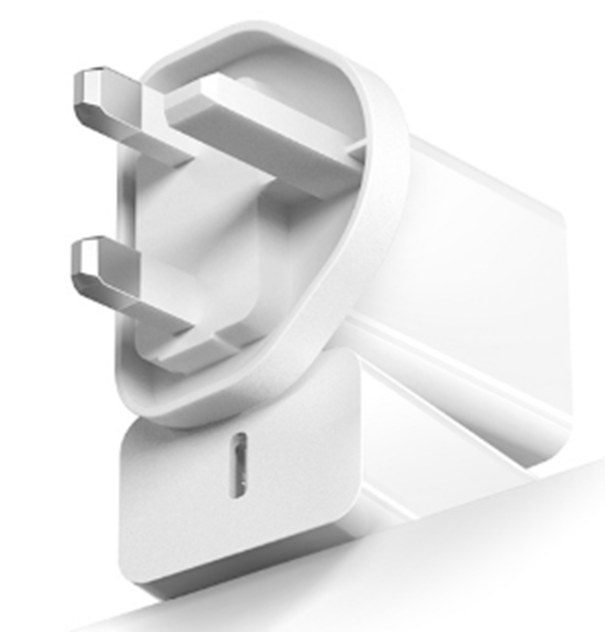
- UK-stekker voedingsadapter
Frequently Asked Questions
What’s the Difference Between Transparent and Translucent
Transparent objects, such as water and glass, allow light to pass through them easily. On the other hand, translucent objects, like tracing paper and waxed paper, only allow light to pass through them partially.
Do Translucent Objects Emit Light
Translucent objects do not emit light. Unlike transparent objects that transmit most of the light falling on them, translucent objects undergo all three processes – reflection, absorption, and transmission of the light that falls on them.
What Happens to Light in Transparent Materials
Transparent materials allow light to pass through them without scattering the rays. This means that when light falls on a transparent object, the majority of it passes through, allowing us to see through the object. Transparent substances or objects are clear in appearance.
Can Light Pass Through Transparent Materials
Both transparent and translucent materials permit the passage of light. Examples of transparent substances include spectacles, glass, sand timer, prism, fish tank, and camera lens. Transparent mediums allow light to pass through completely, while translucent objects only allow partial passage of light.







