

What is Strain Relief
Strain relief refers to a device or mechanism that is utilized to alleviate tension or stress on wires and electrical connections. It is commonly employed in pendant lighting applications, specifically at the point where the wire exits the lamp socket and on the ceiling canopy. The primary purpose of strain relief is to prevent the cable from being inadvertently pulled out of a system, while also controlling the arc of bend and safeguarding against potential cable damage and failure.
Also known as cord grips, strain reliefs play a crucial role in maintaining the integrity and safety of lighting systems. They ensure that the cables remain securely connected and protected from excessive tension or pulling forces. By reducing the strain on the wires, strain reliefs help to prolong the lifespan of the cables and mitigate potential hazards such as electrical shorts or fires.
Misschien bent u geïnteresseerd in

- Plafondgemonteerde PIR-aanwezigheidssensor met potentiaalvrije relaisuitgang
- 12/24VDC of 12/24VAC laagspanningsvoeding
- Geïsoleerde relaiscontacten (COM, NO en NC) voor EMS-, HVAC- en gebouwbeheersystemen

- Laagspannings DC microwave inbouw-plafondbewegingsmelder
- 12 VDC / 24 VDC ingang met een bereik van 10-30 VDC
- Max. 10A werkstroom met instelbare uitschakelvertraging, lichtgevoeligheid (Lux) en gevoeligheid
- Microwave inbouw-plafondbewegingsmelder voor hogere belastingen
- 100-265 VAC netspanningsingang, 10A-model
- 5,8 GHz microwave-detectie met instelbare uitschakelvertraging, lichtgevoeligheid (Lux) en gevoeligheid
- Microwave inbouw-plafondbewegingsmelder
- 100-265 VAC netspanningsingang, 5A-model
- 5,8 GHz microwave-detectie met instelbare uitschakelvertraging, lichtgevoeligheid (Lux) en gevoeligheid
- Plafondgemonteerde RZ037 PIR aanwezigheidsmelder met dimmer voor 220V-stroomvoorziening
- Maximale werkstroom van 3A met een nominale belasting van 660W
- LUX-knop regelt de AAN/UIT-functie van de lichtsensor en de door de gebruiker ingestelde dimhelderheid
- Plafondgemonteerde RZ037 PIR aanwezigheidsmelder met dimmer voor 110V-stroomvoorziening
- Maximale werkstroom van 3A met een nominale belasting van 330W
- LUX-knop regelt de AAN/UIT-functie van de lichtsensor en de door de gebruiker ingestelde dimhelderheid

- Laagspannings DC microwave plafondbewegingsmelder
- 12 VDC / 24 VDC ingang met een bereik van 10-30 VDC
- Max. 10A werkstroom met instelbare uitschakelvertraging, lichtgevoeligheid (Lux) en gevoeligheid
- Microwave plafondbewegingsmelder voor hogere belastingen
- 100-265 VAC netspanningsingang, 10A-model
- 5,8 GHz microwave-detectie met instelbare uitschakelvertraging, lichtgevoeligheid (Lux) en gevoeligheid
- Microwave plafondbewegingsmelder
- 100-265 VAC netspanningsingang, 5A-model
- 5,8 GHz microwave-detectie met instelbare uitschakelvertraging, lichtgevoeligheid (Lux) en gevoeligheid

- Laagspannings DC PIR inbouw-plafondbewegingsmelder
- 12 VDC / 24 VDC ingang met een bereik van 10-30 VDC
- Max. werkstroom 10A met instelbare uitschakelvertraging, lichtgevoeligheid (Lux) en gevoeligheid

- Inbouw plafond PIR-bewegingssensor schakelaar voor hogere belastingen
- 100-265 VAC netspanningsingang, 10A-model
- 360-graden detectie met aanpasbare tijdvertraging, lux-drempelwaarde en gevoeligheid
- Inbouw plafond PIR-bewegingssensor schakelaar
- 100-265 VAC netspanningsingang, 5A-model
- 360-graden detectie met aanpasbare tijdvertraging, lux-drempelwaarde en gevoeligheid

- Draadloze schakelaar- en ontvangerkit voor ON/OFF-verlichtingsregeling binnenshuis
- 100-230VAC, 50/60Hz ontvanger met 5A nominale stroom
- CR2032-aangedreven draadloze schakelaar met 2.4GHz communicatie
- Aanwezigheid (Auto-ON/Auto-OFF)
- 12–24V DC (10–30VDC), tot 10A
- 360°-bereik, 8–12 m diameter
- Tijdvertraging 15 s–30 min
- Lichtsensor Off/15/25/35 Lux
- Hoge/Lage gevoeligheid
- Auto-ON/Auto-OFF aanwezigheidsmodus
- 100–265V AC, 10A (nuldraad vereist)
- 360°-bereik; 8–12 m detectiediameter
- Tijdvertraging 15 s–30 min; Lux OFF/15/25/35; Gevoeligheid Hoog/Laag
- Auto-ON/Auto-OFF aanwezigheidsmodus
- 100–265V AC, 5A (nuldraad vereist)
- 360°-bereik; 8–12 m detectiediameter
- Tijdvertraging 15 s–30 min; Lux OFF/15/25/35; Gevoeligheid Hoog/Laag
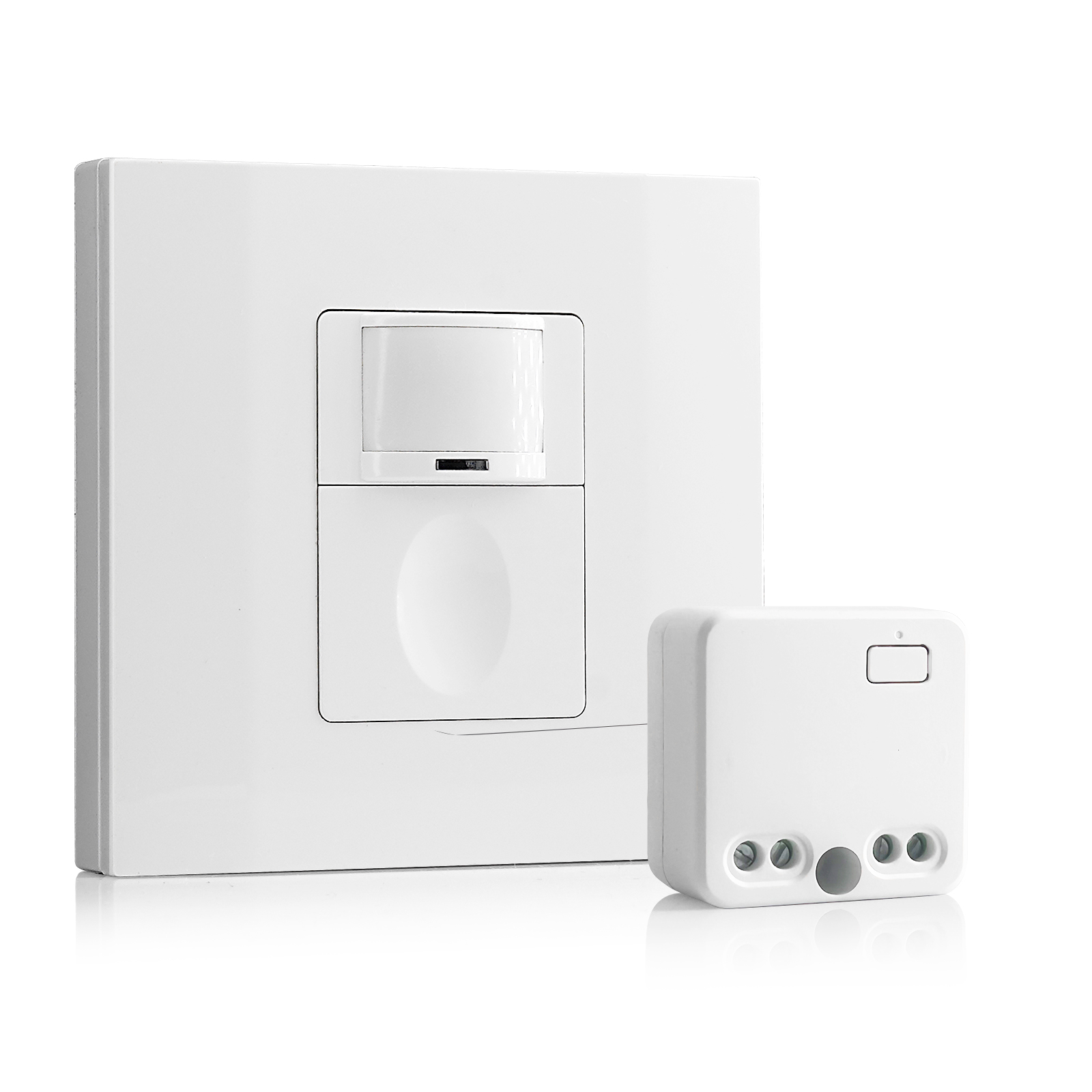
- 100V-230VAC
- Transmissieafstand: tot 20m
- Draadloze bewegingssensor
- Bedrade bediening
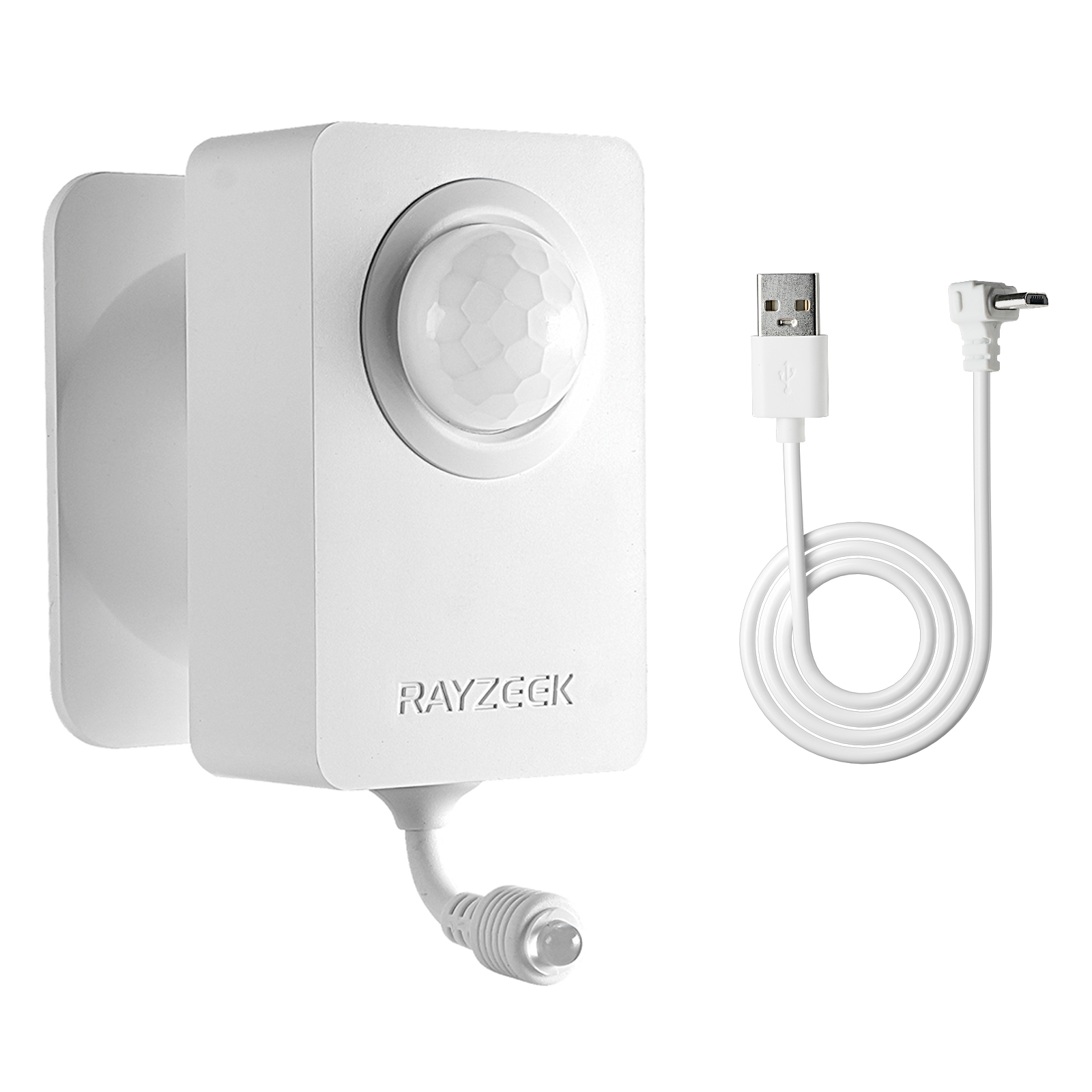
- Spanning: 2x AAA-batterijen / 5V DC (Micro USB)
- Dag/Nacht-modus
- Tijdvertraging: 15 min, 30 min, 1 u (standaard), 2 u
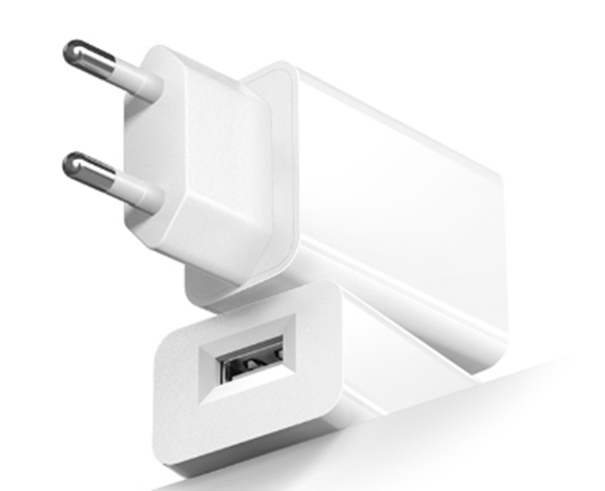
- EU-stekker voedingsadapter
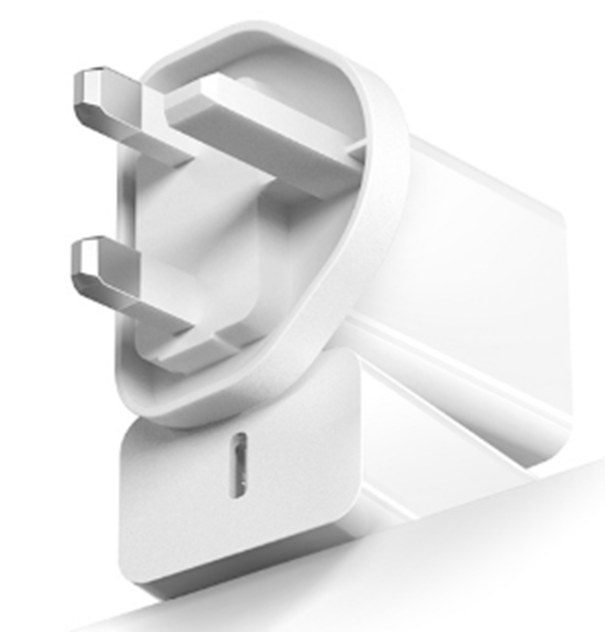
- UK-stekker voedingsadapter
Strain reliefs come in various forms and designs, depending on the specific application and requirements. They can be made of different materials such as plastic, metal, or rubber, and may incorporate different mechanisms for securing the cable. Common types of strain reliefs include cable glands, cord grips, and strain relief bushings.
Laat u inspireren door het assortiment Rayzeek-bewegingssensoren.
Vindt u niet wat u zoekt? Geen zorgen. Er zijn altijd alternatieve manieren om uw problemen op te lossen. Misschien kan een van onze portfolio's u helpen.
Frequently Asked Questions
What Is the Purpose of a Strain Relief
A strain relief, also known as a cable gland, serves the purpose of safeguarding the wires and cables by securely fastening the power cord’s cable to the electrical equipment’s panel. Its primary function is to shield the cables from stress and potential damage as they pass through the equipment’s panel.
Is Strain Relief Necessary
Wherever cables are exposed to mechanical strain, such as pulling, bending, or constant movement, it is crucial to have proper strain relief measures in place.
What Are the Different Types of Strain Relief
There are several types of strain relief mechanisms, including cable bushings, cable glands, romex connectors, and wire ties. Cable bushings are designed as hollow liners that surround conductors or cables to ensure electrical isolation. Similarly, cable glands, also referred to as cord grips, serve as another type of strain relief.
What Is the NEC Code for Strain Relief
205.14(2) of the NEC code states that it is necessary to maintain strain relief of cords and cables in order to prevent the transmission of pull to joints or terminals.
How Do You Reduce Strain on Wires
To reduce strain on wires, it is important to maintain a large bend radius for the cable and minimize its diameter. By doing so, you can minimize mechanical stress and prevent issues such as insulation softening caused by higher temperatures and fatigue.







