

What is Operating Position
Operating position is the specific orientation or position in which a lamp or light bulb is intended to be operated for optimal performance and longevity. It is crucial to adhere to the recommended operating position for a particular lamp to avoid any adverse effects on its lifespan and light output.
Misschien bent u geïnteresseerd in

- Plafondgemonteerde PIR-aanwezigheidssensor met potentiaalvrije relaisuitgang
- 12/24VDC of 12/24VAC laagspanningsvoeding
- Geïsoleerde relaiscontacten (COM, NO en NC) voor EMS-, HVAC- en gebouwbeheersystemen

- Laagspannings DC microwave inbouw-plafondbewegingsmelder
- 12 VDC / 24 VDC ingang met een bereik van 10-30 VDC
- Max. 10A werkstroom met instelbare uitschakelvertraging, lichtgevoeligheid (Lux) en gevoeligheid
- Microwave inbouw-plafondbewegingsmelder voor hogere belastingen
- 100-265 VAC netspanningsingang, 10A-model
- 5,8 GHz microwave-detectie met instelbare uitschakelvertraging, lichtgevoeligheid (Lux) en gevoeligheid
- Microwave inbouw-plafondbewegingsmelder
- 100-265 VAC netspanningsingang, 5A-model
- 5,8 GHz microwave-detectie met instelbare uitschakelvertraging, lichtgevoeligheid (Lux) en gevoeligheid
- Plafondgemonteerde RZ037 PIR aanwezigheidsmelder met dimmer voor 220V-stroomvoorziening
- Maximale werkstroom van 3A met een nominale belasting van 660W
- LUX-knop regelt de AAN/UIT-functie van de lichtsensor en de door de gebruiker ingestelde dimhelderheid
- Plafondgemonteerde RZ037 PIR aanwezigheidsmelder met dimmer voor 110V-stroomvoorziening
- Maximale werkstroom van 3A met een nominale belasting van 330W
- LUX-knop regelt de AAN/UIT-functie van de lichtsensor en de door de gebruiker ingestelde dimhelderheid

- Laagspannings DC microwave plafondbewegingsmelder
- 12 VDC / 24 VDC ingang met een bereik van 10-30 VDC
- Max. 10A werkstroom met instelbare uitschakelvertraging, lichtgevoeligheid (Lux) en gevoeligheid
- Microwave plafondbewegingsmelder voor hogere belastingen
- 100-265 VAC netspanningsingang, 10A-model
- 5,8 GHz microwave-detectie met instelbare uitschakelvertraging, lichtgevoeligheid (Lux) en gevoeligheid
- Microwave plafondbewegingsmelder
- 100-265 VAC netspanningsingang, 5A-model
- 5,8 GHz microwave-detectie met instelbare uitschakelvertraging, lichtgevoeligheid (Lux) en gevoeligheid

- Laagspannings DC PIR inbouw-plafondbewegingsmelder
- 12 VDC / 24 VDC ingang met een bereik van 10-30 VDC
- Max. werkstroom 10A met instelbare uitschakelvertraging, lichtgevoeligheid (Lux) en gevoeligheid

- Inbouw plafond PIR-bewegingssensor schakelaar voor hogere belastingen
- 100-265 VAC netspanningsingang, 10A-model
- 360-graden detectie met aanpasbare tijdvertraging, lux-drempelwaarde en gevoeligheid
- Inbouw plafond PIR-bewegingssensor schakelaar
- 100-265 VAC netspanningsingang, 5A-model
- 360-graden detectie met aanpasbare tijdvertraging, lux-drempelwaarde en gevoeligheid

- Draadloze schakelaar- en ontvangerkit voor ON/OFF-verlichtingsregeling binnenshuis
- 100-230VAC, 50/60Hz ontvanger met 5A nominale stroom
- CR2032-aangedreven draadloze schakelaar met 2.4GHz communicatie
- Aanwezigheid (Auto-ON/Auto-OFF)
- 12–24V DC (10–30VDC), tot 10A
- 360°-bereik, 8–12 m diameter
- Tijdvertraging 15 s–30 min
- Lichtsensor Off/15/25/35 Lux
- Hoge/Lage gevoeligheid
- Auto-ON/Auto-OFF aanwezigheidsmodus
- 100–265V AC, 10A (nuldraad vereist)
- 360°-bereik; 8–12 m detectiediameter
- Tijdvertraging 15 s–30 min; Lux OFF/15/25/35; Gevoeligheid Hoog/Laag
- Auto-ON/Auto-OFF aanwezigheidsmodus
- 100–265V AC, 5A (nuldraad vereist)
- 360°-bereik; 8–12 m detectiediameter
- Tijdvertraging 15 s–30 min; Lux OFF/15/25/35; Gevoeligheid Hoog/Laag
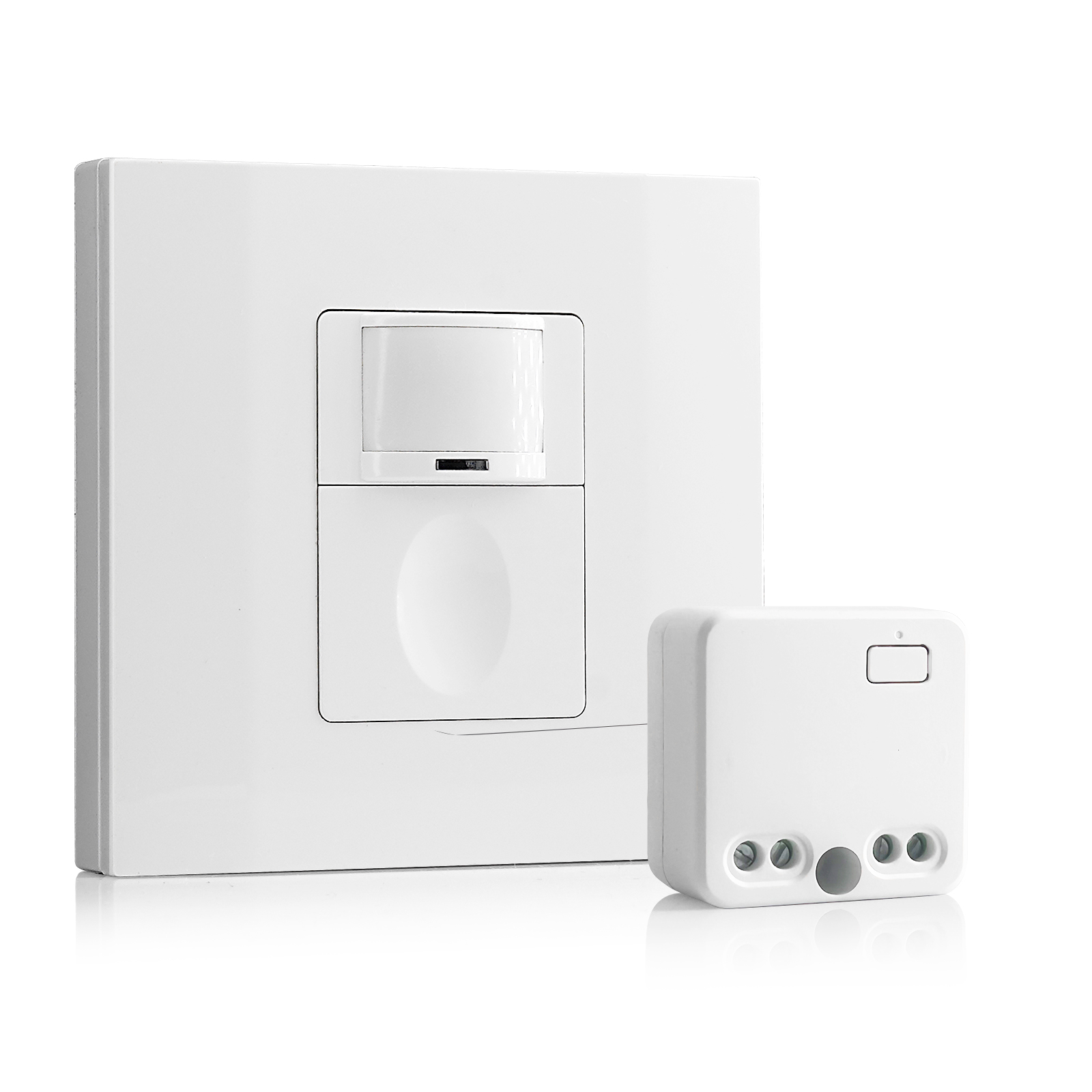
- 100V-230VAC
- Transmissieafstand: tot 20m
- Draadloze bewegingssensor
- Bedrade bediening
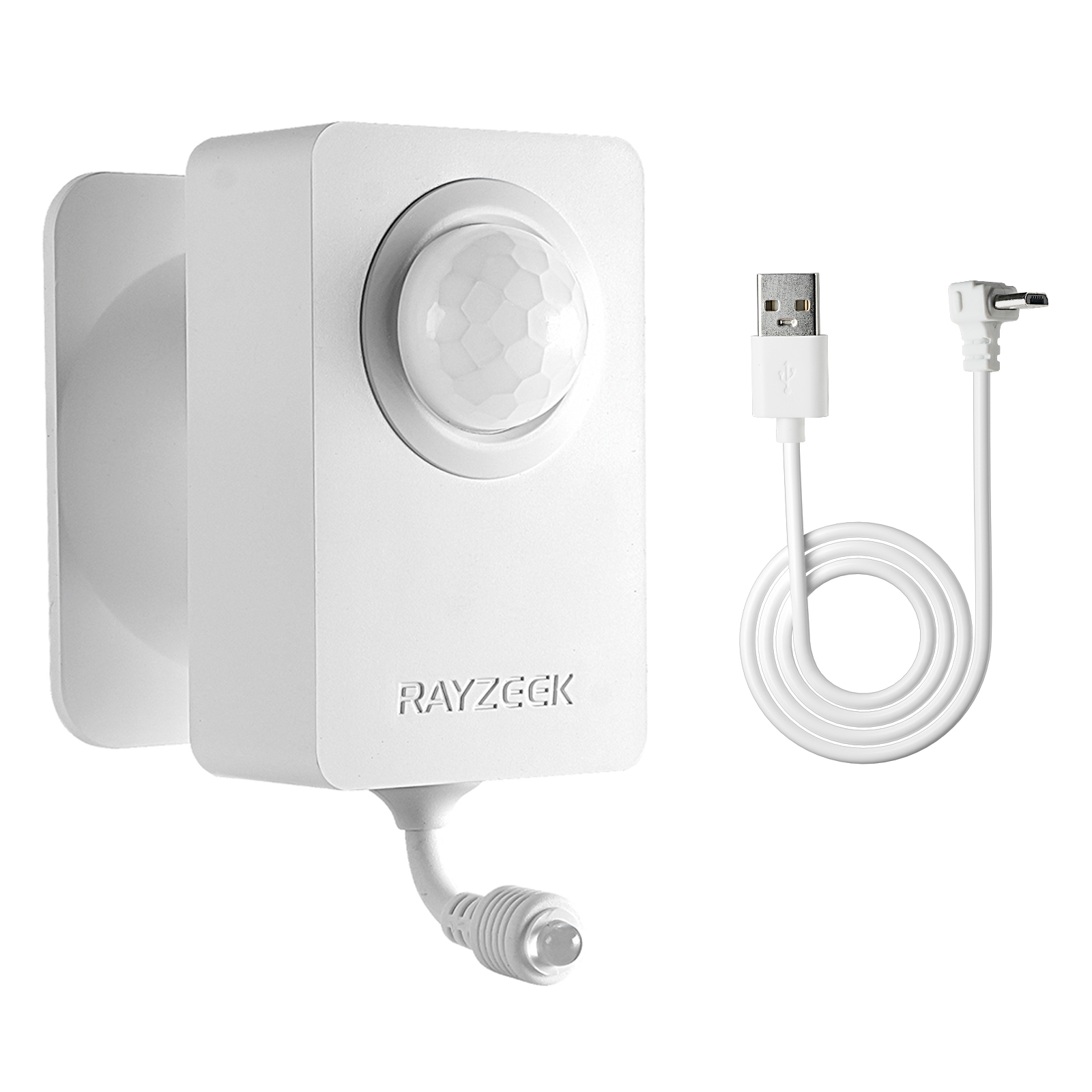
- Spanning: 2x AAA-batterijen / 5V DC (Micro USB)
- Dag/Nacht-modus
- Tijdvertraging: 15 min, 30 min, 1 u (standaard), 2 u
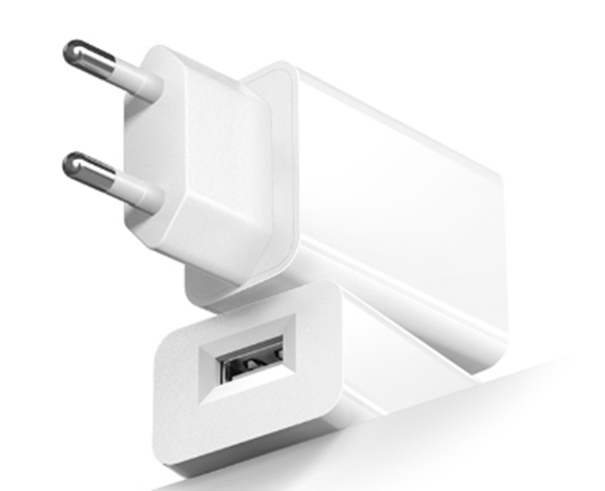
- EU-stekker voedingsadapter
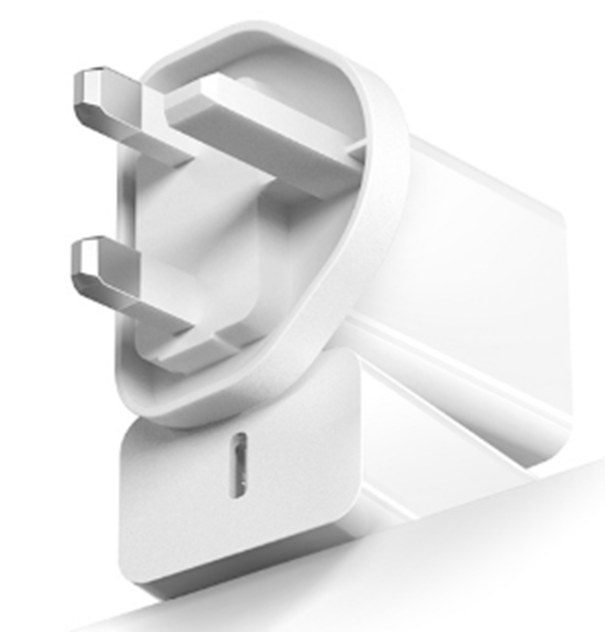
- UK-stekker voedingsadapter
The operating position of a lamp is determined by its design and construction. For example, GLS (General Lighting Service) lamps are typically designed to be operated in the pendant position, with the cap facing upwards. This means that the lamp should be installed in a pendant fixture with the cap oriented upwards. Operating the lamp in this position allows for proper gas convection currents and prevents local overheating of the filament, ensuring a longer lifespan.
In addition to the pendant position, other lamps may have different operating position requirements. Metal halide lamps, for instance, are often designed to be operated in specific positions such as vertical or base-up orientations. Following the correct operating position for metal halide lamps ensures optimal performance, efficiency, and lifespan.
Laat u inspireren door het assortiment Rayzeek-bewegingssensoren.
Vindt u niet wat u zoekt? Geen zorgen. Er zijn altijd alternatieve manieren om uw problemen op te lossen. Misschien kan een van onze portfolio's u helpen.
It is important to consult the manufacturer’s specifications and installation instructions to determine the appropriate operating position for a specific lamp model. By doing so, one can ensure proper light distribution, prevent issues such as reduced lumen output and shortened lamp life, and maintain the overall performance and longevity of the lamp.
Frequently Asked Questions
Who Positions the Lighting in the Operating Room
It is common for the majority of perioperative teams to place the surgical light directly above the area where the surgery is being performed. To optimize the effectiveness of the lighting, clinicians may find it advantageous to position one light at the top of the table and another light at the bottom, directing both lights sideways.
What Is Operating Light Level
Norms and requirements for surgical light include the recommended illuminance level. In the case of operating light level, the central illuminance should ideally fall within the range of 160,000 to 40,000 lux.







