
What is Illumination
Illumination refers to the amount of light that falls on a surface per unit area. It is a measure of the brightness or intensity of the light that illuminates a given space. Illumination is commonly seen in various applications, such as lighting in rooms or task lighting on desks. Illumination is calculated by dividing the luminous flux (the total amount of light emitted by a source) by the area over which the light is spread. It is denoted by the letter ‘E’ and is typically measured in units of lux (lx), lumen per square meter (lm/m²), meter candela (mcd), or foot candela (fcd).
The concept of illumination is influenced by various factors, including the type and intensity of the light source, the distance between the source and the surface, the reflectance properties of the surfaces, and any obstructions or shadows that may affect the distribution of light.
Op zoek naar bewegingsgeactiveerde energiebesparende oplossingen?
Neem contact met ons op voor complete PIR-bewegingssensoren, bewegingsgeactiveerde energiebesparende producten, bewegingssensorschakelaars en commerciële oplossingen voor aanwezigheid/afwezigheid.
In lighting design. Different spaces and activities require different levels of illumination. For example, a workspace may require higher illumination levels to ensure visibility and productivity, while a residential living room may benefit from a softer and more ambient lighting scheme. To achieve the desired illumination levels, lighting designers and engineers employ various techniques and tools. These may include the selection of appropriate light fixtures, the positioning and aiming of the fixtures, the use of reflectors or diffusers to control the light distribution, and the consideration of lighting controls such as dimmers or sensors.
Misschien bent u geïnteresseerd in

- Plafondgemonteerde PIR-aanwezigheidssensor met potentiaalvrije relaisuitgang
- 12/24VDC of 12/24VAC laagspanningsvoeding
- Geïsoleerde relaiscontacten (COM, NO en NC) voor EMS-, HVAC- en gebouwbeheersystemen

- Laagspannings DC microwave inbouw-plafondbewegingsmelder
- 12 VDC / 24 VDC ingang met een bereik van 10-30 VDC
- Max. 10A werkstroom met instelbare uitschakelvertraging, lichtgevoeligheid (Lux) en gevoeligheid
- Microwave inbouw-plafondbewegingsmelder voor hogere belastingen
- 100-265 VAC netspanningsingang, 10A-model
- 5,8 GHz microwave-detectie met instelbare uitschakelvertraging, lichtgevoeligheid (Lux) en gevoeligheid
- Microwave inbouw-plafondbewegingsmelder
- 100-265 VAC netspanningsingang, 5A-model
- 5,8 GHz microwave-detectie met instelbare uitschakelvertraging, lichtgevoeligheid (Lux) en gevoeligheid
- Plafondgemonteerde RZ037 PIR aanwezigheidsmelder met dimmer voor 220V-stroomvoorziening
- Maximale werkstroom van 3A met een nominale belasting van 660W
- LUX-knop regelt de AAN/UIT-functie van de lichtsensor en de door de gebruiker ingestelde dimhelderheid
- Plafondgemonteerde RZ037 PIR aanwezigheidsmelder met dimmer voor 110V-stroomvoorziening
- Maximale werkstroom van 3A met een nominale belasting van 330W
- LUX-knop regelt de AAN/UIT-functie van de lichtsensor en de door de gebruiker ingestelde dimhelderheid

- Laagspannings DC microwave plafondbewegingsmelder
- 12 VDC / 24 VDC ingang met een bereik van 10-30 VDC
- Max. 10A werkstroom met instelbare uitschakelvertraging, lichtgevoeligheid (Lux) en gevoeligheid
- Microwave plafondbewegingsmelder voor hogere belastingen
- 100-265 VAC netspanningsingang, 10A-model
- 5,8 GHz microwave-detectie met instelbare uitschakelvertraging, lichtgevoeligheid (Lux) en gevoeligheid
- Microwave plafondbewegingsmelder
- 100-265 VAC netspanningsingang, 5A-model
- 5,8 GHz microwave-detectie met instelbare uitschakelvertraging, lichtgevoeligheid (Lux) en gevoeligheid

- Laagspannings DC PIR inbouw-plafondbewegingsmelder
- 12 VDC / 24 VDC ingang met een bereik van 10-30 VDC
- Max. werkstroom 10A met instelbare uitschakelvertraging, lichtgevoeligheid (Lux) en gevoeligheid

- Inbouw plafond PIR-bewegingssensor schakelaar voor hogere belastingen
- 100-265 VAC netspanningsingang, 10A-model
- 360-graden detectie met aanpasbare tijdvertraging, lux-drempelwaarde en gevoeligheid
- Inbouw plafond PIR-bewegingssensor schakelaar
- 100-265 VAC netspanningsingang, 5A-model
- 360-graden detectie met aanpasbare tijdvertraging, lux-drempelwaarde en gevoeligheid

- Draadloze schakelaar- en ontvangerkit voor ON/OFF-verlichtingsregeling binnenshuis
- 100-230VAC, 50/60Hz ontvanger met 5A nominale stroom
- CR2032-aangedreven draadloze schakelaar met 2.4GHz communicatie
- Aanwezigheid (Auto-ON/Auto-OFF)
- 12–24V DC (10–30VDC), tot 10A
- 360°-bereik, 8–12 m diameter
- Tijdvertraging 15 s–30 min
- Lichtsensor Off/15/25/35 Lux
- Hoge/Lage gevoeligheid
- Auto-ON/Auto-OFF aanwezigheidsmodus
- 100–265V AC, 10A (nuldraad vereist)
- 360°-bereik; 8–12 m detectiediameter
- Tijdvertraging 15 s–30 min; Lux OFF/15/25/35; Gevoeligheid Hoog/Laag
- Auto-ON/Auto-OFF aanwezigheidsmodus
- 100–265V AC, 5A (nuldraad vereist)
- 360°-bereik; 8–12 m detectiediameter
- Tijdvertraging 15 s–30 min; Lux OFF/15/25/35; Gevoeligheid Hoog/Laag
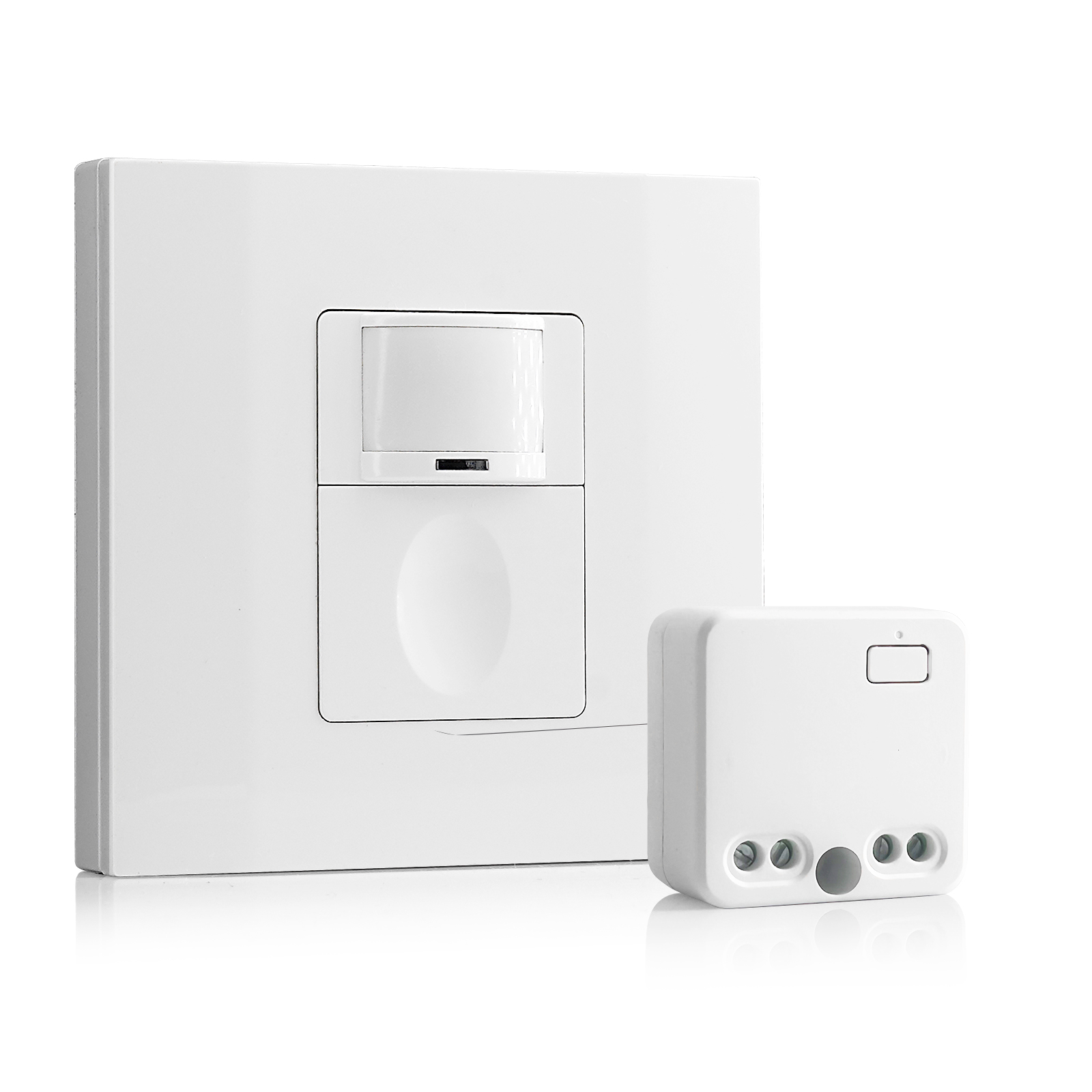
- 100V-230VAC
- Transmissieafstand: tot 20m
- Draadloze bewegingssensor
- Bedrade bediening
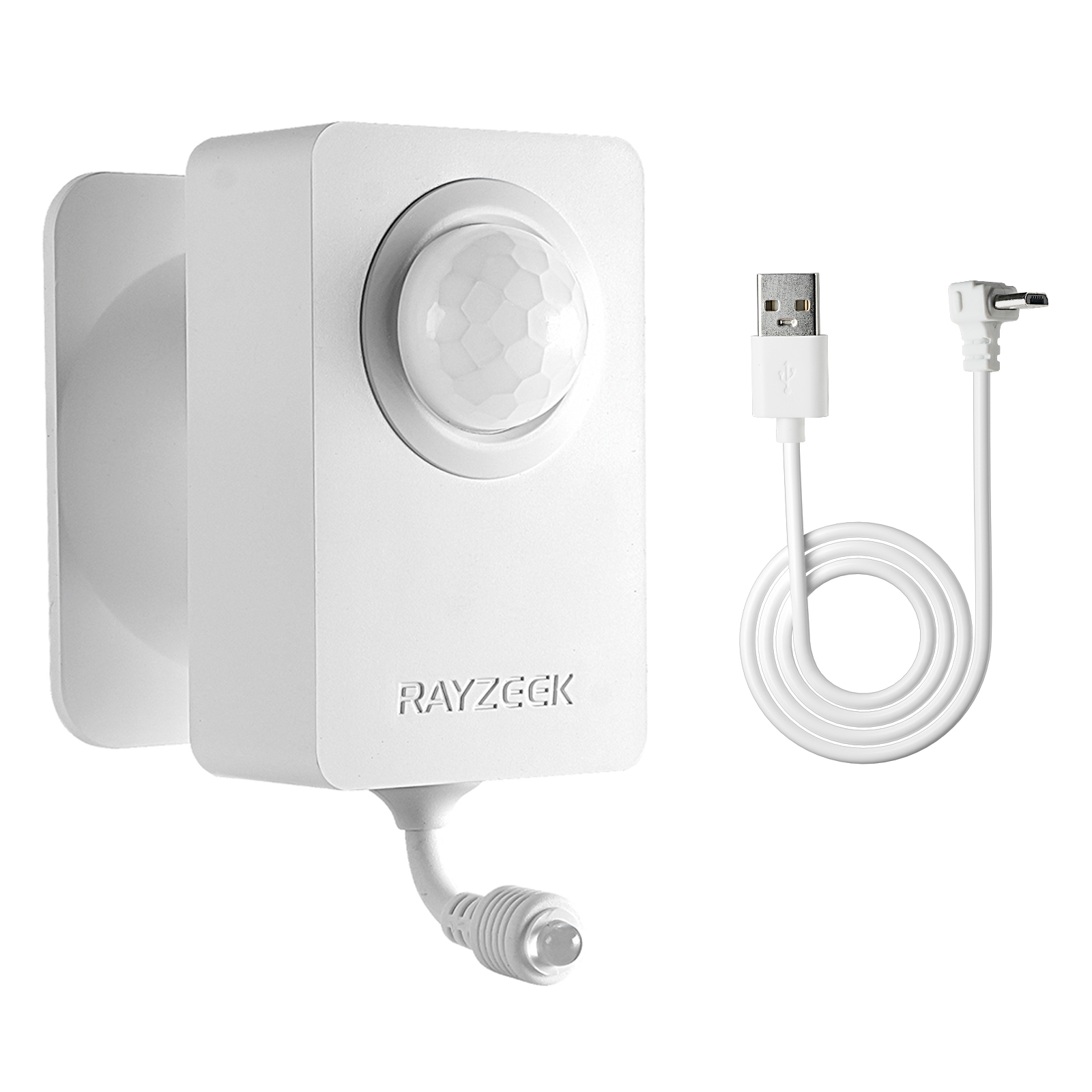
- Spanning: 2x AAA-batterijen / 5V DC (Micro USB)
- Dag/Nacht-modus
- Tijdvertraging: 15 min, 30 min, 1 u (standaard), 2 u
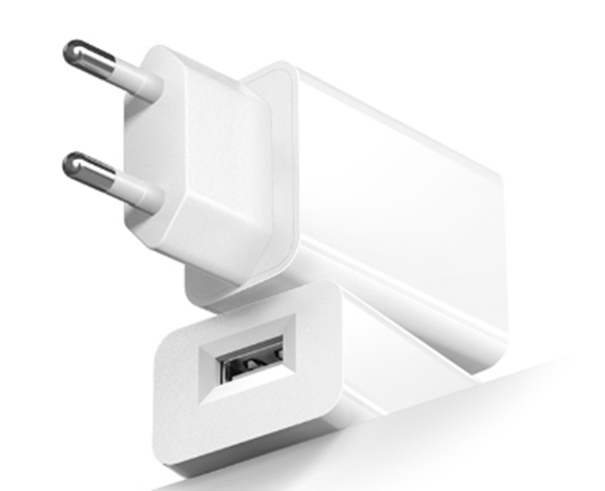
- EU-stekker voedingsadapter
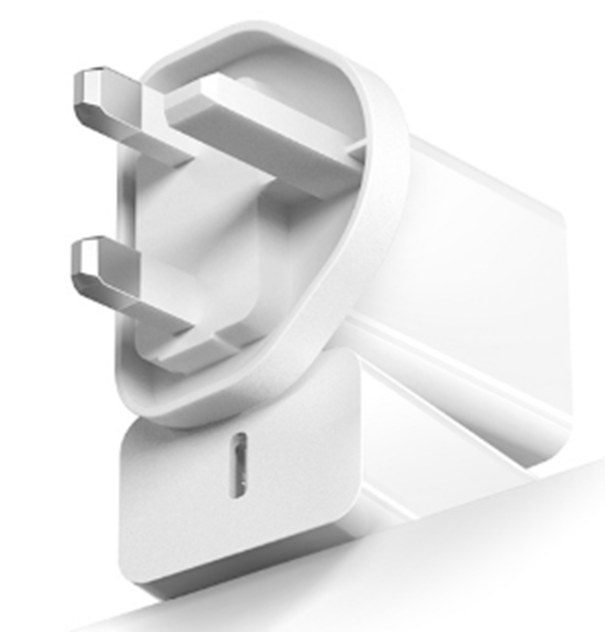
- UK-stekker voedingsadapter
Frequently Asked Questions
What Is a Good Illumination
A good illumination scheme refers to the lighting setup that does not cause any strain on the eyes of the person using it. It is important to strike a balance between dim and bright lighting, as excessive dimness can hinder proper observation of objects, while excessive brightness can lead to watery eyes and forced opening.
What Is Difference Between Light and Illumination
Illuminance refers to the transmission of natural light, such as through windows or lighting plates. On the other hand, lighting involves the distribution of artificial light, which can come from sources like lamps, floor lamps, or neon lights.







