
What is Ambient Temperature
Ambient temperature is the temperature of the air surrounding equipment or in a room. It is influenced by various factors such as weather, humidity, room insulation, equipment, people inside the room, cooling systems, heating systems, and other factors. In an environment with electronic equipment, the resultant temperature is determined by the ambient temperature as well as the power dissipated by the equipment.
모션 감지 에너지 절약 솔루션을 찾고 계신가요?
완제품 PIR 모션 센서, 모션 감지 에너지 절약 제품, 모션 센서 스위치 및 상업용 재실/공실(Occupancy/Vacancy) 솔루션에 대해 문의해 주세요.
The ambient temperature plays a role in the proper functioning of equipment and for personal comfort. To maintain the temperatures at desired levels for both comfort and proper machine functioning, the temperatures may have to be controlled. Heaters are used to raise the temperature while cooling systems are used to bring down the temperatures. The ambient temperature should be observed and maintained at a safe range of between 40 and 70 degrees Celsius.
Exceeding the maximum ambient temperature recommended for a lighting fixture can cause the product to fail prematurely or, in rare cases of excessive heat, fail in a potentially unsafe manner. Therefore, it is critical to understand and check the Ta rating of a device before installation. Additionally, maintaining the correct ambient temperature is an important part of maximizing the life of devices and preventing malfunction and damage. This is particularly important in scenarios such as determining the energy efficiency or power usage effectiveness of a heating or cooling system, limiting the power dissipation to a safe value, and analyzing components to ensure maximum and minimum temperatures do not affect functionality or use.
어쩌면 다음 제품에도 관심이 있으실 수 있습니다

- 무전압 접점(dry-contact) 릴레이 출력을 갖춘 천장 장착형 PIR 재실 감지 센서
- 12/24VDC 또는 12/24VAC 저전압 전원 공급
- EMS, HVAC 및 빌딩 제어 입력을 위한 COM, NO, NC 절연 릴레이 접점

- 저전압 DC 천장 매립형 마이크로웨이브 모션 센서 스위치
- 10-30 VDC 범위의 12 VDC / 24 VDC 입력
- 시간 지연, 조도(Lux) 임계값 및 감도 조절이 가능한 최대 10A 작동 전류
- 고부하용 천장 매립형 마이크로웨이브 모션 센서 스위치
- 100-265 VAC 상용전압 입력, 10A 모델
- 시간 지연, 조도(Lux) 임계값 및 감도 조절이 가능한 5.8 GHz 마이크로웨이브 감지
- 천장 매립형 마이크로웨이브 모션 센서 스위치
- 100-265 VAC 상용전압 입력, 5A model
- 시간 지연, 조도(Lux) 임계값 및 감도 조절이 가능한 5.8 GHz 마이크로웨이브 감지
- 220V 전원용 천장 장착형 RZ037 PIR 재실 감지 센서 디머
- 정격 부하 660W, 최대 작동 전류 3A
- 조도 센서 켜짐/꺼짐(ON/OFF) 및 사용자 설정 디밍 밝기를 제어하는 LUX 버튼
- 110V 전원용 천장 장착형 RZ037 PIR 재실 감지 센서 디머
- 정격 부하 330W, 최대 작동 전류 3A
- 조도 센서 켜짐/꺼짐(ON/OFF) 및 사용자 설정 디밍 밝기를 제어하는 LUX 버튼

- 저전압 DC 천장 매립형 마이크로웨이브 모션 센서 스위치
- 10-30 VDC 범위의 12 VDC / 24 VDC 입력
- 시간 지연, 조도(Lux) 임계값 및 감도 조절이 가능한 최대 10A 작동 전류
- 고부하 천장 매립형 마이크로웨이브 모션 센서 스위치
- 100-265 VAC 상용전압 입력, 10A 모델
- 시간 지연, 조도(Lux) 임계값 및 감도 조절이 가능한 5.8 GHz 마이크로웨이브 감지
- 천장 매립형 마이크로웨이브 모션 센서 스위치
- 100-265 VAC 상용전압 입력, 5A model
- 시간 지연, 조도(Lux) 임계값 및 감도 조절이 가능한 5.8 GHz 마이크로웨이브 감지

- 저전압 DC 매립형 천장 장착 PIR 모션 센서 스위치
- 10-30 VDC 범위의 12 VDC / 24 VDC 입력
- 최대 작동 전류 10A (시간 지연, 조도 값, 감도 조절 가능)

- 고부하 매립형 천장 장착 PIR 모션 센서 스위치
- 100-265 VAC 상용전압 입력, 10A 모델
- 360도 감지 (시간 지연, 조도 값, 감도 조절 가능)
- 매립형 천장 장착 PIR 모션 센서 스위치
- 100-265 VAC 상용전압 입력, 5A model
- 360도 감지 (시간 지연, 조도 값, 감도 조절 가능)

- 실내 조명 ON/OFF 제어용 무선 스위치 및 수신기 키트
- 100-230VAC, 50/60Hz 수신기 (정격 전류 5A)
- CR2032 배터리 구동 무선 스위치 (2.4GHz 통신)
- 재실 감지 (Auto-ON/Auto-OFF)
- 12–24V DC (10–30VDC), 최대 10A
- 360° 감지 범위, 직경 8–12 m
- 시간 지연 15초–30분
- 조도 센서 Off/15/25/35 Lux
- 감도 높음/낮음
- Auto-ON/Auto-OFF 재실 모드
- 100–265V AC, 10A (중성선 필수)
- 360° 감지 범위, 감지 직경 8–12 m
- 시간 지연 15초–30분, 조도 OFF/15/25/35, 감도 높음/낮음
- Auto-ON/Auto-OFF 재실 모드
- 100–265V AC, 5A (중성선 필요)
- 360° 감지 범위, 감지 직경 8–12 m
- 시간 지연 15초–30분, 조도 OFF/15/25/35, 감도 높음/낮음
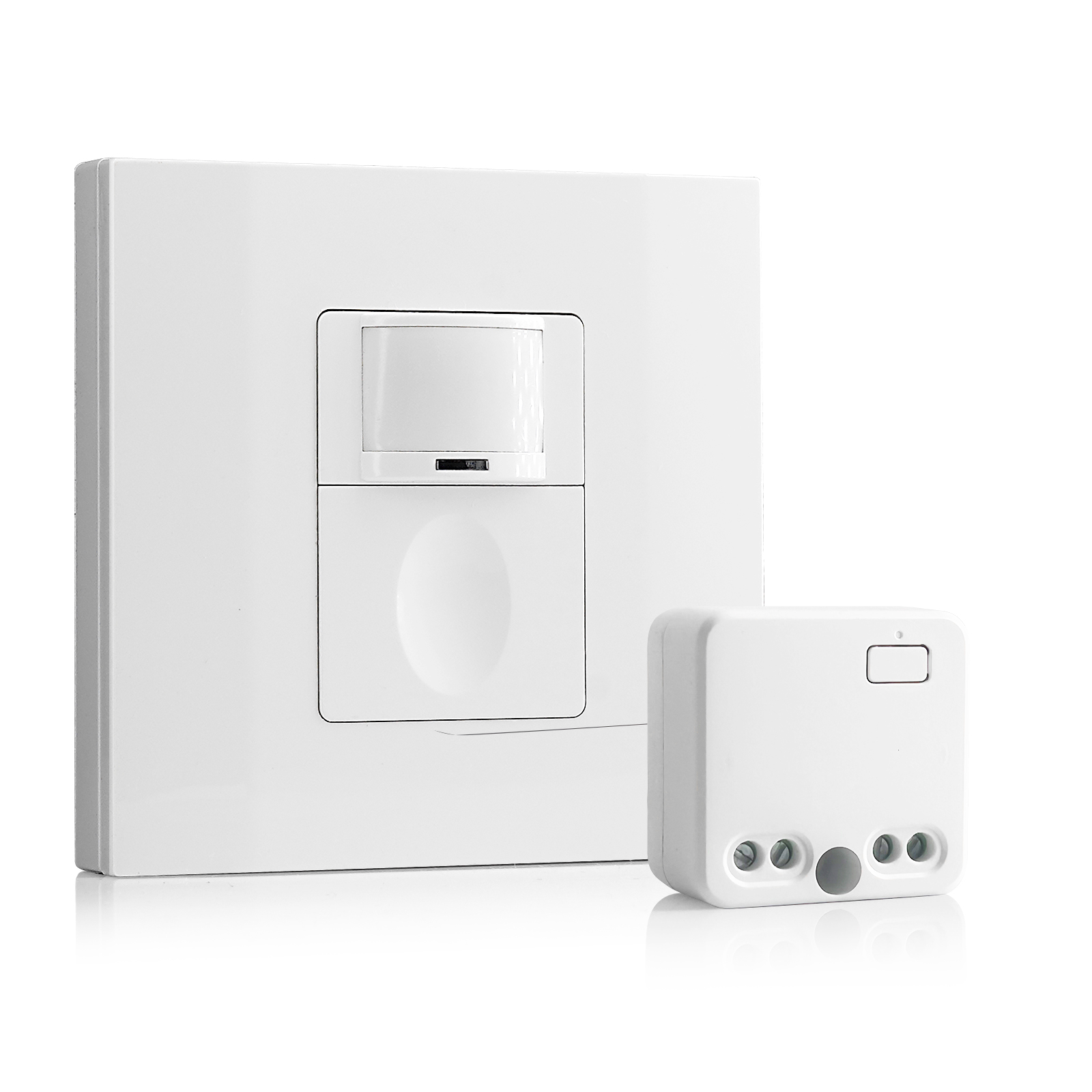
- 100V-230VAC
- 전송 거리: 최대 20m
- 무선 모션 센서
- 유선 제어
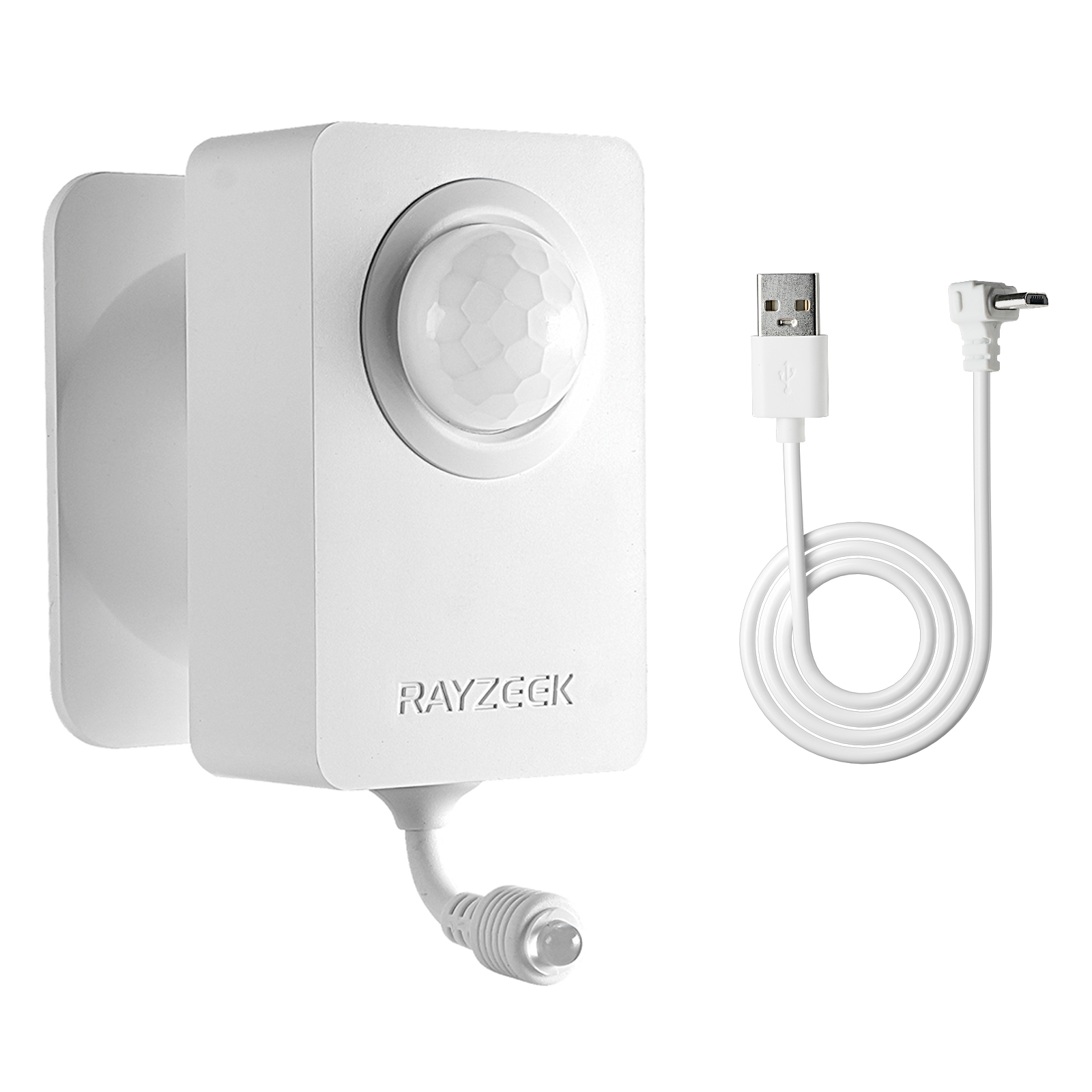
- 전압: AAA 배터리 2개 / 5V DC (Micro USB)
- 주간/야간 모드
- 시간 지연: 15분, 30분, 1시간(기본값), 2시간
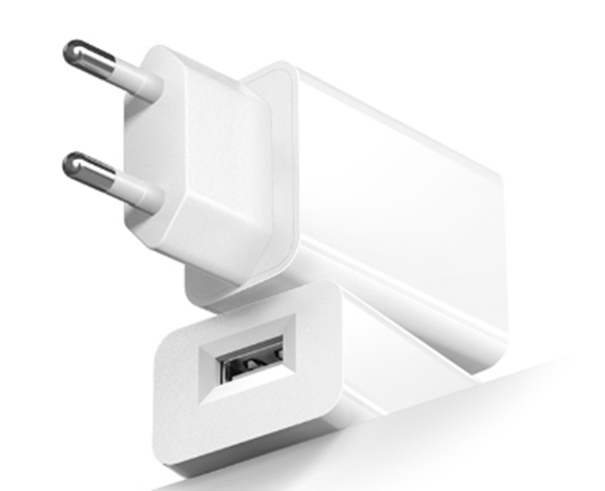
- EU 플러그 전원 어댑터
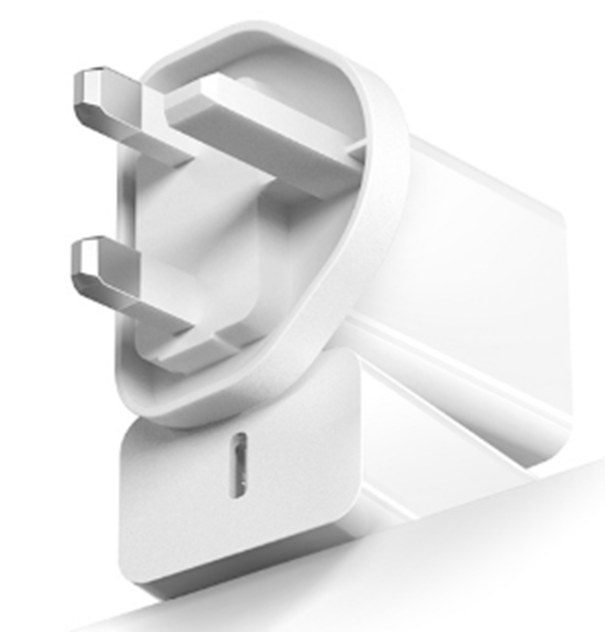
- UK 플러그 전원 어댑터
Frequently Asked Questions
What Is the Difference Between Temperature and Ambient Temperature
Ambient temperature refers to the average temperature of a particular environment and can vary widely. On the other hand, temperature is a measure of the degree of hotness or coldness of an object or substance. It is important to note that ambient temperature is not the same as the temperature of a specific object or substance.
Does Ambient Temperature Affect Circuit Breakers
The temperature of the surrounding environment can also have an impact on the circuit breaker components. If the ambient temperature rises and causes the strip to flex and make contact, the circuit breaker may trip, even if there is no excess electricity causing the heat.
What Happens When Ambient Temperature Is Too High
Exposure to high ambient temperatures can pose a threat to your physical well-being. If the temperature ranges between 90˚ and 105˚F (32˚ and 40˚C), you may suffer from heat exhaustion and cramps. However, if the temperature exceeds 105˚F and reaches up to 130˚F (40˚ and 54˚C), the likelihood of heat exhaustion increases significantly. It is advisable to restrict your physical activities in such conditions.
Why Does My House Feel Cold at 69 Degrees
The reason your house feels cold at 69 degrees is due to the relative humidity. When the indoor relative humidity is low, as it is in your case, the 68 degree temperature feels chilly instead of comfortable. Typically, an outdoor temperature of 60 degrees is accompanied by a dew point reading of 50 degrees or higher.
What Temperature Should House Be at Night
This may differ slightly depending on personal preferences, but it is generally advised by medical professionals to maintain a temperature range of 60 to 67 degrees Fahrenheit (15.6 to 19.4 degrees Celsius) for optimal sleep comfort during the night.
Why Is One Room in My House Always Cold
One possible reason for a room in your house always being cold is due to the vents being blocked by heavy furniture or items, which absorb the heat. To solve this issue, you can simply move the items away from the vents to allow for an unobstructed flow of warm or cool air.
What Temperature Should Your House Be Overnight in Winter
The recommended temperature for a healthy and comfortable sleep, as suggested by both The World Health Organisation (WHO) and experts, is 18 degrees. However, it is important to consider the age and health of the household members when determining the ideal temperature for heating the home overnight in winter.
Is It Cheaper to Keep Your House at a Constant Temperature
Keeping your home at a constant temperature can lead to your HVAC system running constantly, even when you’re not at home or asleep. This can result in a significant waste of energy, which may outweigh any potential savings from having it run constantly.
What Is Safe Room Temperature Range
According to the medical definition provided by Merriam-Webster, the safe range of temperature for human occupancy and laboratory experiments is typically between 15 to 25 °C (59 to 77 °F).
What Is the Maximum Ambient Temperature for AC
Your air conditioning unit has certain limitations, regardless of its age, installation quality, or manufacturer. Typically, when the outside temperature reaches 95 degrees Fahrenheit, your AC can cool your home to around 70-80 degrees. Generally, your air conditioner can lower the indoor temperature by 15-25 degrees compared to the outside temperature.
What Is the Best Temperature for Elderly People to Sleep In
Many elderly individuals prefer to sleep in a room with a temperature range of 65 to 78 degrees, with 78 degrees being the most comfortable for some. It is important to note that the ideal temperature for seniors to sleep in is subjective and varies from person to person. Ultimately, the best temperature for elderly people to sleep in is the one that they find most comfortable within the safe range.
Is Ambient Temperature Measured in the Shade
Ambient temperature is typically measured in a shaded area as it allows the thermometer to measure the actual temperature of the surrounding air without interference from direct sunlight. If the thermometer is placed in direct sunlight, it will measure the temperature of the thermometer itself, which can be significantly higher than the actual air temperature. Therefore, to obtain an accurate measurement of ambient temperature, it is important to measure it in a shaded location.
What Is the Difference Between Ambient Temperature and Wet Bulb Temperature
The ambient temperature is the dry bulb temperature that can be measured using regular thermometers. On the other hand, the wet bulb temperature is measured using thermometers that are covered with wet wicks. The difference between these two temperatures is known as wet bulb depression, which affects the discharge air temperature.
Is Ambient Temperature the Same as Outside Temperature
The ambient temperature refers to the average temperature of the air surrounding a particular object or individual, regardless of whether they are indoors or outdoors. When it comes to weather, the ambient temperature is equivalent to the present air temperature at a specific location.
What Is the Difference Between Ambient and Room Temperature
In technical terms, the phrase “room temperature” refers to the temperature inside a particular room or building, whereas “ambient temperature” refers to the temperature of the surrounding environment. Although these terms are often used interchangeably, they have distinct meanings.
What Is the Most Comfortable Ambient Temperature
The ideal ambient temperature for optimal functioning of these processes is approximately 70 degrees Fahrenheit, which is also the temperature at which we feel the most comfortable. Additionally, these processes work to regulate the core body temperature at around 98 degrees F.







